Winter Tea
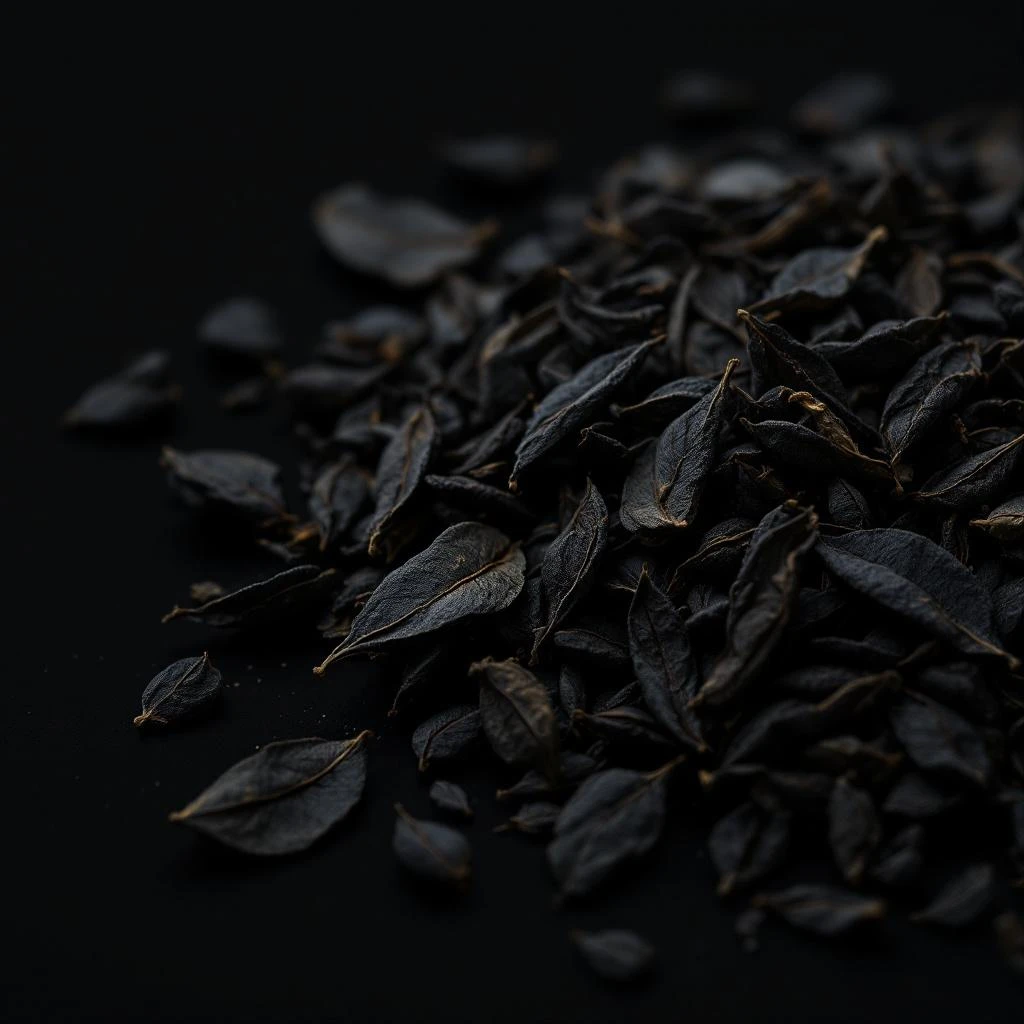
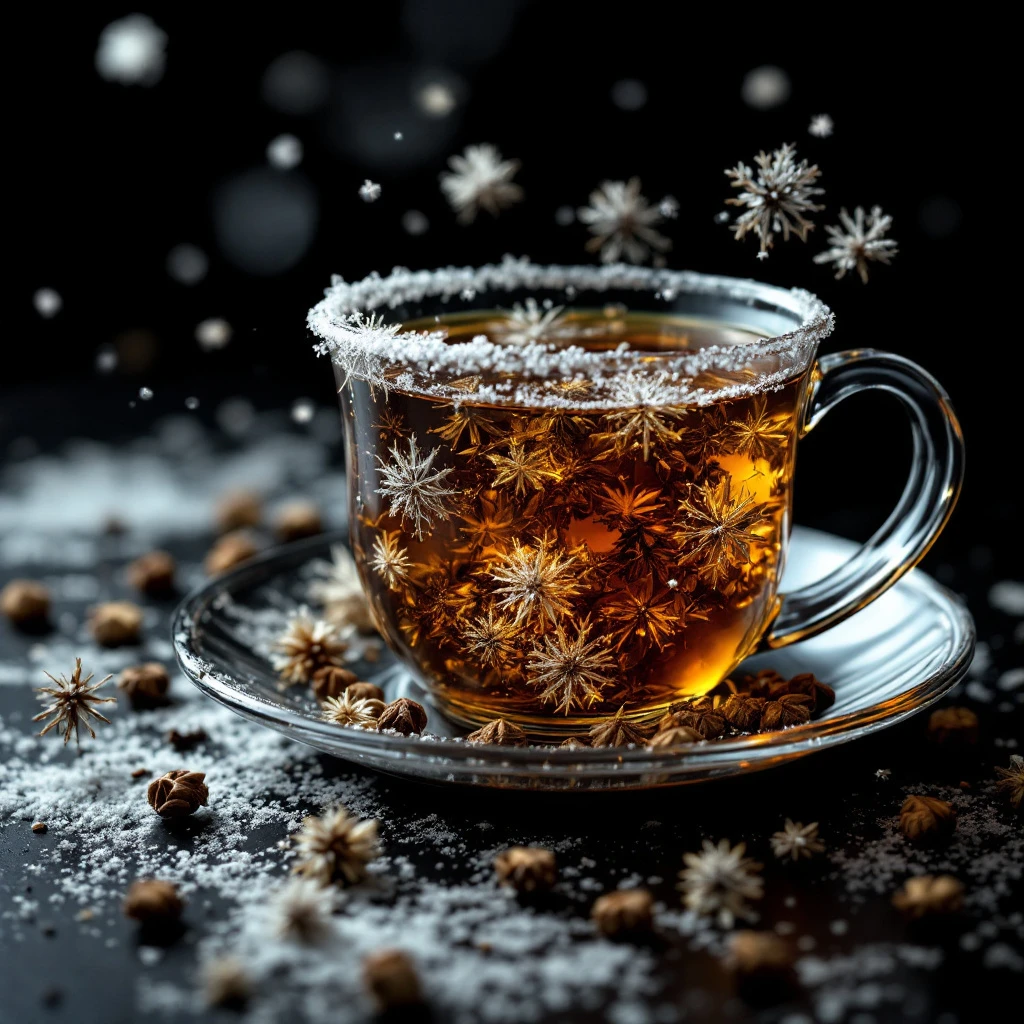
Winter Tea captures the meditative warmth of a cup held close on a cold day. The note blends smoky, slightly bitter leaves with a quiet sweetness that lingers. Cold-weather harvesting deepens the character, giving this material a stillness that contrasts with brighter tea accords.
Character
How it smells
Warmth distilled from cold-weather calm.
Japanese kukicha, or winter tea, traditionally uses only stems and stalks rather than leaves, creating a milder, slightly nutty profile prized in meditation practices.
Pairs beautifully with

Origin
China
Tea culture in China stretches back millennia, with the first documented use appearing around 2737 BCE according to legend. Ancient Chinese physicians noted that winter-harvested leaves produced different therapeutic effects than summer leaves, and Buddhist monks began specifically collecting cold-season tea for meditation practices. Japanese tea ceremony traditions further developed the concept of seasonal tea, with winter preparations emphasizing quiet contemplation and physical warmth.
European traders encountered these traditions in the 17th century through Dutch East India Company routes, though winter tea remained a niche interest until perfumers began experimenting with tea accords in the late 20th century. The concept of seasonal harvesting influenced how fragrance houses approached tea as a year-round ingredient rather than a one-note novelty. Today, winter-harvested teas from China's Yunnan province and Japan's Shizuoka region supply the niche market for authentic cold-season tea extracts used in fine fragrances.
The practice of seasonal harvesting continues to shape how perfumers incorporate tea across fragrance families, grounding modern compositions in ancient agricultural wisdom.
Wears it best
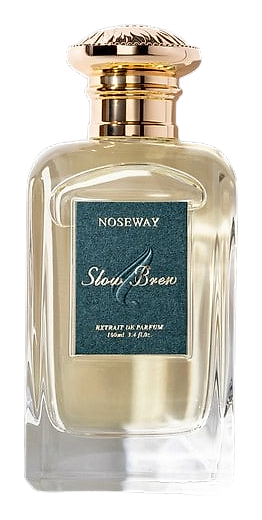
Fragrances featuring Winter Tea
Brands
Brands known for Winter Tea
Good to know
Questions, answered
The essentials on Winter Tea in perfumery: how it smells, where it comes from, and how it behaves on skin.
What does Winter Tea smell like in perfume?
Winter Tea typically presents as smoky, slightly bitter, and quietly sweet with a lingering warmth. The cold-weather harvest concentrates earthy compounds that give this note its distinctive stillness. It differs from fresh green tea by carrying deeper, almost meditative qualities rather than bright vegetal freshness.
How does winter harvest affect tea's scent profile?
Slow growth during cold months concentrates sugars and amino acids in tea leaves, deepening their complexity. Frost-touched leaves develop more nuanced aroma compounds than spring-harvested counterparts. Perfumers prize these leaves for their richer, more contemplative character that pairs well with woody and amber base notes.
Is Winter Tea a natural or synthetic fragrance ingredient?
Both natural and synthetic options exist. Natural Winter Tea comes from Camellia sinensis leaves harvested in late autumn through winter, processed via steam distillation. Synthetic versions reproduce key aroma molecules like linalool and geraniol found in tea. Natural extracts typically command higher prices due to seasonal harvest limitations.
What fragrance families pair well with Winter Tea?
Winter Tea works as a bridging note between fresh and warm fragrance families. It pairs naturally with woody accords like sandalwood and cedar, oriental ingredients such as amber and vanilla, and green notes like violet leaf. The note performs particularly well in fall and winter fragrance collections where contemplative warmth suits the season.
What distinguishes Winter Tea from regular green tea notes?
Green tea notes usually emphasize bright, vegetal freshness with grassy or aquatic qualities. Winter Tea shifts toward earthy, smoky, and slightly bitter characteristics. The cold harvest fundamentally changes the leaf chemistry, creating a calmer, more introspective aroma that reads as warmer despite its bitter edge.
Which tea varieties work best for winter harvest?
Black teas and post-fermented varieties like pu-erh develop the most pronounced winter character. Gyokuro and kukicha also offer strong winter profiles, with kukicha specifically using stems rather than leaves for a milder, nutty quality. Chinese and Japanese tea traditions specifically document winter harvesting practices for these varieties.
How do perfumers extract scent from tea leaves?
Steam distillation drives volatile aroma compounds from tea leaves through heated water vapor. Solvent extraction offers an alternative method that preserves heavier molecules, though the resulting absolute differs in character. CO2 extraction has emerged as a modern technique that captures a broader range of tea compounds with minimal heat damage.
Why does Winter Tea often appear in contemplative or minimalist fragrances?
The slower growth and concentrated compounds in winter-harvested tea create a natural stillness in its scent profile. This quieter quality suits minimalist fragrance design where fewer ingredients carry more weight. The note embodies a reflective quality that perfumers often pair with simple, clean compositions or meditative fragrance concepts.