Willow Bark
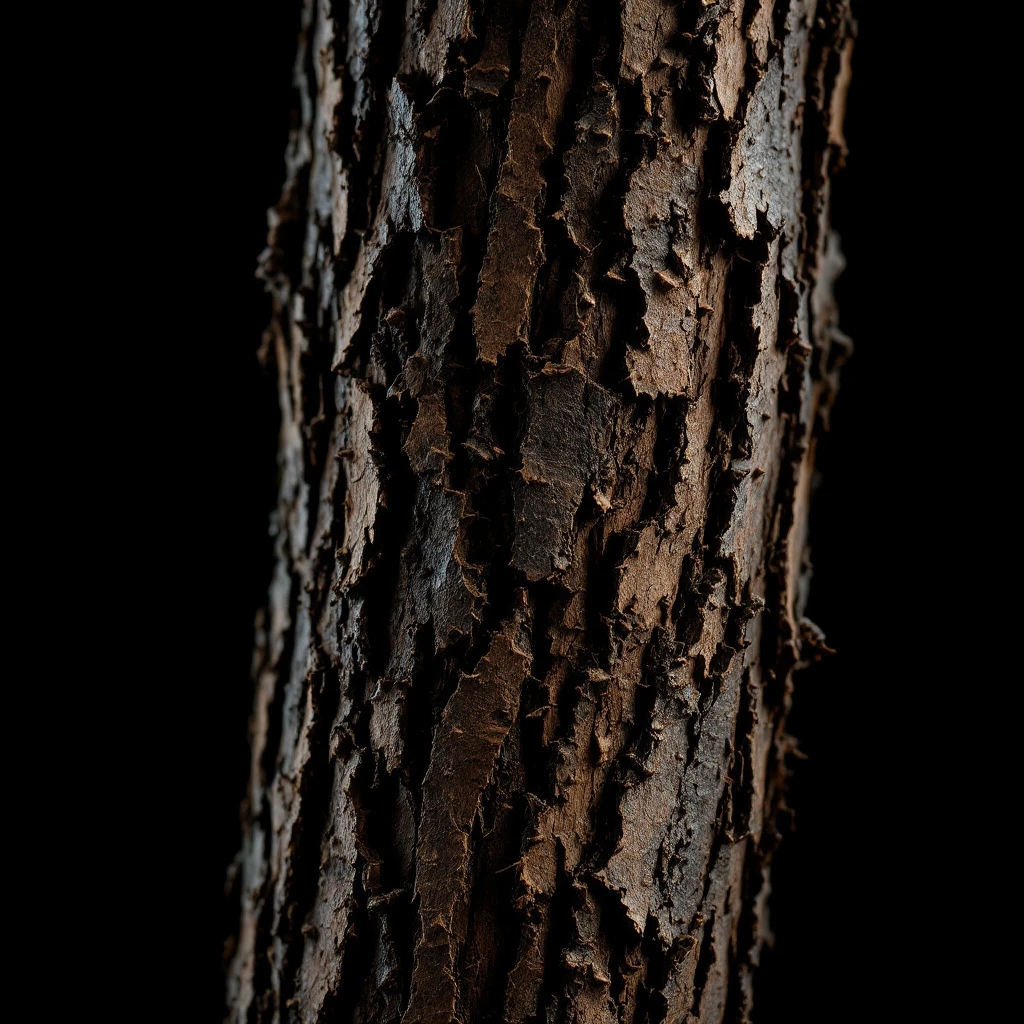
Willow bark carries millennia of healing wisdom into modern perfumery. Extracted from Salix alba, this material delivers a quietly bitter, almost medicinal freshness that grounds green and aquatic compositions with unexpected depth and authenticity.
Character
How it smells
Ancient analgesic. Modern fragrance anchor.
Hippocrates prescribed willow bark tea for pain around 400 BCE. It took until 1897 for Bayer chemist Felix Hoffmann to synthesize its active compound into aspirin.
Pairs beautifully with
Origin
China
Willow bark stands among humanity's oldest medicinal allies. Ancient Egyptians documented its use, as did Sumerian healers and Greek physicians. Hippocrates recorded prescribing willow bark tea for pain and fever around 400 BCE.
Chinese medical traditions similarly embraced willow bark for its cooling properties and ability to address discomfort. This widespread ancient knowledge created a foundation that drew scientific inquiry centuries later. In 1826, Italian researchers isolated salicin from willow bark, and German pharmacologists refined the extraction two years afterward.
The breakthrough came in 1897 when Felix Hoffmann at Bayer synthesized acetylsalicylic acid, creating aspirin from willow's active compound. This historical arc from folk remedy to pharmaceutical milestone establishes willow bark as a material bridging ancient wisdom and modern chemistry, a lineage perfumers increasingly recognize in its raw botanical form.
Wears it best
Fragrances featuring Willow Bark
Brands
Brands known for Willow Bark
Good to know
Questions, answered
The essentials on Willow Bark in perfumery: how it smells, where it comes from, and how it behaves on skin.
What does willow bark smell like in perfume?
Willow bark contributes a quietly bitter, fresh quality with green and slightly medicinal undertones. It rarely appears as a dominant note but works as a grounding element in aquatic, green, and herbal compositions.
Is willow bark the same as salicylic acid used in skincare?
Willow bark contains salicin, salicylic acid's botanical precursor. While skincare uses purified salicylic acid, perfumery employs the whole extract, which retains additional aromatic and polyphenolic compounds beyond the isolated acid.
How long has willow bark been used for medicinal purposes?
Hippocrates documented willow bark tea for pain and fever around 400 BCE, making it one of the oldest continuously referenced medicinal botanicals in Western and Eastern medical traditions.
What is the connection between willow bark and aspirin?
Italian researchers isolated salicin from willow bark in 1826. Felix Hoffmann at Bayer synthesized this compound into acetylsalicylic acid in 1897, creating the modern pharmaceutical aspirin.
Which parts of the willow plant are used for extraction?
Perfumers and cosmetic formulators use dried bark harvested from young branches of Salix alba trees, typically collected during winter or early spring when salicin concentration peaks.
What extraction method produces willow bark extract for fragrance?
Solvent extraction, commonly using ethanol or glycerin, yields the concentrated extract used in fragrance. This method preserves the material's full aromatic profile including bitter, green, and earthy notes.
Which fragrance families most commonly feature willow bark?
Willow bark appears frequently in green, aquatic, and chypre compositions. Its subtle bitterness pairs well with citrus, marine, and herbal accords, adding authentic botanical depth.
Where does commercial willow bark for perfumery originate?
China and Mediterranean regions, particularly France and Italy, supply most commercial willow bark for fragrance use. These areas have established cultivation and harvesting practices suited to quality extract production.




