Wild Orange Blossom
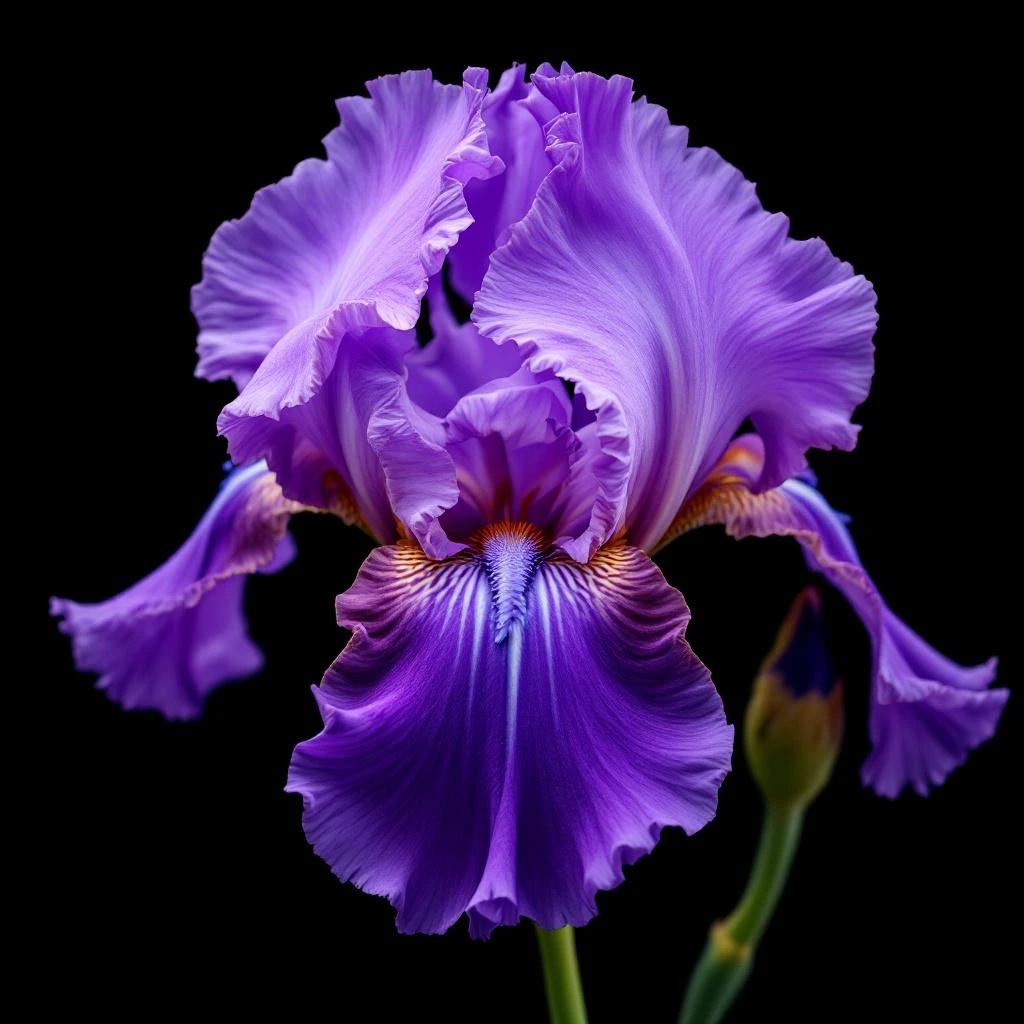
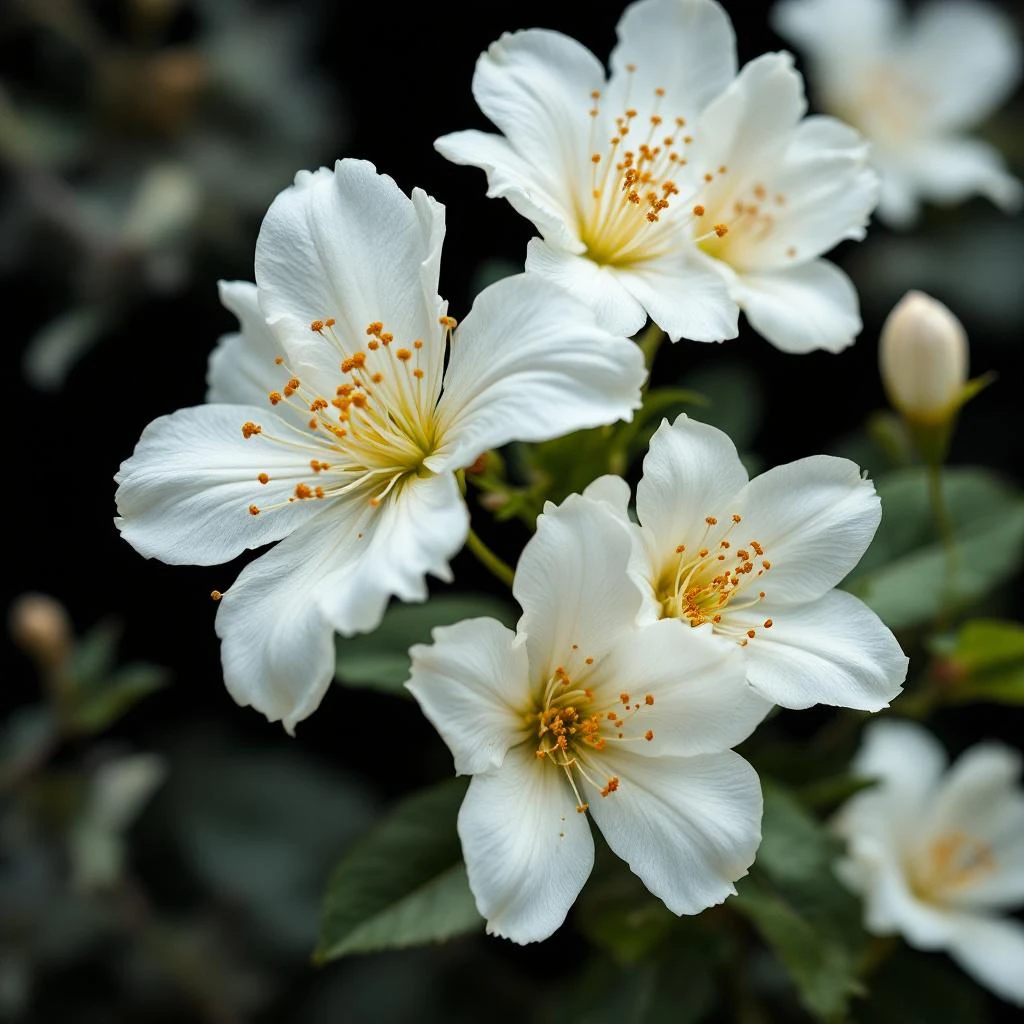
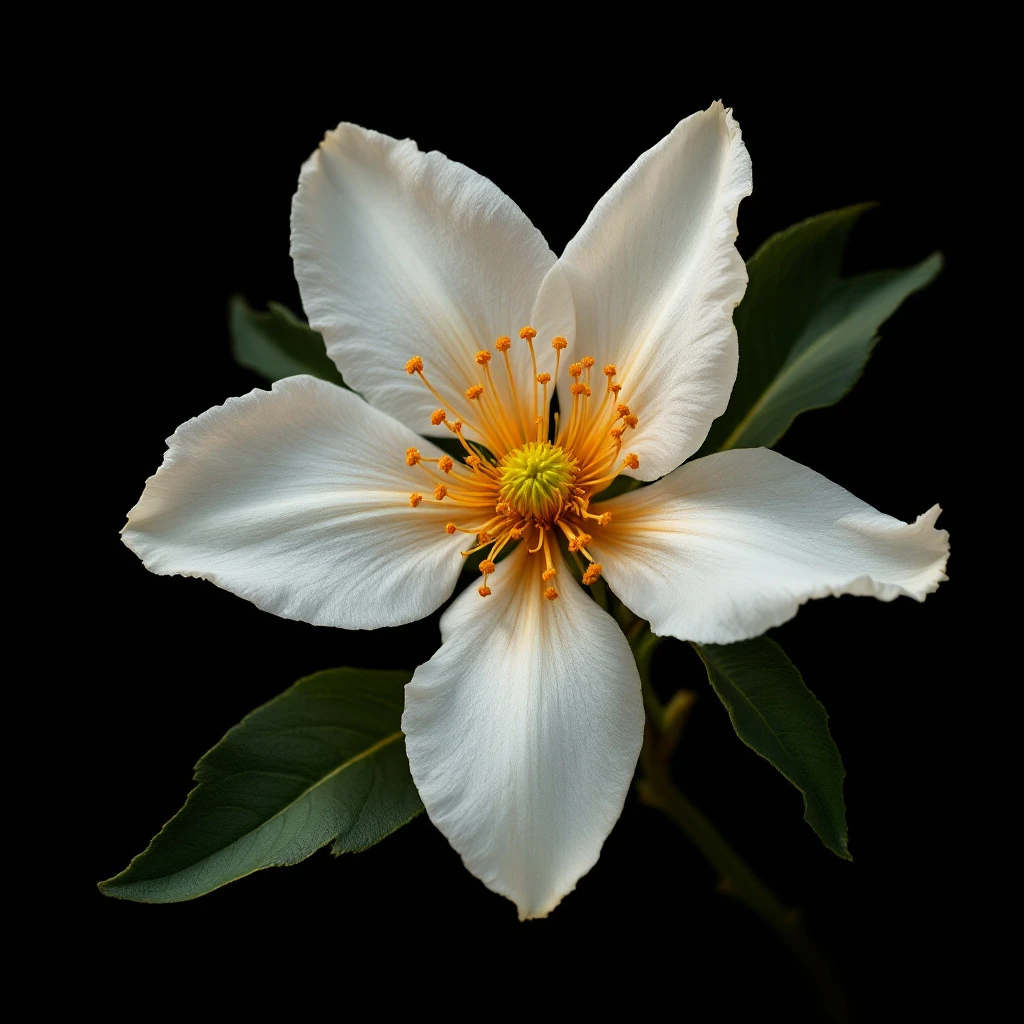
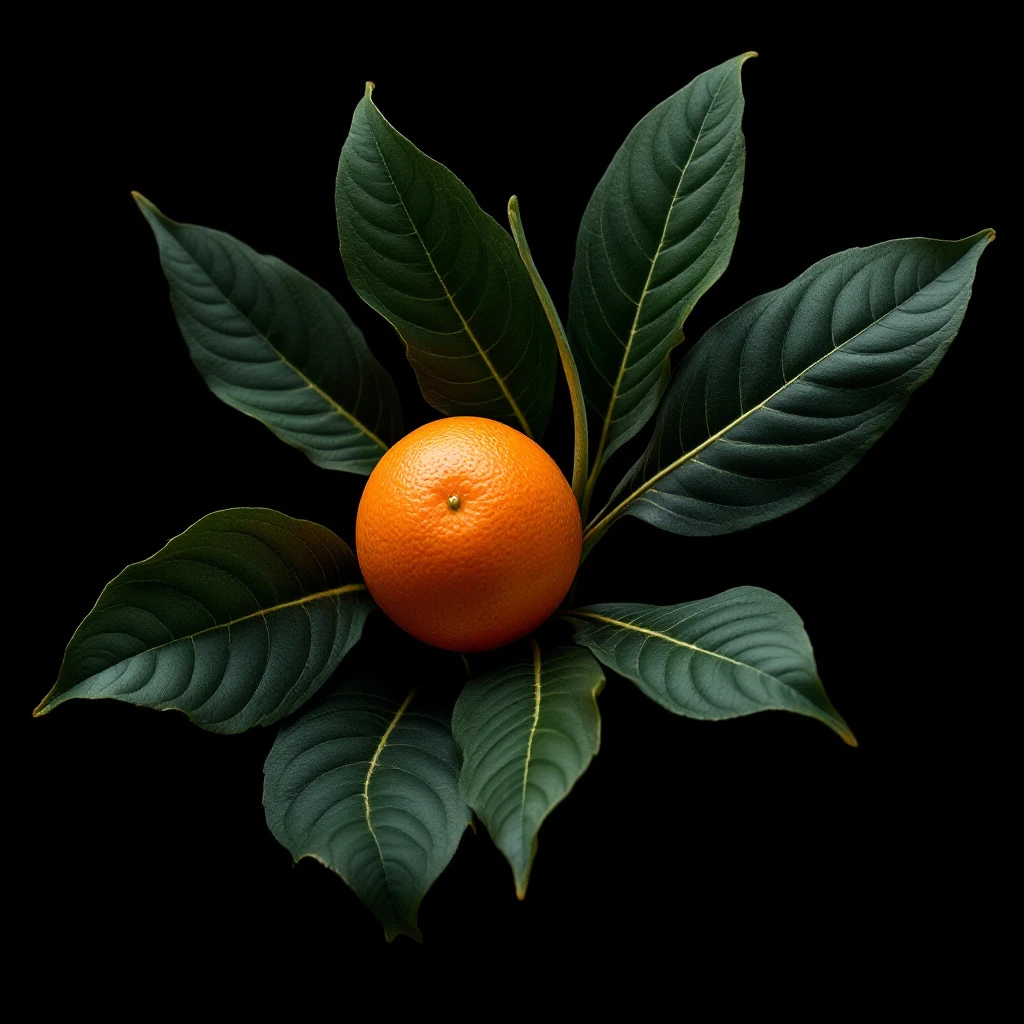
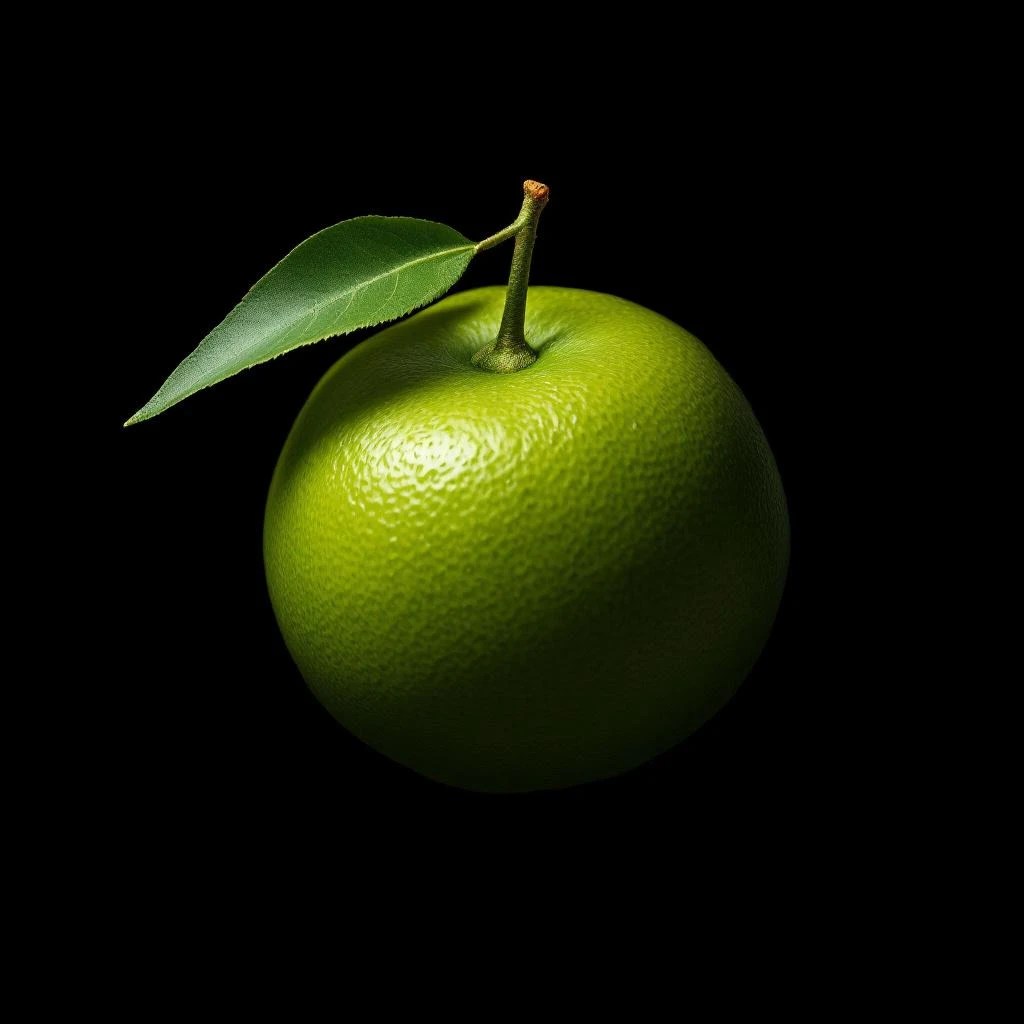
Wild Orange Blossom is the intoxicating white flower of the bitter orange tree, yielding two precious materials: the solar, indolic absolute via solvent extraction and the bright, ethereal neroli through steam distillation. Both capture spring in a bottle. The same flower, two distinct expressions of Mediterranean sunshine.
Character
How it smells
Spring's most romantic bloom, captured.
Orange blossom absolute and neroli oil come from identical flowers yet smell strikingly different due to extraction method alone.
Pairs beautifully with
Origin
Tunisia
The bitter orange tree originated in China and India, where it was valued for its fruit, flowers, and medicinal properties for millennia. Arab traders introduced the tree to the Mediterranean region during the medieval period, and it flourished across North Africa, Spain, and Southern France.
By the early 19th century, French perfumers had established orange blossom cultivation specifically for fragrance production, particularly in Provence. The industry expanded rapidly until production declined roughly fifty years later, shifting eastward to Tunisia and Morocco where growing conditions proved ideal.
Orange blossom carries deep symbolic weight in many cultures: in the Middle East, it represents purity and fertility; in Europe, it became the traditional bridal flower, symbolizing chastity and innocence. This rich heritage lends orange blossom an emotional resonance that perfumers continue to exploit, connecting modern compositions to centuries of romantic and ceremonial tradition.
Wears it best
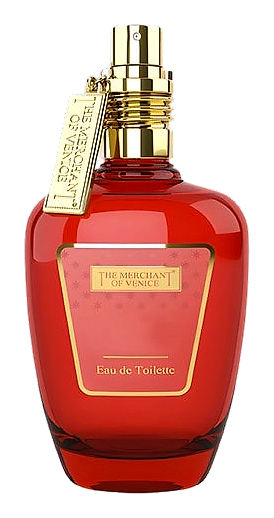
Fragrances featuring Wild Orange Blossom
Brands
Brands known for Wild Orange Blossom
Good to know
Questions, answered
The essentials on Wild Orange Blossom in perfumery: how it smells, where it comes from, and how it behaves on skin.
What is the difference between orange blossom absolute and neroli oil?
They come from the same flower but differ in extraction. Solvent extraction produces orange blossom absolute, which is richer, darker, and more tenacious. Steam distillation yields neroli oil, which is lighter and more volatile. Absolute excels in perfume bases; neroli shines in top notes.
When are orange blossom flowers harvested?
Bitter orange trees bloom in early spring, typically April. Harvesters collect flowers by hand, often before dawn, when aromatic compound concentration peaks. The short harvest window and labor-intensive picking contribute to orange blossom's premium positioning.
Does wild orange blossom differ from cultivated varieties?
Wild bitter orange trees produce flowers with more variable, sometimes more intense aromatic profiles compared to cultivated specimens. The growing conditions, soil, and natural stress factors in wild growth can concentrate aromatic compounds, though both sources yield usable materials for perfumery.
What fragrance families pair well with orange blossom?
Orange blossom absolute harmonizes beautifully with other white florals like jasmine and tuberose. In woody compositions, it grounds sandalwood and cedar. Citrus, neroli, and petitgrain amplify its fresh facets, while vanilla and benzoin add warmth and depth.
What gives orange blossom its characteristic scent profile?
The profile combines indole, a molecule providing animalic, floral depth, with linalool for sweetness and limonene for citrus brightness. Solvent extraction preserves indole content, giving absolute its distinctive rich, slightly narcotic character that distinguishes it from lighter neroli.
Is orange blossom considered safe for skin application?
IFRA guidelines permit orange blossom absolute in leave-on products up to specific concentrations. It requires proper dilution in a carrier substance. Orange blossom hydrosol offers a gentler option for skincare applications with minimal sensitization risk.
Why is Tunisia significant for orange blossom production?
Tunisia's warm, sunny climate and Mediterranean growing conditions produce bitter orange trees with high-yielding, intensely aromatic flowers. Companies like Robertet have established dedicated plantations there, making Tunisia one of the world's primary sources for consistent, quality orange blossom absolute.
What role does orange blossom play in perfumery history?
Orange blossom absolute has been a perfumery cornerstone since the early 19th century when French cultivation began. Its dual extraction products, absolute and neroli, shaped white floral perfumery and influenced the development of modern fragrance materials and techniques across Europe and North Africa.