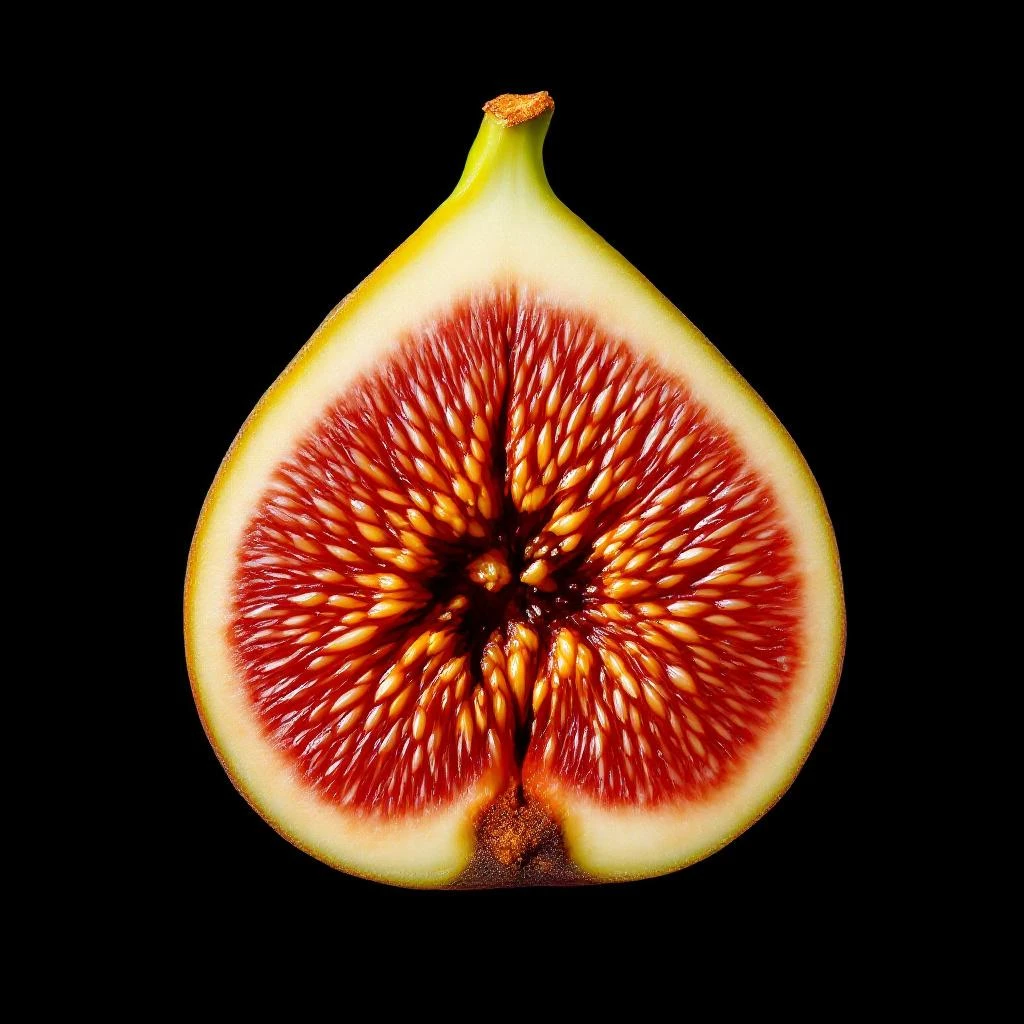
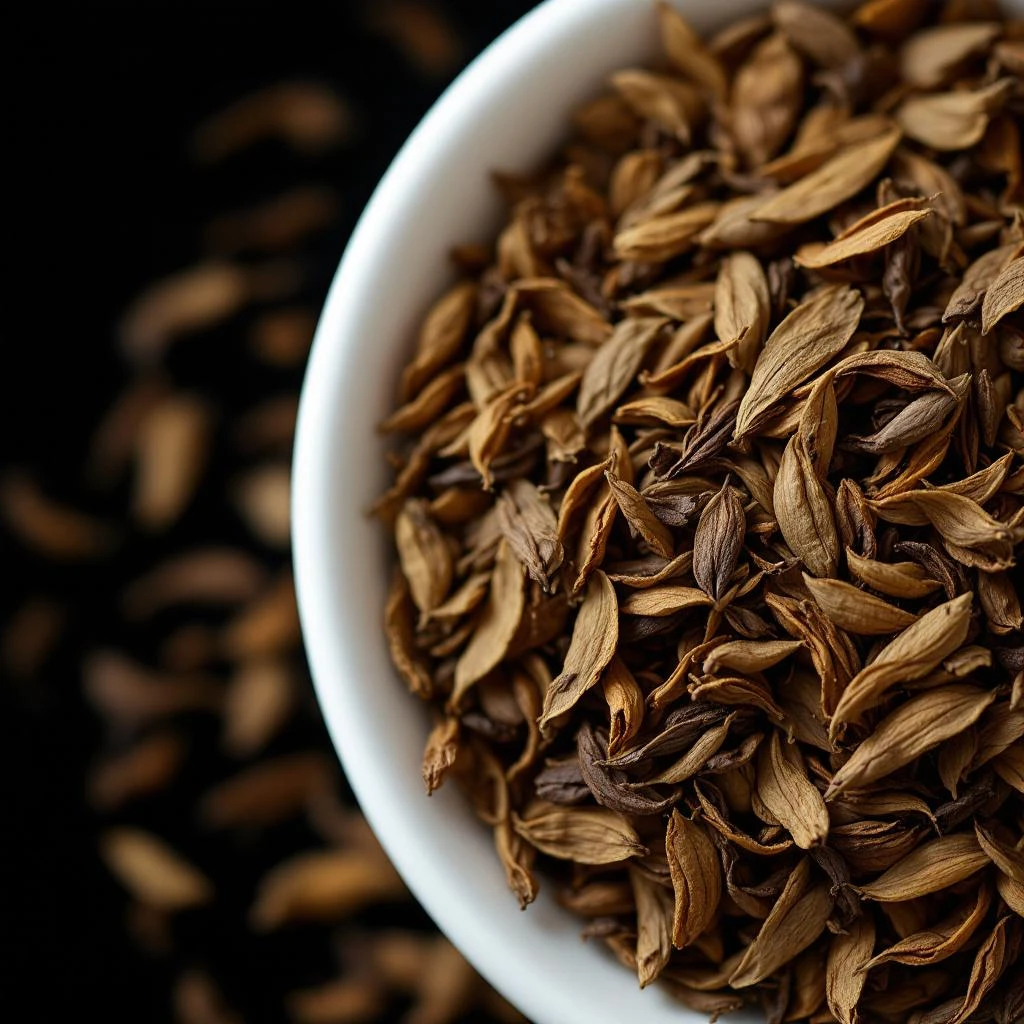
Bitter Orange Leaves
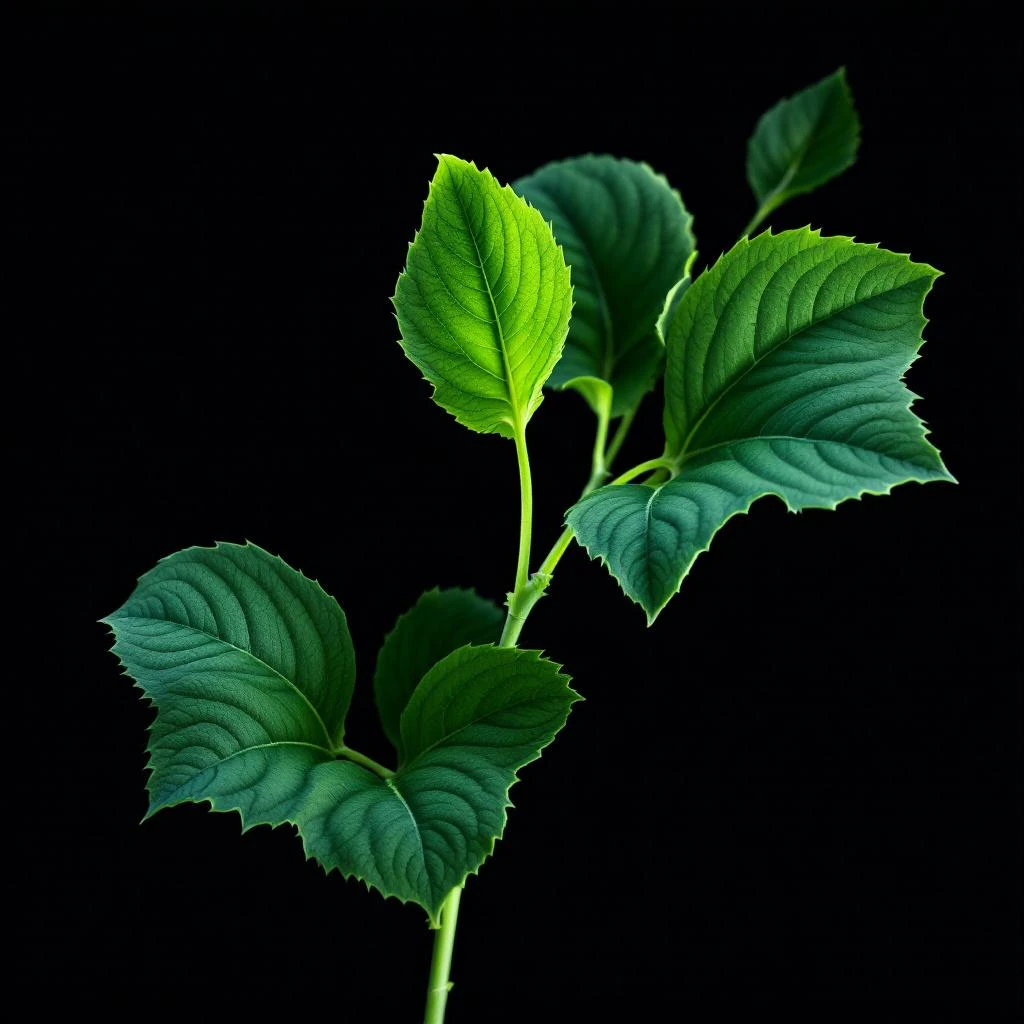
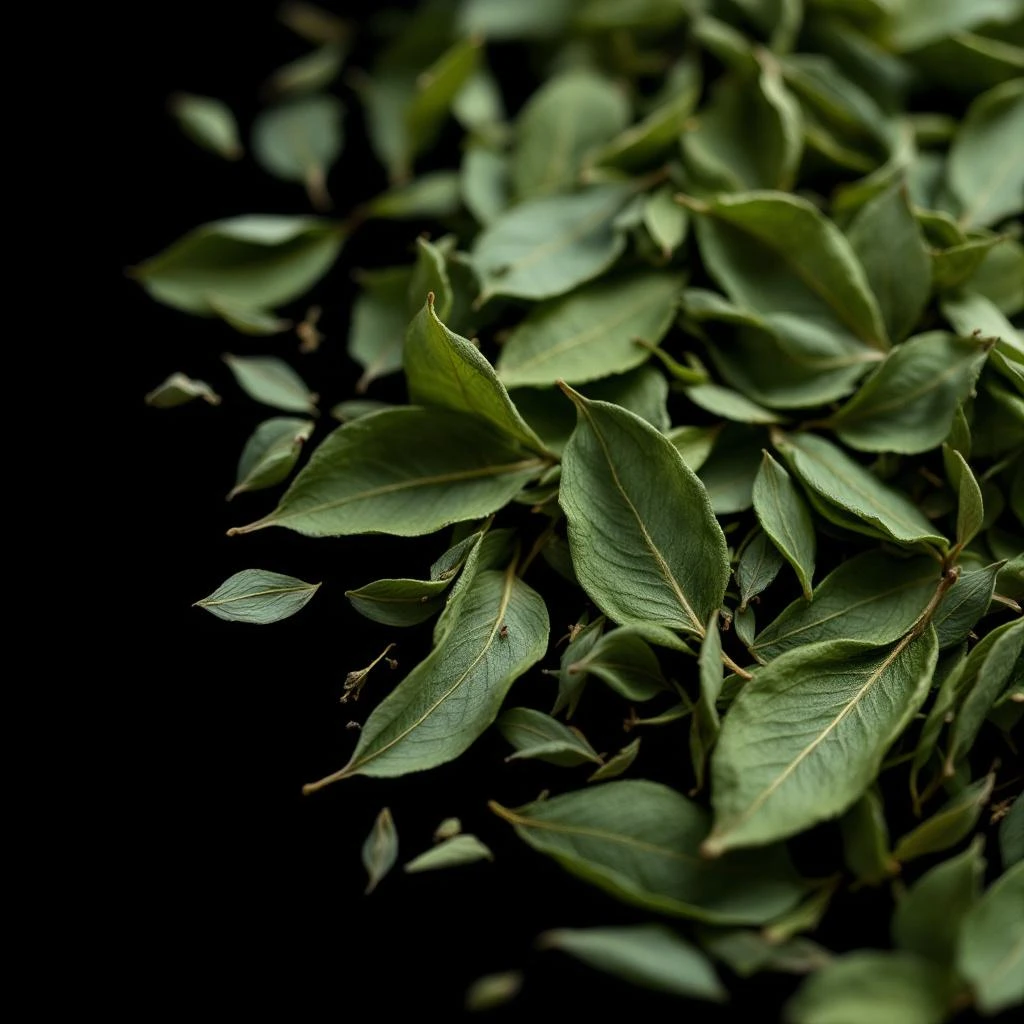
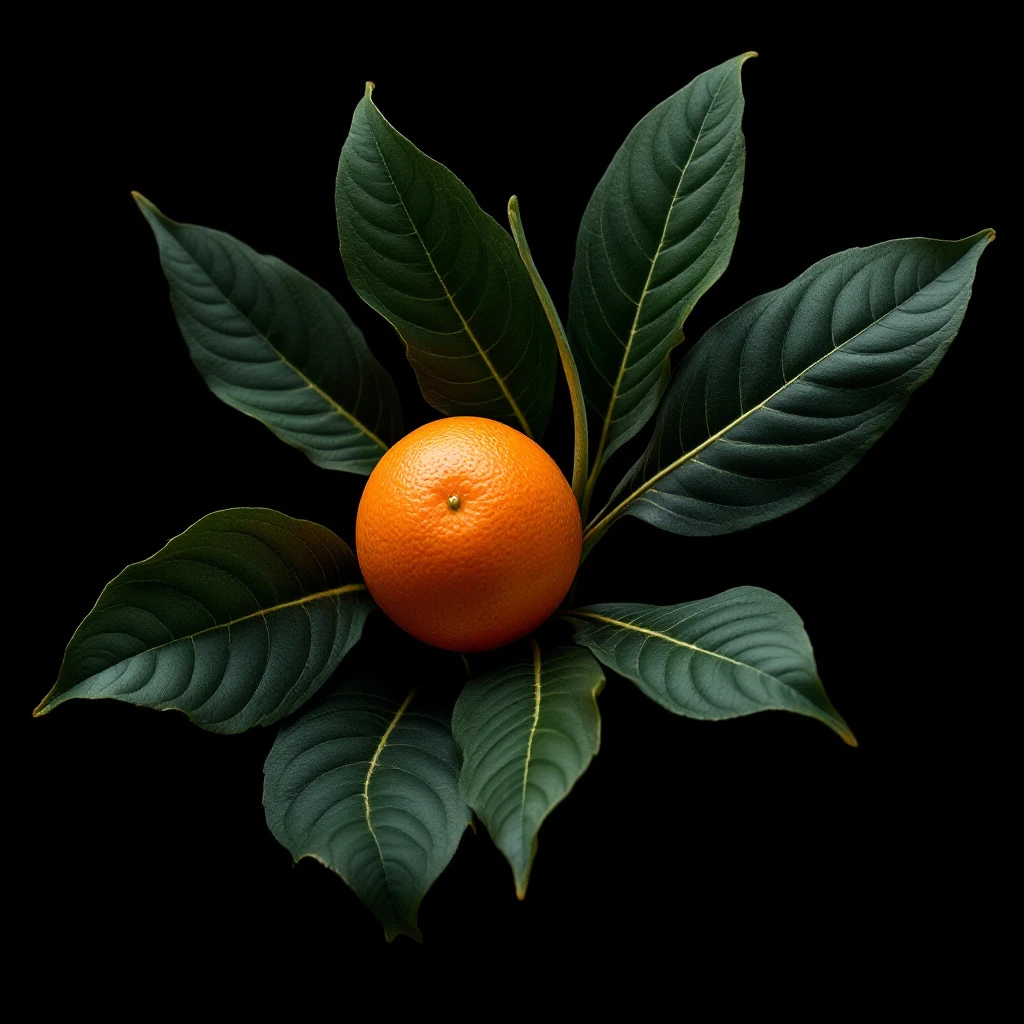
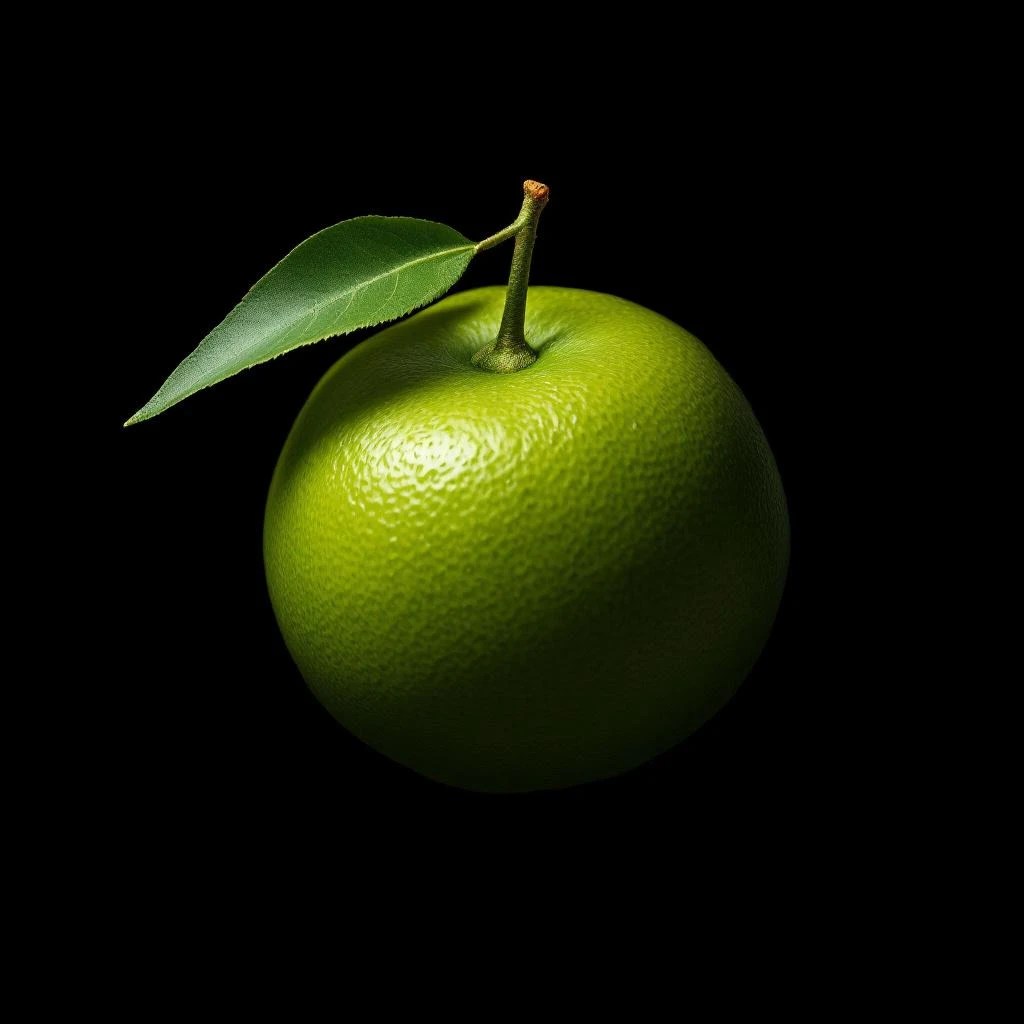
Petitgrain oil captures the green, slightly bitter essence of bitter orange leaves. Steam distilled from Citrus aurantium foliage, this ingredient delivers a bright, woody citrus note that bridges fresh and warm facets in fragrance composition.
Character
How it smells
The leaf that gave petitgrain its name
Bitter orange traveled the Silk Road from China, reaching the Mediterranean via Arab traders in the medieval era.
Pairs beautifully with
Origin
Spain
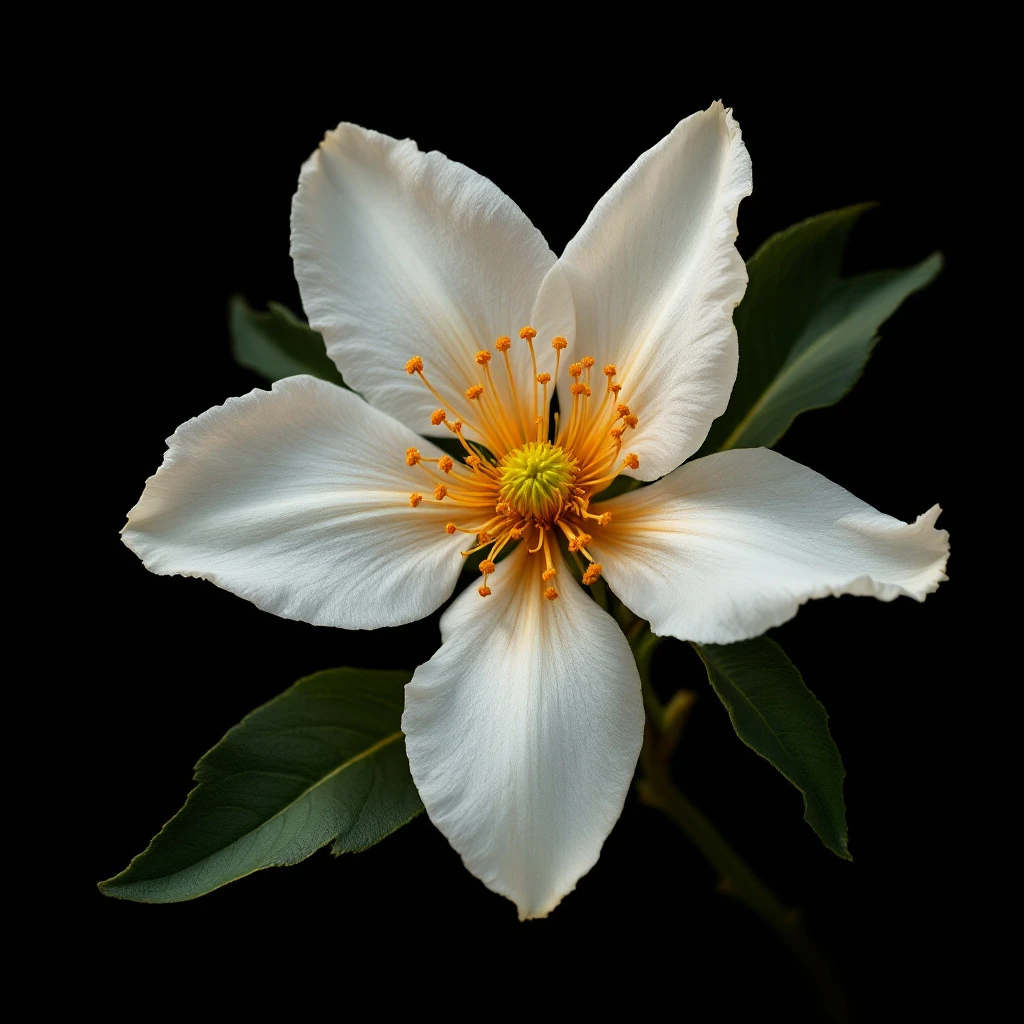
The bitter orange tree, Citrus aurantium, originated in northeastern India or southern China, where it was cultivated for culinary and medicinal purposes for thousands of years. Traders carried it along Silk Road routes into Persia, the Middle East, and North Africa before it reached the Mediterranean basin. Crusaders and Arab merchants are credited with establishing the tree throughout Southern Europe during the medieval period.
Seville, Spain became a centre of cultivation, giving the fruit its alternate name, the Seville orange. The tree's gifts to perfumery proved extraordinary: neroli from blossoms, bitter orange oil from peel, and petitgrain from leaves. French perfumers formalised these distinctions in the 18th century, establishing each material as a distinct aromatic raw material.
Spanish and Portuguese colonisers later carried the tree to the Americas, completing its global distribution. The botanical name aurantium derives from the Latin for gold, a reference to the fruit's vivid colour.
Wears it best
Fragrances featuring Bitter Orange Leaves
Brands
Brands known for Bitter Orange Leaves
Good to know
Questions, answered
The essentials on Bitter Orange Leaves in perfumery: how it smells, where it comes from, and how it behaves on skin.
What are bitter orange leaves in perfumery?
Bitter orange leaves yield petitgrain oil, a citrus fragrance ingredient extracted via steam distillation. The oil carries a green, woody, and bittersweet character distinct from orange blossom or peel extracts. Perfumers use it to introduce freshness with warmth and herbal depth.
What does bitter orange leaf oil smell like?
The scent combines bright citrus with leafy, slightly bitter green notes and a woody base. Linalyl acetate gives it a soft floral quality, while the bitter undertones add complexity. It reads as fresher than orange peel but deeper than neroli.
How is bitter orange leaf oil produced?
Steam distillation of leaves and young twigs from Citrus aurantium produces petitgrain oil. Solvent extraction yields a more concentrated absolute. Paraguay and Haiti are major producers alongside Mediterranean nations.
What is the difference between petitgrain and neroli?
Petitgrain comes from leaves and twigs; neroli comes from blossoms. Petitgrain is greener and woodier; neroli is floral and radiant. Both derive from the bitter orange tree but contribute very different aromatic characters.
Why is it called bitter orange and not sweet orange?
The fruit of Citrus aurantium has a bitter, sour taste unsuitable for eating fresh, unlike the sweet orange. The tree was valued historically for its flowers and peel rather than its fruit, earning the name bitter or Seville orange.
Where does bitter orange leaf material originate?
The Mediterranean basin, particularly Spain, Italy, and France, supplies premium bitter orange leaf material. Paraguay and Haiti also produce significant quantities of petitgrain oil for the global fragrance industry.
Is bitter orange leaf oil natural or synthetic?
Natural petitgrain oil comes from steam distilling bitter orange leaves and twigs. Synthetic replicates exist but lack the subtle complexity of the natural material, which contains dozens of trace constituents beyond its primary aroma compounds.
Do bitter orange leaves contribute more than the blossoms?
Each part of the tree contributes something distinct. Leaves provide green, woody citrus; blossoms deliver radiant floral neroli; fruit peel offers sweet, tart orange oil. No single part dominates; perfumers combine all three for complete bitter orange character.