Turkish pistachio
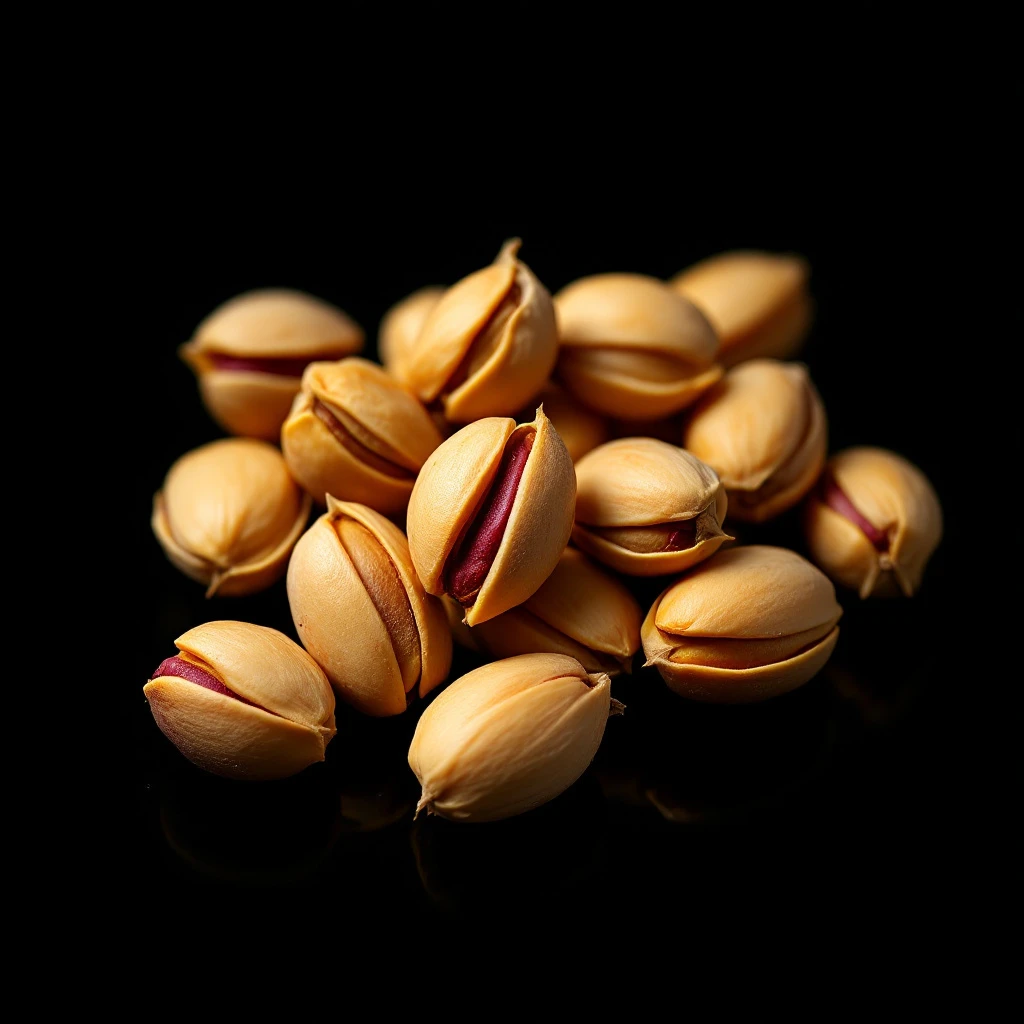
Turkish pistachio brings a rich, buttery warmth to fine fragrance. Known for its soft, edible character and creamy depth, this ingredient captures the essence of the iconic Antep nut, transforming it into a scent that feels both contemporary and deeply rooted in ancient tradition. A rising star in modern perfumery.
Character
How it smells
Warm, buttery and irresistibly creamy
The pistachios grown in Gaziantep, Turkey are so prized the EU grants them Legal Geographical Indication, protecting the name "Antep fistigi".





Origin
Turkey
The pistachio tree is native to regions of Anatolia, Iran, and the broader Middle East, where it has grown wild for millennia. Archaeological evidence shows pistachios served as a food source across ancient Mesopotamia, Persia, and the Levant, carried along the same trade corridors that later distributed perfume knowledge. Turkey remains one of the world's premier pistachio producers, with Gaziantep in particular earning a reputation for exceptional quality.
Pistacia vera cultivation in this region shaped local culinary identity long before perfumers took notice. Historical records show scented oils and fat-based preparations were commonplace across the Ottoman Empire, predating Western Europe's adoption of fragrant living spaces by centuries. Ottoman perfume traditions relied heavily on locally sourced aromatic materials, including nut oils and resinous extracts.
Today pistachio appears as a featured note in premium fragrances as a nod to Turkey's aromatic heritage, bridging ancient Ottoman sensory culture with contemporary scent design.
Wears it best
Fragrances featuring Turkish pistachio
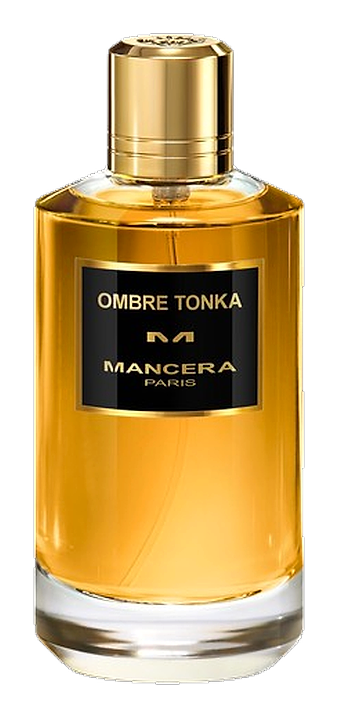
Brands
Brands known for Turkish pistachio
Good to know
Questions, answered
The essentials on Turkish pistachio in perfumery: how it smells, where it comes from, and how it behaves on skin.
Is Turkish pistachio a natural or synthetic ingredient in perfumery?
It can be either. Natural pistachio absolute comes from effleurage of nut kernels, while synthetic alternatives replicate the nutty, buttery profile for consistency and cost efficiency at scale.
What does pistachio smell like in a fragrance?
Pistachio in perfume reads as buttery, nutty, and faintly sweet. It carries a soft, edible warmth with subtle resinous undertones that blend well with gourmand and oriental compositions.
Which fragrance families most commonly feature pistachio?
Gourmand and oriental fragrances use pistachio most frequently. It pairs naturally with tonka bean, heliotrope, sandalwood, and ambery notes to build warm, edible dry-downs.
Why is Gaziantep pistachio specifically valued?
Gaziantep produces the Antep pistachio, a variety celebrated for its intensely concentrated flavor and aroma. The EU grants it Legal Geographical Indication, making it one of the most strictly regulated nut origins in the world.
Does pistachio have fixative properties in perfume?
Pistachio absolute carries moderate fixative qualities due to its lipid-soluble compounds. It works well alongside heavier base materials to round out and anchor a fragrance's dry-down phase.
What extraction method produces the best pistachio absolute?
Effleurage using vegetable fat produces the most aromatic pistachio absolute. Solvent extraction serves as a practical alternative in modern production, yielding a comparable nutty, creamy material.
Can pistachio note work in light, fresh fragrances?
Yes, when used in moderation. A small percentage of pistachio absolute adds warmth and depth to citrus or green compositions without overwhelming the top notes.
Is pistachio allergen labeling required for perfumes?
In the EU, products containing pistachio-derived materials must list related allergens under IFRA regulations. This applies whether the source is natural or synthetic equivalent.