Treemoss
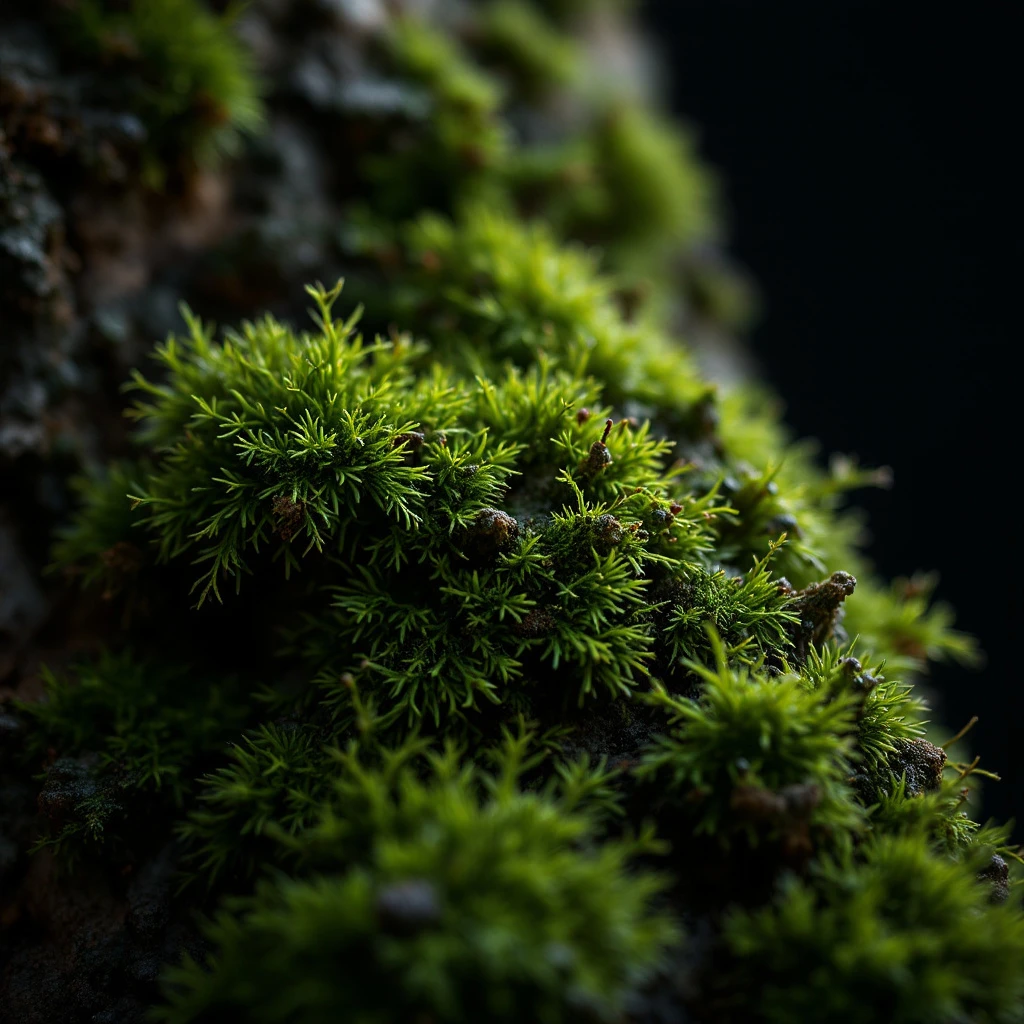
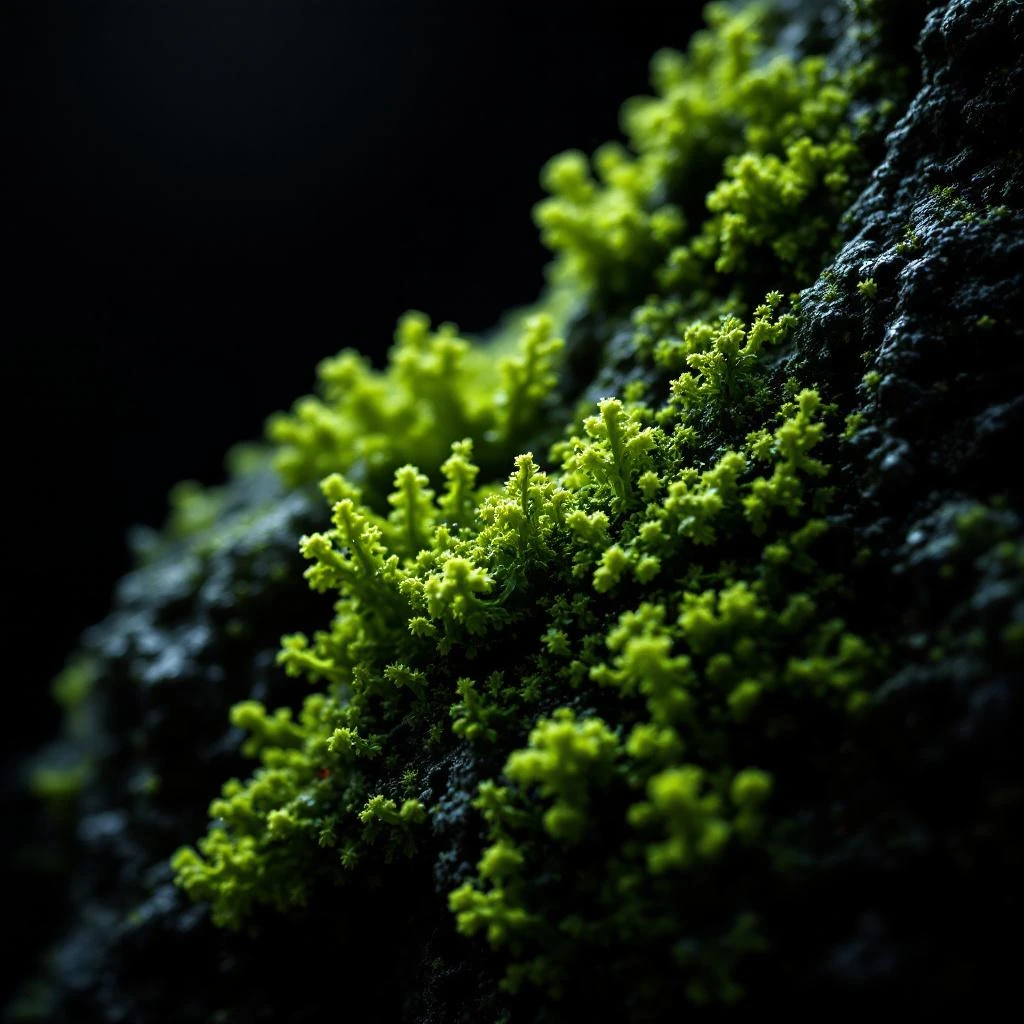
Treemoss absolute captures the living scent of forest air—earthy, resinous with an animalic depth that no synthetic has ever truly replicated. Extracted from the lichen Evernia prunastri that drapes itself on spruce bark, this ingredient is the quiet backbone of chypre and fougère families, lending perfumes their evocative sense of place.
Character
How it smells
The living soul of a forest encoded in an absolute.
A single kilogram of treemoss absolute requires processing roughly 100 kilograms of lichen, making it one of perfumery's most concentrated botanical materials.




Origin
France
Lichens have perfumed human spaces since antiquity, though treemoss as a recognized perfumery material emerged in the grande aldehydic revolution of early twentieth-century France. The 1920s and 1930s saw chemists begin isolating and understanding specific aroma compounds from naturally occurring materials, with mosses and lichens gaining particular attention for their ability to create depth and longevity in fragrance compositions.
Chypre accords—a family of fragrances named after the island of Cyprus but codified in France—relied heavily on treemoss alongside bergamot and labdanum to achieve their signature contrast between bright top notes and深沉的苔藓基础. The 1950s and 1960s brought regulatory scrutiny as understanding of natural allergen content developed, prompting reforms toIFRA guidelines in the 2000s that reshaped how perfumers work with this ingredient today.
Wears it best
Fragrances featuring Treemoss
Brands
Brands known for Treemoss
Good to know
Questions, answered
The essentials on Treemoss in perfumery: how it smells, where it comes from, and how it behaves on skin.
What does treemoss smell like?
Treemoss delivers an earthy, forest-floor aroma with resinous and slightly animalic undertones. It recalls damp bark and morning fog in the woods, grounding brighter fragrance materials with a natural depth that synthetic moss accords have never fully replicated. Individual batches vary in intensity based on harvest location and processing.
Why is treemoss important in perfumery?
Treemoss serves as aFixative backbone in chypre and fougère families, lending perfumes their characteristic damp, woody depth. Without mosses, Chanel Pour Monsieur (1955) and Miss Dior (1947) would lack the structural foundation that makes them endure decades. It acts as a bridge between citrus brightness andamber warmth.
Is treemoss regulated due to safety concerns?
Treemoss undergoes strict concentration limits underIFRA guidelines due to natural allergen content (atranol and chloroatranol). Since 2021, commercial perfumery materials must contain less than 0.01% of these compounds. These restrictions have driven reformulation across many classic and contemporary fragrances using treemoss.
What is the difference between treemoss and oakmoss?
Treemoss and oakmoss are common names for the same lichen species (Evernia prunastri), which grows primarily on spruce trees in Europe, though collectors sometimes harvest from oak as well. The names reflect regional traditions rather than botanical distinction. Both produce similar aromatic profiles, though harvest source affects subtle scent variations.
Can treemoss be synthesized?
Partial aroma reconstruction exists through synthetic compounds like isobutyl quinoline andevernyl, but these capture only surface qualities of theoriginal. Full botanical treemoss contains hundreds of trace compounds that interact with skin chemistry in individually unique ways. No current synthesis reproduces the natural material's complete sensory complexity.
Which famous fragrances feature treemoss?
Famous treemoss expressions include Pour Monsieur (Chanel), Aromatics Elixir (Clinique), and Terre d'Hermès (Hermès). Each uses the material differently—Pour Monsieur builds a crisp, dry foundation while Aromatics Elixir presses the moss into animalic intensity. The ingredient appears across定价 tiers from artisanal to designer.
Where does high-quality treemoss originate?
France and the Balkans supply much of the world's perfumery-grade treemoss lichen. French production centers on the Massif Central and Alpine foothills where high altitude spruce forests produce lichen with particularly rich aromatic profiles. Smaller quantities come from Eastern European sources with similar forest ecosystems.
How long does treemoss last in a fragrance composition?
Treemoss serves as aFixative, meaning it slows the evaporation of lighter companion materials while contributing its own scent for eight or more hours on skin. This longevity explains why moss-forward fragrances appear 'heavier' in drydown compared to citrus-或floral-led compositions that fade within several hours.