Laurel Leaves
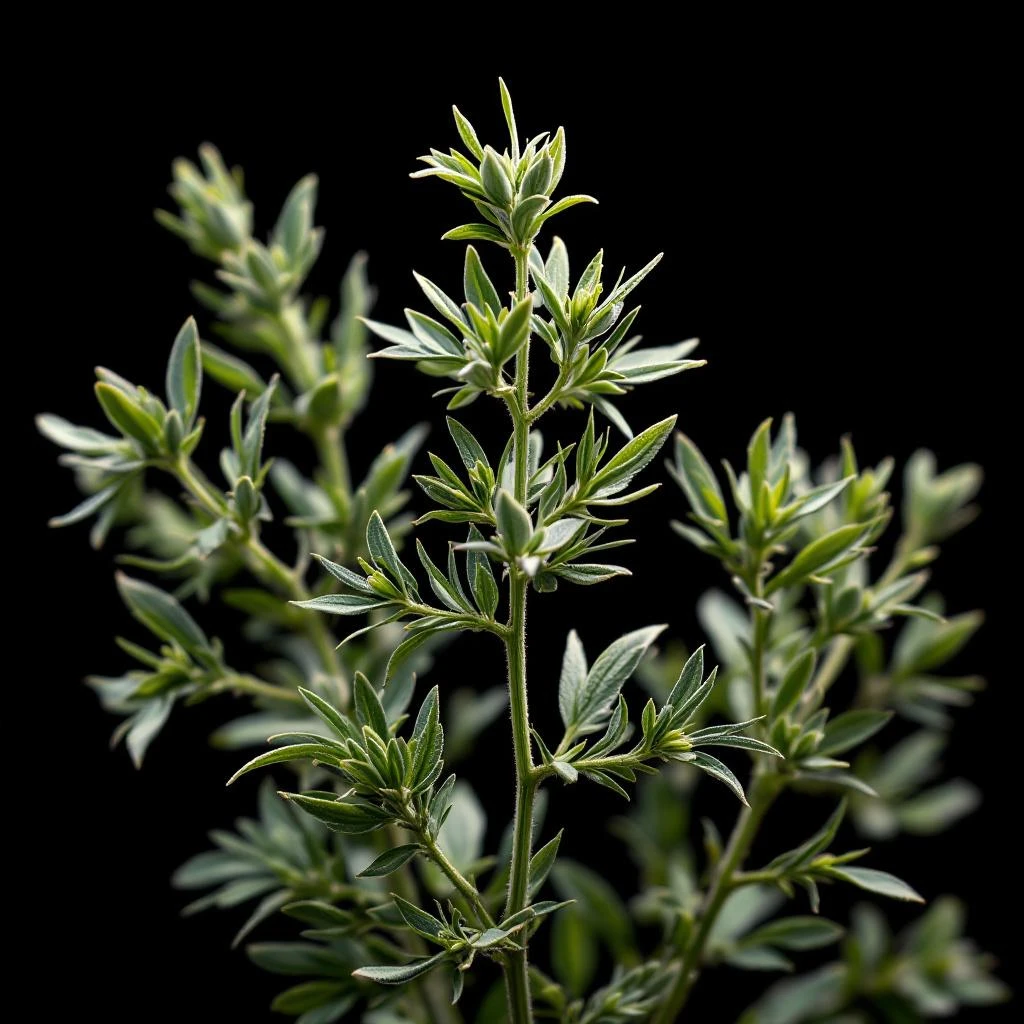
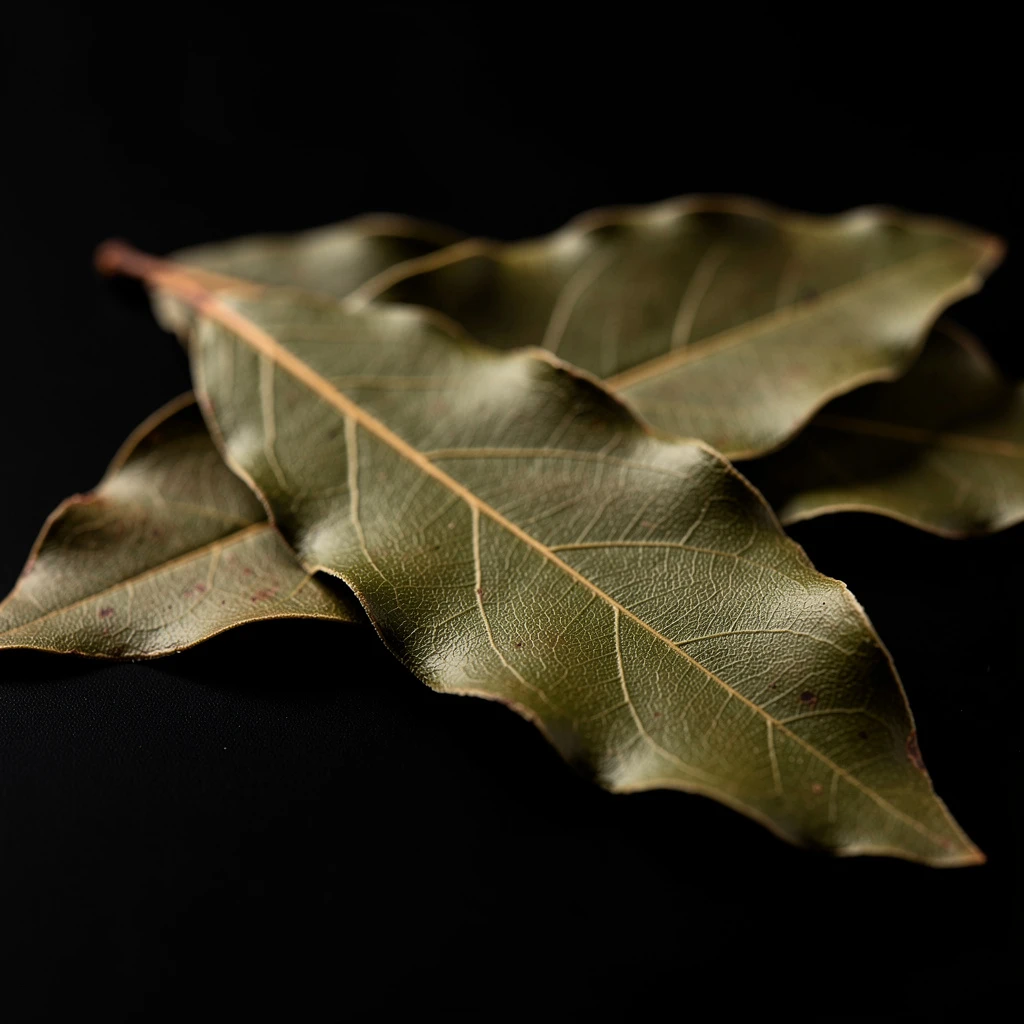
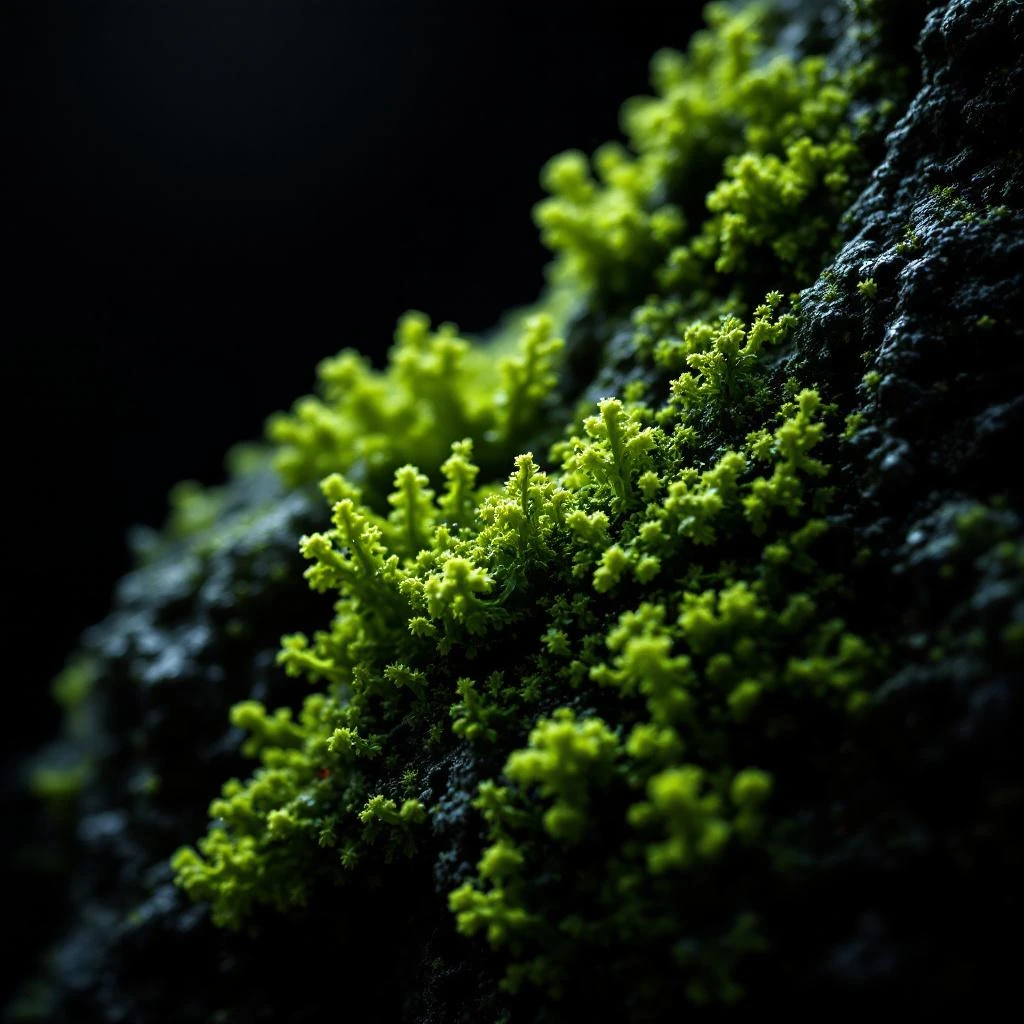
Aromatic, slightly bitter leaf with a clean, fresh profile and subtle fruitiness. Laurel brings quiet authority to fragrances, lending a green, almost medicinal freshness that bridges herbal and woody territory.

Character
How it smells
Green, fresh, quietly commanding.
A single laurel wreath on a Roman general's head honored both military triumph and scholarly achievement — the same leaves crowned poets and warriors alike.



Origin
Turkey
Laurel carries one of the longest olfactory lineages in human culture. Laurus nobilis originated in the Mediterranean basin, with genetic evidence pointing toward South Asia as an early origin before the plant spread westward. In ancient Greece, the laurel tree was sacred to Apollo, and priests burned laurel leaves at Delphi as part of religious ceremonies.
The association with divine authority translated quickly into secular use: Greek athletes, poets, and military commanders received wreaths of laurel leaves at public victories. The Romans inherited this symbolism entirely, adorning triumphant generals with laurel garlands during victory marches and placing laurel branches in the homes of scholars. The botanical name 'nobilis' itself means noble, reflecting centuries of cultural prestige.
Throughout the Ottoman period and into modern times, Turkey became the primary cultivation and export hub for bay laurel, supplying both the spice trade and the growing perfume industry. The use of laurel in perfumery remained modest for centuries, often serving as a supporting note in green and aromatic compositions, but it gained renewed attention in the 20th century as perfumers sought authentic herbal accords beyond synthetic approximations.
Wears it best
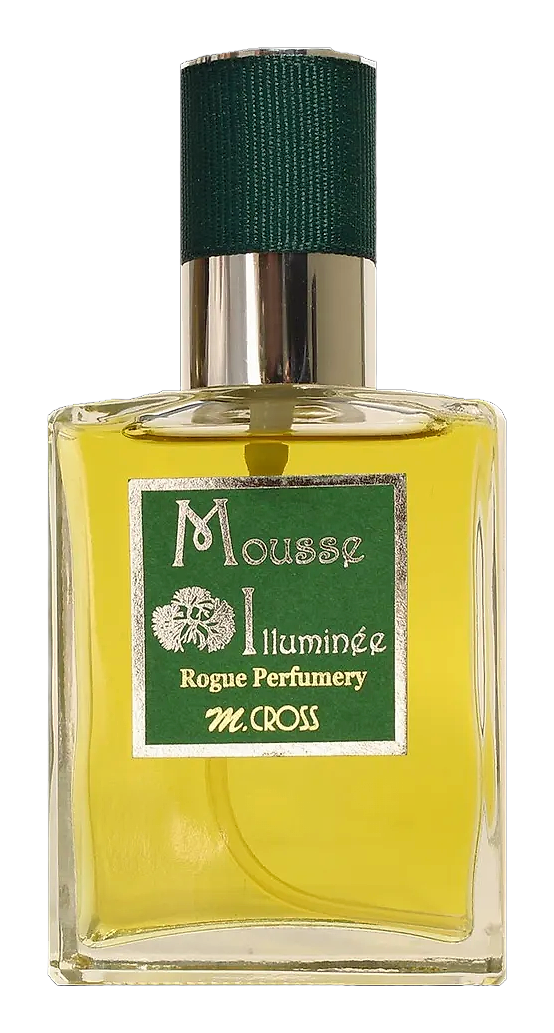
Fragrances featuring Laurel Leaves
Brands
Brands known for Laurel Leaves
Good to know
Questions, answered
The essentials on Laurel Leaves in perfumery: how it smells, where it comes from, and how it behaves on skin.
Is the laurel used in perfumery the same as culinary bay leaves?
Yes. Both culinary and perfumery uses draw from Laurus nobilis. The perfumery material specifically comes from dried leaves, while culinary bay leaves may come from other species. The aroma profile is sharper and more purely aromatic in essential oil form.
How is laurel leaf essential oil extracted?
Steam distillation is the standard method. Dried leaves are exposed to pressurized steam in a closed still, which ruptures oil glands and carries volatile compounds into a cooling system. The oil and hydrosol separate after condensation, with the oil collected for perfumery use.
What does laurel leaf essential oil smell like?
The aroma is clean and fresh with herbal character, a faint fruitiness, and a slightly bitter, almost medicinal edge. Eucalyptol contributes a cool, camphorated quality. It sits between herbal and woody in the fragrance pyramid.
Why is Turkey the primary source of bay laurel for perfumery?
Turkey has centuries of cultivation knowledge, favorable climate, and established distillation infrastructure. It is the world's largest producer and exporter of bay leaves, supplying the spice and essential oil markets simultaneously.
How much oil do laurel leaves yield per kilogram of plant material?
The yield is approximately 0.9 percent by weight, or roughly 9 milliliters of essential oil per kilogram of dried leaves. This relatively low yield makes high-quality laurel oil a concentrated and valued perfumery material.
Is laurel leaf essential oil safe for skin use in fragrances?
Laurel leaf oil contains eucalyptol and other compounds that can cause skin sensitization in some individuals. IFRA guidelines regulate its concentration in consumer products, and it is typically used at low dilution in fine fragrances.
What fragrance families commonly use laurel leaf?
Laurel leaf appears in aromatic, fougere, and green fragrance families. It works well as a supporting note in colognes, herbal chypres, and masculine orientals where a fresh, slightly bitter green nuance is desired.
Can laurel leaf be replaced by synthetic alternatives in perfumery?
Synthetics such as eucalyptol (1,8-cineole) can approximate parts of laurel's profile, but they lack the full complexity of the natural oil, which contains dozens of interacting aromatic compounds that produce a more nuanced, natural impression.