Torreya
Torreya essential oil carries a rare, resinous-woody character that anchors oriental and woody fragrance compositions. Extracted from the seeds of Torreya nucifera, this Japanese conifer delivers warm, balsamic depth rarely found in nature.
Character
How it smells
A rare Japanese conifer with warm, resinous-woody character.
The Japanese nutmeg tree can live for over 1,000 years, with some specimens in sacred groves exceeding that age.
Pairs beautifully with

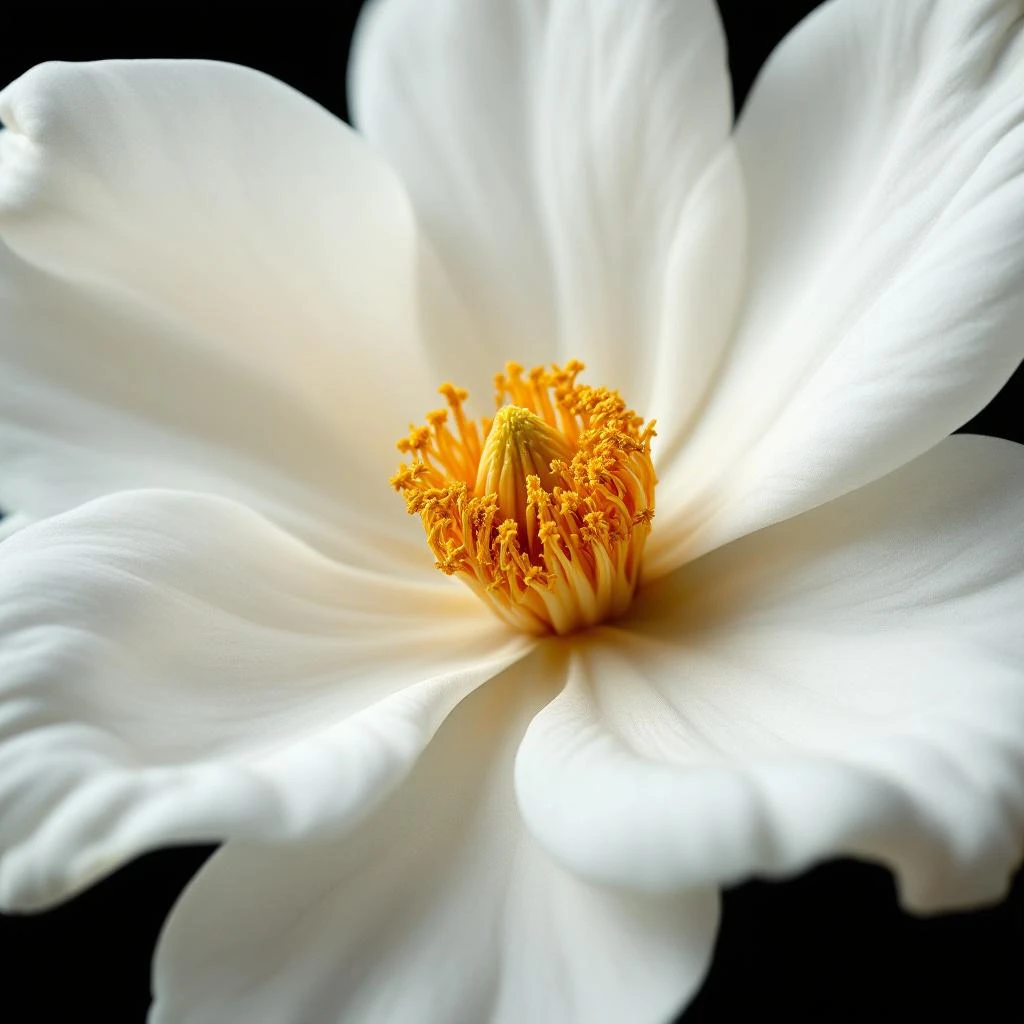
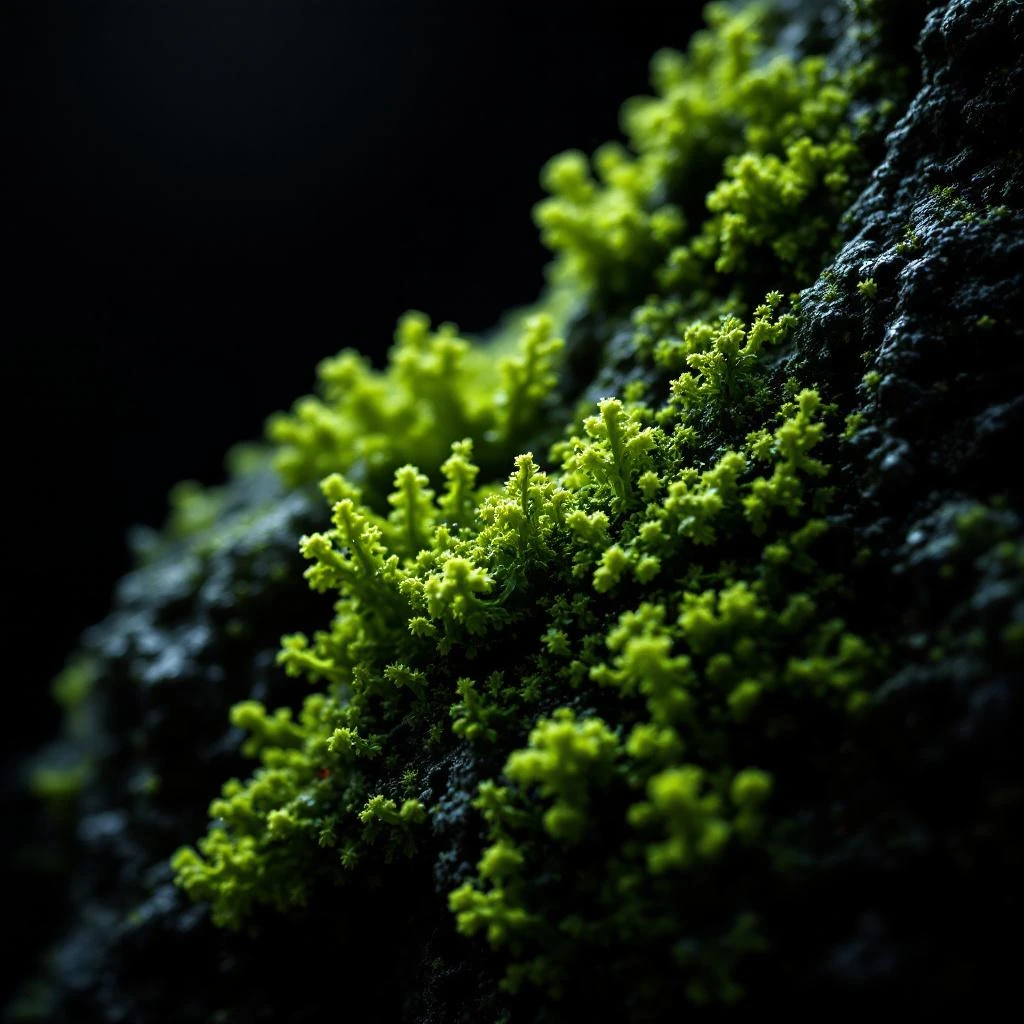
Origin
Japan
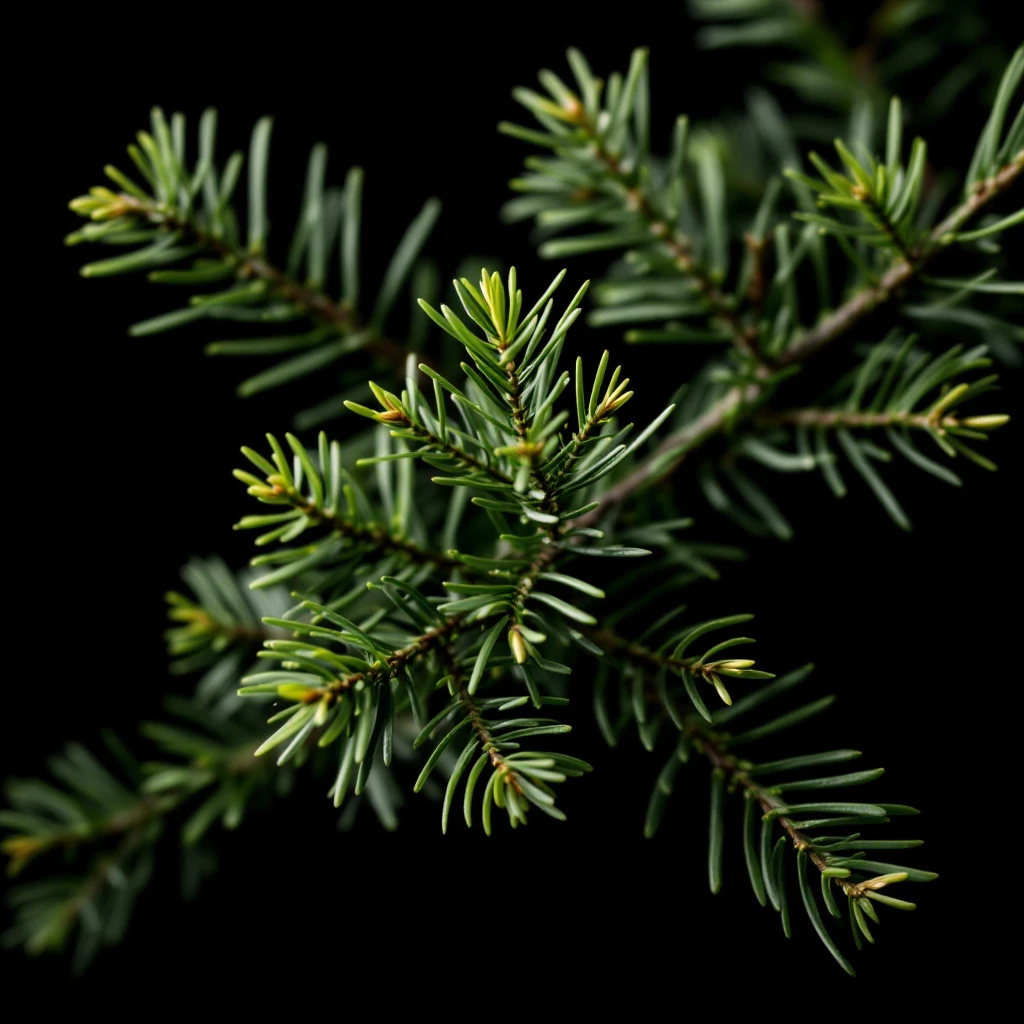
Torreya nucifera, known in Japan as kaya or Japanese nutmeg, holds a special place in traditional Japanese culture. The tree appears in ancient texts and served ceremonial purposes in Shinto traditions.
Woodworkers prized its fine grain for crafting furniture and instruments. The seeds served culinary and medicinal purposes long before perfumers recognized its aromatic potential.
Western perfumery journals first documented torrey oil in the early 20th century, though Japanese artisans likely used the material in incense blends centuries earlier. Today, sustainable cultivation in managed Japanese forests ensures continued availability for fine fragrance.
Wears it best
Fragrances featuring Torreya
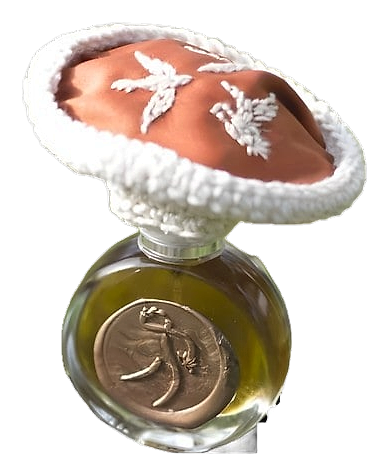
Brands
Brands known for Torreya
Good to know
Questions, answered
The essentials on Torreya in perfumery: how it smells, where it comes from, and how it behaves on skin.
What does Torreya oil smell like?
Torreya oil presents a warm, resinous-woody aroma with balsamic sweetness. It lacks the sharp terpenic quality of common conifer oils, instead offering depth reminiscent of warm incense and subtle spice. Blenders value it for adding grounding complexity to oriental and woody compositions.
Is Torreya a natural or synthetic ingredient?
Torreya is a fully natural ingredient. Perfumers obtain the oil through steam distillation of the seeds from Torreya nucifera trees. No synthetic equivalent replicates its full aromatic profile, making authentic torrey oil prized among natural perfumers.
Where does Torreya originate?
Torreya nucifera grows natively across Japan and southern Korea. The finest material traditionally comes from Japanese sources, particularly specimens grown in mountain regions. Sustainable cultivation now supports supply from managed Japanese forests.
How long has Torreya been used in perfumery?
Documented use in Western perfumery dates to the early 20th century. However, Japanese artisans likely incorporated torrey materials into incense and ceremonial blends for centuries before perfumers recognized its value for fragrance compositions.
What fragrance families use Torreya?
Torreya appears primarily in oriental and woody fragrance families. Perfumers employ it as a base note to add resinous depth and warmth. It pairs naturally with sandalwood, cedarwood, vanilla, and warm spice materials like cardamom and cinnamon.
Is Torreya oil widely available?
Torreya remains a specialty ingredient with limited availability. Yield from seed distillation stays relatively low, and few producers focus on this material. Quality sources exist in Japan, though supply fluctuates based on seasonal harvest conditions.
Does Torreya have any traditional uses beyond fragrance?
Traditional Japanese culture valued Torreya nucifera for multiple purposes. The fine-grained wood served furniture and instrument crafting. Seeds served culinary applications, and various parts appeared in traditional medicine. These uses predate its adoption in perfumery.
How does Torreya compare to other conifer oils?
Torreya differs from common conifer oils like pine or fir by omitting sharp, terpenic top notes. Instead, it offers a softer, warmer resinous character closer to certain incense materials. This gentler profile makes it suitable for用量 orienting blends where harsher conifer notes would disrupt composition balance.