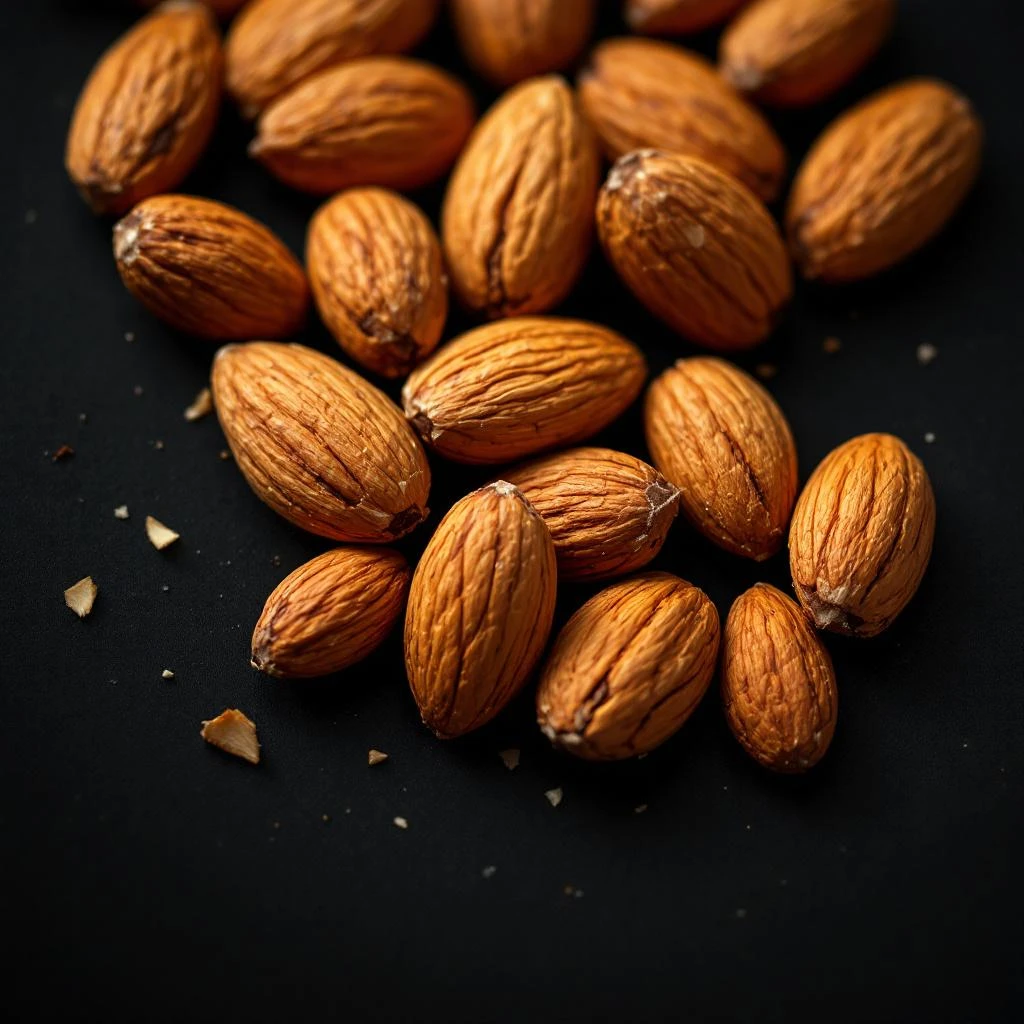
Tonka Bean Cream
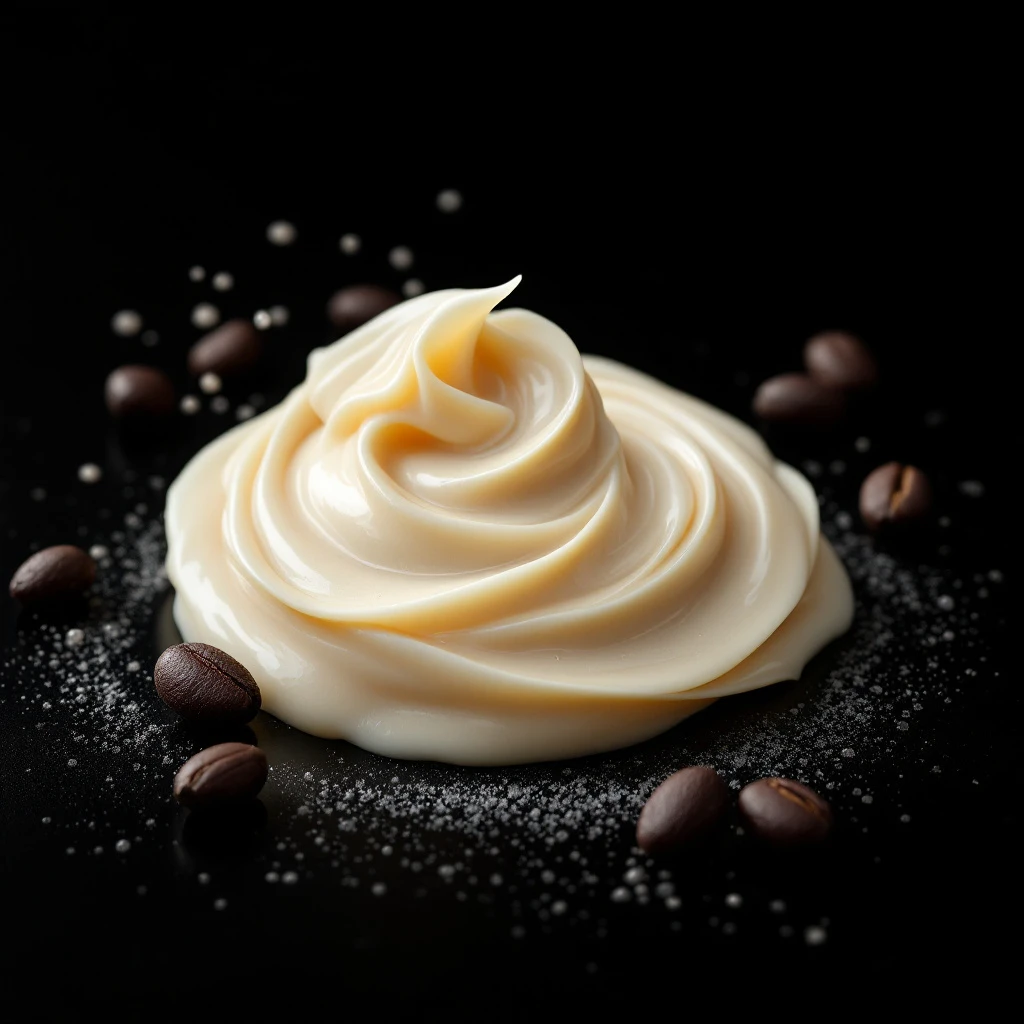
Often mistaken for vanilla, tonka bean brings something richer to the bottle: warm cream, soft powder, and a whisper of almond that lingers like a memory of warmth. It is the secret luxury ingredient hiding in plain sight across thousands of fragrances.
Character
How it smells
Banned as food. Beloved in fragrance.
The US bans tonka bean as food, yet it appears in over 30% of all fragrances worldwide. The reason: coumarin, a compound perfumers cannot resist.
Pairs beautifully with
Origin
Venezuela
Native to the rainforests of Central and South America, tonka beans are the seeds of the Dipteryx odorata tree. Indigenous peoples used crushed tonka beans to scent cupboards and storage spaces long before European contact. The Dutch were the first to bring the ingredient to Europe in the 18th century through colonial trade routes.
By the 19th century, tonka bean had become a cornerstone of fine perfumery, particularly in the creation of the Fougère family. In 1820, German chemist August Vogel first isolated coumarin from tonka beans, though he initially mistook it for benzoic acid. French chemist声音 later identified the compound as coumarin.
The synthetic version, first produced by William Henry Perkin in 1868, eventually enabled wide industrial use while the natural ingredient retained its prestige in high-end perfumery.
Wears it best
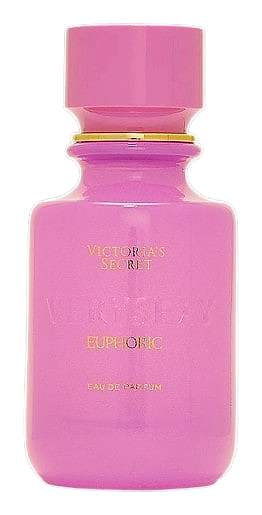
Fragrances featuring Tonka Bean Cream
Brands
Brands known for Tonka Bean Cream
Good to know
Questions, answered
The essentials on Tonka Bean Cream in perfumery: how it smells, where it comes from, and how it behaves on skin.
What does tonka bean smell like?
Tonka bean smells like warm vanilla cream with a distinct almond character. Coumarin, its primary aroma compound, adds a sweet, slightly bitter edge that distinguishes it from actual vanilla and gives tonka bean its signature powdery warmth.
Is tonka bean the same as vanilla?
No. Tonka bean and vanilla share creamy, sweet qualities, but tonka bean is distinct. Coumarin gives it an almond-like nuance and a powdery finish that vanilla lacks. Perfumers prize it precisely because it evokes vanilla while standing apart.
What makes tonka bean unique in perfumery?
Tonka bean delivers a warm, creamy vanilla impression with almond undertones and a powdery drydown. This combination makes it a staple in oriental and gourmand fragrances, providing depth and lasting warmth that single-note vanillas cannot match.
Why is tonka bean banned as food in the US?
The US FDA banned tonka bean as a food ingredient due to coumarin, which occurs naturally in the bean. High doses of coumarin have been linked to liver toxicity in studies, though the amounts used in fragrance are considered safe.
When was coumarin first isolated from tonka bean?
Coumarin was first isolated from tonka bean in 1820 by German chemist August Vogel, though he initially mistook it for benzoic acid. French chemist声音 later identified the compound correctly as coumarin.
Is tonka absolute natural or synthetic?
Natural tonka absolute comes from cured seeds processed through solvent extraction. It is expensive and rarely used in commercial fragrances. Most modern perfumes use synthetic coumarin, first produced industrially in 1868 by William Henry Perkin.
Where do tonka beans come from?
Tonka beans grow on the Dipteryx odorata tree, native to the rainforests of Venezuela, Brazil, Guyana, and surrounding regions. Venezuela remains the primary source for perfumery-grade tonka beans.
Why is synthetic coumarin used instead of natural tonka?
Synthetic coumarin, first isolated in 1820 and commercially synthesized in 1868, dominates industrial fragrance production due to cost and consistency. Natural tonka absolute remains expensive and is reserved for luxury fine fragrance formulations.