Tarte Tatin
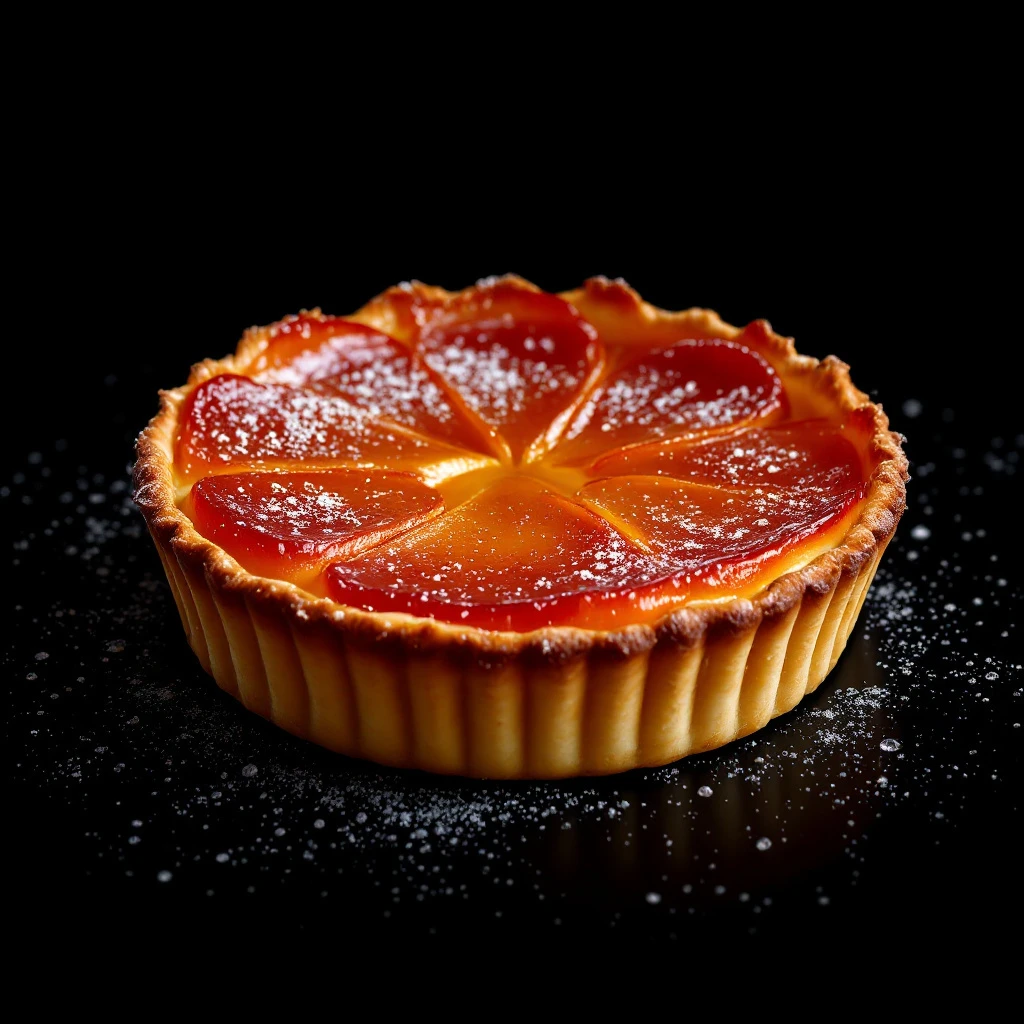
Tarte Tatin captures the warm, buttery essence of caramelized apples baked under golden pastry. This gourmand accord brings dessert-table comfort to perfumery, evoking slow-stewed fruit and burnt sugar in a single breath.
Character
How it smells
Caramelized apples, inverted.
The famous upside-down tart was supposedly created by accident in the 1880s when sisters Stéphanie and Caroline Tatin dropped an apple pie mid-preparation.
Pairs beautifully with

Origin
France
Tarte Tatin takes its name from a classic French upside-down apple tart credited to sisters Stéphanie (Fanny) and Caroline Tatin, who ran the Hôtel Tatin in Lamotte-Beuvron during the late nineteenth century. The most repeated origin story claims one sister dropped or overcooked an apple tart and improvised by placing the pastry on top before baking it inverted.
The dessert gained favor at the sisters' hotel, which opened in 1894, and was later popularized by chef Louis Vaudable of Maxim's after he encountered it around 1914. Food historians still debate the exact circumstances, noting that upside-down fruit tarts existed earlier in the Sologne region.
Regardless of its disputed beginnings, tarte Tatin became a staple of French patisserie, inspiring pastry chefs worldwide to create savory variations with tomatoes, onions, and other vegetables. In contemporary perfumery, the dish's sensory profile, caramelized fruit, butter, and warm pastry, inspired a gourmand accord that translates edible comfort into scent, appearing in fragrances seeking nostalgic, gourmand warmth.
Wears it best
Fragrances featuring Tarte Tatin
Brands
Brands known for Tarte Tatin
Good to know
Questions, answered
The essentials on Tarte Tatin in perfumery: how it smells, where it comes from, and how it behaves on skin.
What does Tarte Tatin smell like in perfumery?
Tarte Tatin accord smells like caramelized apples, buttery pastry, and warm brown sugar. Perfumers layer ethyl maltol and furaneol for burnt sweetness, apple aldehydes for fresh fruit, and vanillin for pastry warmth.
Is Tarte Tatin a natural ingredient?
No. Tarte Tatin in fragrance is a synthetic gourmand accord built from aroma chemicals. Some houses add small amounts of apple distillate or butter CO2 extract, but the caramelized profile relies on reconstructed molecules.
When was Tarte Tatin invented?
Tarte Tatin was created in the 1880s, likely at the Tatin sisters' establishment in Lamotte-Beuvron, France. Their hotel officially opened in 1894 with the dessert already a signature.
Who invented Tarte Tatin?
Stéphanie (Fanny) and Caroline Tatin are credited with creating the dessert. Food historians still debate whether the upside-down method was an accident or borrowed from earlier Sologne recipes.
What type of fragrance family uses Tarte Tatin?
Tarte Tatin belongs to the gourmand fragrance family. It pairs well with vanilla, cinnamon, tonka bean, and warm woody bases in orientals and edible-skin compositions.
Can you extract Tarte Tatin as an essential oil?
No single essential oil captures tarte Tatin. The accord requires combining synthetic aroma chemicals because no natural source provides the full caramelized-apple-and-butter profile.
Are there savory versions of Tarte Tatin?
Yes. Chefs prepare savory tarte Tatin with tomatoes, onions, leeks, or root vegetables, using the same caramelization-and-inversion technique. The concept extends well beyond dessert.
Where did tarte Tatin gain national popularity?
Tarte Tatin reached Parisian fame after chef Louis Vaudable of Maxim's encountered the dish around 1914 and added it to his menu, spreading recognition far beyond Lamotte-Beuvron.




