Tapioca
Tapioca in perfumery captures the soft warmth of cooked starch, lending fragrances a creamy, comforting body. This note evokes the velvety sweetness of pudding and the powdery intimacy of starch-dusted skin.
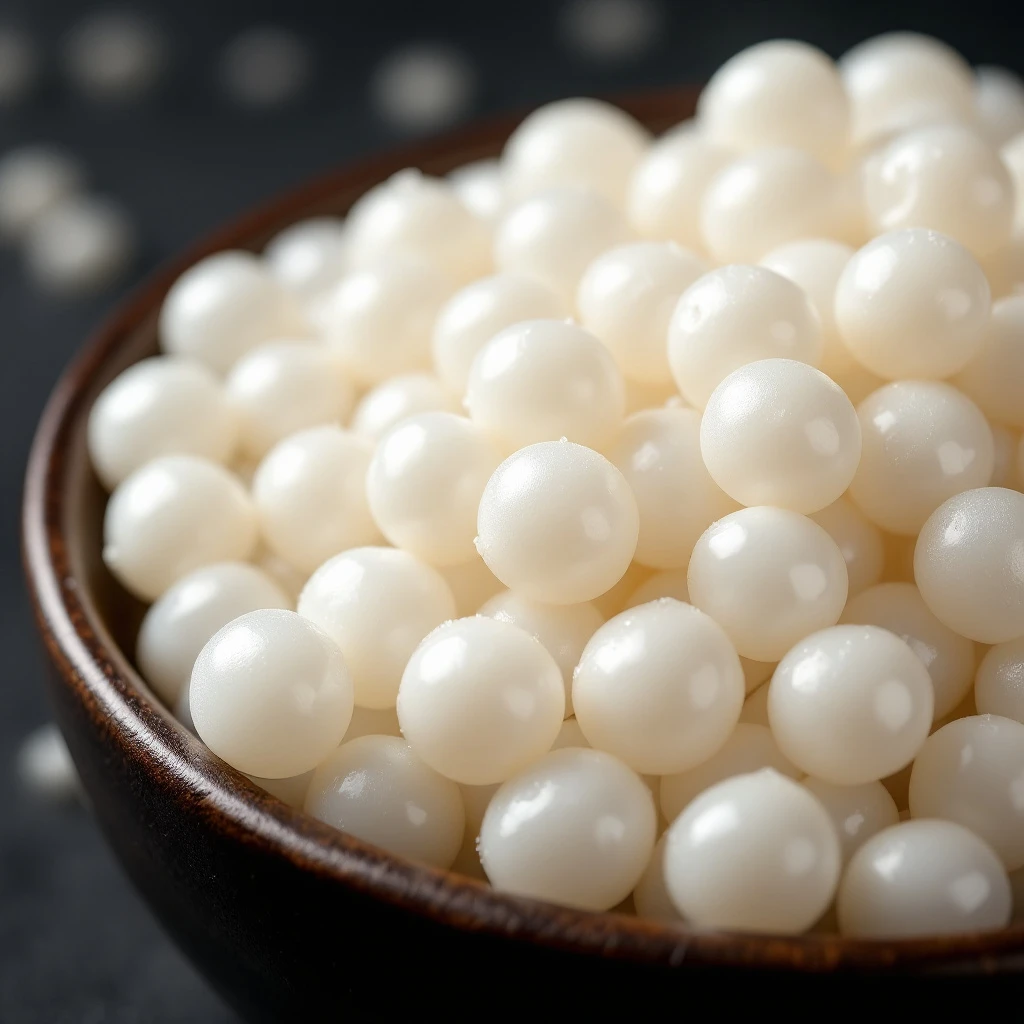
Character
How it smells
The soft warmth of cooked starch in a bottle
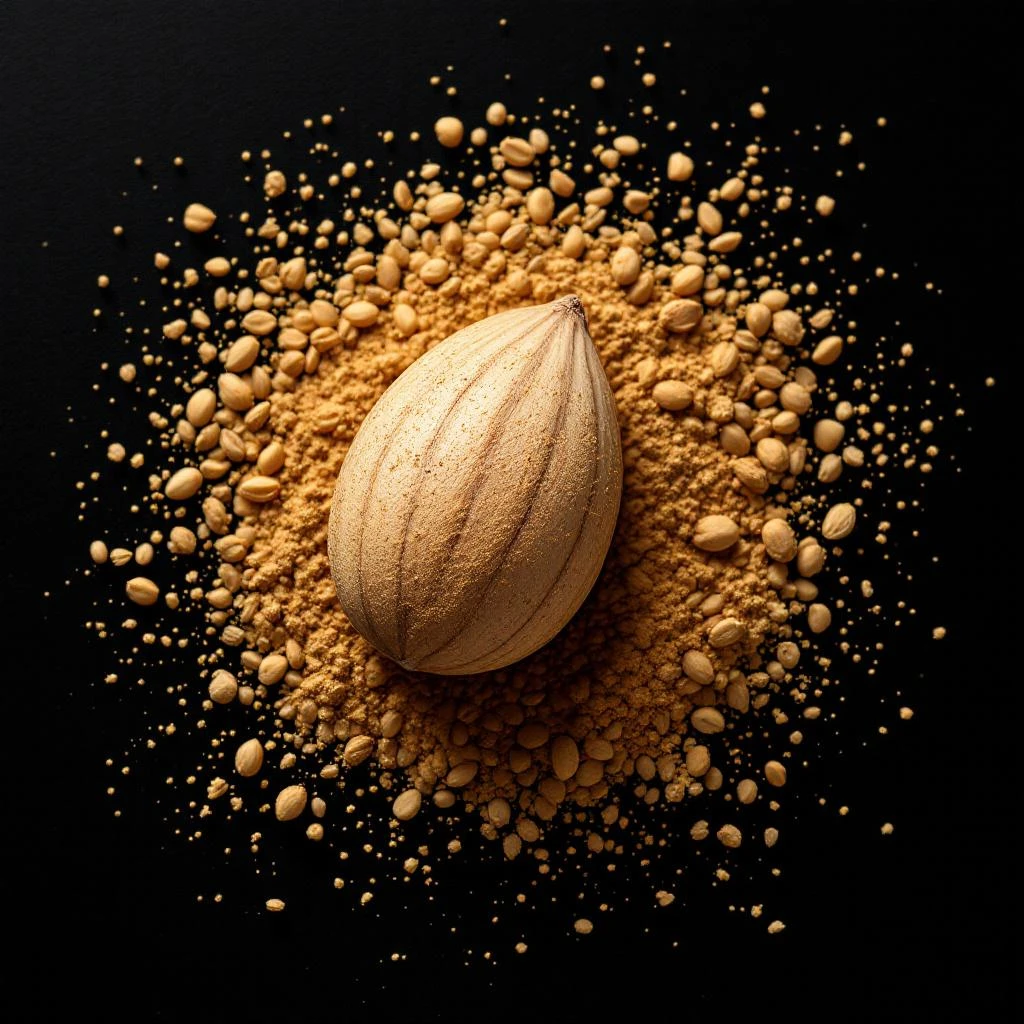
Tapioca starch comes from cassava roots that can grow over a meter long and weigh more than 10 kilograms each.




Origin
Brazil
Indigenous peoples of Brazil and Paraguay first domesticated the cassava plant over 10,000 years ago, making it one of the oldest cultivated crops in the Americas. Portuguese traders introduced cassava to Africa and Asia during the 16th century, where it became a dietary staple in tropical regions. The word 'tapioca' comes from the Tupi-Guarani languages spoken by native South Americans.
While cassava served primarily as food for centuries, perfumers later explored its starchy derivatives as fixatives and textural agents. Modern fragrance chemists study the aromatic compounds released when cassava starch is heated or fermented, recreating that signature cozy note synthetically.
Wears it best
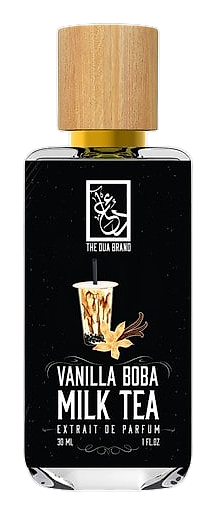
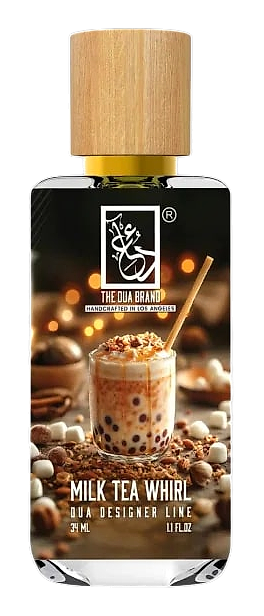
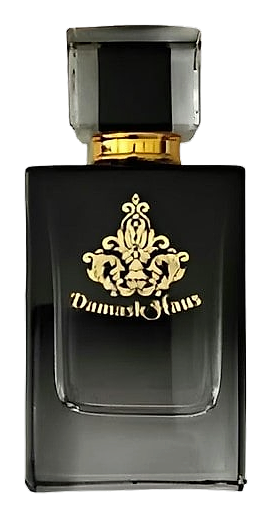
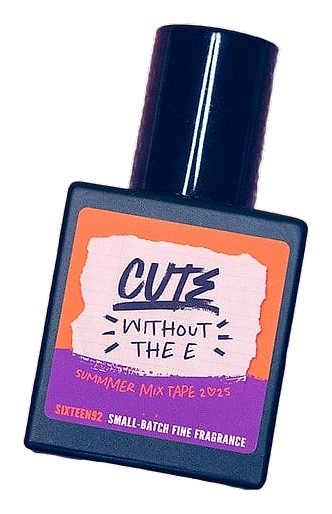
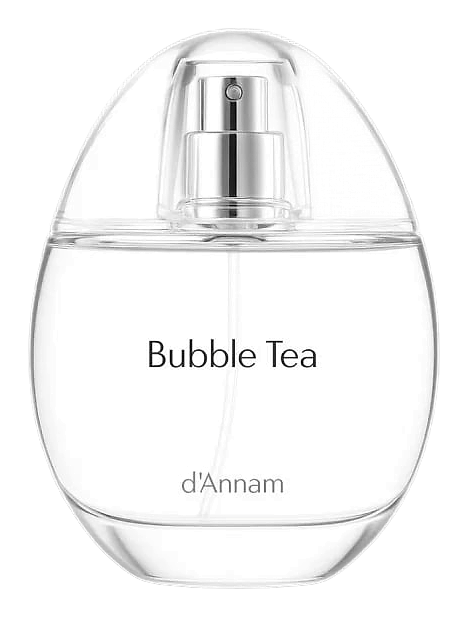
Fragrances featuring Tapioca
Brands
Brands known for Tapioca
Good to know
Questions, answered
The essentials on Tapioca in perfumery: how it smells, where it comes from, and how it behaves on skin.
What is tapioca in perfumery?
Tapioca in perfumery refers to aroma compounds that replicate the scent of cooked cassava starch. These compounds create a creamy, warm, slightly sweet impression reminiscent of pudding or starch-dusted skin.
Is tapioca a natural or synthetic ingredient?
Tapioca as a fragrance note can be natural or synthetic. Natural tapioca starch comes from cassava roots, while most commercial tapioca notes are created through synthetic aroma chemistry.
What does tapioca smell like in fragrance?
Tapioca smells like warm, cooked starch with a creamy, slightly sweet character. It has a comforting, intimate quality often described as similar to pudding, rice paper, or fresh laundry.
What fragrance family uses tapioca notes?
Tapioca appears most often in oriental, gourmand, and skin scents. It serves as a bridge between edible sweetness and skin-like warmth.
Can tapioca be used as a fixative in perfume?
Natural tapioca starch has mild fixative properties due to its molecular structure. Perfumers use it to add body and longevity to certain fragrance compositions.
Is tapioca commonly found in mainstream perfumes?
Tapioca appears less frequently than vanilla or musk but shows up in niche fragrances focused on comfort and skin scents. It remains a more unusual, discovery-oriented note.