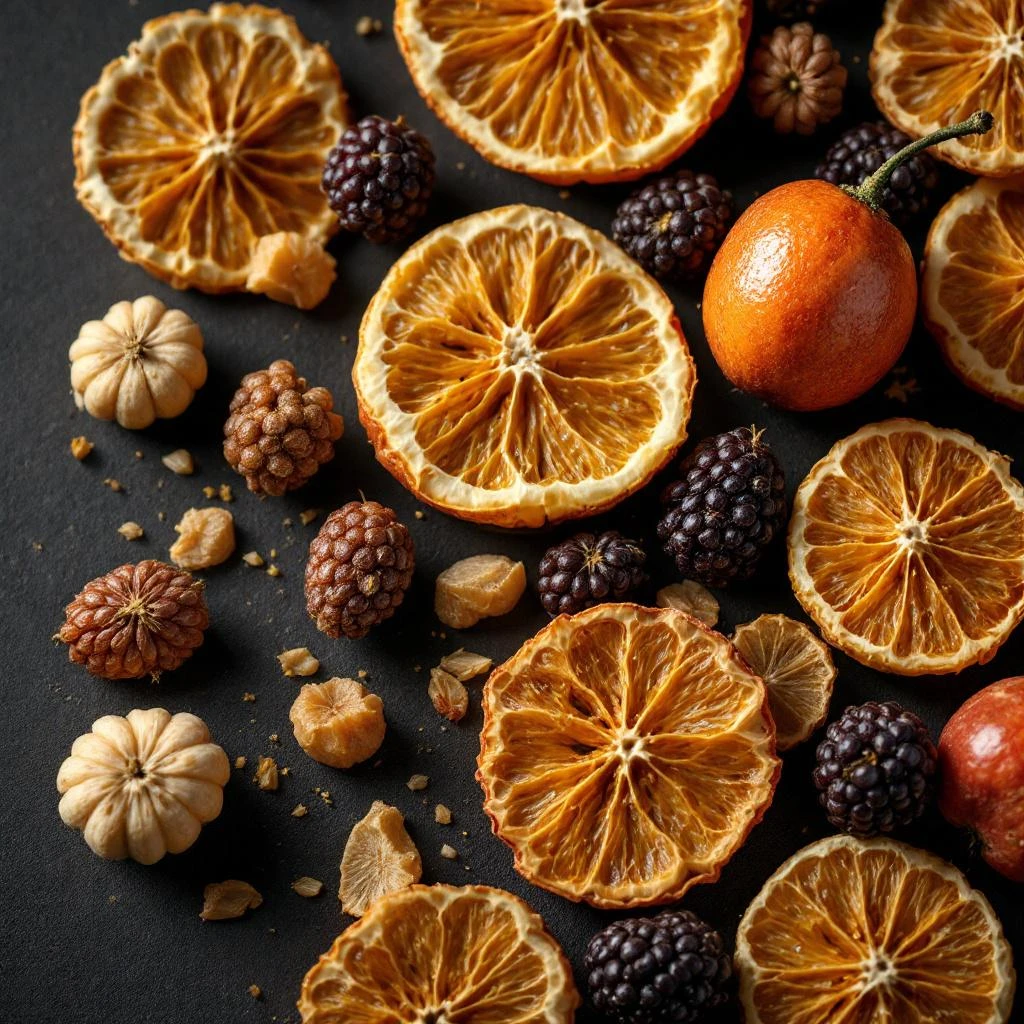
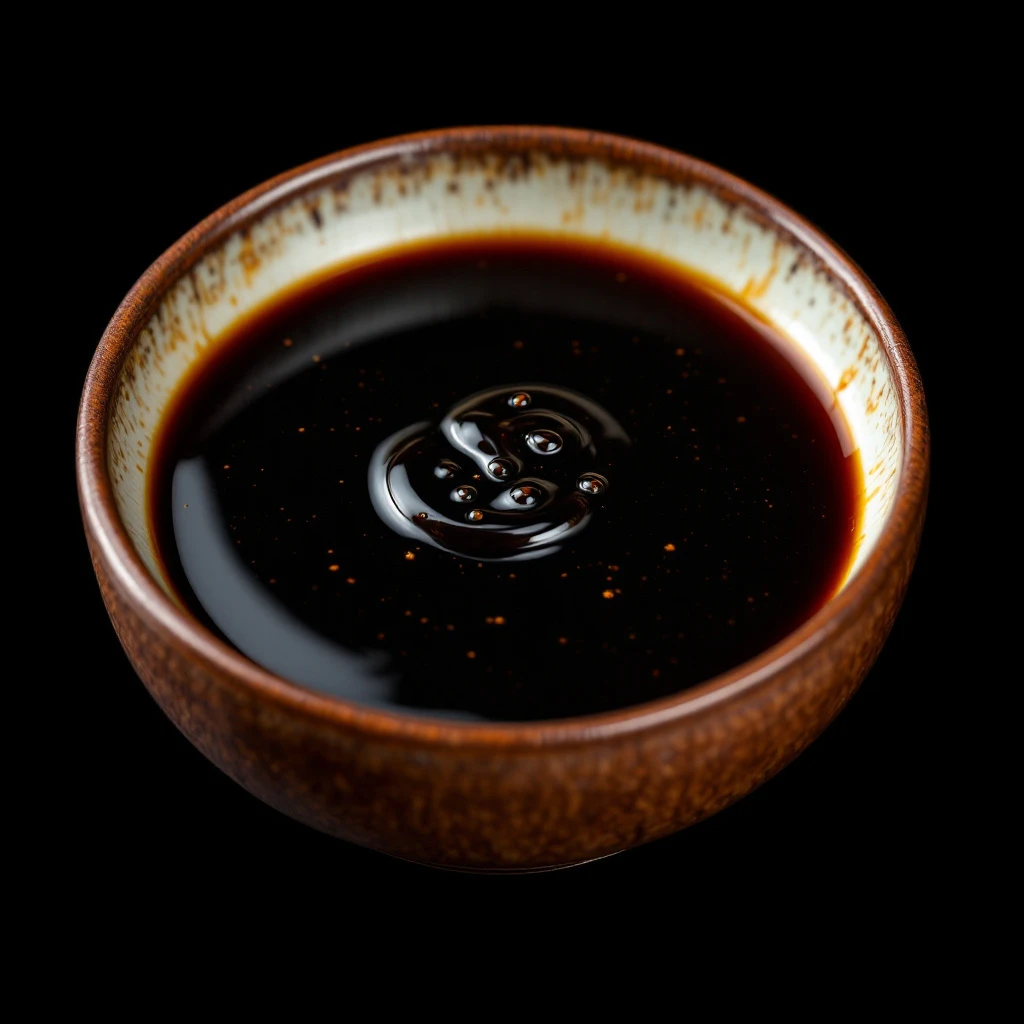
Soy Sauce
From ancient Chinese kitchens to modern perfumery labs, soy sauce's fermented depth adds an unexpected umami dimension to fragrances that challenge convention.
Character
How it smells
Umami's aromatic rebel enters the perfume world
Dutch traders exported soy sauce from Japan to Europe as early as the 17th century.
Pairs beautifully with

Origin
China
Soy sauce originated in China over 2,500 years ago, emerging as a byproduct of salt preservation techniques for fish and meat. By the Han dynasty, soybean-based versions became common.
The ingredient spread across East Asia, with Japan developing its lighter tamari and shoyu varieties. European interest grew when Dutch traders began exporting soy sauce from Japan in the 1600s, introducing its umami character to Western palates.
In perfumery, savory and fermented notes gained traction in the late 20th century as avant-garde perfumers sought to push boundaries beyond traditional florals and woods. Today, soy sauce represents a bridge between culinary tradition and olfactory innovation, valued for the primal satisfaction its deeply savory character evokes.
Wears it best
Fragrances featuring Soy Sauce
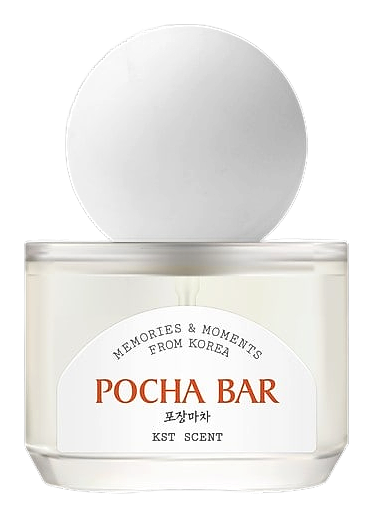
Brands
Brands known for Soy Sauce
Good to know
Questions, answered
The essentials on Soy Sauce in perfumery: how it smells, where it comes from, and how it behaves on skin.
Is natural soy sauce used in perfumery?
No. Natural soy sauce is not used directly in perfumery due to its instability and inconsistent aroma profile. Perfumers instead synthesize specific molecules like furfural and methional to recreate its characteristic scent.
What does soy sauce smell like in a fragrance?
Soy sauce notes in perfumery typically manifest as fermented, salty, and deeply savory with subtle caramel undertones. It adds primal depth and umami character that surprises conventional fragrance expectations.
When was soy sauce first used in perfume?
Savory and fermented notes gained prominence in perfumery during the late 20th century. Avant-garde fragrances incorporating umami elements emerged as perfumers explored unconventional ingredients to challenge traditional scent boundaries.
What compounds create soy sauce's aroma profile?
Key aroma compounds include furfural (sweet, toasted), methional (cooked vegetable), 2-methylbutanoic acid (fermented), and dimethyl disulfide (sulfurous depth). These molecules combine to produce its distinctive umami character.
What is umami in fragrance?
Umami refers to the savory, deeply satisfying quality associated with fermented foods like soy sauce. In perfumery, it translates to rich, mouthwatering notes that add primal depth and unexpected complexity to compositions.
Which fragrance families use soy sauce notes?
Soy sauce notes appear primarily in oriental, woody, and avant-garde compositions. They function as supporting elements that add unexpected depth and cultural intrigue rather than serving as dominant heart notes.
How much soy sauce concentrate is used in formulas?
Soy sauce accords are used at trace levels, typically less than 1% of total concentration. At such low doses, they contribute subtle umami depth without dominating the fragrance's primary character.
What is the cultural significance of soy sauce in perfumery?
Soy sauce bridges culinary and fragrance arts, representing how global trade routes like the Dutch spice trade connected Asian ingredients with Western markets. Its inclusion signals cultural appreciation and unexpected sensory exploration.