Soft Citrus
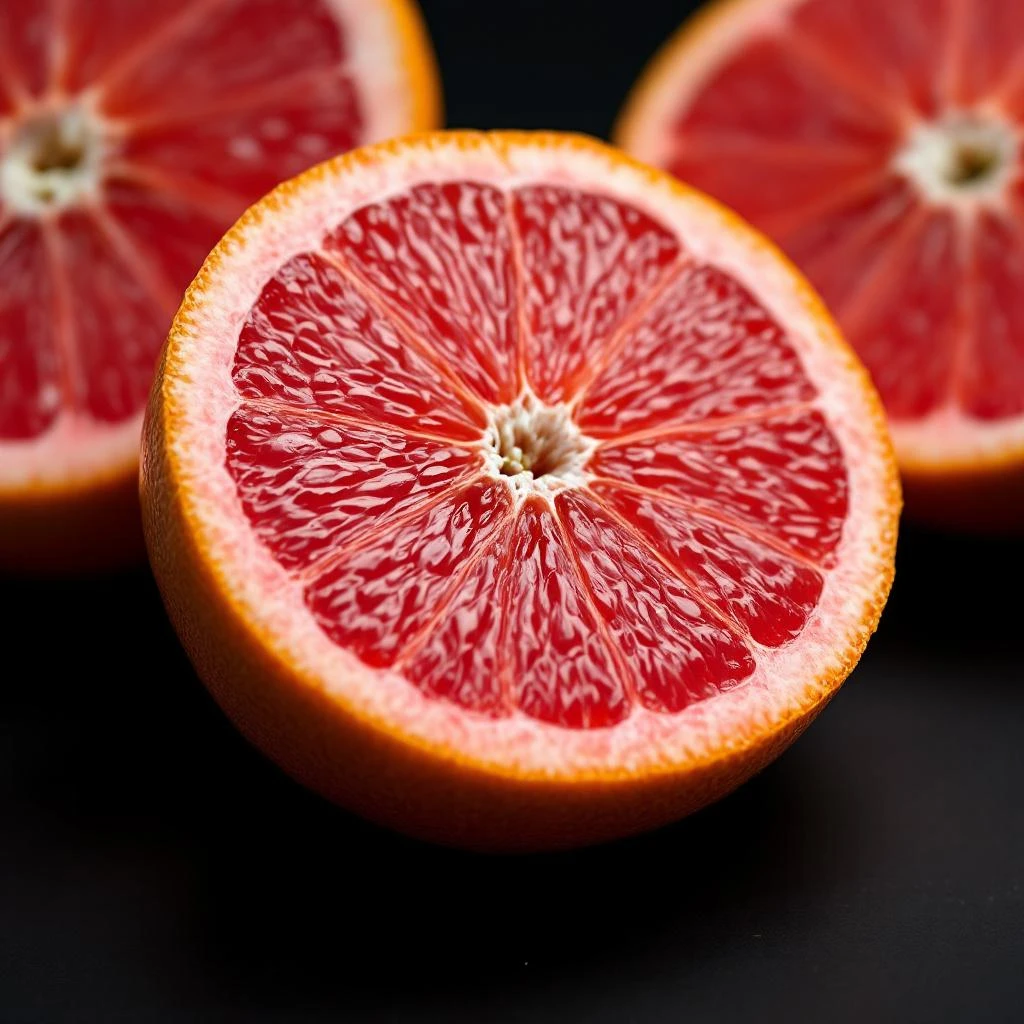
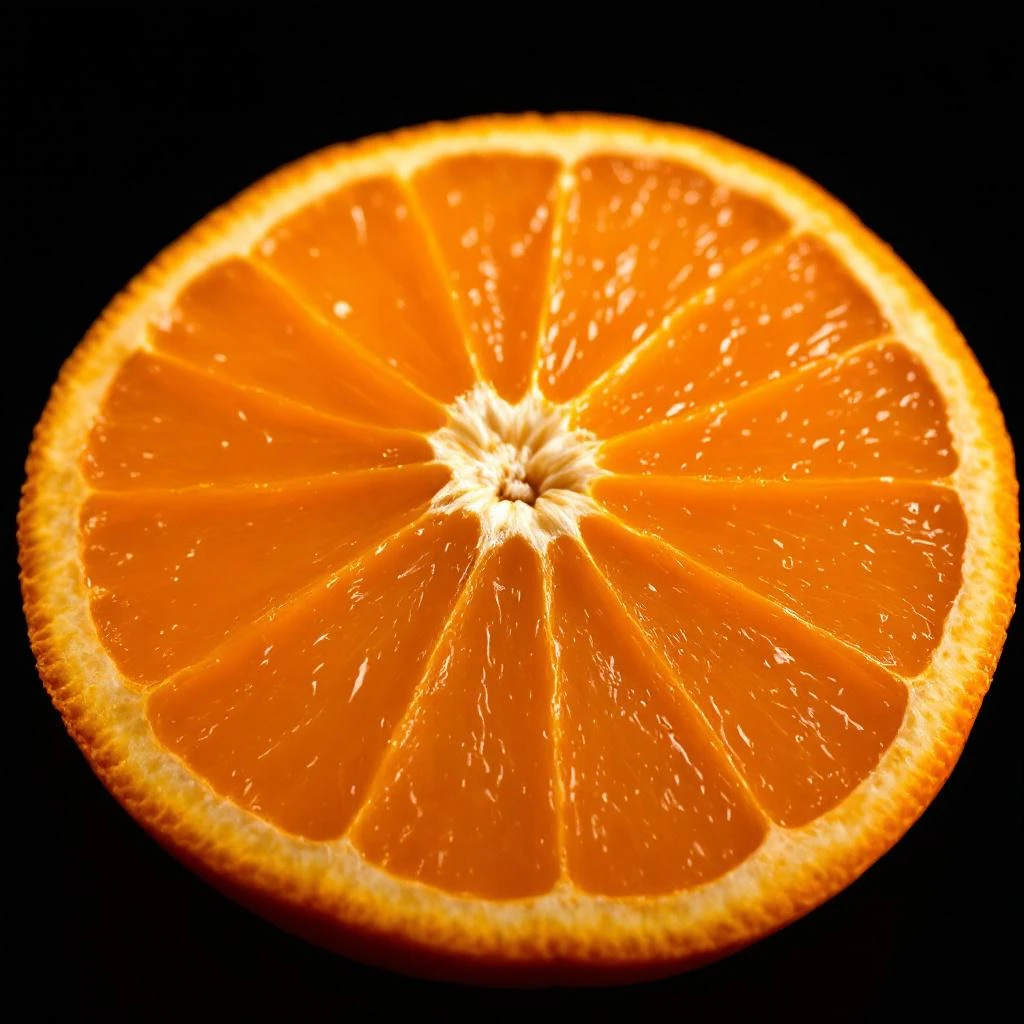
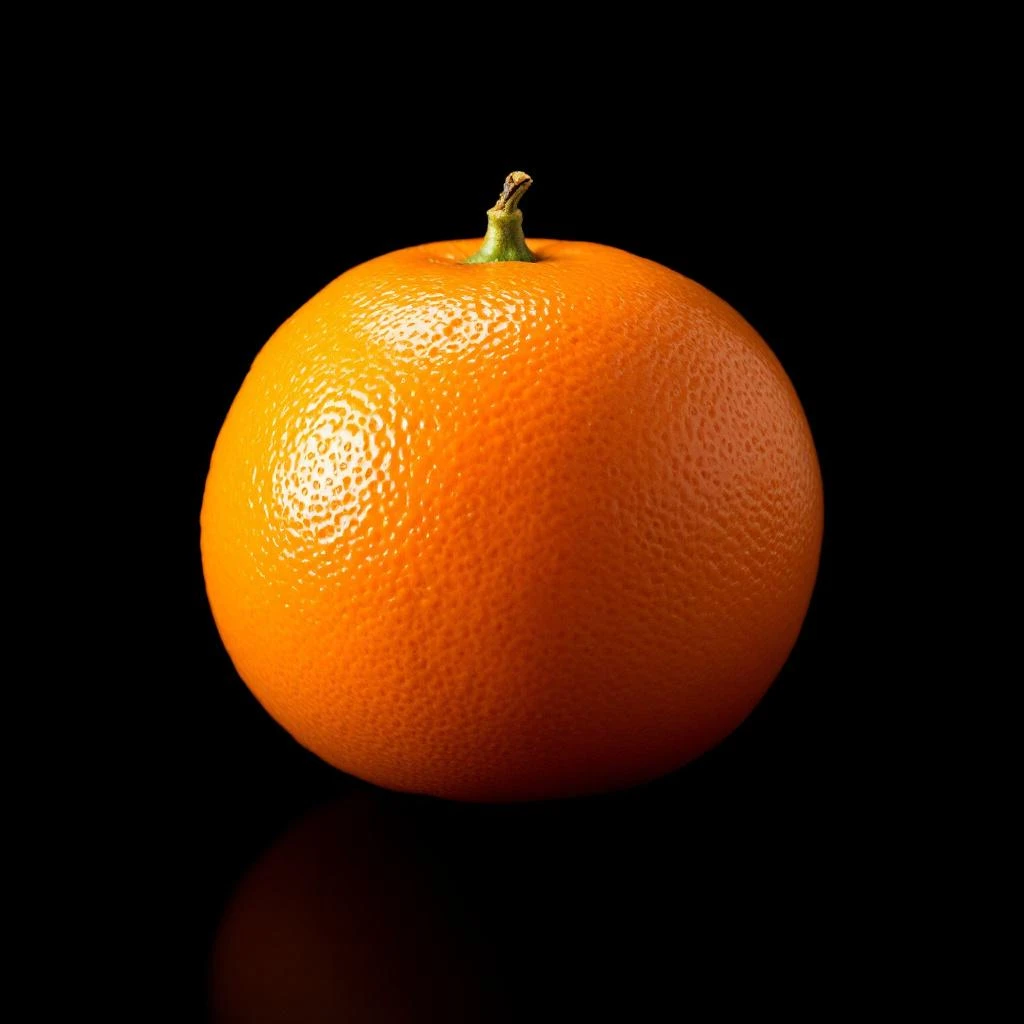
Beyond the sharp brightness of lemon and grapefruit lies a gentler citrus: warm, rounded, and endlessly versatile. Soft citrus captures the fruit at its most nuanced, where zest mellows into something quiet and inviting.
Character
How it smells
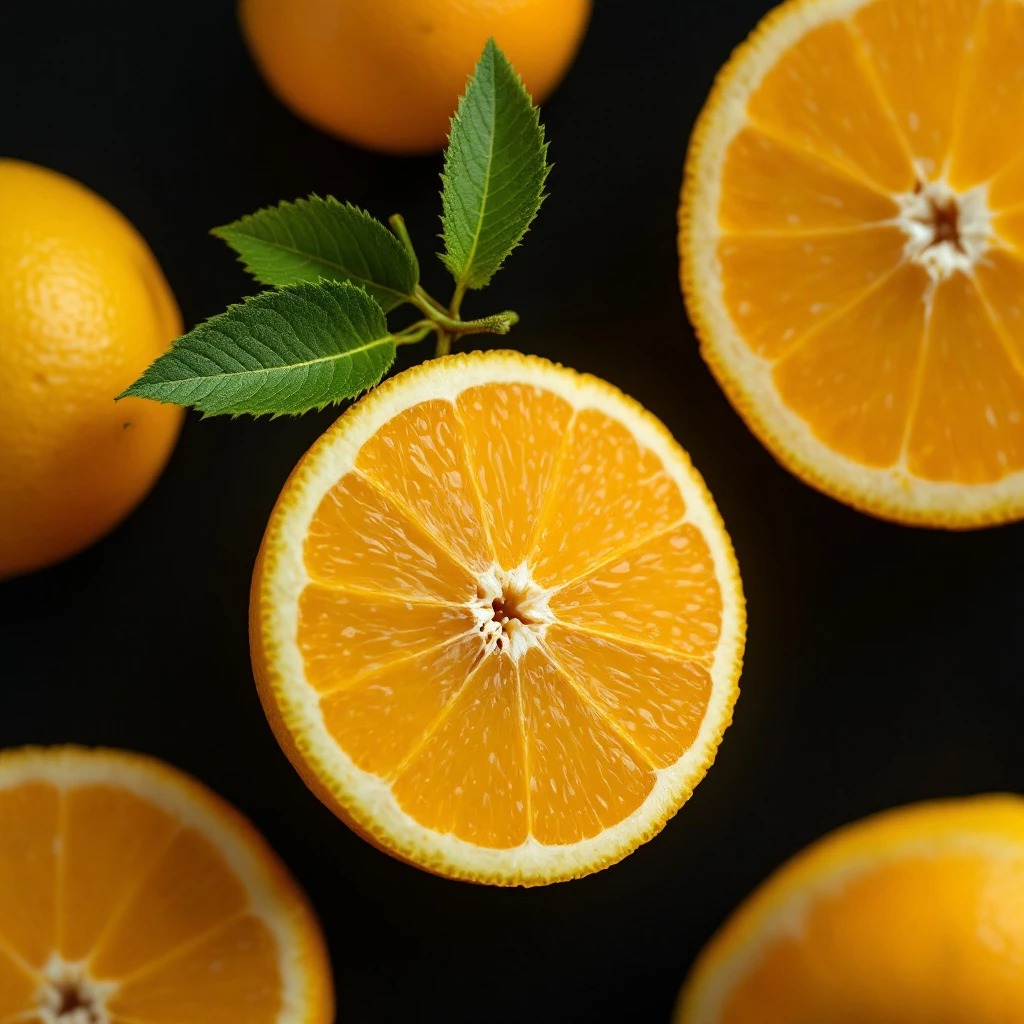
Rounded citrus for modern compositions.
Standard citrus oils evaporate within hours. Soft citrus materials last all day, providing stable, non-phototoxic citrus character from opening to dry-down.
Pairs beautifully with

Origin
Italy
Classical citrus colognes like Eau de Cologne (1709) and 4711 established citrus as a perfumery cornerstone. Yet these early compositions relied on sharp, ephemeral essential oils. The 19th century brought organic synthesis, which enabled more sophisticated citrus materials.
Soft citrus as a concept emerged from centuries of experimentation with extraction methods that preserve delicate citrus qualities. The 1980s biotech revolution allowed commercial production of specific soft citrus molecules for the first time. Today, perfumers blend traditional botanical knowledge with modern science to create soft citrus materials unavailable to previous generations.
This evolution reflects perfumery's broader shift from simple aromatic combinations to nuanced, layered compositions that capture the full complexity of citrus.
Wears it best
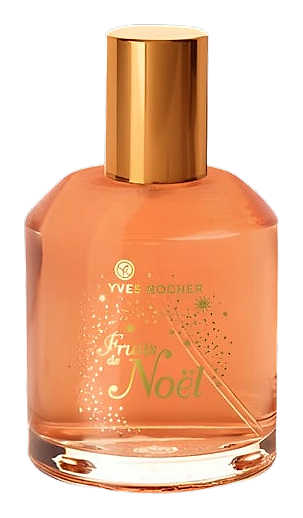
Fragrances featuring Soft Citrus
Brands
Brands known for Soft Citrus
Good to know
Questions, answered
The essentials on Soft Citrus in perfumery: how it smells, where it comes from, and how it behaves on skin.
What makes citrus 'soft' in perfumery?
Soft citrus refers to citrus materials processed to preserve delicate aromatic compounds rather than harsh, fleeting top notes. Solvent extraction of flowers and leaves, plus specific biotech citrus molecules, create a gentle, stable citrus character. This approach yields materials that are kinder to skin and longer-lasting than standard citrus oils.
How does soft citrus differ from regular citrus essential oils?
Standard citrus oils like cold-pressed orange deliver sharp, brief top notes. Soft citrus provides a deeper, more sustained citrus presence. The difference lies in extraction: solvent-extracted absolutes from flowers and leaves capture heavier aromatic compounds that create a softer, more persistent effect.
Which citrus varieties produce soft citrus materials?
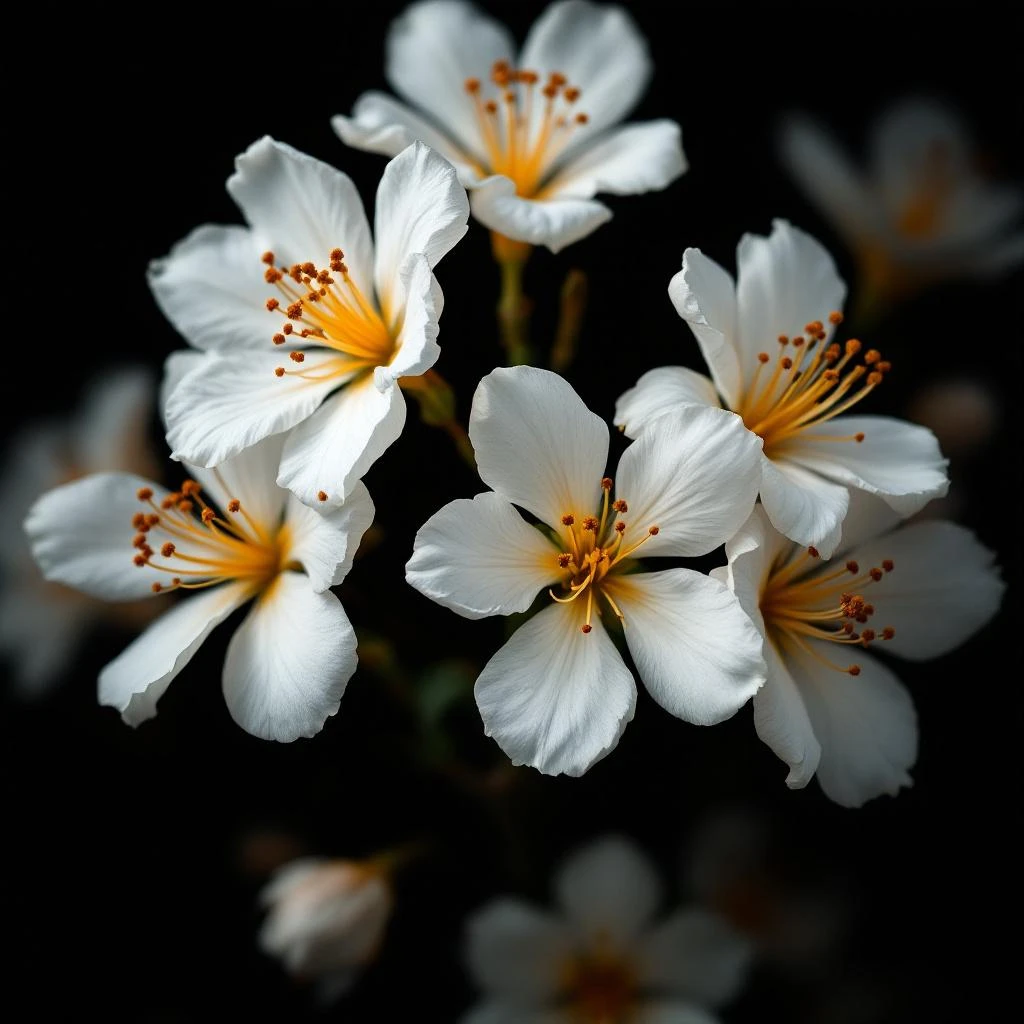
Orange blossom, neroli, and petitgrain from bitter orange are primary sources for soft citrus materials. Bergamot processed as an absolute rather than distilled oil also contributes soft citrus qualities. Modern biotech can create soft citrus character synthetically from any citrus raw material.
Why is soft citrus important in modern perfumery?
Soft citrus gives perfumers precise control over how citrus reads in a fragrance, shifting it from a bright pop to a warm, anchoring presence. It allows sophisticated citrus layering in heart and base notes where standard citrus oils fade too quickly to register.
How do perfumers extract soft citrus materials?
Botanical soft citrus uses solvent extraction, supercritical CO2, or enfleurage to capture aromatic compounds at lower temperatures than steam distillation. These methods preserve delicate esters that heat destroys. Modern perfumery also employs biotech synthesis to create specific soft citrus molecules like ambroxan analogs.
What role did citrus play in perfumery history?
Citrus has anchored perfumery since Eau de Cologne (1709), but early citrus materials were sharp and fleeting. Soft citrus concepts emerged when organic synthesis developed in the 19th century enabled more refined citrus materials. The first commercial biotech-based perfumery ingredients arrived roughly 60 years later.
What are the practical advantages of soft citrus?
Standard citrus oils evaporate within hours and can cause phototoxicity. Soft citrus materials from absolutes or biotech synthesis overcome both limitations. They provide stable, non-phototoxic citrus character with greater aromatic complexity, allowing perfumers to feature citrus throughout a fragrance from opening to dry-down.
Is soft citrus sustainable?
Biotech synthesis now commercially produces soft citrus compounds, addressing sustainability concerns tied to natural citrus cultivation. Synthetics like ambroxan and citrus lactones offer consistent quality while reducing agricultural pressure. This approach aligns with growing industry demand for sustainable, responsibly sourced fragrance materials.