Soft Aquatic
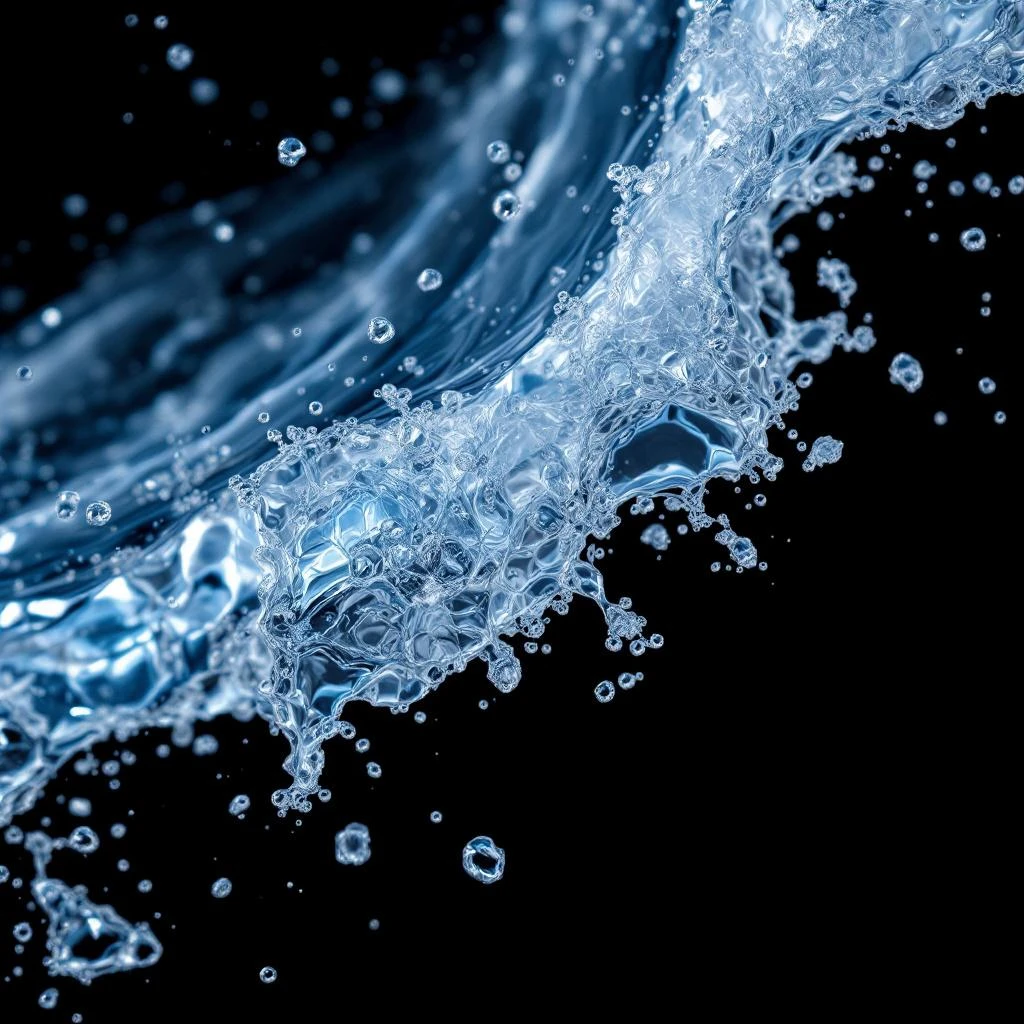
Soft Aquatic recreates the clean stillness of undisturbed water. This synthetic accord brings the scent of still lakes and gentle sea air into contemporary perfumery, evoking morning mist over calm water.
Character
How it smells
Clean water, still air, modern freshness
Aquatic fragrance notes emerged from 1960s pharmaceutical research—scientists testing a compound for motion sickness accidentally created what would become a perfumery revolution.
Pairs beautifully with


Origin
United States
Aquatic fragrances represent one of the youngest families in perfumery history. Before the 1980s, no true aquatic notes existed—the industry relied on citrus, herbs, and green notes to convey freshness.
The revolution began in 1966 when Pfizer scientists synthesized Calone, though they originally developed it as an anti-motion-sickness drug. The fragrance industry eventually recognized the molecule's potential.
Guy Laroche launched Drakkar Noir in 1982, widely considered the first major aquatic fragrance. However, Davidoff's Cool Water in 1988 cemented the aquatic family as a permanent fixture in perfumery, influencing countless fragrances that followed.
Wears it best
Fragrances featuring Soft Aquatic
Brands
Brands known for Soft Aquatic
Good to know
Questions, answered
The essentials on Soft Aquatic in perfumery: how it smells, where it comes from, and how it behaves on skin.
What is the Soft Aquatic fragrance note?
Soft Aquatic is a synthetic fragrance note that captures the scent of clean, still water and marine air. The core compounds emerged from pharmaceutical research in the 1960s and debuted in commercial fragrances like Drakkar Noir in 1982.
Is Soft Aquatic natural or synthetic?
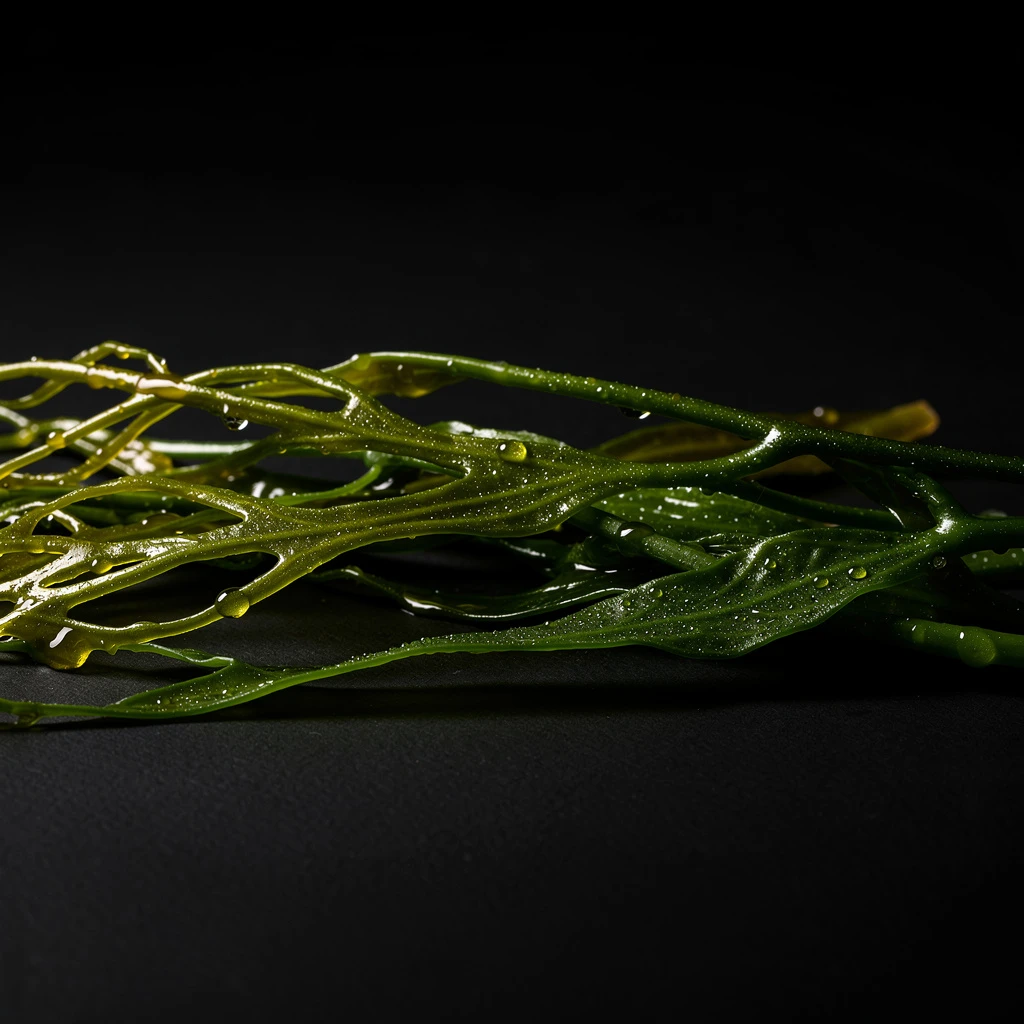
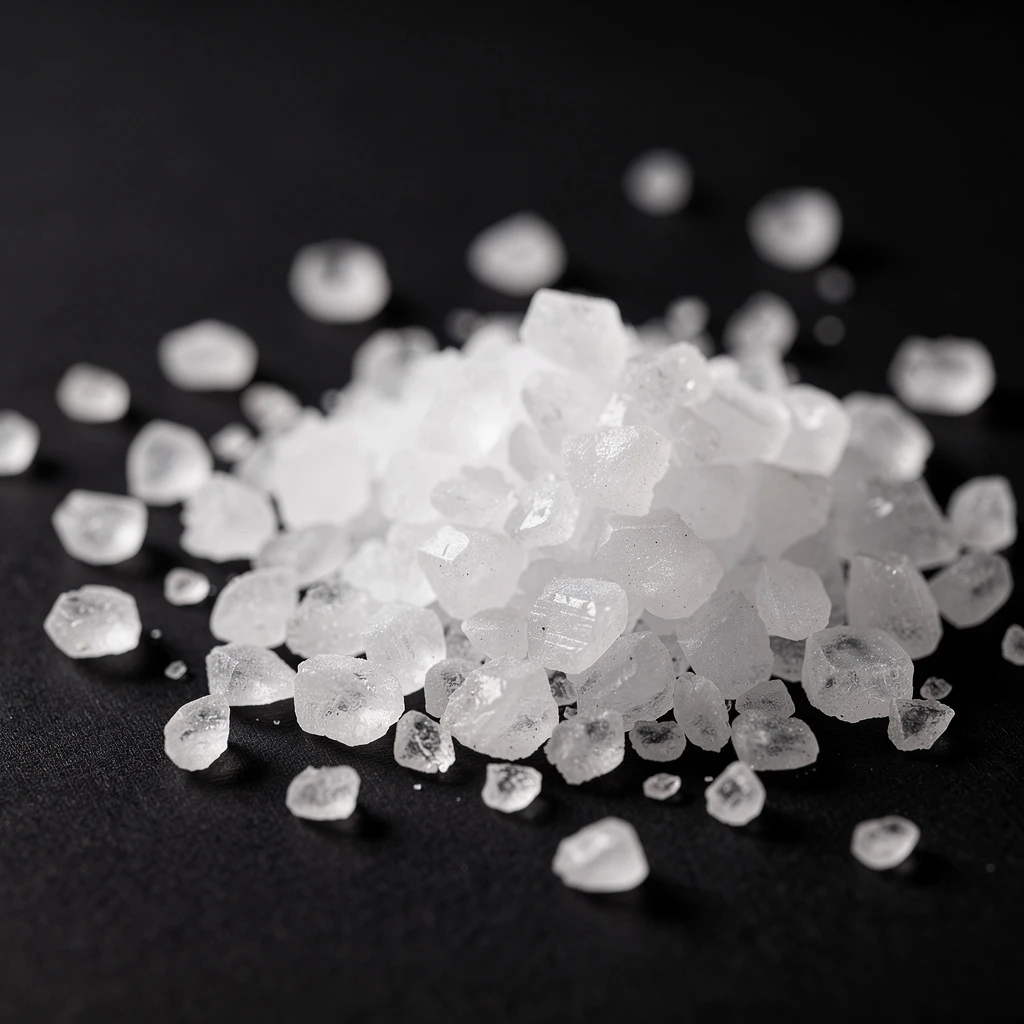
Soft Aquatic is primarily synthetic, created through laboratory chemistry rather than extraction from plants. While natural aquatic nuances exist in materials like lotus and algae, commercial aquatic accords rely mainly on synthesized compounds like Calone 1951.
What does Soft Aquatic smell like?
Soft Aquatic smells like fresh water, sea air, and morning dew. The note carries clean, ozonic qualities with subtle hints of watermelon or melon depending on the specific formulation used by the perfumer.
When did aquatic fragrances first appear?
Aquatic fragrances appeared in 1982 with Drakkar Noir, though the synthetic compounds were developed earlier in the 1960s. The aquatic family became a mainstream perfumery category after Cool Water's success in 1988.
What perfumes feature Soft Aquatic notes?
Drakkar Noir, Cool Water, and many modern fragrances feature aquatic notes. The note appears across masculine, feminine, and unisex fragrances and remains one of the most popular fragrance families worldwide.
Can natural aquatic ingredients replace synthetics?
Natural aquatic ingredients like lotus absolute and marine algae extracts exist but rarely replace synthetics. Extraction challenges and seasonal availability make natural sources impractical for consistent aquatic accords.
How does Soft Aquatic perform in fragrance compositions?
Soft Aquatic works best as a top or heart note, providing immediate freshness and lift. The note combines well with citrus, marine, and green accords but lacks the staying power of heavier base notes.
Which seasons suit Soft Aquatic best?
Soft Aquatic performs best in spring and summer due to its light, fresh character. The note suits daytime wear and casual settings, though modern formulations have expanded its versatility across seasons.