Sicilian fig
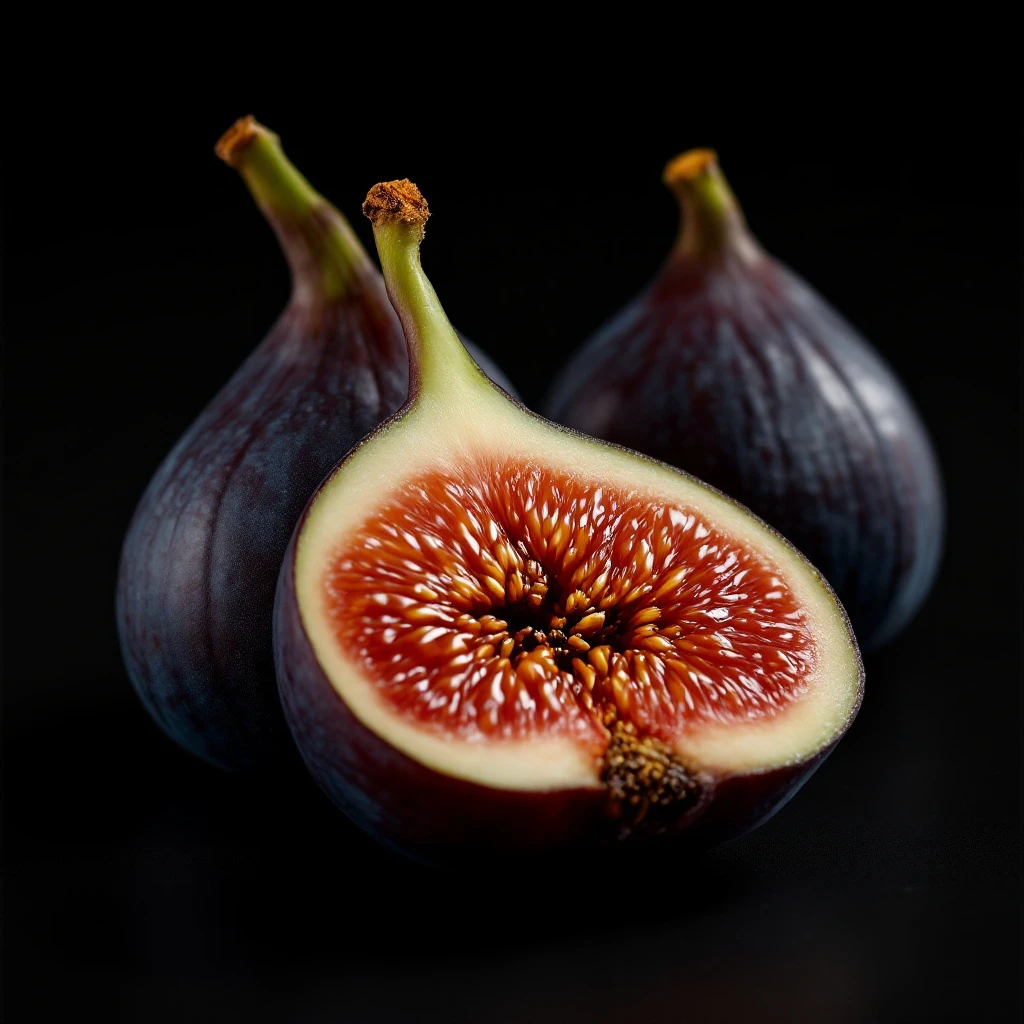
A sun-warmed Mediterranean fruit suspended between green leaves and creamy white flesh. Sicilian fig brings an immediacy to fragrance that feels like standing beneath a fig tree in August, fruit heavy on the branch.
Character
How it smells
The Mediterranean fruit that captures late-summer immediacy.
A single fig tree can produce up to 700 kilograms of fruit annually, yet perfumers rarely use the fruit itself. The woody, lactonic scent they seek comes mainly from the leaves and milky sap.
Pairs beautifully with



Origin
Italy
The fig tree is one of humanity's oldest cultivated plants. Ficus carica appears in Neolithic settlements around 9,400 BCE, making it arguably the first agricultural crop. Greek colonists brought fig cultivation to southern Italy and Sicily around 700 BCE. The island's volcanic soil and hot, dry summers create ideal growing conditions that perfumers have prized for centuries.
Ancient Romans considered Sicilian figs a luxury export. Cato the Elder recommended fig cultivation across Italian territories. The fruit appeared in religious offerings and domestic contexts alike. Medieval Sicilian monasteries maintained fig orchards for both food and medicinal preparations. The connection to perfumery emerged gradually as herbalists discovered the aromatic potential of fig leaves and their sticky milky sap. By the Renaissance, Italian physicians and early perfumers were experimenting with fig-derived materials in their formulations. The island remains one of the world's primary sources of quality fig absolute, its terroir producing a distinctive green, slightly animalic character that differs from fig material grown elsewhere.
Wears it best
Fragrances featuring Sicilian fig

Brands
Brands known for Sicilian fig
Good to know
Questions, answered
The essentials on Sicilian fig in perfumery: how it smells, where it comes from, and how it behaves on skin.
What does Sicilian fig smell like?
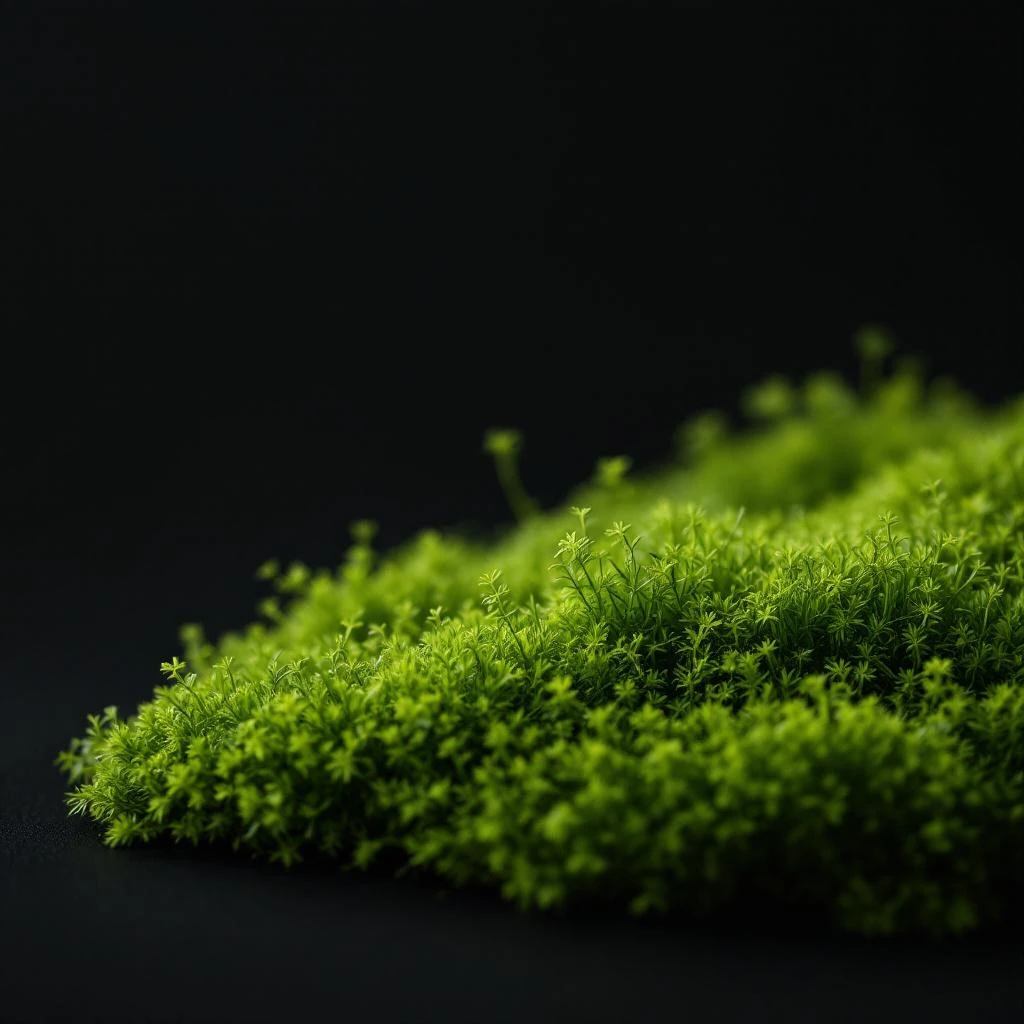
Sicilian fig in perfumery typically combines green, leafy notes with a lactonic creaminess. The leaf absolute provides an intensely vegetable, slightly bitter green character. When paired with the fruit's sweet jammy quality, it creates that distinctive sun-drenched freshness.
Is Sicilian fig natural or synthetic?
Sicilian fig exists in both natural and synthetic forms. Natural fig leaf absolute comes from solvent extraction of leaves and twigs. The characteristic creamy, coconut-like note often requires synthetic lactones to achieve full realism. Most fig fragrances combine naturals with synthetics.
Why is Sicily famous for fig cultivation?
Sicily's volcanic soil, intense summer heat, and dry conditions perfectly suit Ficus carica. The island has cultivated figs since ancient Greek colonization. Sicilian figs develop higher aromatic complexity than those grown in cooler climates, making them prized by perfumers.
What extraction method produces fig absolute?
Fig leaf absolute is primarily produced via solvent extraction. Fresh leaves are washed, ground, and washed with a solvent like hexane. The resulting concrete is then processed with ethanol to yield the absolute. Expression extracts a separate material from the fruit.
Which perfume families use Sicilian fig?
Fig appears across woody, green, and aromatic families. Diptyque's Philosykos set the modern template in 1996, pairing fig with cedar. Mediterranean-style fragrances often combine fig with citrus, lavender, or myrtle. The note also appears in marine and ozonic compositions.
Can you use fresh fig in perfumery?
Fresh fig fruit yields very little usable aromatic material for perfumery. The scent compounds are locked within the flesh and degrade quickly after harvest. Perfumers rely on extracted absolutes from leaves and twigs, plus reconstructed fruit accords built from aromatic chemicals.
What parts of the fig plant are used in perfumery?
Perfumers primarily use the leaves and tender twigs for extraction. These provide the intensely green, slightly bitter character that defines fig in fragrance. The milky sap (latex) contributes to the lactonic quality. The fruit itself sees limited use due to extraction challenges.
How is fig different from other fruit notes in perfumery?
Unlike citrus or berry notes, fig doesn't rely on volatile aromatics that extract easily. Its signature scent comes from non-volatile lactones and pyrazines that require solvent extraction or synthetic recreation. This makes fig one of the more technically complex fruit notes to work with.