The Story
Why it exists.
The beginning
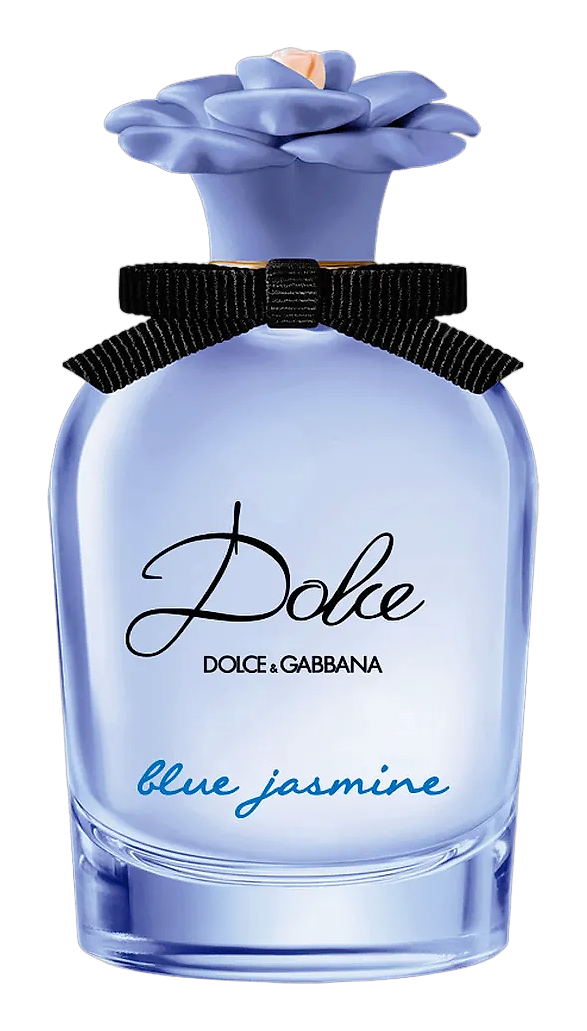
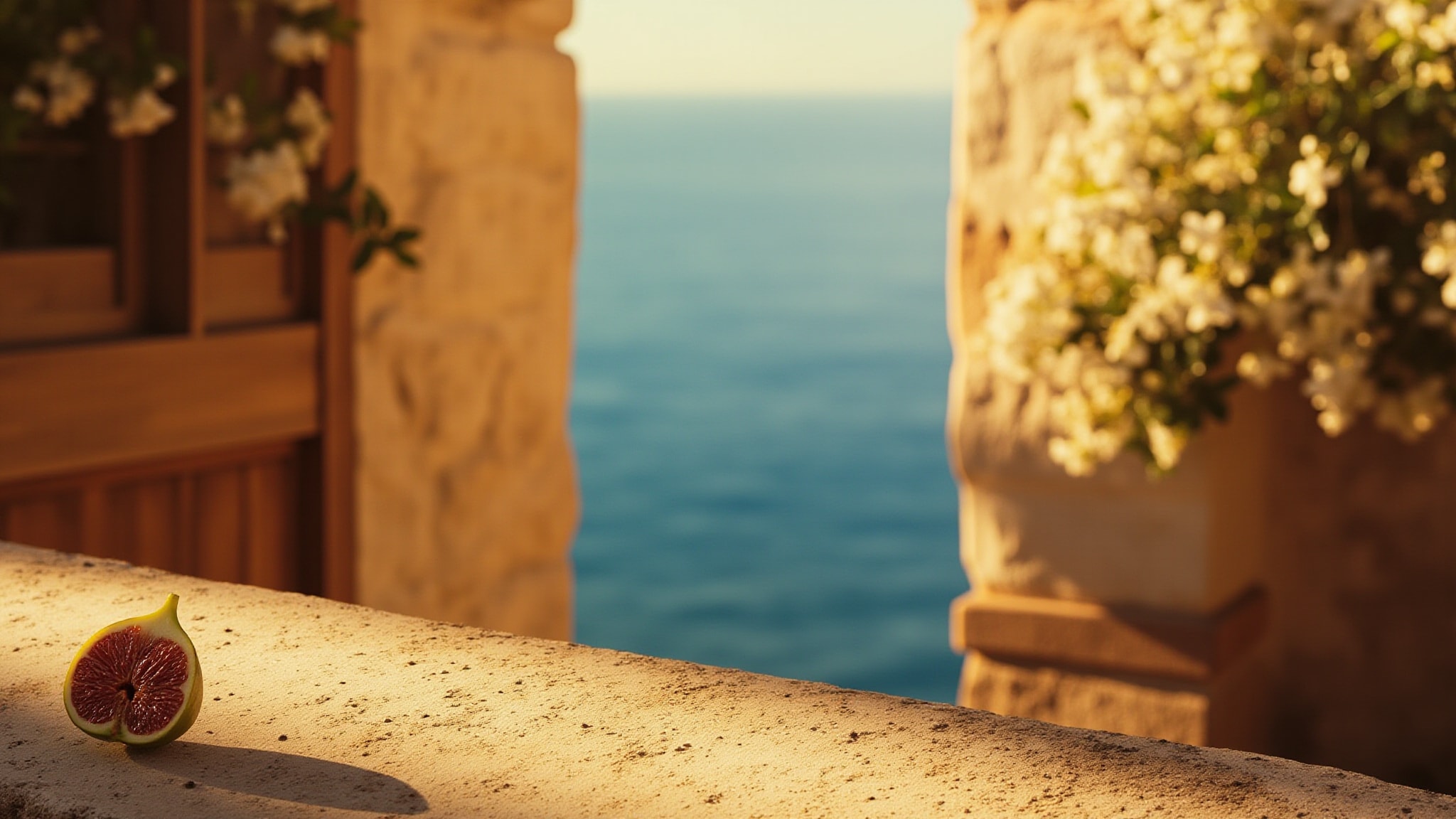
Dolce & Gabbana has built its fragrance library on moments, the Amalfi coast, a sun-warmed market, a night that refuses to end. Dolce Blue Jasmine makes its entrance as a scent that captures something essential about Mediterranean afternoons. Perfumer Alexandra Carlin understood the assignment. Blue fig is the vehicle, not the jammy fig of gourmand perfumery, but something milky and watery, a Sicilian orchard after rain. The jasmine follows not as a statement but as a presence: warm, tropical, threaded through the composition rather than announced from it. The result is a fragrance that smells like a Mediterranean afternoon without trying too hard.
The pyramid does unusual work here. Where most floral fruities pile fruit at the top and let everything else compete for space, Dolce Blue Jasmine builds upward from its base, cedar anchoring the structure, then jasmine occupying the middle ground with quiet authority. The fig persists through the first hour, its watery blue quality not evaporating at the heart but evolving, becoming less citrus-fresh and more like the memory of rain on warm stone as the jasmine warms up around it.
The evolution
The opening is soft, milky fig rather than bright fruit, almost a sensation rather than a scent. For the first twenty minutes, it reads as atmospheric: humid, fresh, the idea of water rather than the smell of it. Then jasmine thickens, arriving in stages rather than all at once. There's no sharp transition; the fig fades gradually while the jasmine deepens, becoming richer and slightly sweet without ever crossing into indolic territory. The cedar announces itself around the second hour, dry and quiet, adding structure without weight. By hour three, the composition has settled into something linear and close, a clean, slightly woody warmth that stays near the skin. It doesn't reinvent itself; it just keeps being what it is, and that consistency is part of the appeal.
Cultural impact
The Sicilian fig note places this fragrance within a trend that has grown steadily since the early 2010s, when fig-forward compositions began gaining traction in niche circles before migrating to mainstream designer releases. This juice leans into the ripe, buttery fig character rather than green leaf or stem notes, a choice that signals both sophistication and approachability. The fragrance reflects how the house has adapted its signature opulence into something more versatile for contemporary consumers seeking Mediterranean warmth without heaviness.