Roasted caramel
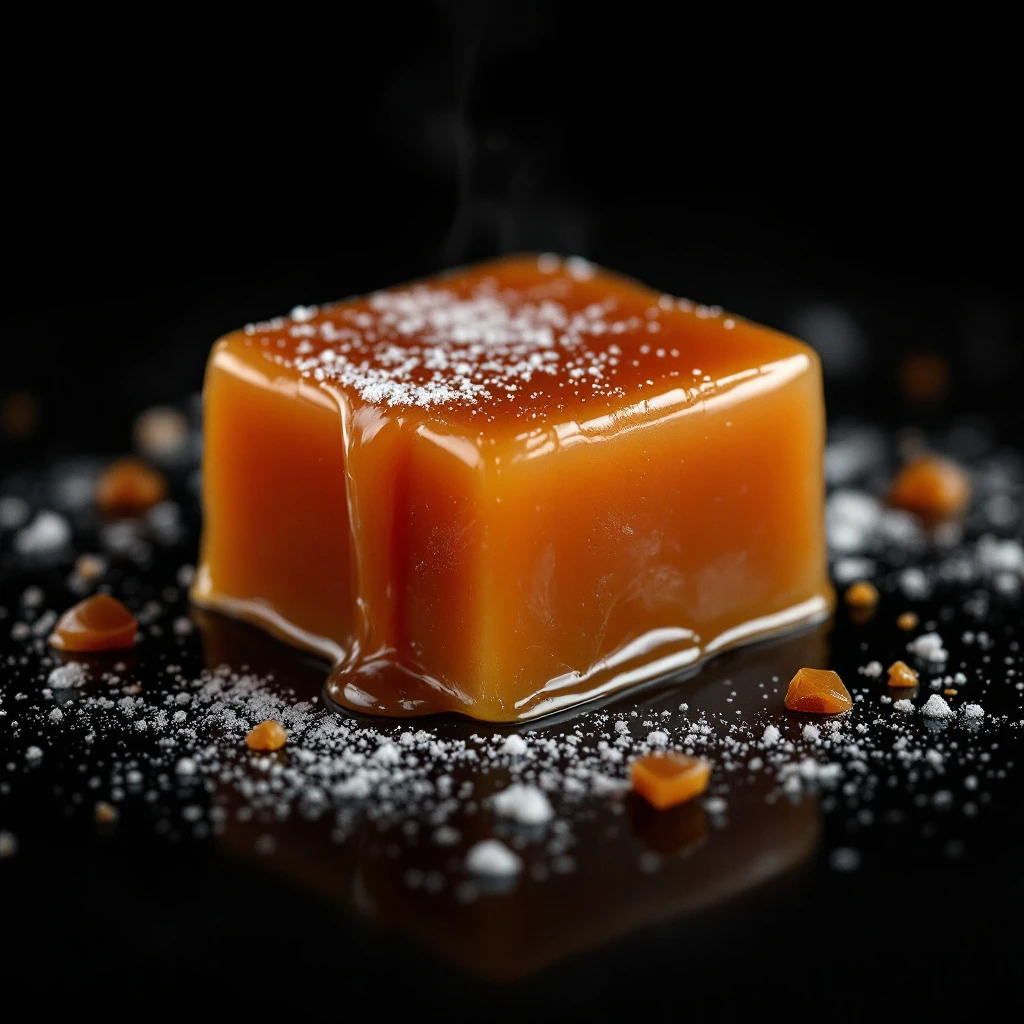
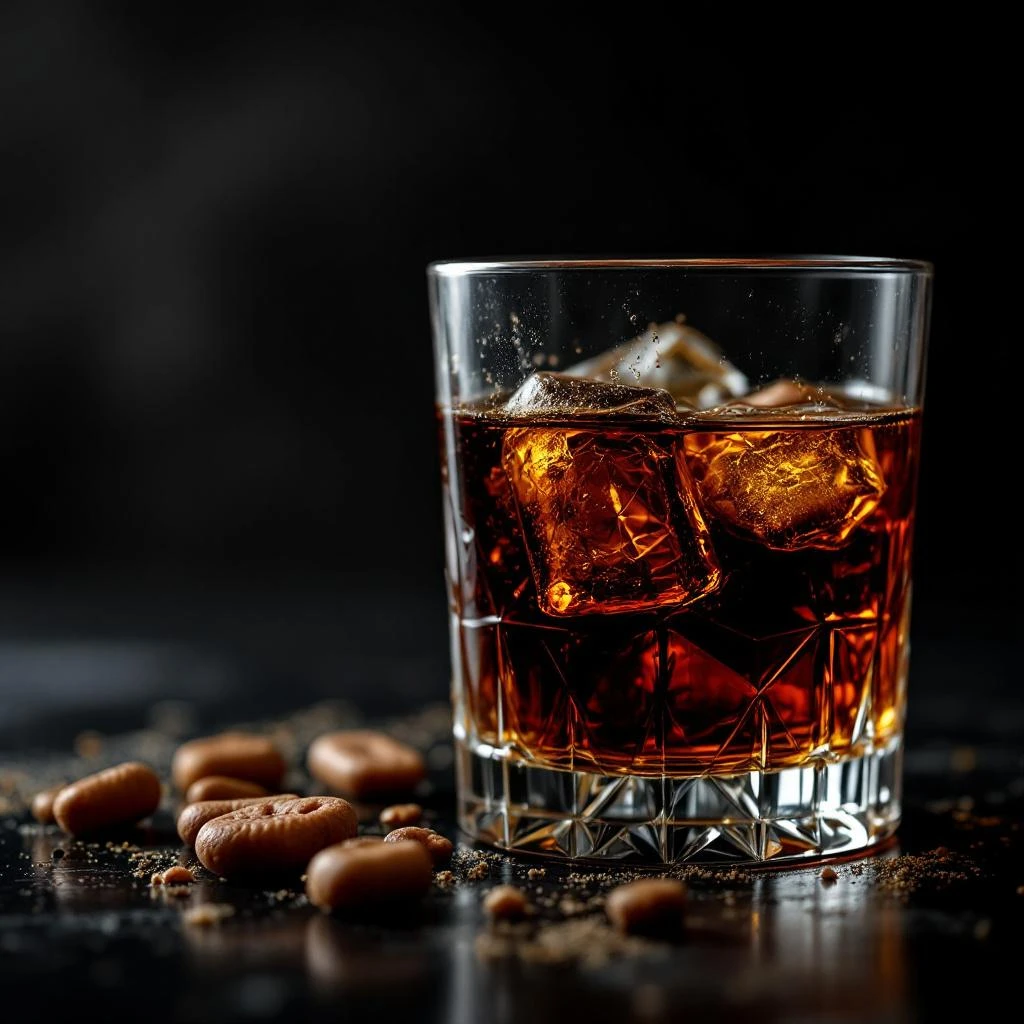
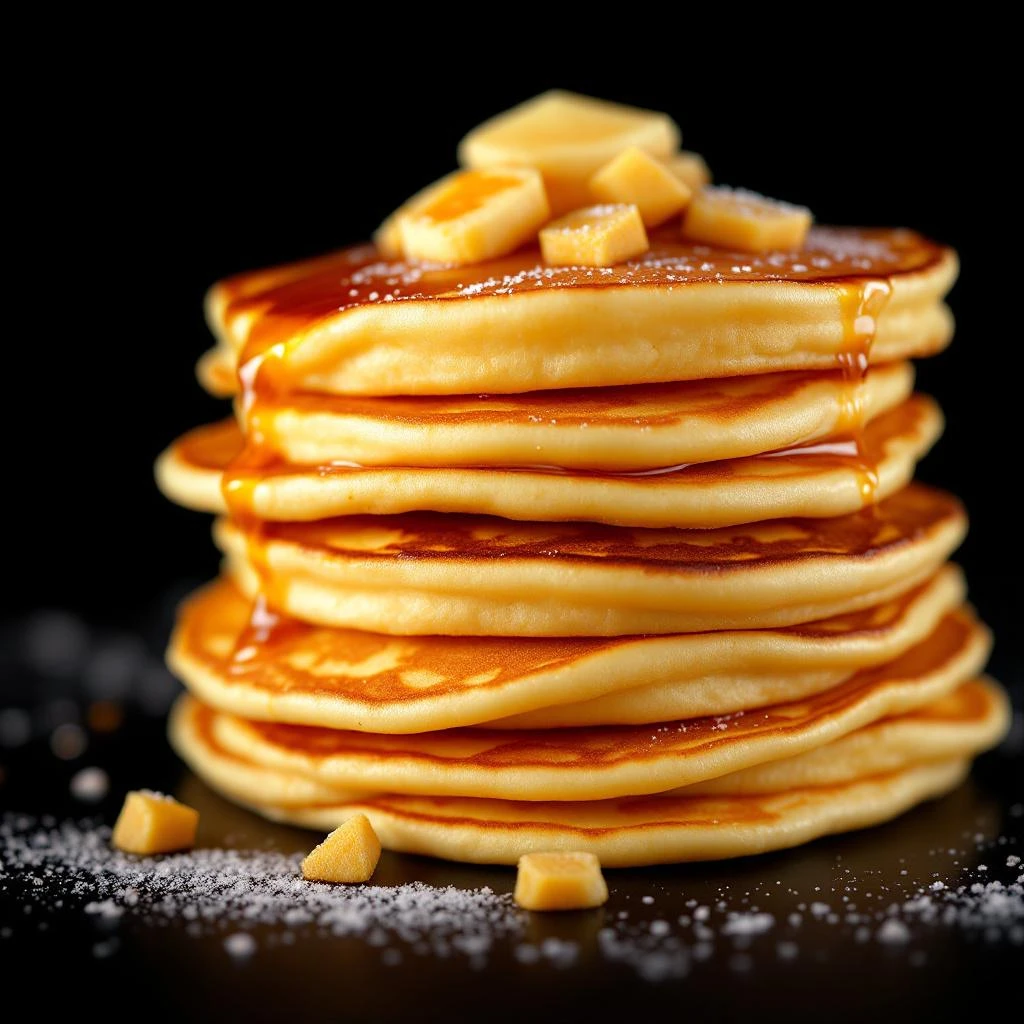
Roasted caramel in perfumery is a warm, edible accord that captures the rich, bittersweet character of sugar heated until deeply amber. It brings gourmand depth and a comforting signature that makes the wearer smell delicious.
Character
How it smells
Bittersweet warmth that makes you smell edible.
Caramel as a perfumery ingredient is entirely synthetic; no natural extraction process yields true caramel, so perfumers build it from scratch using aromatic molecules that mirror sugar at different stages of browning.



Origin
France
Before the 19th century, perfumers worked almost exclusively with natural materials, so achieving a realistic caramel note was nearly impossible. The rise of organic synthesis in the 1800s changed that fundamentally.
Early synthetics like vanillin (isolated from vanilla in 1858) and coumarin (discovered in 1820) gave perfumers the building blocks to approximate food-like aromas. The true caramel accord emerged later, as fragrance chemists learned to combine these ingredients with newly synthesized molecules that replicated the Maillard reaction — the chemical process that makes sugar smell richly toasted when heated.
By the 1990s, when amber and gourmand notes surged in popularity, caramel became a cornerstone of the category. Guerlain's Shalimar and later its variations helped establish caramel-adjacent warmth as a mainstream luxury, and today it appears across luxury and niche compositions as a signpost of comfort and indulgence.
Wears it best
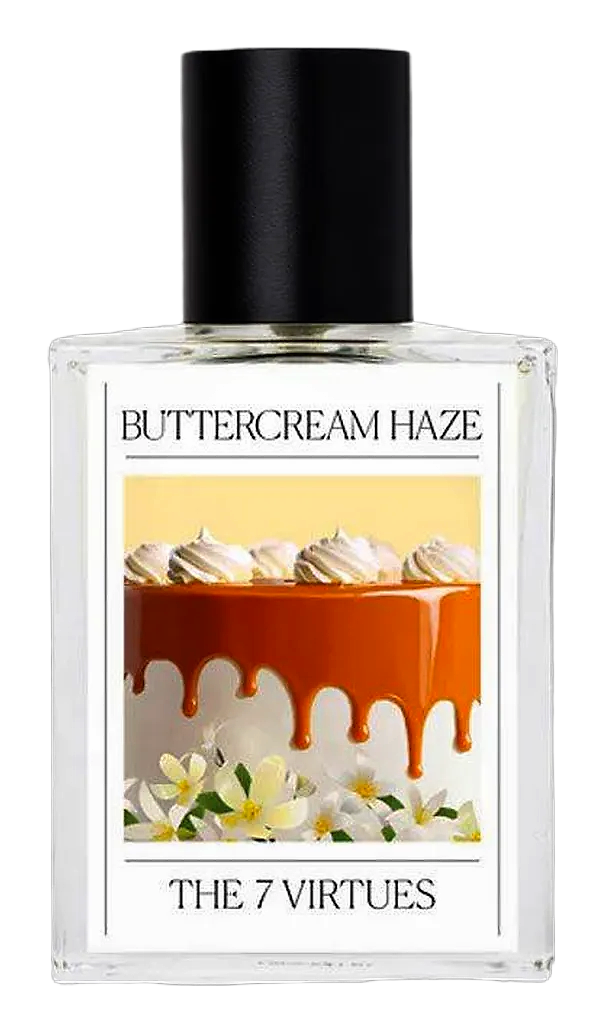
Fragrances featuring Roasted caramel
Brands
Brands known for Roasted caramel
Good to know
Questions, answered
The essentials on Roasted caramel in perfumery: how it smells, where it comes from, and how it behaves on skin.
Is roasted caramel a natural ingredient in perfume?
No. Caramel does not exist as a natural perfumery material. Perfumers build the aroma synthetically by combining molecules like ethyl maltol, vanillin, and sotolon to replicate the smell of sugar heated until amber.
What molecules create the roasted caramel smell?
Ethyl maltol provides the sweet, jammy core; sotolon delivers the buttery, toasted character; vanillin adds creamy depth. Perfumers combine these in precise ratios to achieve the final accord.
Why does caramel smell different in each perfume?
The concentration of caramel accord varies widely. A high dosage creates an edible, dessert-like effect, while a lower presence adds warmth and body without dominating the composition.
What fragrance families use roasted caramel?
Caramel appears primarily in Oriental and gourmand families. It also shows up in chypre and amber compositions where perfumers want to introduce a soft, edible warmth.
Does roasted caramel smell more sweet or bitter?
It bridges both. The best caramel accords balance sugar-forward sweetness with the bitter, roasted edge of heavily heated sugar, creating a bittersweet warmth rather than pure candy.
How long does caramel last on the skin?
Caramel accords are generally moderate to long-lasting, anchoring in the heart and base of a fragrance. Longevity depends on the concentration and the formula surrounding it.
Can I layer caramel fragrances with other notes?
Caramel pairs naturally with vanilla, tonka, sandalwood, benzoin, and amber. It also harmonizes with green fig and citrus when perfumers want to temper its sweetness.
What was the first perfume to use caramel as a main note?
Guerlain's Shalimar (1925) pioneered the caramel-adjacent amber warmth, but the full caramel accord became prominent in the 1990s with fragrances like Dolce & Gabbana The One and Dior Addict.