Roasted Bourbon Vanilla
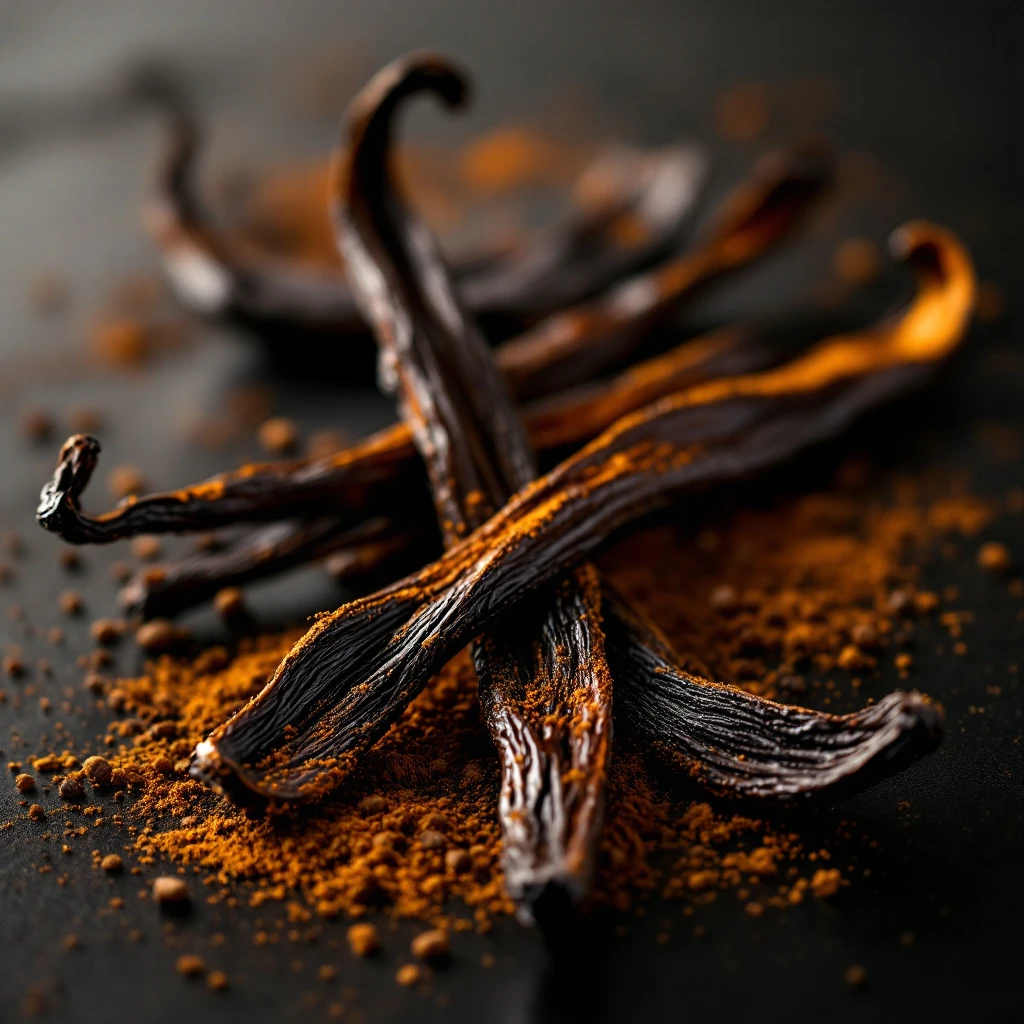
Toasted, smoky undertones give this Bourbon vanilla an edge. Sun-cured pods develop deep caramel richness, then slow-roasted to unlock a dark, resinous sweetness that lingers like a crackling fire.
Character
How it smells
The depth of smoke meets the comfort of cream.
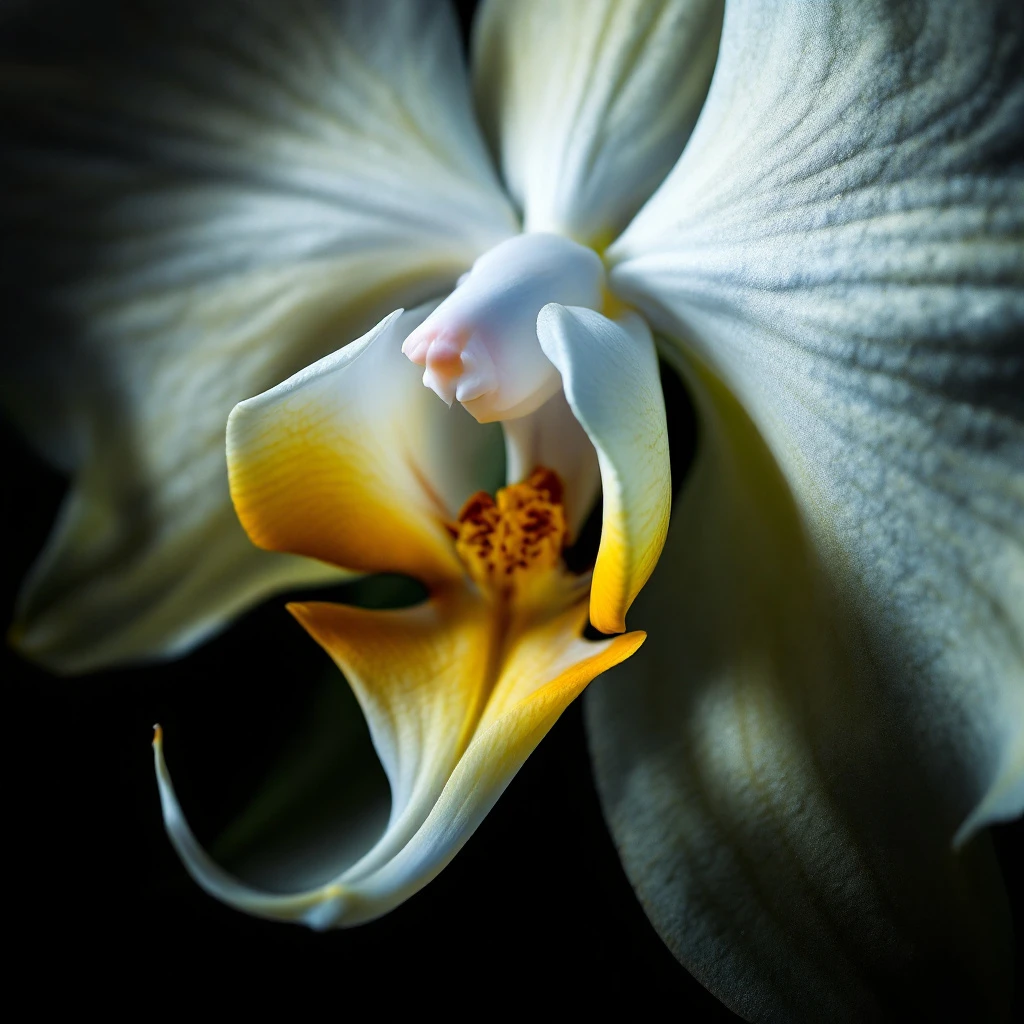
A single vanilla orchid flower opens for only one morning. Without pollination, no pod forms. Beekeepers must work fast.
Pairs beautifully with

Origin
Madagascar
Vanilla originated in Mesoamerica, where the Totonac people prized it as a sacred flavor and currency. Spanish conquistadors brought it to Europe in the 1500s, and for nearly three centuries, Mexico held a global monopoly on production. The French planted vanilla on Réunion Island, then called Bourbon Island, in the early 1800s, but the vines would not fruit without pollinators native to Mexico.
In 1841, a twelve-year-old enslaved boy named Edmond Albius solved the puzzle by manually pollinating the flowers with a bamboo stick. Vanilla spread to Mauritius, the Seychelles, and most importantly to Madagascar, where volcanic soil and tropical heat created ideal growing conditions. By the early 1900s, Madagascar had become the world's leading producer and remains so today, supplying roughly 80 percent of global vanilla.
The name Bourbon stuck, even as the French island was renamed Réunion.
Wears it best
Fragrances featuring Roasted Bourbon Vanilla
Brands
Brands known for Roasted Bourbon Vanilla
Good to know
Questions, answered
The essentials on Roasted Bourbon Vanilla in perfumery: how it smells, where it comes from, and how it behaves on skin.
What makes roasted Bourbon vanilla different from regular vanilla?
Roasting adds toasted, smoky layers that basic vanilla extracts lack. The curing process caramelizes sugars in the pod, creating darker, more resinous aroma compounds that smell less sweet and more complex.
Where does Bourbon vanilla come from?
Despite the name, most Bourbon vanilla today grows in Madagascar. The name references Réunion Island, once called Bourbon, where French colonists first cultivated the species successfully in the 1800s.
How long does it take to cure Bourbon vanilla pods?
Harvested green pods require six to nine months of sweating and sun-drying. This slow process develops the pods' dark color, rich aroma, and the hundreds of flavor compounds that give natural vanilla its complexity.
Why is natural vanilla so expensive in perfume?
Each orchid flower opens for just one morning. Hand pollination is required outside Mexico. Combined with nine-month curing, vanilla is the second most labor-intensive spice after saffron.
What does Bourbon vanilla smell like?
In its roasted form, it smells less like ice cream and more like burnt sugar, dark caramel, and tobacco leaf. There is a warm, almost smoky depth that synthetic vanillin cannot replicate.
Is roasted vanilla used in food-grade applications too?
Yes. Roasting is a standard step in vanilla production for both food and fragrance. The same cured pods may yield extracts for baking and absolutes for perfume, depending on the extraction method used.
Can you make roasted vanilla at home?
You can mimic it by splitting vanilla pods and toasting them gently in a dry pan. The heat releases aromatic compounds quickly, giving a roasted effect without the months-long curing process.
What other ingredients pair well with roasted Bourbon vanilla?
Smoky materials like guaiac wood, bourbon whiskey absolute, and tonka bean complement its fire-kissed character. In Oriental fragrance structures, it anchors warm resins and balances bright citrus top notes.