Red Beans
Red beans lend a creamy, subtly sweet warmth to fragrance compositions, adding depth without overwhelming. Their soft, powdery facet bridges gourmand accords with earthier, resinous bases.

Character
How it smells
Creamy warmth with a quiet, nutty soul.
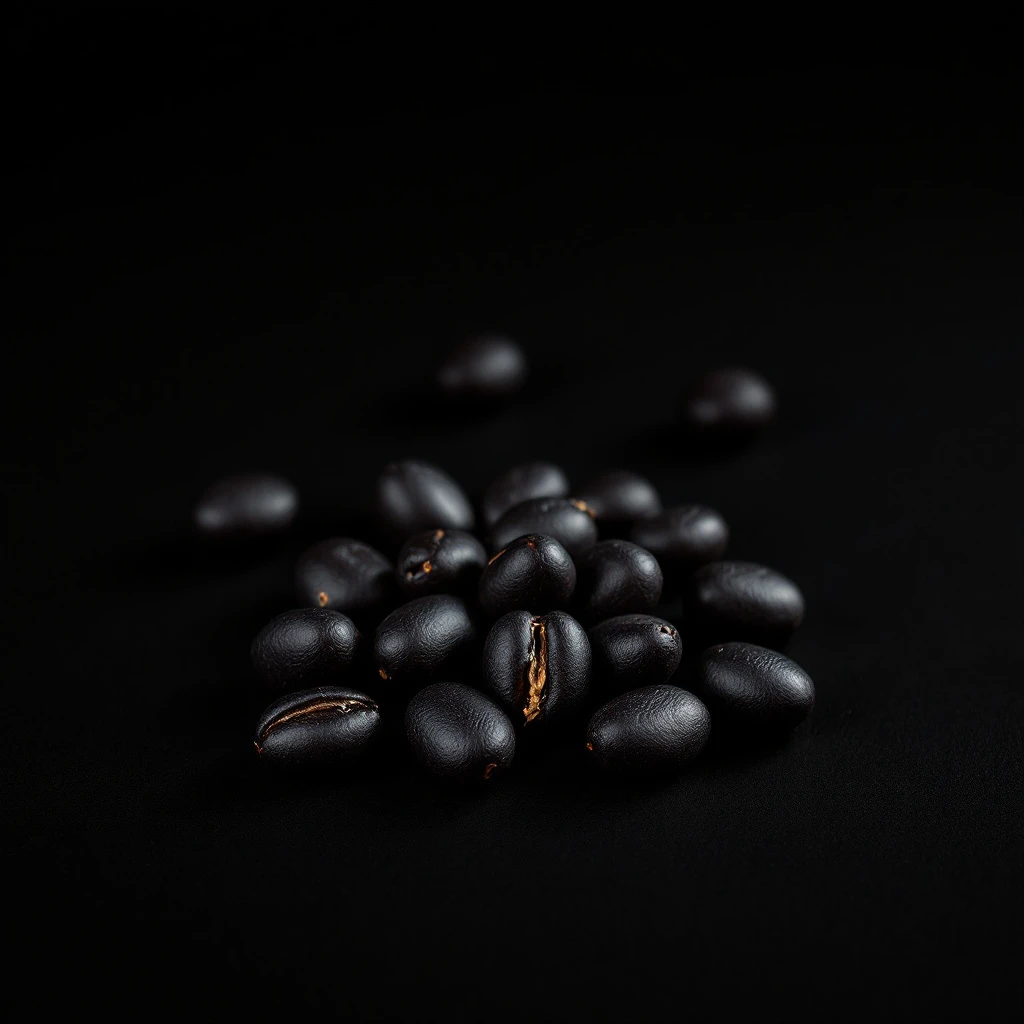
Red beans in perfumery often refer to tonka-like adzuki or kidney bean accords crafted to echo coumarin-rich beans, lending a soft vanillic sweetness to modern compositions.
Pairs beautifully with


Origin
France
Beans of various kinds have threaded through culinary and aromatic traditions for centuries, but their role in perfumery crystallized only when modern chemistry unlocked key aroma molecules. The breakthrough came with coumarin, first isolated from tonka beans in the 1820s by French researchers, and later synthesized commercially in the 1860s.
This single compound rewrote perfumery history: Houbigant's Fougère Royale of 1882, built around coumarin, established the entire fougère family and remains in production. Guerlain's Shalimar (1925) also leaned heavily on coumarin-rich bean accords to create its iconic base.
Red bean notes in contemporary perfumery owe their existence to this legacy, drawing on either tonka-derived extracts or reconstructed accords that capture the same warm, almond-vanilla sweetness. Today, perfumers in Grasse and beyond treat red bean motifs as bridges linking classical European fougères with the gourmand movement that surged in the late twentieth century.
Wears it best
Fragrances featuring Red Beans
Brands
Brands known for Red Beans
Good to know
Questions, answered
The essentials on Red Beans in perfumery: how it smells, where it comes from, and how it behaves on skin.
What does red bean smell like in perfume?
Red bean notes smell creamy, slightly sweet, and subtly nutty with warm vanillic undertones. They soften sharp edges in compositions and add a comforting, almost powdery depth that bridges gourmand and oriental fragrance families.
Is red bean a natural or synthetic perfume ingredient?
Red bean accords can be both natural and synthetic. Natural versions use solvent extracts of dried seeds, while modern perfumers often rely on nature-identical molecules like coumarin and gamma-decalactone for consistency and sustainability.
How is red bean extracted for perfumery?
Dried red beans are crushed and steeped in a food-grade solvent such as ethanol. The dissolved aromatic compounds form an oleoresin, which is then concentrated under vacuum to produce a rich, warm resin used in fragrance compounding.
What is the history of bean-based notes in perfume?
Bean-based notes entered mainstream perfumery after coumarin was isolated from tonka beans in the 1820s and synthesized commercially by the 1860s. Houbigant's Fougère Royale of 1882 became the first major fragrance built on this molecule.
Which famous perfumes feature red bean or tonka accords?
Guerlain's Shalimar (1925) is among the most iconic compositions featuring coumarin-rich bean accords. Many modern orientals and gourmands, including variations within the fougère family, also showcase similar warm bean bases.
Are red bean notes sustainable?
Sustainability varies by source. Natural seed extraction requires agricultural land and water, while synthetic reconstruction using coumarin and lactones reduces environmental footprint and ensures batch consistency for perfumers.
Do red bean notes contain allergens?
Red bean accords based on coumarin are regulated under IFRA standards due to potential skin sensitization. Finished perfumes containing these compounds must comply with concentration limits set by international safety guidelines.
Can red bean notes replace tonka bean in a fragrance?
Red bean and tonka share warm, vanillic sweetness, but tonka offers a deeper hay-like complexity from higher coumarin content. Red bean accords work as softer, creamier substitutes but rarely replicate tonka's full character.





