Portuguese labdanum absolute
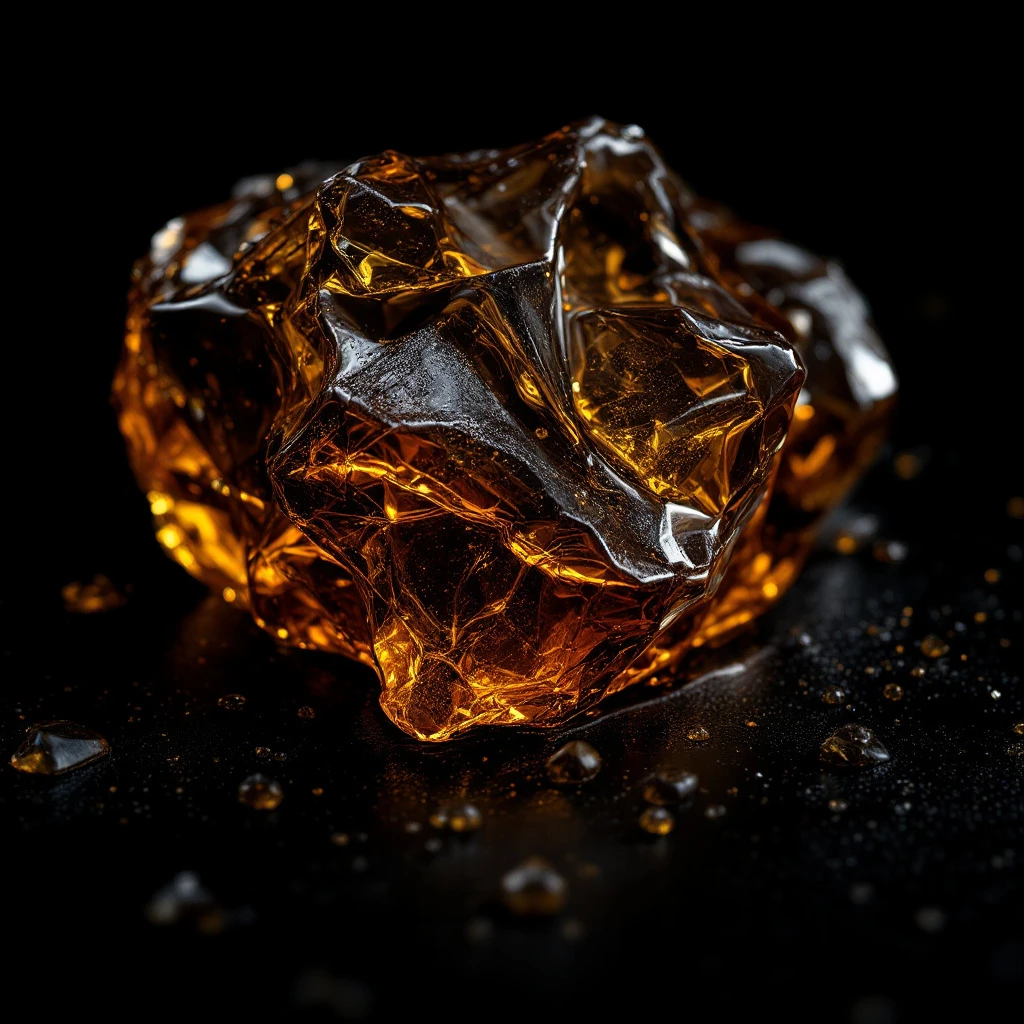
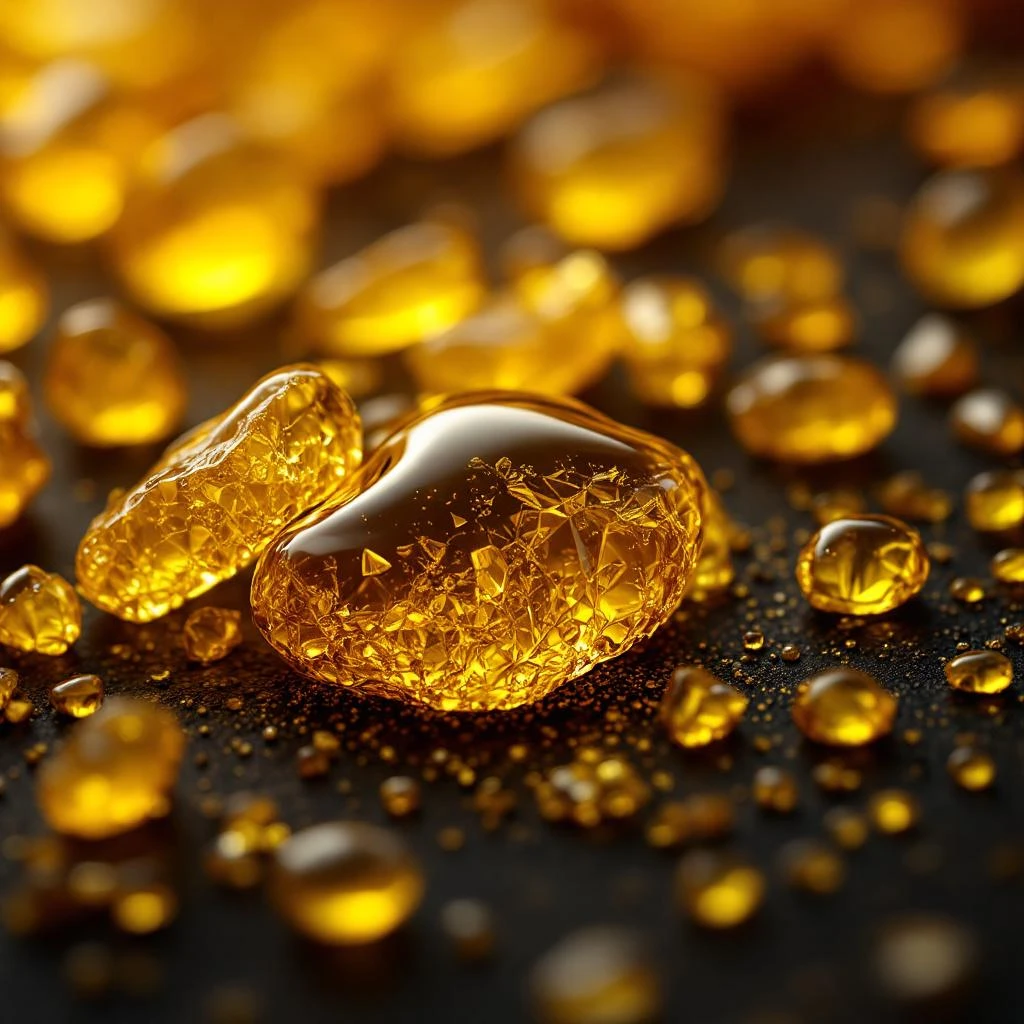
Portuguese labdanum absolute captures the warm, resinous soul of the Mediterranean shrub Cistus ladaniferus. Harvested from wild scrublands along the Iberian coast, this amber-brown concentrate delivers ancient richness to modern fragrance compositions, bridging millennia of perfumery tradition.
Character
How it smells
The Mediterranean amber that endured for centuries.
Ancient Phoenician priests collected labdanum by dragging combs through the beards of goats that fed on rockrose, believing the sticky resin held sacred properties.





Origin
Portugal
Labdanum earned its place among the most treasured aromatics of antiquity. Ancient Egyptians burned it as temple incense and knew it by names including ladanan and black balsam.
Greeks and Romans prized it for sacred ceremonies and medicinal preparations, using it to treat respiratory conditions and wounds. Phoenician merchants transported labdanum across the Mediterranean, trading it as a luxury commodity equal in value to frankincense.
Portuguese and Spanish cultivation of Cistus ladaniferus solidified the Iberian Peninsula as a primary source for European perfumers from medieval times onward. The Renaissance and Enlightenment periods saw labdanum incorporated into early toilet waters and pomades, establishing its role in perfumery that continues today across amber accords, chypre bases, and leather fragrances.
Wears it best
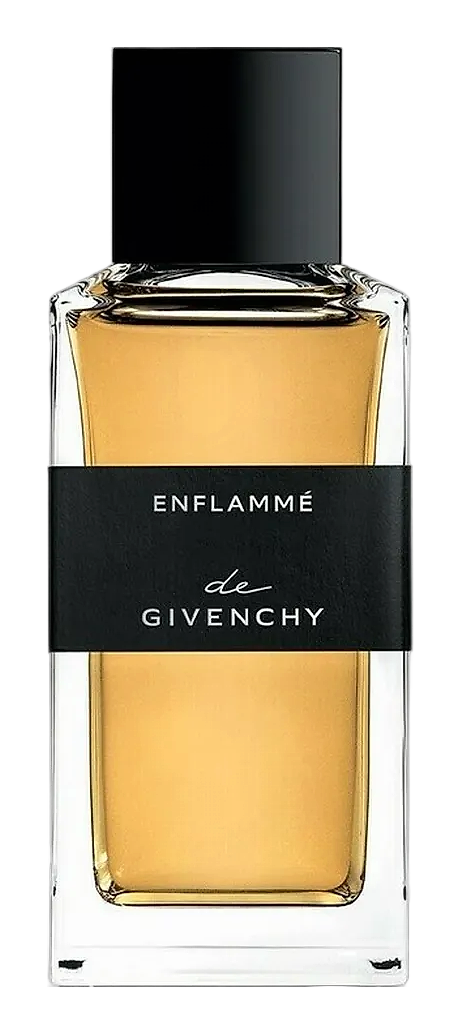
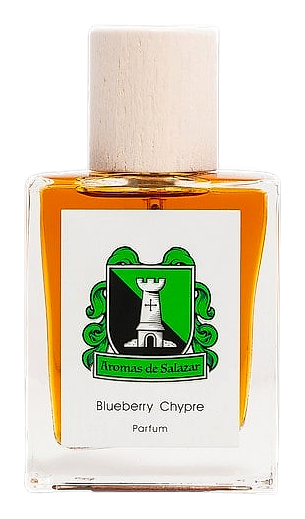
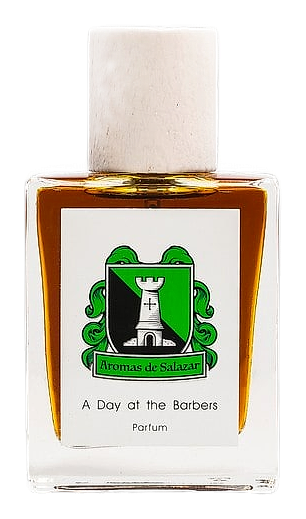
Fragrances featuring Portuguese labdanum absolute
Brands
Brands known for Portuguese labdanum absolute
Good to know
Questions, answered
The essentials on Portuguese labdanum absolute in perfumery: how it smells, where it comes from, and how it behaves on skin.
What does Portuguese labdanum absolute smell like?
Portuguese labdanum absolute presents a warm, resinous character with prominent amber and balsamic qualities. The scent carries leathery undertones, a sticky sweetness reminiscent of honey, and faint woody traces reminiscent of the Mediterranean shrub from which it derives. These layers create the signature amber warmth found in classic and modern perfumes alike.
What makes Portuguese labdanum different from other labdanum sources?
Portugal and Spain produce Cistus ladaniferus in distinct environmental conditions that shape aromatic profiles. Portuguese labdanum often develops a particular richness tied to soil composition and coastal microclimate influences. Several fragrance houses now specifically source Iberian labdanum for its characteristic depth, distinguishing it from North African or Levantine varieties.
Is Portuguese labdanum absolute natural or synthetic?
Portuguese labdanum absolute is fully natural, obtained through solvent extraction of the crude resin produced by Cistus ladaniferus. The extraction process dissolves aromatic compounds from the raw resin, then removes the solvent to leave the concentrated absolute. No artificial aroma chemicals are added in authentic labdanum absolute production.
What extraction process creates labdanum absolute?
Solvent extraction yields labdanum absolute from the crude resin of Cistus ladaniferus. Harvesters collect sticky resin from the rockrose shrub, then process it using food-grade solvents like hexane or ethanol. After solvent evaporation, a dark, viscous aromatic concentrate remains. This material differs from labdanum essential oil, which producers obtain via hydrodistillation.
Which perfume families commonly use Portuguese labdanum absolute?
Labdanum absolute serves as a foundational ingredient across amber, chypre, leather, and oriental fragrance families. Perfumers combine it with patchouli, oakmoss, and bergamot in chypre compositions or layer it with vanillin and benzoin for oriental amber effects. Leather fragrances often feature labdanum alongside clary sage andbirch tar for distinctive smoky depth.
How long has labdanum been used in perfumery?
Labdanum has appeared in perfumery for at least 3,000 years. The ancient Egyptians first incorporated it into temple incense and medicinal preparations. Greek and Roman cultures expanded its ceremonial applications. Medieval Arabian physicians documented its therapeutic uses, while European perfumers adopted it during the Renaissance, establishing a continuous tradition unlike nearly any other natural material.
What parts of the Cistus ladaniferus plant are used for labdanum?
Producers harvest labdanum from the resinous exudate produced by the leaves and young stems of Cistus ladaniferus, commonly called the rockrose or lavender cyst. The sticky resin coats foliage as a natural defence against moisture loss and herbivore browsing. Harvesters gather this resin directly from wild plants growing in Mediterranean scrubland.
Can labdanum absolute be combined with other amber ingredients?
Labdanum absolute combines exceptionally well with complementary amber materials. Vanilla absolute intensifies its sweetness while maintaining structural coherence. Benzoin and storax deepen the balsamic character without muddying the composition. A small proportion of labdanum in a formula typically anchors sweeter materials effectively, making it a workhorse fixative in oriental and warm fragrance development.