Salvadorian tolu balm
A warm, resinous treasure from the cloud forests of Central America. Salvadorian tolu balm carries honeyed benzoin undertones with soft vanilla and whispers of cinnamon. Its rich, embracing quality has anchored Oriental fragrances and aromatic oils for centuries.
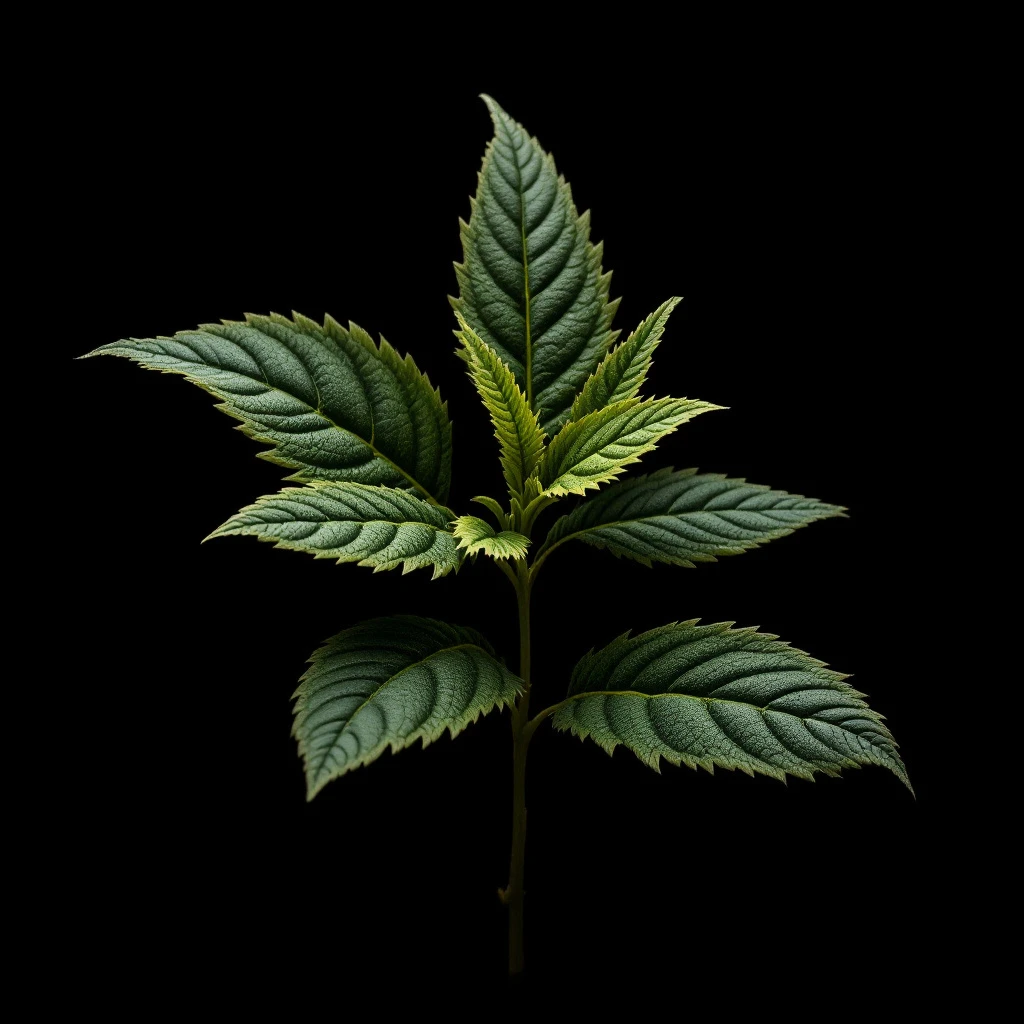
Character
How it smells
Soft resinous warmth with vanilla and benzoin undertones
The 'Peru' in its commercial name is a historical misnomer. This material actually originates in El Salvador, not Peru, dating back to Spanish colonial trade routes.


Origin
El Salvador
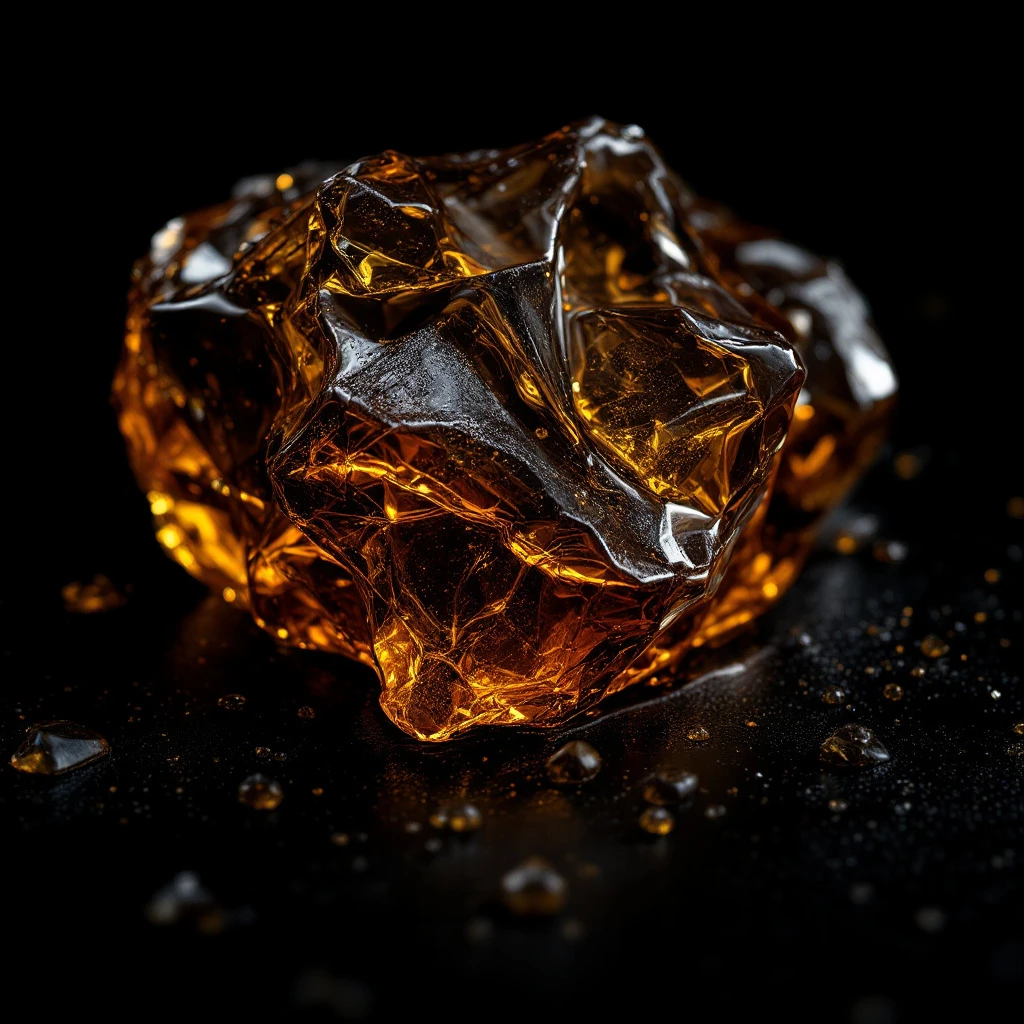
The story of this resin begins with a cartographer's error. During Spanish colonial rule, export shipments departed from the port of Callao in Peru but originated from El Salvador. European traders attached the Peru label to the material, and the name persisted despite the botanical truth.
Indigenous peoples of the region long valued the Myroxylon pereirae tree, using its resin in ceremonial practices and traditional medicine. Franciscan friars documented its healing properties in the 1600s. When European perfumers encountered the material in the 17th and 18th centuries, they incorporated it into heavy Oriental fragrances and sought-after toiletries.
The resin traveled along established trade routes from Central America to Spain, then dispersed across the continent. It appeared in recipe compilations for perfumes, powders, and pomanders. Today, El Salvador and Nicaragua remain the only verified sources, as attempts to cultivate the tree elsewhere have not succeeded in producing comparable resin quality.
Wears it best
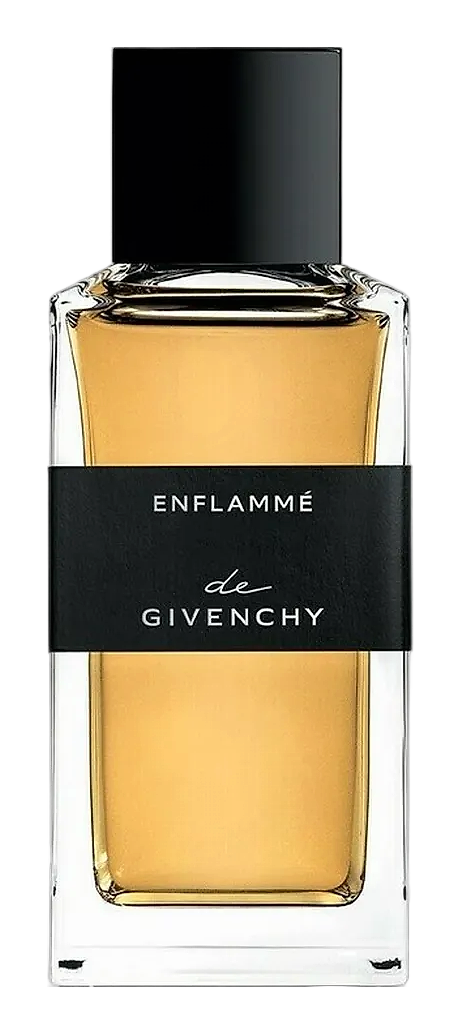
Fragrances featuring Salvadorian tolu balm
Brands
Brands known for Salvadorian tolu balm
Good to know
Questions, answered
The essentials on Salvadorian tolu balm in perfumery: how it smells, where it comes from, and how it behaves on skin.
What does Salvadorian tolu balm smell like?
It features warm balsamic sweetness with honeyed benzoin undertones, soft vanilla nuances, and subtle cinnamon-like warmth. The scent is resinous, rich, and comforting.
Where does tolu balm originate?
Despite its common name, Balsam of Peru actually comes from El Salvador and Nicaragua. The misnomer emerged during Spanish colonial trade, when shipments routed through Callao, Peru.
How is tolu balm harvested?
Harvesters wound the tree bark, bound the area with cloth, and allowed the resin to accumulate over approximately six weeks before extraction through boiling and processing.
Is tolu balm related to Peru balsam?
They share the genus Myroxylon but differ species. Tolu balsam comes from Myroxylon balsamum in Colombia, while Salvadorian origin refers to Myroxylon pereirae.
What fragrance families use tolu balm?
Perfumers employ it in Oriental fragrances, amber compositions, chypres, and heavy florals. It lends warmth and tenacity as both a fixative and a primary note.
Does tolu balm come from Peru?
No. The name is historically misleading. The Myroxylon pereirae tree grows exclusively in El Salvador and Nicaragua, never successfully cultivated elsewhere.
Is tolu balm a resin or essential oil?
It begins as an oleoresin—a natural mixture of resinous compounds and essential oils secreted by the wounded tree. Processing yields semi-solid resinoid forms used in perfumery.
What traditional uses does tolu balm have?
Indigenous cultures of Central America used it in ceremonial incense and folk medicine. Franciscan friars documented its healing properties in colonial-era texts.