Pink passion flower
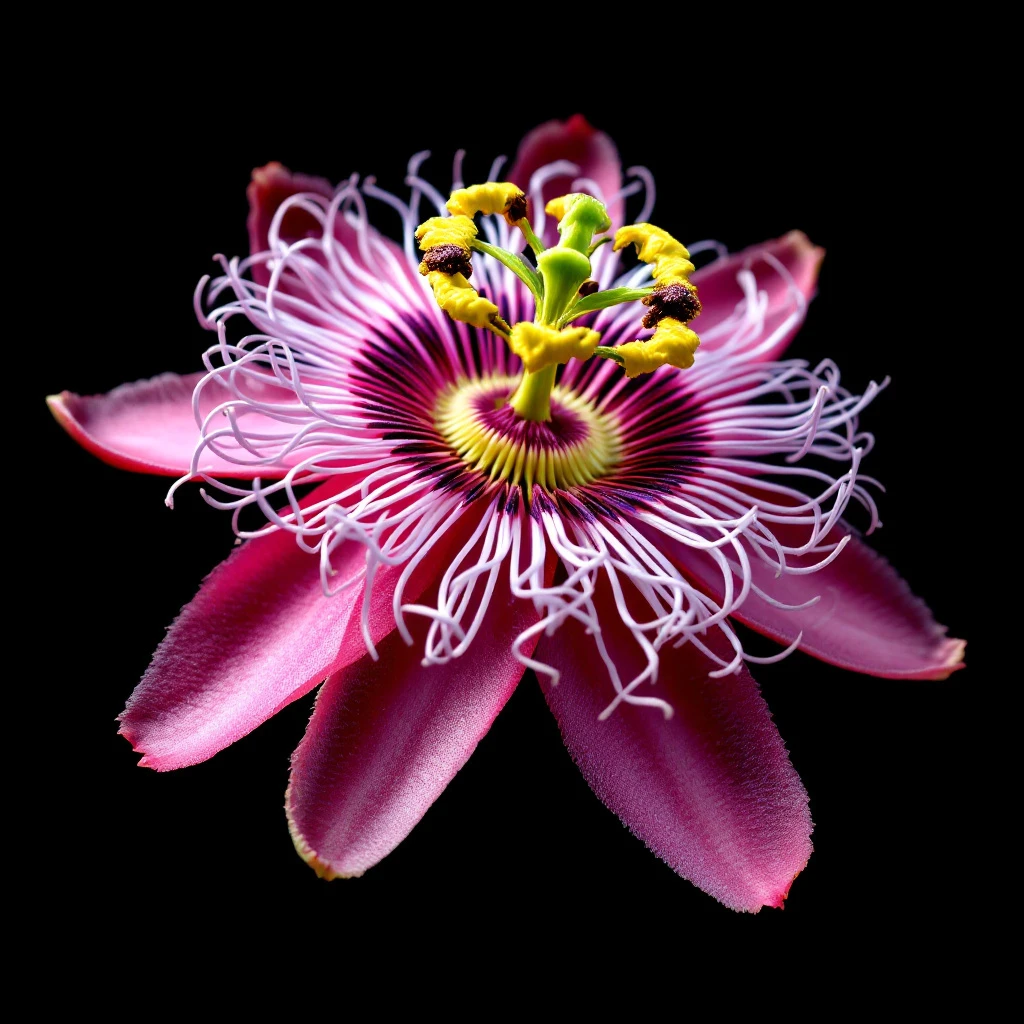
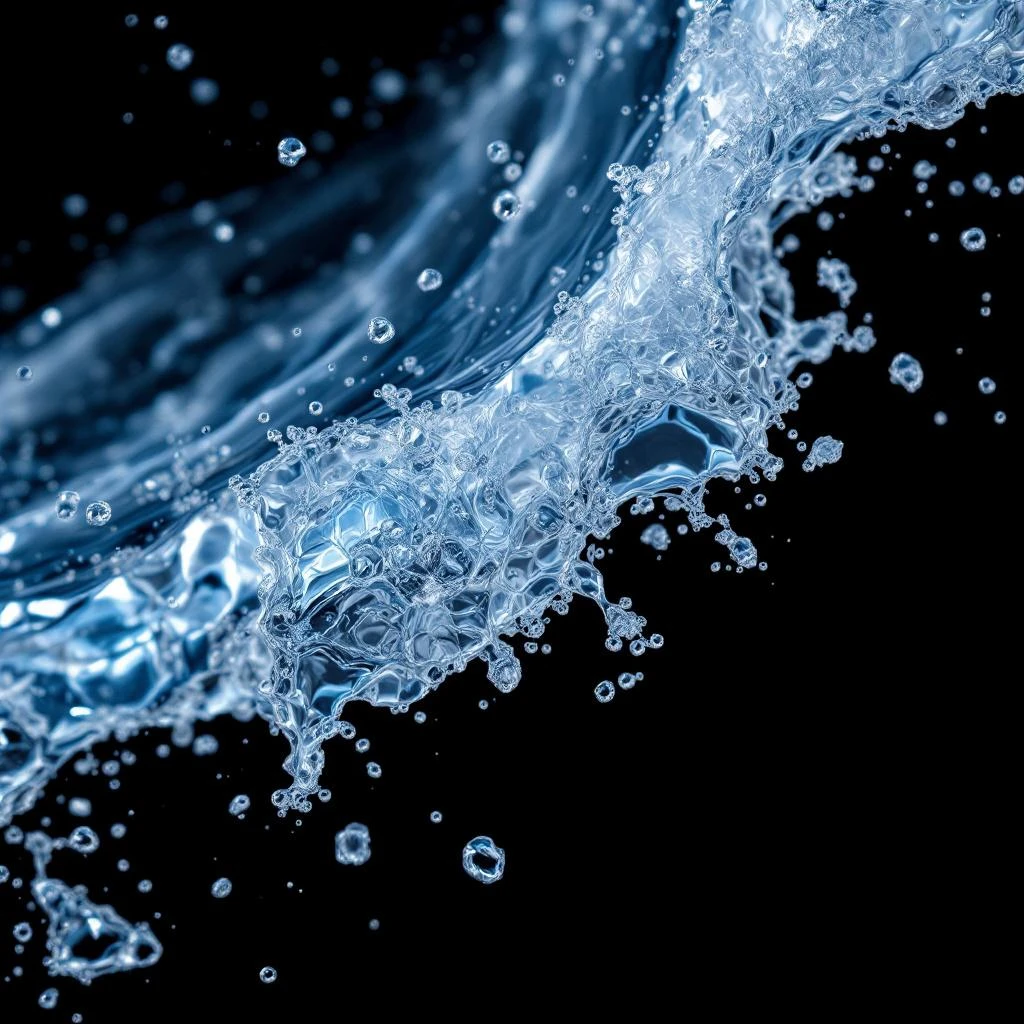
Pink passion flower offers a green, metallic-watery scent unlike its tropical fruit sibling. In perfumery, it evokes crushed stems and wet leaves rather than sweetness, adding an unexpected freshness to florals.
Character
How it smells
The bloom that defied its sweet reputation.
Spanish missionaries named this flower by interpreting its complex parts as symbols of Christ's Passion, giving Passiflora its sacred etymology.



Origin
Peru
Spanish missionaries encountered Passiflora in the 16th century while exploring the Americas and immediately recognized its theological symbolism. The flower's elaborate corona filaments reminded them of Christ's crown of thorns. The five stamens evoked his five wounds. Three pistils represented the Holy Trinity.
Ten petal-like sepals stood for the apostles present during the crucifixion. They named it Flor de la Pasión, the flower of suffering, because each structural element mapped onto a moment of Christ's Passion narrative. Carl Linnaeus later standardized this as the genus Passiflora in his 18th-century taxonomic system. By the Victorian era, passion flowers had spread through European botanical gardens and inspired exotic horticultural obsession.
Despite the elaborate religious history, the actual bloom carries a scent that surprises most people familiar with the edible fruit. Where they expect sweetness, perfumers encounter something cooler, greener, and more aquatic. The disconnect between expectation and reality is part of what makes this ingredient so compelling in modern fragrance composition.
Wears it best
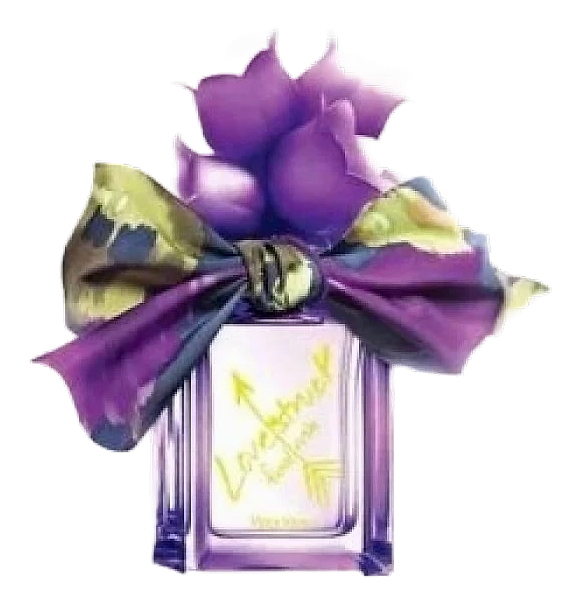
Fragrances featuring Pink passion flower
Brands
Brands known for Pink passion flower
Good to know
Questions, answered
The essentials on Pink passion flower in perfumery: how it smells, where it comes from, and how it behaves on skin.
What does pink passion flower smell like in perfumery?
Pink passion flower absolute reads as green and metallic-watery. It recalls crushed stems and wet garden leaves. It bears almost no resemblance to the sweet tropical aroma most people associate with the passion fruit they eat.
Is passion flower used for fragrance or only flavor?
Both, but differently. The fruit dominates culinary use for its tropical sweetness. The bloom yields an absolute used in fine fragrance to add green, aquatic freshness to floral compositions.
How is passion flower absolute produced?
Freshly harvested flowers undergo solvent extraction, typically with hexane. The solvent dissolves fragrant compounds, then gets removed, leaving concrete that is washed with chilled alcohol to isolate the absolute.
Where does passion flower for perfumery come from?
Peru is the primary origin, though other Passiflora species grow across South America, Central America, and parts of Asia. Climate and soil conditions affect the aromatic profile of the harvested blooms.
Does passion flower absolute smell like passion fruit?
No. The fruit offers sweet, tropical, slightly tart notes. The flower absolute delivers green, watery, and faintly metallic impressions. They share a name but not an olfactory character.
Is natural passion flower extract widely available?
Relatively limited. Hundreds of blooms are needed to produce a single gram of absolute, making it uncommon compared to other floral ingredients. Many perfumers pair it with synthetic captures to extend its presence.
What fragrance families pair well with pink passion flower?
It complements green florals, chypres, and modern aquatic compositions. The metallic-watery quality works particularly well alongside galbanum, white musks, and transparent jasmine accords.
Where did the name passion flower originate?
Spanish missionaries in the 16th century named it after the Passion of Christ. They mapped the flower's structure onto elements of the crucifixion narrative, interpreting filaments as a crown of thorns and stamens as wounds.