Physcool
Physcool® delivers an immediate, refreshingly cool sensation to the skin, transforming fragrance wear into an interactive sensory experience that lingers long after application.
Character
How it smells
Instant cooling that transforms how fragrance feels.
The same receptor in your skin that responds to menthol also detects actual cold temperatures, explaining why these ingredients feel so realistic.
Pairs beautifully with
Origin
Switzerland
Cooling agents entered perfumery through menthol, extracted from peppermint since ancient Egyptian times. However, menthol's strong odor limited its use in fine fragrance.
The 20th century brought synthetic alternatives designed purely for their cooling effect without aromatic interference. Perfumers initially used these compounds primarily in oral care and topical products.
Fragrance houses later recognized their potential for adding tactile dimension to wearable scents. Today, cooling ingredients represent a significant category in functional perfumery, particularly in products marketed for warm-weather wear, post-shave application, and sensory innovation.
Wears it best
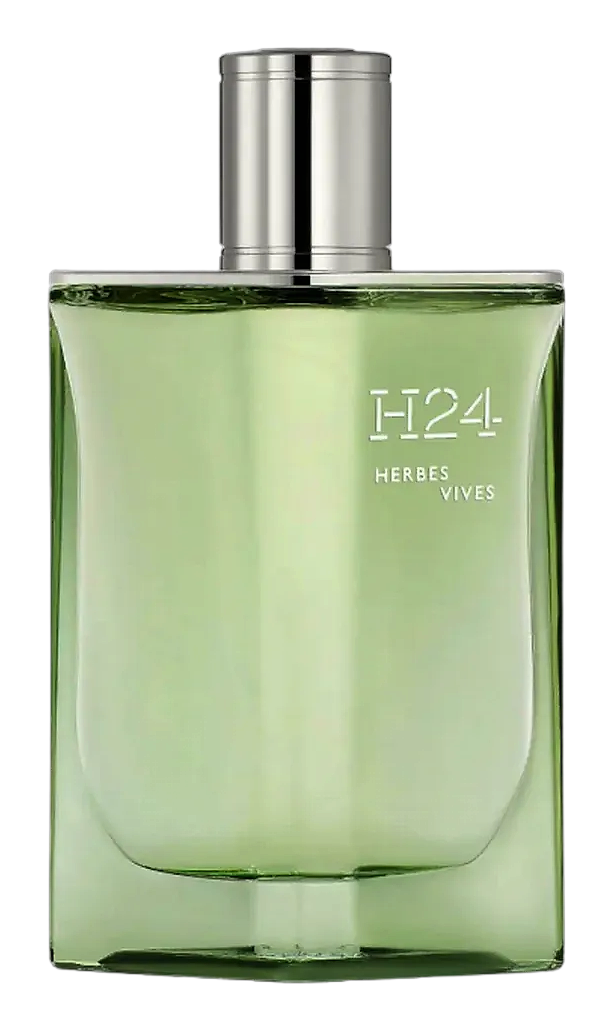
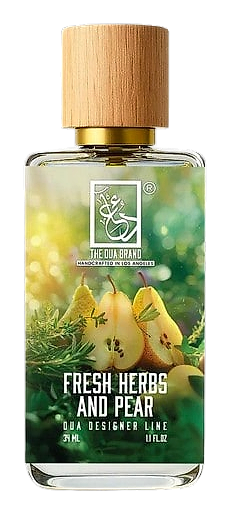
Fragrances featuring Physcool
Brands
Brands known for Physcool
Good to know
Questions, answered
The essentials on Physcool in perfumery: how it smells, where it comes from, and how it behaves on skin.
What does Physcool® smell like?
Physcool® is essentially odorless. Unlike menthol, it provides cooling without adding any fragrance note, allowing it to enhance any scent without altering its character.
How long does the cooling effect last?
The cooling sensation typically persists for 15 to 30 minutes depending on concentration and skin type, fading gradually as the compound dissipates from the skin surface.
Is Physcool® safe for sensitive skin?
Regulatory bodies including IFRA approve Physcool® for cosmetic use at specified concentrations. Sensitive individuals should patch test new products containing this ingredient.
Which fragrance families commonly use cooling ingredients?
Fresh, aquatic, and citrus fragrances most frequently incorporate cooling agents. Perfumers also add them to masculine fougère and sport-focused formulations for their refreshing quality.
Does temperature affect how cooling ingredients perform?
Cooling ingredients work through receptor activation rather than temperature change, so they perform consistently regardless of ambient conditions or body temperature.
Can cooling and warming ingredients coexist in one fragrance?
Perfumers sometimes layer cooling agents with warming ingredients like vanilla or spice to create interesting contrast, though balancing these opposing sensations requires skilled formulation.
How much Physcool® do perfumers typically use?
Concentrations usually range from 0.1% to 2% in fragrance concentrates, as the cooling effect is potent and excessive use can create uncomfortable sensations.
What is the difference between menthol and synthetic cooling agents?
Menthol carries its own distinct minty aroma, while synthetic alternatives like Physcool® deliver pure cooling sensation without any added fragrance note, giving perfumers greater control over the final scent.
In the same family