Pakistani rose
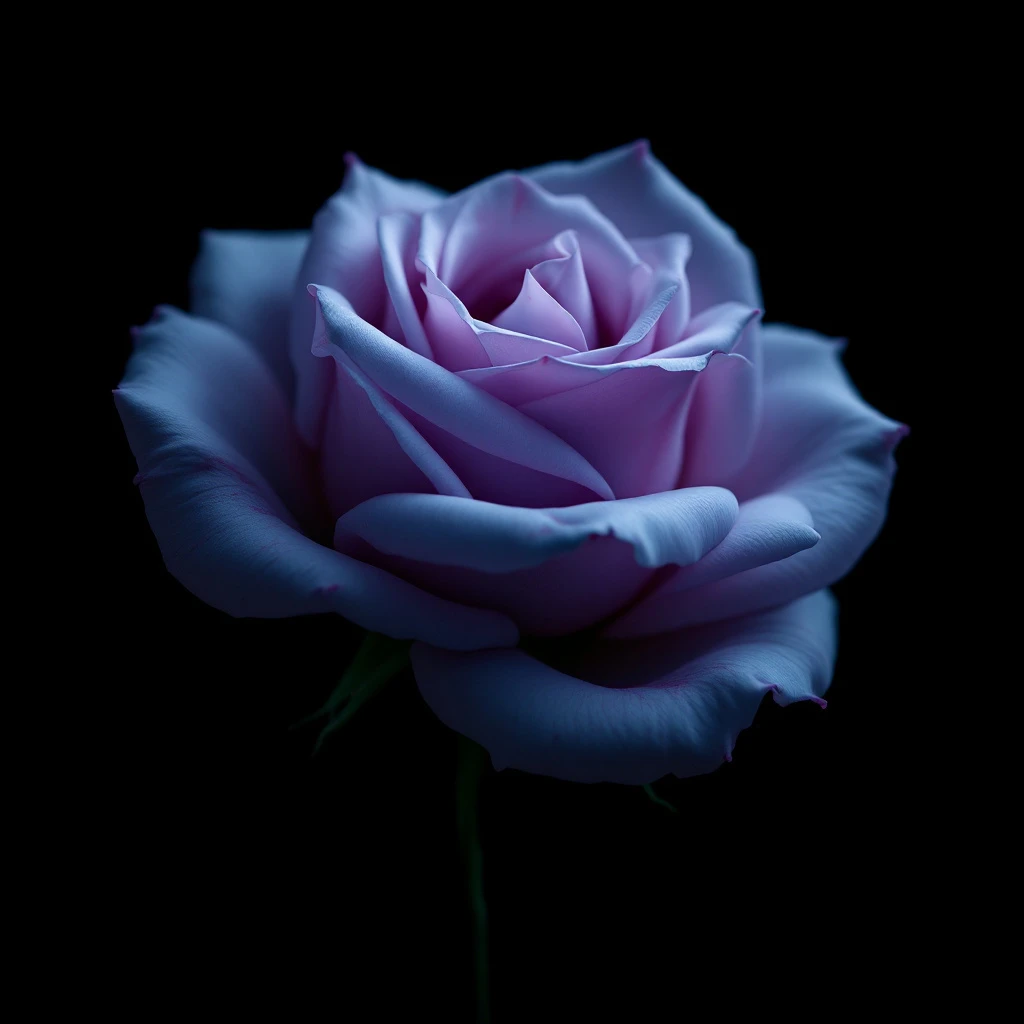
Pakistani rose distills a deeper, honeyed floral warmth that sets it apart from lighter rose origins. Grown in Punjab's elevated valleys and harvested by hand at dawn, this rose carries undertones of warm spice and waxy sweetness born from high-altitude cultivation.
Character
How it smells
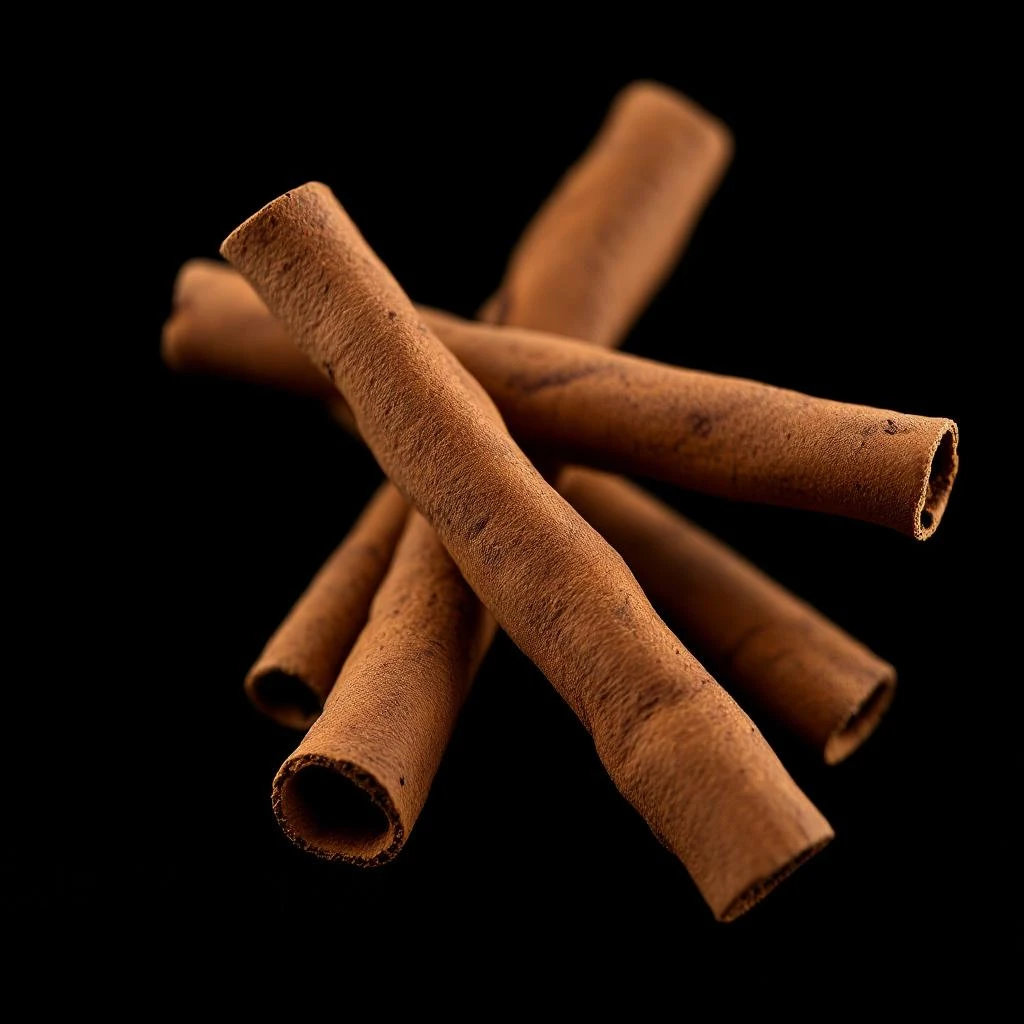
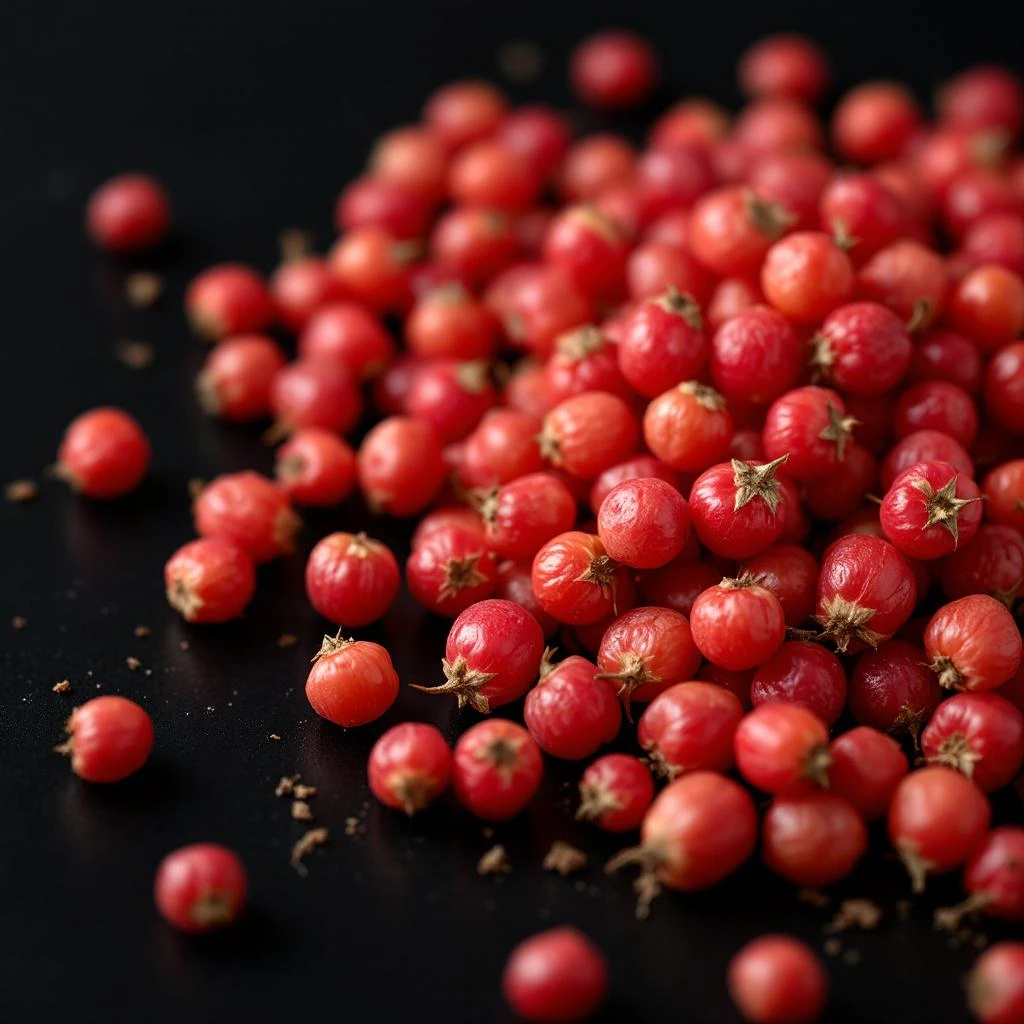
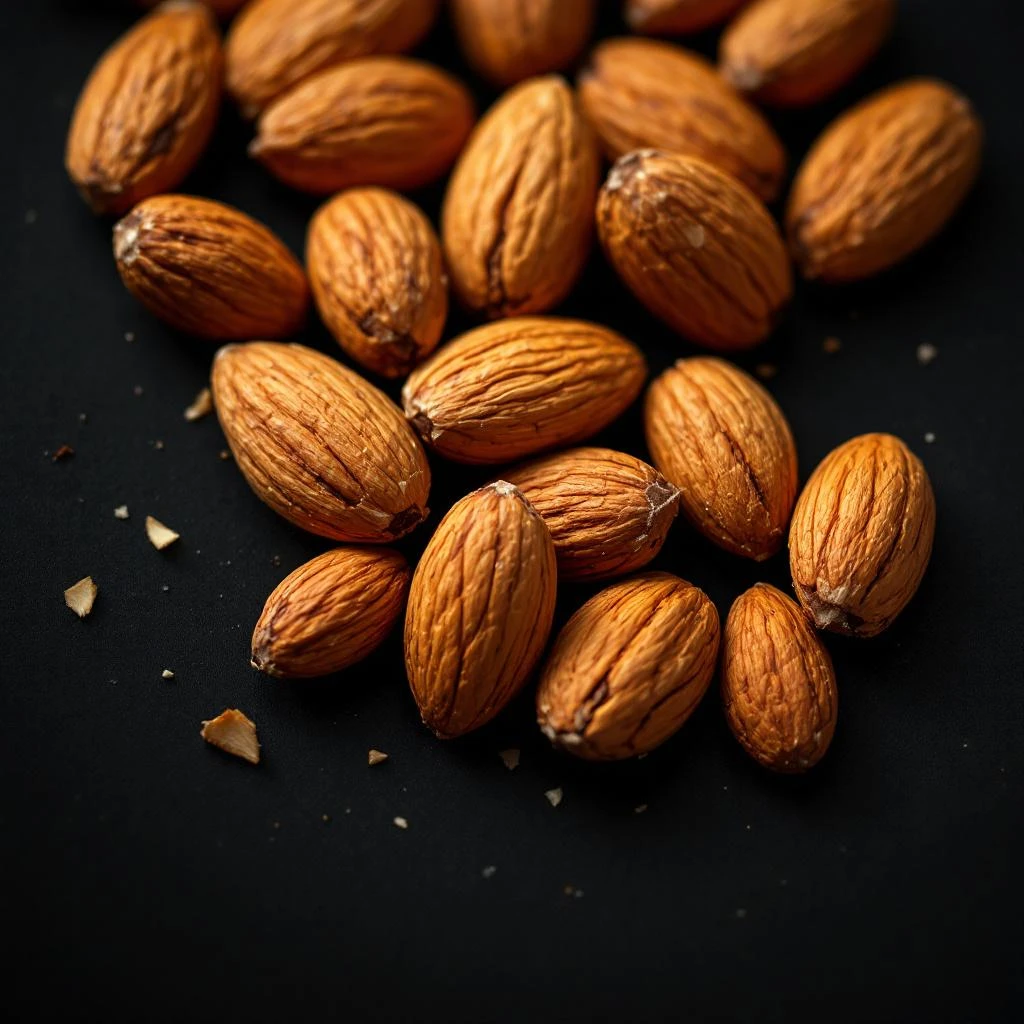
Deeply honeyed, spice-kissed floral.
It takes roughly 10,000 pounds of rose petals harvested before sunrise to produce a single pound of absolute.



Origin
Pakistan
The rose has been cultivated along the Pakistan-India corridor for centuries, with origins tracing to ancient Persian and Mughal garden traditions that prized the flower for both fragrance and medicinal use. Pakistan's rose industry developed significantly in the 20th century, with researchers focusing on Rosa centifolia extraction for premium aromatic products. The country fits within the broader South Asian rose belt that historically supplied ingredients to Persia, Arabia, and eventually European fragrance houses.
Pakistani rose cultivation benefits from a climate that produces a distinct volatile profile compared to Bulgarian or Turkish rose. While not as historically prominent as the Damascus rose routes of Persia, Pakistani rose has carved a niche in fine perfumery for its specific character.
Wears it best
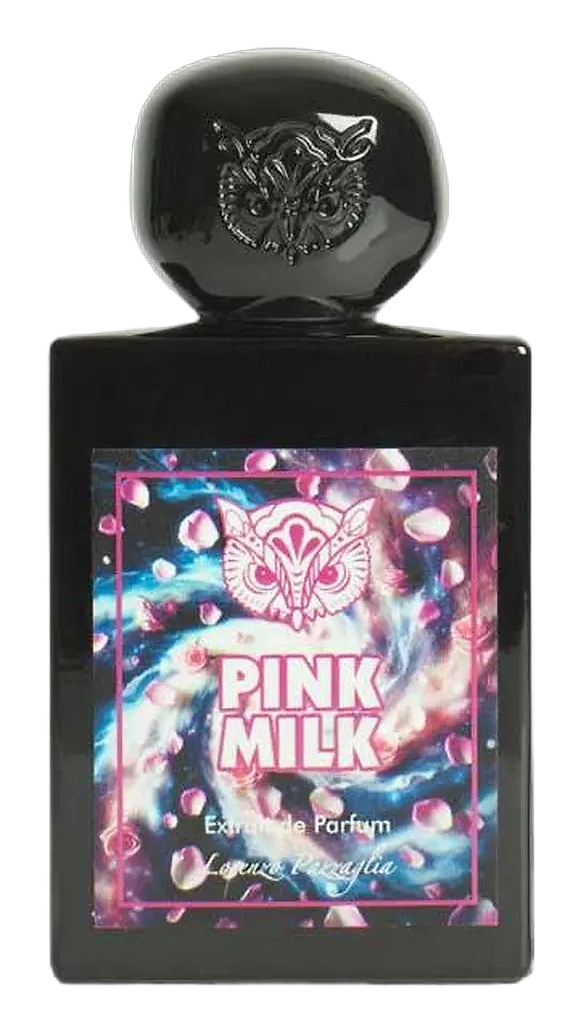
Fragrances featuring Pakistani rose
Brands
Brands known for Pakistani rose
Good to know
Questions, answered
The essentials on Pakistani rose in perfumery: how it smells, where it comes from, and how it behaves on skin.
What makes Pakistani rose distinct in perfumery?
Pakistani rose offers a deeper, honeyed warmth with spice undertones and waxy sweetness. High-altitude Punjab cultivation produces a unique volatile profile compared to lighter Bulgarian or Turkish rose.
How much rose is needed to produce rose absolute?
Approximately 10,000 pounds of hand-harvested petals yield one pound of absolute. This extreme ratio explains rose absolute's commanding price in fine fragrance formulations.
What extraction methods suit Pakistani rose?
Solvent extraction captures the full aromatic spectrum for absolutes, while steam distillation produces lighter attar. The choice depends on whether perfumers prioritize depth or delicate floral freshness.
When is Pakistani rose harvested?
Harvesting occurs in early morning hours when essential oil concentration peaks in petals. This labor-intensive practice requires multiple daily passes through fields over a short blooming season.
Which rose varieties does Pakistan cultivate?
Researchers focus primarily on Rosa centifolia for premium aromatic extraction. This thorny variety suits Pakistani climate conditions and produces the deeply honeyed character valued in fine perfumery.
How does Pakistani rose compare to Bulgarian rose?
Bulgarian Rosa Damascena carries a fresher, more citrus-floral character. Pakistani rose from similar high-altitude regions tends toward deeper honey notes with warmer spice undertones.
Is Pakistani rose sustainable?
Small-scale cultivation supports rural livelihoods, but limited expansion reflects labor intensity and land constraints. Research continues developing higher-yield varieties without compromising quality.
What fragrance families use Pakistani rose?
Floral, oriental, and chypre compositions benefit from Pakistani rose's depth. Its honeyed warmth performs well in heart notes and pairs with oud, amber, and sandalwood bases.