Ostrich Fern
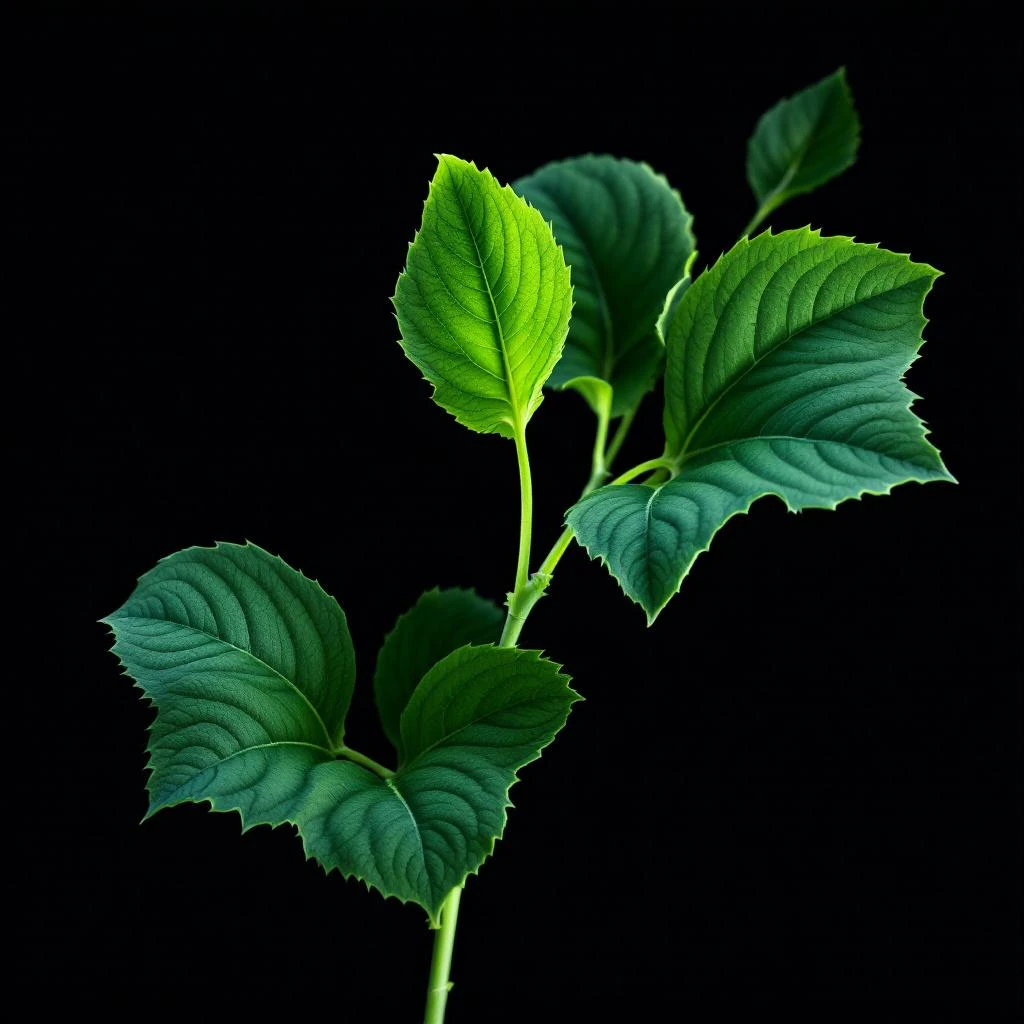
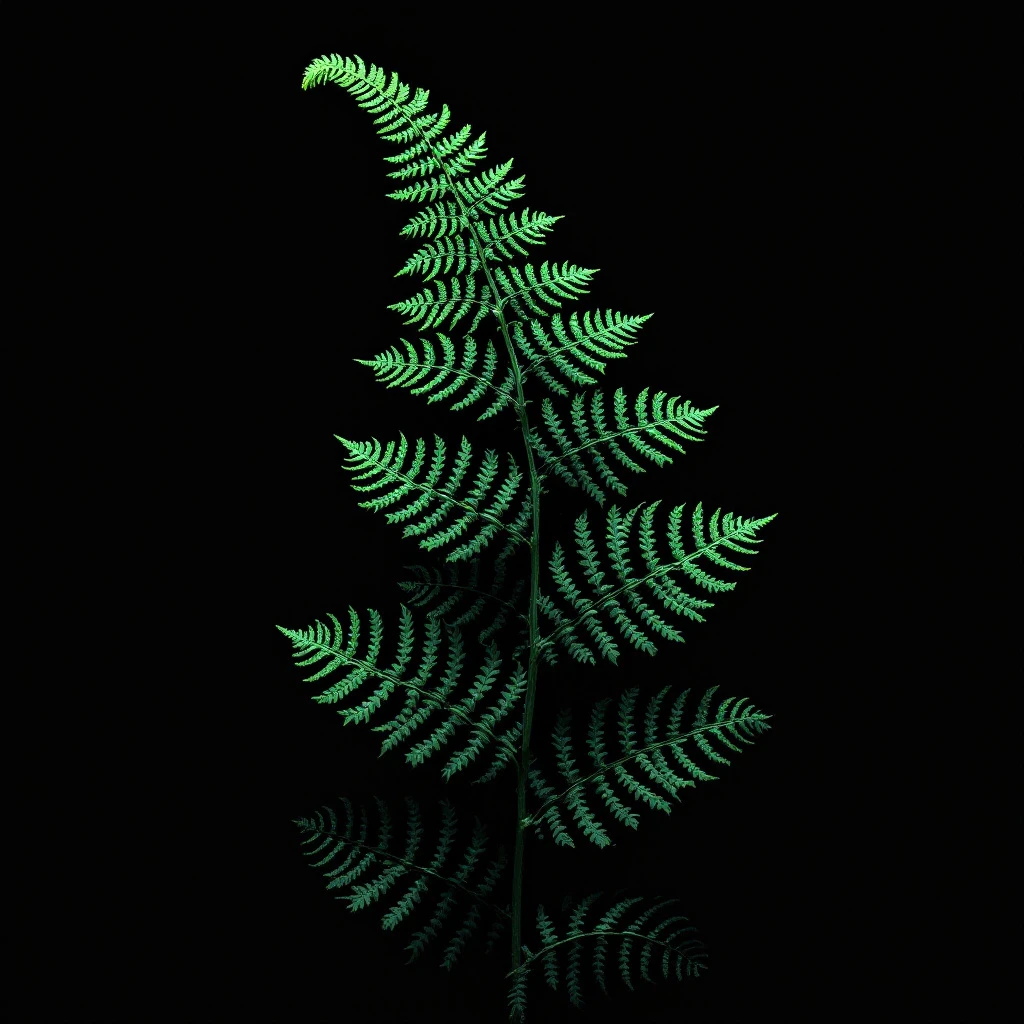
Ostrich Fern (Matteuccia struthiopteris) is prized in perfumery for its cool, green, and dewy aroma reminiscent of shaded forest floors after rain. While rarely extracted as a true absolute, its botanical essence inspires the fresh, aquatic-green heart of many fragrances. The young fiddleheads also hold culinary significance across indigenous and foraged-food traditions.
Character
How it smells
Cool forest greens captured in scent
Ostrich fern fiddleheads were a staple food source for indigenous peoples across eastern North America, harvested each spring as one of the first signs of the season's turn.
Pairs beautifully with
Origin
United States
Ostrich fern has grown across temperate forests of the Northern Hemisphere for millennia, thriving in the moist, shaded understory from eastern North America to Japan. While it played no formal role in ancient perfumery traditions, the plant held cultural significance through its fiddleheads, which indigenous peoples harvested as a seasonal food source and sometimes used in traditional preparations. The classic fern accord in perfumery emerged in the 19th century with the rise of synthetic chemistry, when perfumers began blending natural materials like oakmoss with newly isolated aromatic compounds to recreate the fresh, green, slightly mossy sensation of walking through a fern-filled forest.
The fougere fragrance family took its name from this French word for fern, and remains one of perfumery's most enduring categories. Today, true ostrich fern inspiration lives on through modern green and aromatic fragrances that seek to bottle the feeling of damp woodland air.
Wears it best
Fragrances featuring Ostrich Fern
Brands
Brands known for Ostrich Fern
Good to know
Questions, answered
The essentials on Ostrich Fern in perfumery: how it smells, where it comes from, and how it behaves on skin.
Does ostrich fern actually appear in fragrance formulas?
No. Commercial perfumery does not use ostrich fern absolute or essential oil. The fern note comes from synthetic molecular recreations, primarily leaf alcohol (cis-3-hexen-1-ol) and related green aromatics.
What does ostrich fern smell like?
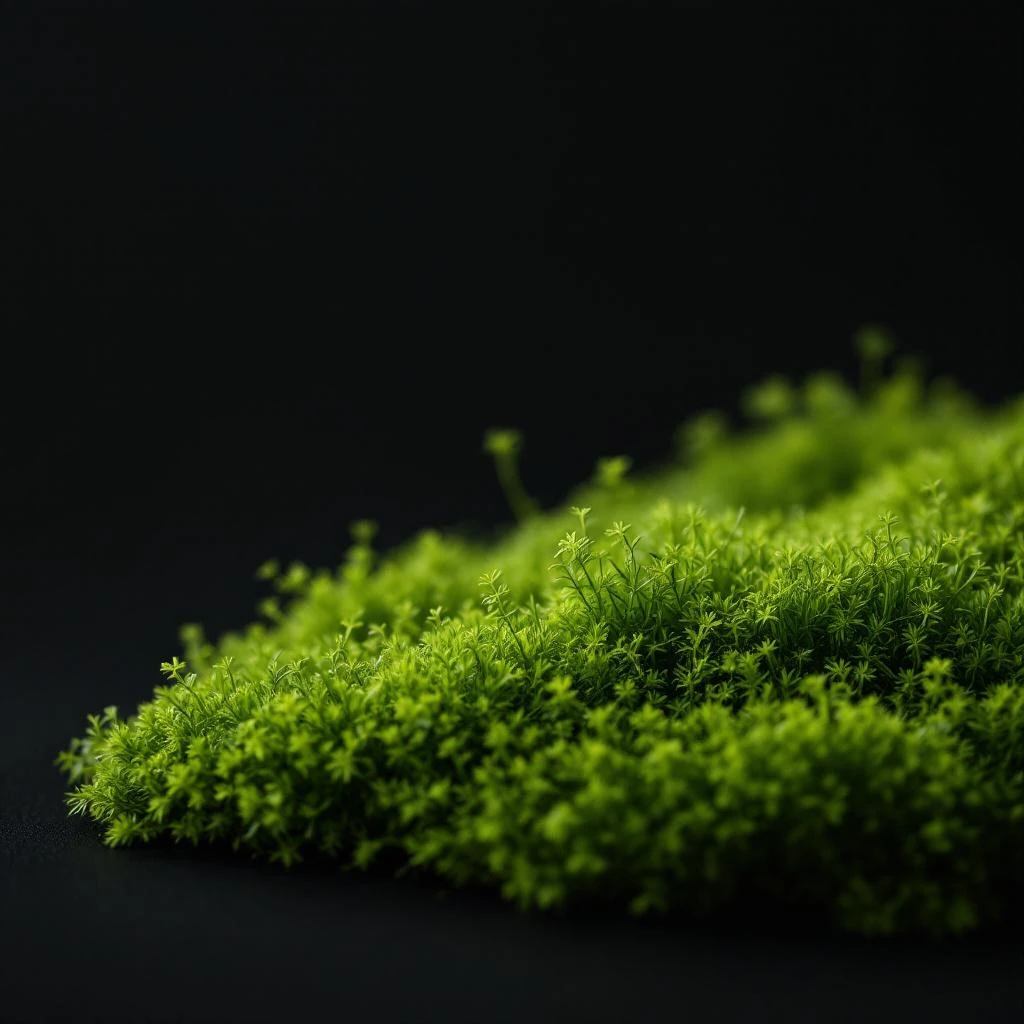
When recreated in perfumery, the scent reads as cool, dewy, and green, with mossy and slightly aquatic character evoking a shaded forest floor after rainfall.
Where does ostrich fern grow?
Matteuccia struthiopteris thrives in moist, cool temperate zones across eastern North America, northern Europe, and parts of Asia, typically along stream banks and woodland understory.
Can ostrich fern be extracted for fragrance use?
The plant produces insufficient volatile compounds for meaningful commercial extraction. Niche producers sometimes use enfleurage or cold maceration of fresh fiddleheads, but this yields a delicate, fleeting product.
What is the fougere fragrance family?
Fougere (French for fern) describes a fragrance category built around fresh, green, and mossy notes. The archetype was Houbigant's Fougere Royal (1882), which used synthetic coumarin alongside natural materials.
Are fiddleheads edible?
Yes. Ostrich fern fiddleheads are harvested each spring across indigenous and foraged-food traditions in eastern North America. They must be cooked before eating, as raw fiddleheads can cause digestive upset.
Why are ferns associated with perfumery if they're rarely used?
The sensation of crushed fern fronds is distinctly green, dewy, and forest-like, which perfumers sought to capture. Early synthetic chemistry made recreating this effect possible without using the actual plant.
Which fragrance families use fern notes?
Fern notes define the aromatic-fougere category and appear frequently in men's fragrances, especially in combinations with lavender, oakmoss, and coumarin. They also surface in fresh green and aquatic fragrances.