Osmanthus Nectar
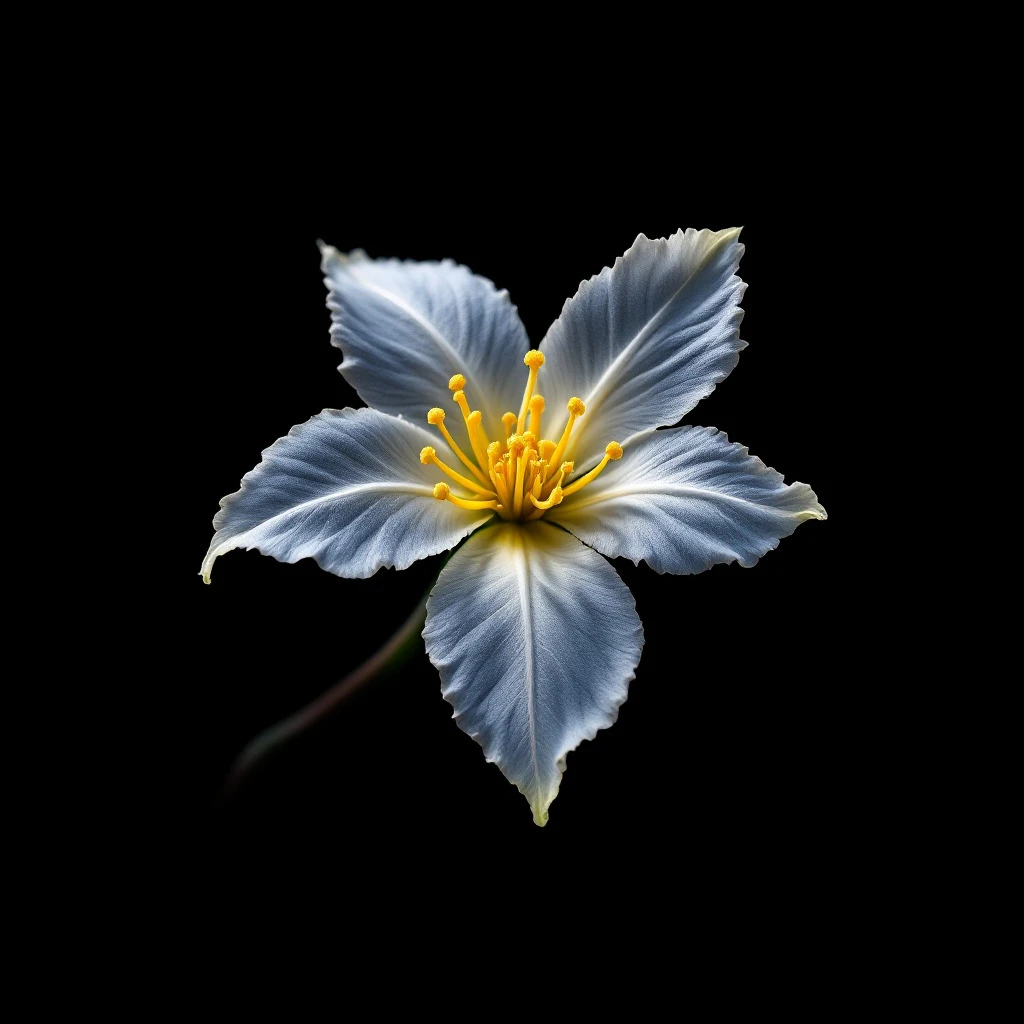
Osmanthus Nectar captures the rare, honeyed apricot bloom of the Fragrant Olive. For two millennia, this East Asian treasure has flavored teas and perfumed gardens. Now it yields one of perfumery's most coveted absolutes.
Character
How it smells
Apricot blossoms, two thousand years in the making.
Only China produces osmanthus concrete worldwide. A single kilogram requires roughly a million hand-picked blossoms.
Pairs beautifully with


Origin
China
Osmanthus has been cultivated in China for over two thousand years, ranking among ten traditional Chinese flowers grown specifically for their fragrance. Ancient texts from the Han dynasty document its presence in imperial gardens, where it symbolized nobility and virtue.
The flower's common names reflect this heritage: Fragrant Olive, Chinese Olive, and Tea Olive reference its traditional use flavoring premium teas throughout East Asia. While Chinese and Japanese gardens have long prized osmanthus for its powerful scent that perfumes entire landscapes, Western perfumery only began incorporating this material in recent decades.
Globalization introduced European perfumers to osmanthus through encounters with Asian tea traditions. Today, the osmanthus absolute produced exclusively in China remains one of the most sought-after natural ingredients in luxury fragrance, carrying two millennia of cultural significance into contemporary perfumery.
Wears it best
Fragrances featuring Osmanthus Nectar
Brands
Brands known for Osmanthus Nectar
Good to know
Questions, answered
The essentials on Osmanthus Nectar in perfumery: how it smells, where it comes from, and how it behaves on skin.
Why is osmanthus absolute so expensive?
Osmanthus requires millions of individual blossoms per kilogram of concrete. Harvesters must collect each flower by hand during a brief autumn window when petals are at peak fragrance. This labor-intensive process combined with low yield drives premium pricing.
How does Chinese osmanthus differ from Japanese osmanthus?
Chinese osmanthus produces a denser, honeyed aroma with deeper fruity notes. Japanese osmanthus tends toward lighter, more peachy characteristics. Regional soil composition and climate create these distinct scent profiles.
What does osmanthus smell like?
Osmanthus delivers a distinctive apricot-peach fruitiness layered with sweet honey and subtle tea-like facets. The combination creates a warm, edible quality that bridges floral and fruity fragrance families.
How does natural osmanthus differ from synthetic versions?
Natural osmanthus absolute contains hundreds of aromatic compounds creating complex, evolving scent layers. Synthetics capture primary apricot-ionone notes but lack the honeyed depth and subtle tea qualities of the natural material.
What pairs well with osmanthus in fragrance?
Osmanthus harmonizes with citrus oils like bergamot and mandarin, creating bright fruit-floral combinations. It also pairs beautifully with sandalwood, cedar, and musks, which ground its sweetness with woody depth.
Is osmanthus harvested year-round?
Osmanthus blooms briefly in autumn, typically October. Harvest windows last only days. Flowers must be picked at peak freshness and processed quickly to preserve their delicate aromatic compounds.
Why is osmanthus considered rare in perfumery?
Only China produces osmanthus concrete globally. The flower yields very little aromatic material relative to petal volume. Combined with hand-harvesting requirements, global supply remains limited despite strong demand.
Can osmanthus be synthesized artificially?
Synthetics replicate certain apricot-like ionone notes found in osmanthus. However, the complete aromatic profile including honeyed and tea-like facets cannot be fully recreated artificially.



