Midnight Iris
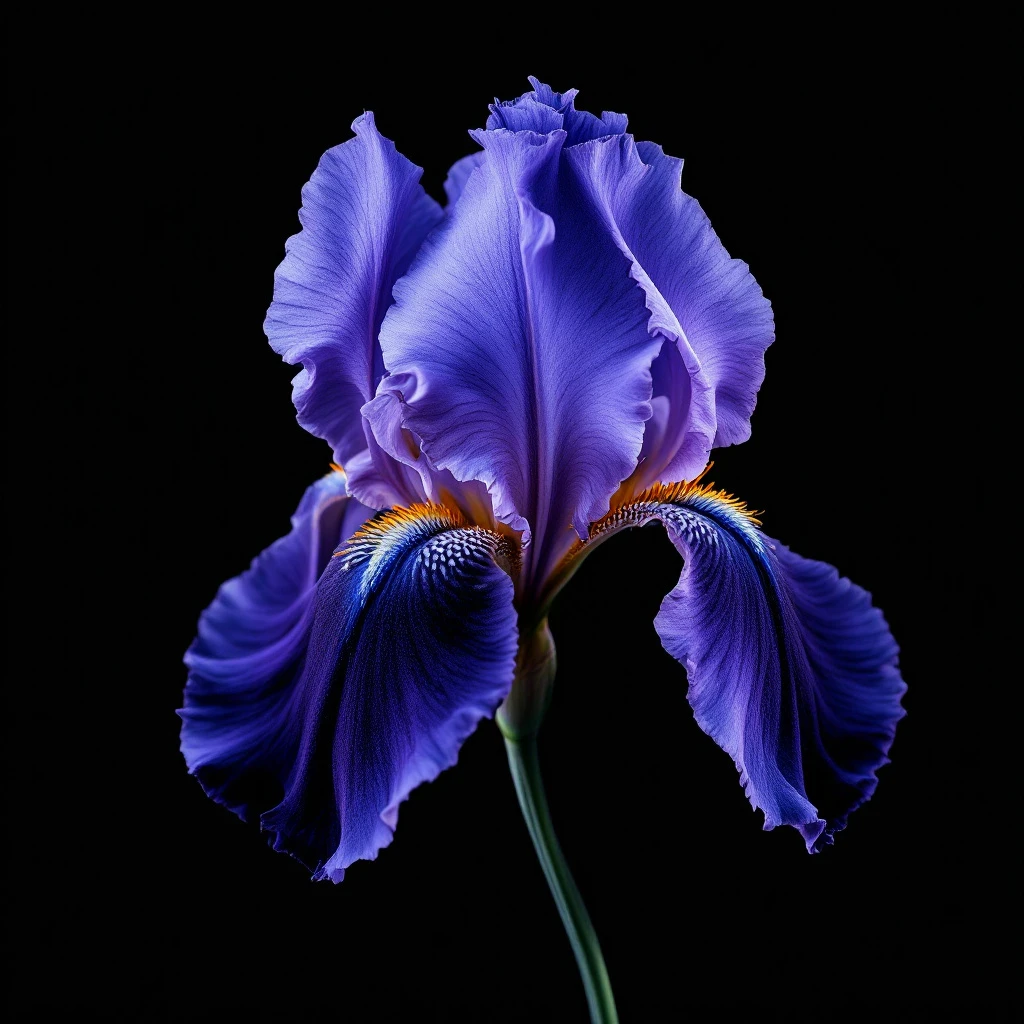
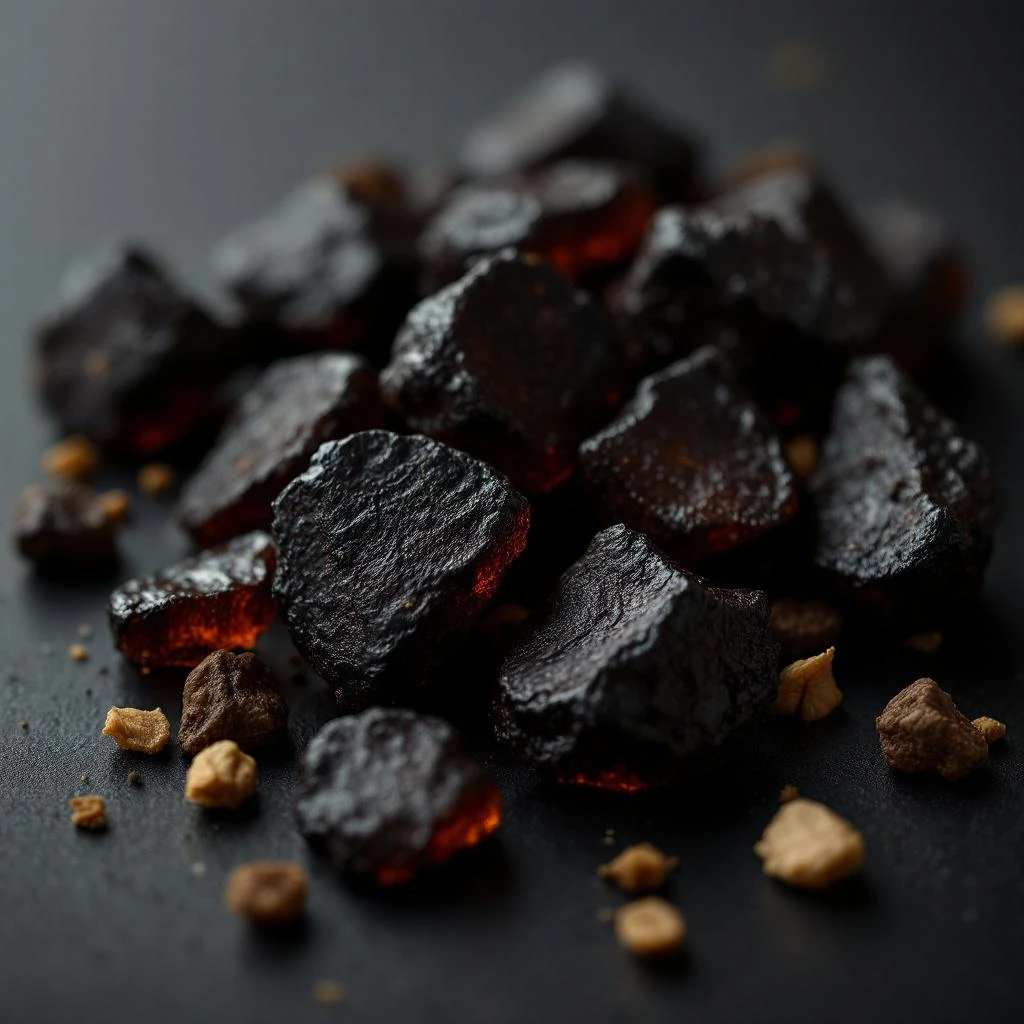
Derived from aged Iris pallida rhizomes, this precious material requires years of careful maturation before its coveted orris butter can be extracted. Expect powdery warmth, violet-like softness, and a woody elegance that deepens over time.
Character
How it smells
Six years of patience. One legendary note.
Ancient Egyptians crafted orris-infused cosmetics over 3,000 years ago.
Pairs beautifully with
Origin
Italy
The Egyptians first harnessed orris root for perfumery around 1500 BCE, incorporating it into cosmetics and ceremonial preparations. Greek and Roman texts document its use as a bottled essential oil, while medieval innkeepers scattered orris-scented linens to perfume guest quarters across Europe. The Renaissance brought orris into aristocratic circles when Catherine de Medici popularized iris cultivation at the French court, establishing Florence as the epicenter of orris production—where Iris florentina still grows in the city's famous iris gardens.
French perfumers of the 19th century refined extraction techniques to capture iris's soft, powdery qualities, creating the elegant compositions that defined that era. From ancient Egypt to Renaissance Florence to modern perfumery, orris has remained a constant: a mark of luxury, a bridge between centuries, and one of the few ingredients whose historical significance matches its olfactory depth.
Wears it best
Fragrances featuring Midnight Iris
Brands
Brands known for Midnight Iris
Good to know
Questions, answered
The essentials on Midnight Iris in perfumery: how it smells, where it comes from, and how it behaves on skin.
What does orris butter smell like?
Orris butter smells powdery and floral, with distinct violet notes balanced by earthy, woody undertones. Its creamy character makes it exceptional for adding warmth and sophistication to fragrance bases.
Why is orris so expensive?
The six-to-seven-year production timeline makes orris extraordinarily costly. It takes three years just to grow the rhizomes, then two to three more years of drying, and distillation yields less than 0.2 percent from dried material.
What fragrance families pair well with orris?
Orris works beautifully in powdery, floral, and chypre compositions. It complements violet, rose, and iris absolute naturally. Its woody facets also pair well with sandalwood, vetiver, and amber bases.
Is orris sustainable to produce?
Production is limited but stable. Major cultivation occurs in Italy, Morocco, and China, with Florence remaining historically significant. Sustainable farming practices help ensure long-term availability of this precious ingredient.
How is orris butter different from iris essential oil?
True orris butter comes from Iris pallida rhizomes via solvent extraction, producing a thick, waxy absolute. Steam-distilled versions yield lighter essential oils. The butter contains more of the signature irone molecules.
Does synthetic iris replace natural orris?
Synthetic iris materials like irone and irisone reproduce facets of natural orris, but they lack the full complexity. Natural orris contains hundreds of微量 compounds that contribute to its multidimensional character.
How do perfumers use orris in formulations?
Perfumers use orris as a fixative and base note, adding staying power to lighter top notes. A little goes a long way—formulations typically use 1-5 percent, as its strength can overpower delicate compositions.
What gives orris its violet scent?
The molecule irone, which develops during the extended drying process, creates the characteristic violet aroma. Without proper aging, the rhizomes lack this signature scent entirely.





