Menthanyl Acetate
Fresh, cooling, and minty with subtle fruity undertones. Menthanyl acetate brings a softer chill than menthol, lending modern fragrances a clean, breezy lift without sharp edges.
Character
How it smells
A gentler cool that lingers.
Unlike menthol, which activates the body’s cold receptors intensely, menthanyl acetate produces a smoother, longer-lasting cooling sensation that perfumers prefer for subtle freshness.
Pairs beautifully with

Origin
France
Menthanyl acetate emerged from the broader expansion of synthetic aroma chemistry in the mid-20th century, when researchers began systematically exploring the hydrogenation products of common terpene esters. Turpentine-derived chemicals had been available in bulk since the 19th century, supplying both the paint and fragrance industries. As analytical techniques improved, chemists identified that hydrogenating terpinyl acetate produced a family of saturated acetates with attractive minty-cooling properties.
Menthanyl acetate gained traction in perfumery during the 1970s and 1980s, decades when clean, ozonic, and aromatic-fougère fragrances dominated the market. Its softer cooling profile offered formulators an alternative to menthol, which often proved too aggressive in fine fragrance concentrations. Over time, it became a staple in fresh and sporty masculine compositions as well as functional products like aftershaves and shower gels.
Today, the ingredient reflects a wider shift in perfumery toward lab-designed molecules that replicate or refine sensations once available only through natural sources.
Wears it best
Fragrances featuring Menthanyl Acetate
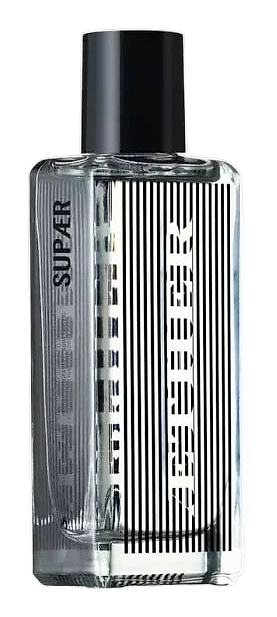
Brands
Brands known for Menthanyl Acetate
Good to know
Questions, answered
The essentials on Menthanyl Acetate in perfumery: how it smells, where it comes from, and how it behaves on skin.
What does menthanyl acetate smell like?
Menthanyl acetate has a mild, fresh minty aroma with soft fruity nuances and a gentle cooling sensation. It lacks the sharp, piercing intensity of pure menthol, making it more versatile in fine fragrance compositions.
Is menthanyl acetate natural or synthetic?
Menthanyl acetate is produced entirely through synthetic chemistry, specifically by hydrogenating terpinyl acetates. Although its precursor molecules originate from terpene feedstocks, the final ingredient does not exist as an isolated natural extract.
How is menthanyl acetate made?
Manufacturers produce menthanyl acetate by treating terpinyl acetates with hydrogen gas under pressure and a metal catalyst. This selective hydrogenation saturates the terpene structure and yields a clear liquid with cooling properties.
How is menthanyl acetate different from menthol?
Menthanyl acetate delivers a smoother, less intense cooling effect than menthol because its molecular structure interacts more gently with cold-sensitive skin receptors. Perfumers choose it when they want freshness without aggressive sharpness.
What fragrances commonly use menthanyl acetate?
Menthanyl acetate appears frequently in fresh, aromatic, and fougère compositions, particularly in sporty masculine launches and aftershave products. It contributes a clean lift to citrus and herbal accords.
Is menthanyl acetate safe for skin?
Menthanyl acetate is widely used in cosmetic and fragrance applications and is generally regarded as safe at typical use levels. Like all cooling agents, it should be kept away from the eyes and sensitive mucous membranes.
Where is menthanyl acetate manufactured?
Major production takes place in Europe, especially France, where aroma chemical companies operate integrated facilities that upcycle terpene byproducts from the paper and essential oil sectors.
Can menthanyl acetate replace menthol in a formula?
Menthanyl acetate can substitute for menthol when a milder cooling effect is desired, though perfumers often blend the two. Because menthanyl acetate lacks menthol’s pungency, it allows greater dosage flexibility.