Madagascan lychee
A perfumed fiction born from the laboratory, Madagascan lychee captures the essence of a fruit that refuses to yield its aroma to traditional extraction. This tropical confection note brings sun-drenched sweetness to contemporary compositions across the fine fragrance industry.
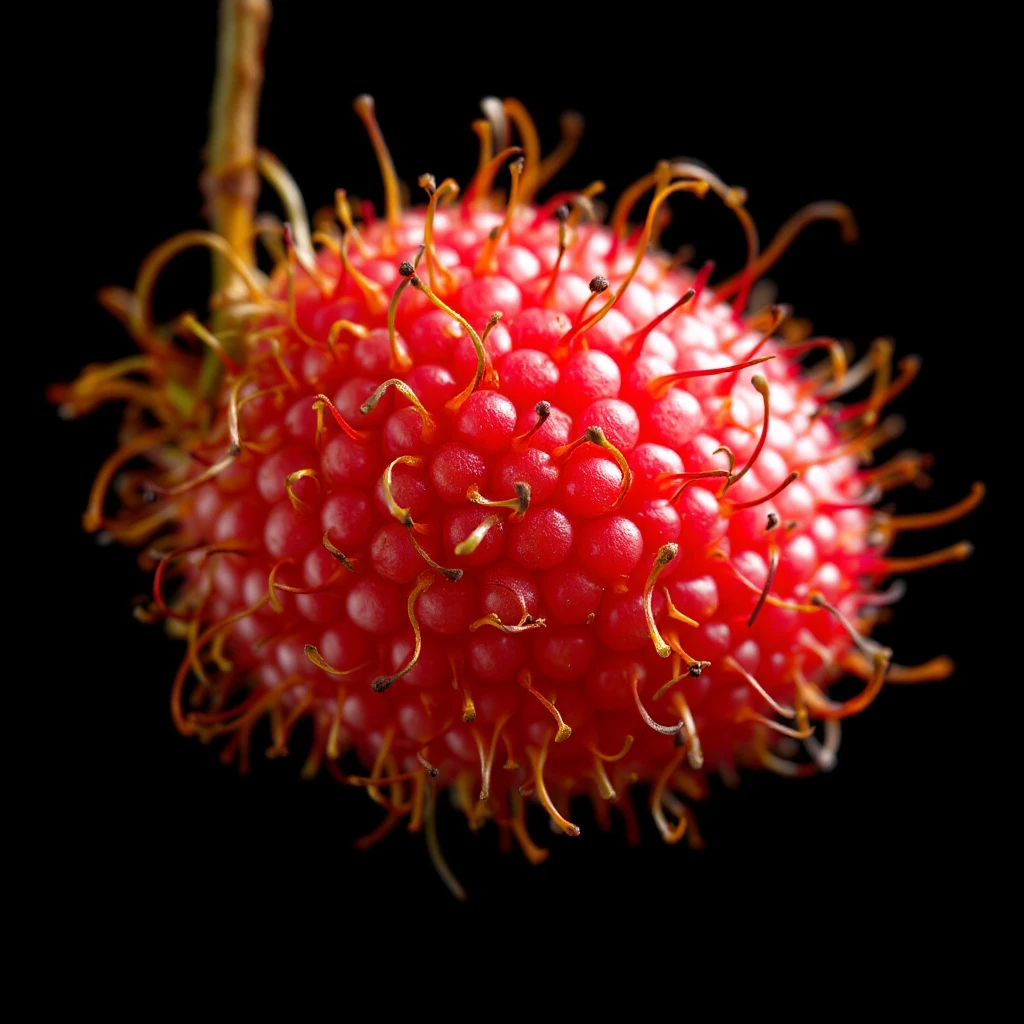
Character
How it smells
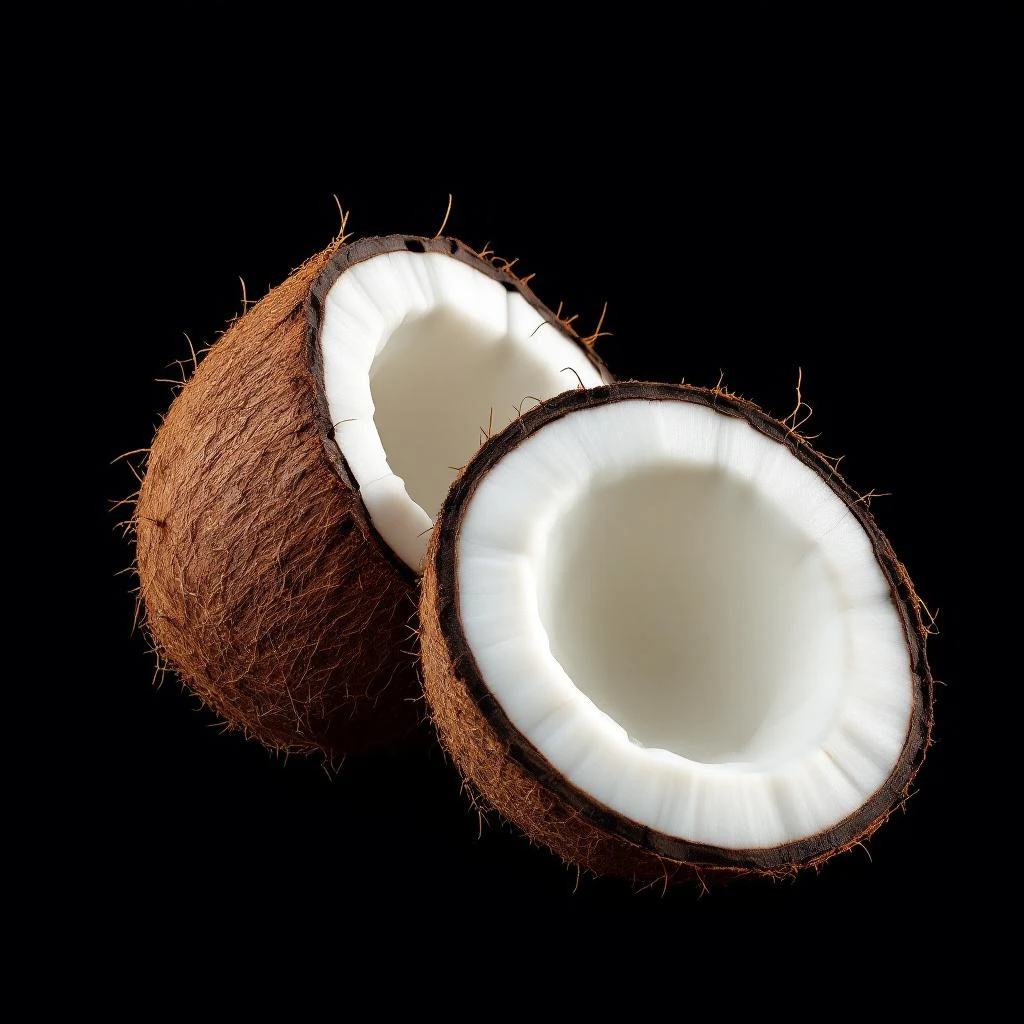
Synthetic tropical sweetness, laboratoried from a fruit that confounds extractors.
No essential oil exists for lychee. Perfumers reconstruct its entire scent profile molecule by molecule in a lab, making it one of fragrance's most deliberate creations.
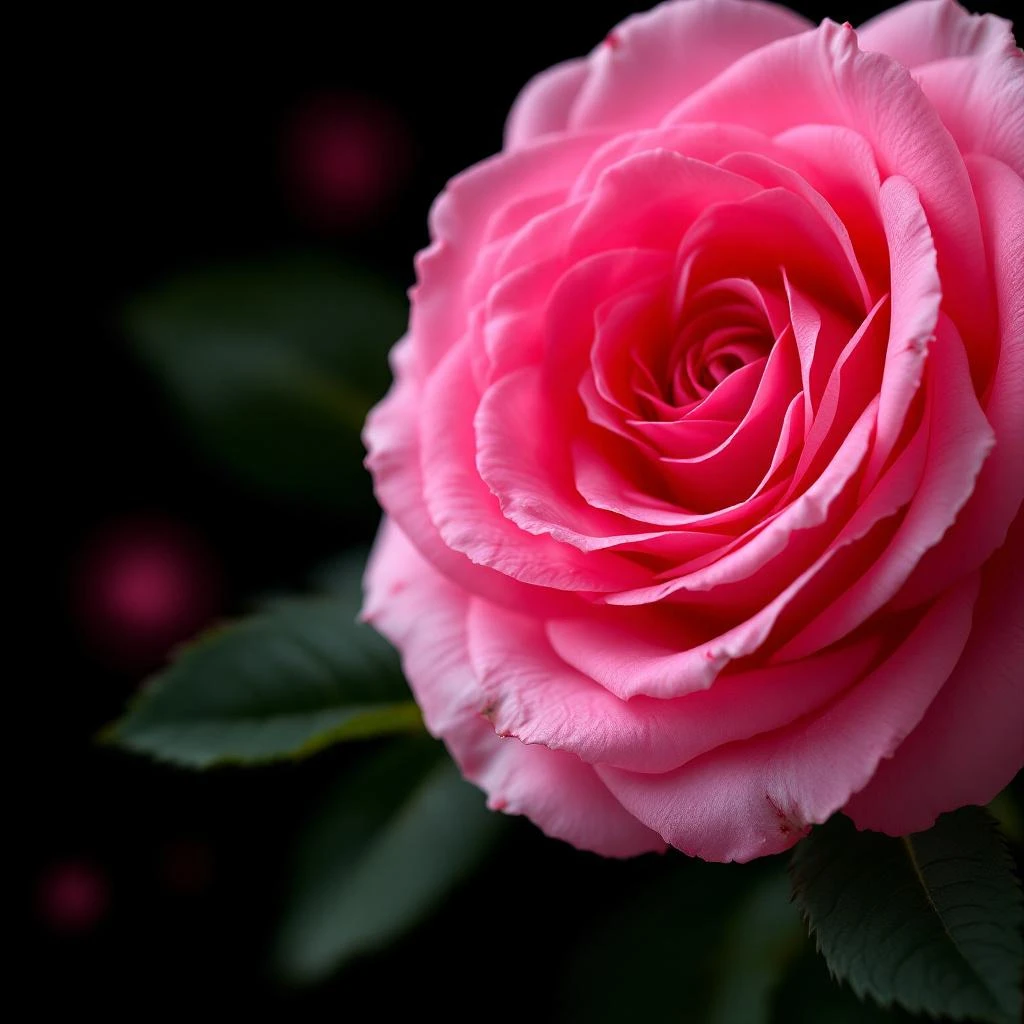
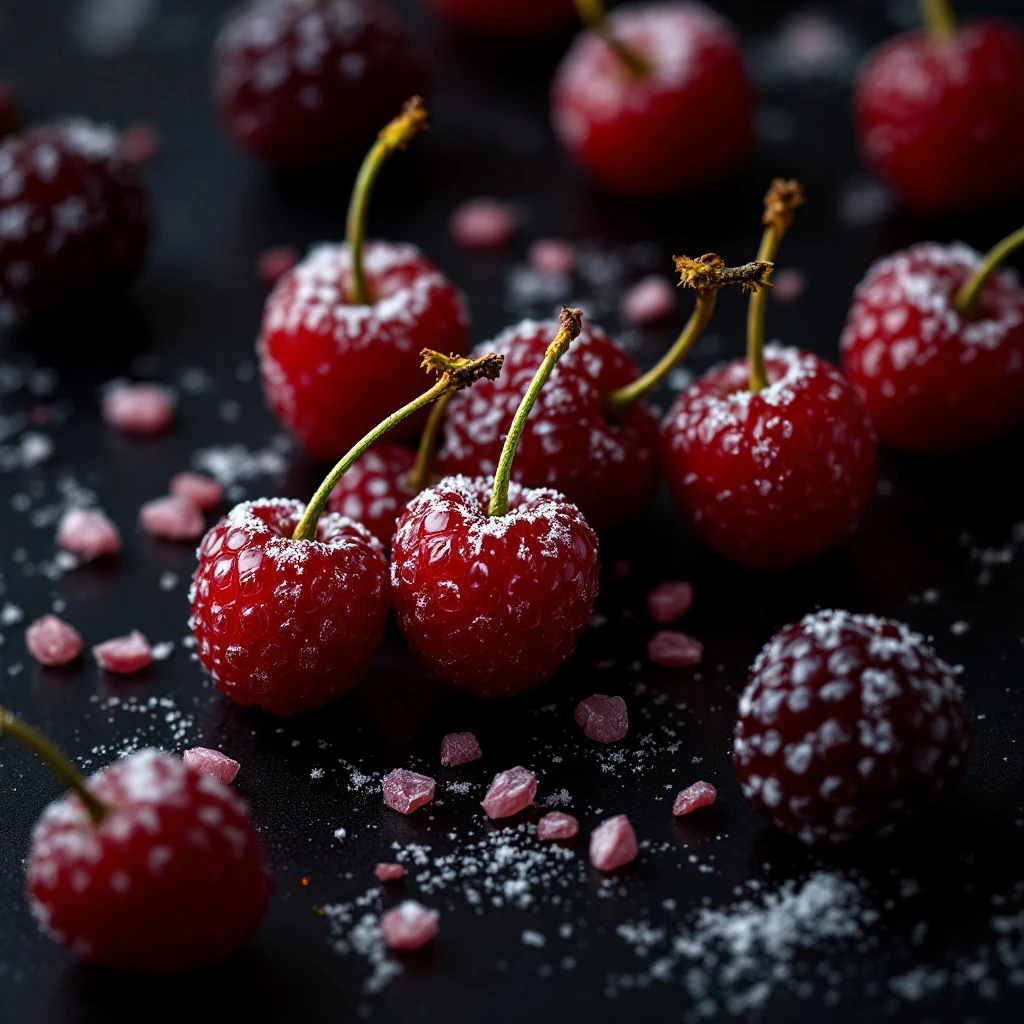
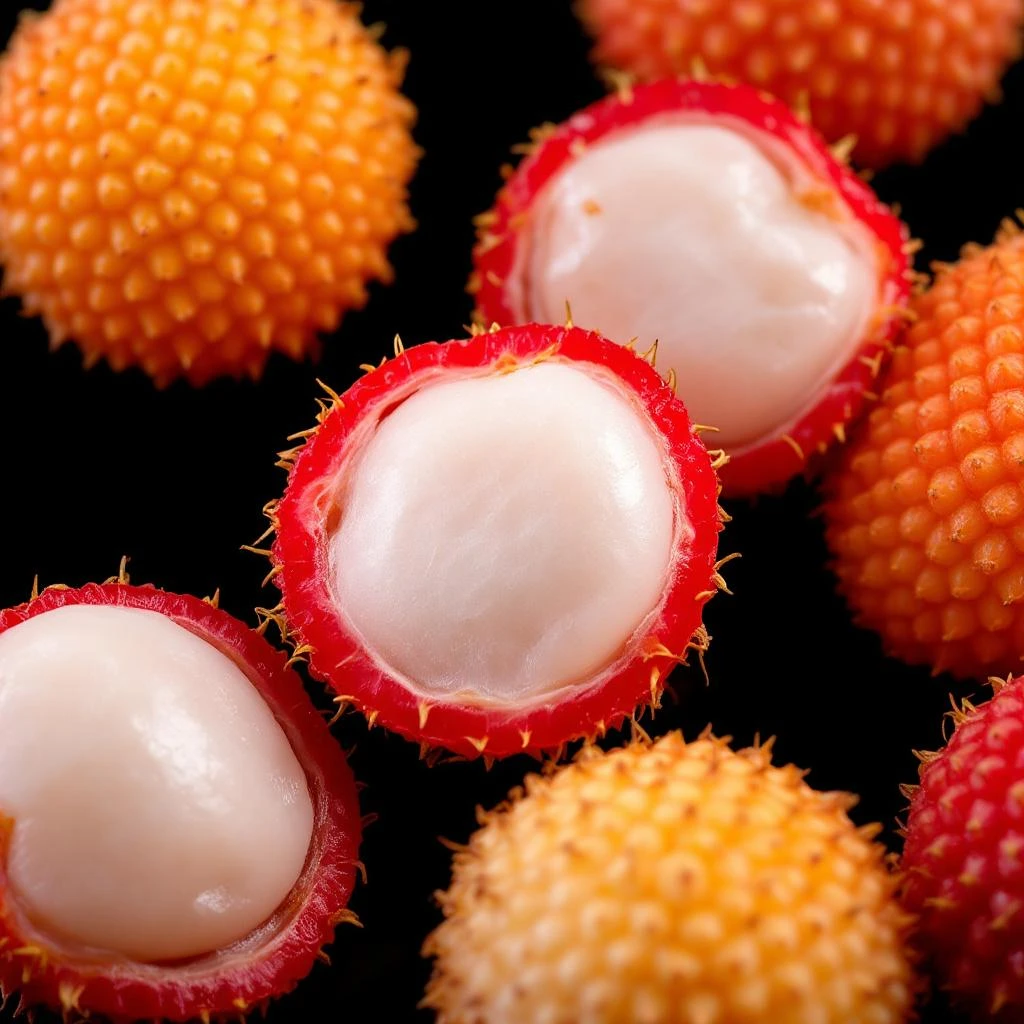


Origin
Madagascar
Madagascar has emerged as a significant source for premium lychee cultivation, particularly for fruits destined beyond immediate consumption. The island's climate produces lychees with intense sweetness and complex aromatics, making them prized in export markets.
For perfumery, however, lychee presents a specific challenge: thevery qualities that make the fruit delicious lychee in perfumery remains a laboratory construction, not a natural extract. This represents a shift in how perfumers approach exotic ingredients, blending botanical knowledge with chemical precision to honor fruits that resist traditional extraction methods.
Wears it best
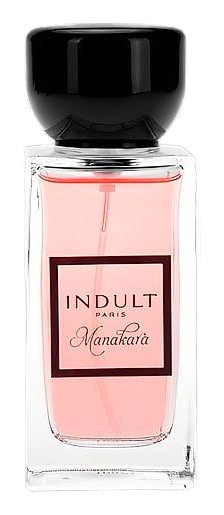
Fragrances featuring Madagascan lychee
Brands
Brands known for Madagascan lychee
Good to know
Questions, answered
The essentials on Madagascan lychee in perfumery: how it smells, where it comes from, and how it behaves on skin.
Is there natural lychee extract in perfumery?
No natural lychee extract exists in perfumery. The fruit's high water content and unstable aromatic compounds prevent successful extraction. Every lychee note in fragrance is fully synthetic, recreated through laboratory construction to capture the fruit's character.
What molecules create the lychee scent profile?
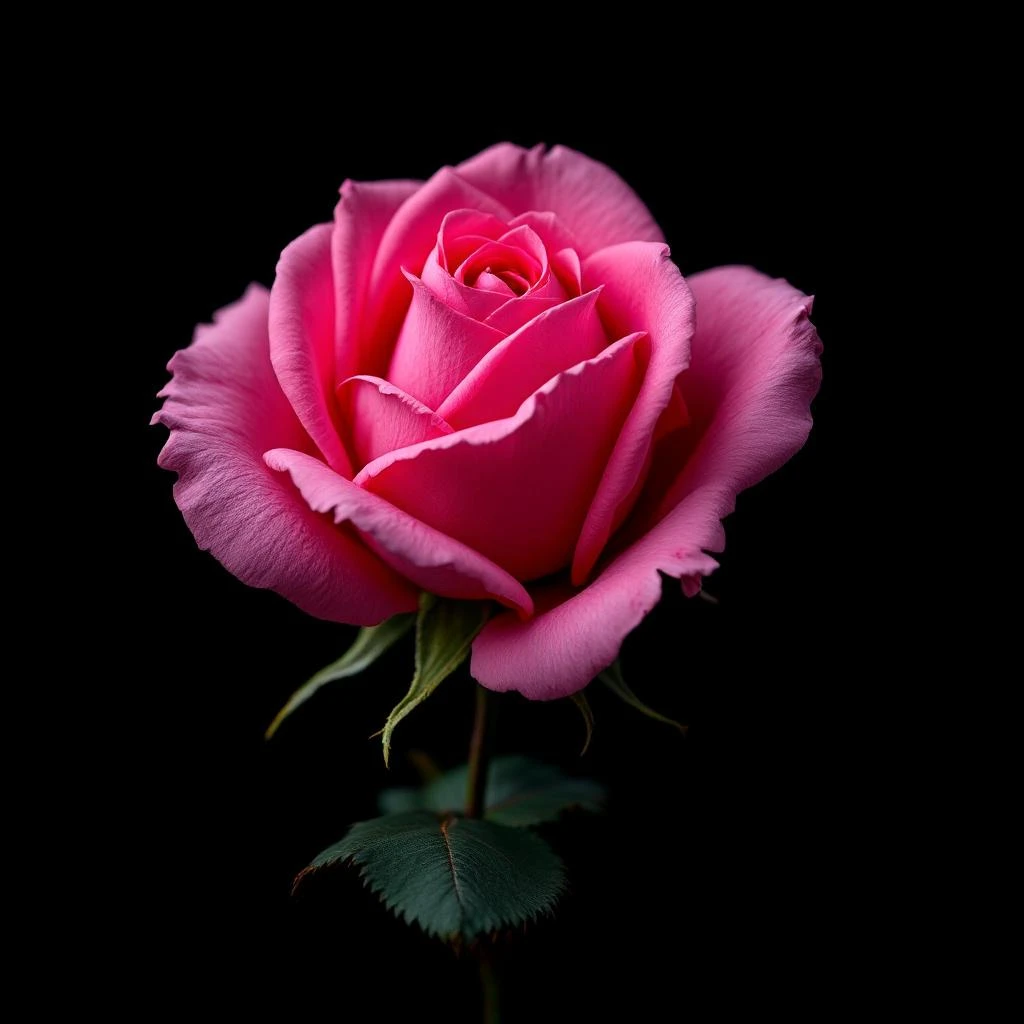
Cis-rose oxide provides lychee's signature rosy-pearly quality, while thiol compounds replicate the tropical fruit sweetness. Perfumers combine these and other aromatics to build an accord that matches lychee's complex scent profile from memory and reference samples.
Why does Madagascar feature in lychee cultivation discussions?
Madagascar produces lychee fruit with intense aromatic qualities prized in export markets. While the fruit itself cannot be extracted for perfumery, Madagascan lychee serves as reference material for perfumers studying the fruit's authentic scent characteristics.
Does synthetic mean lower quality in fragrance?
Synthetic ingredients meet rigorous purity standards and offer consistency that natural extracts cannot guarantee. For lychee specifically, synthesis represents the only viable method to capture the scent, making it a deliberate creative choice rather than a compromise.
What fragrance families commonly use lychee?
Lychee appears frequently in fruity, gourmand, and tropical fragrance families. Its sweet-tangy character pairs well with florals like jasmine and rose, and it adds exotic brightness to aquatic or green compositions seeking tropical warmth.
Can you smell the difference between natural and synthetic lychee?
Without a natural reference comparison, identifying synthesis requires trained nose experience. The synthetic version captures lychee's essential character but may lack some volatile nuances present in fresh fruit, making reference samples essential for perfumers.
Are there any natural lychee-derived ingredients used in perfumery?
While lychee flesh cannot be extracted, related materials exist. Some perfumers use lychee leaf or absolute from specialized processes, though these produce distinctly different scents than the fruit itself and remain rare in the industry.