Kona coffee
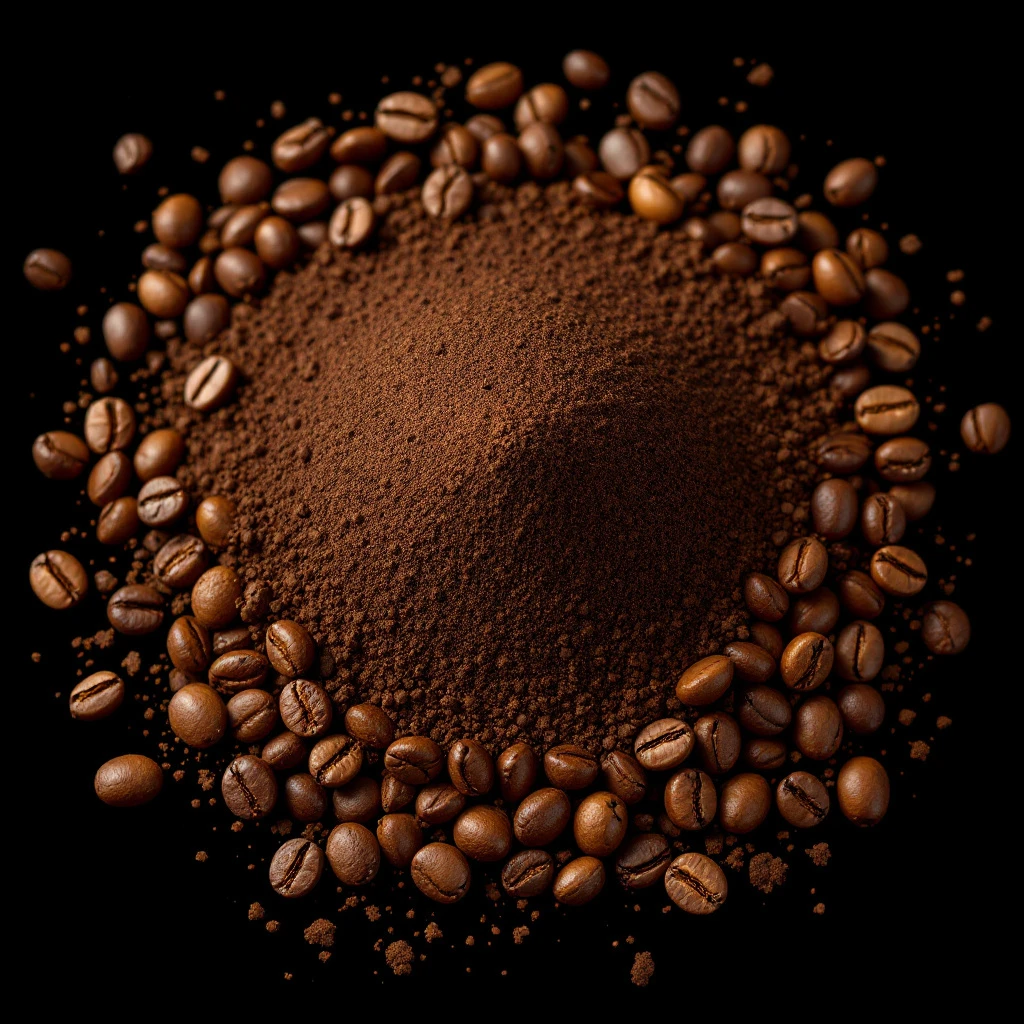
Kona coffee grows in a narrow belt along the slopes of Hualalai and Mauna Loa volcanoes, where volcanic soil and morning sun create ideal conditions for arabica beans prized in specialty coffee and fine perfumery alike.
Character
How it smells
Volcanic soil and ocean mist shape a legend in every roast.
Kona coffee accounts for less than 1% of Hawaii's total coffee production, making it one of the world's most geographically restricted-origin ingredients.



Origin
United States
Coffee arrived in the Hawaiian Islands in 1813 when Spanish visitor Francisco de Paula y Marin planted seeds on Oahu. Brazilian stock spread across the islands, but it was the slopes of Kona on the Big Island that would transform a missionary crop into a legend. Samuel Ruggles introduced arabica cuttings to Kona in 1828 or 1829, and the region proved ideally suited.
Volcanic soil, predictable morning cloud cover that shields plants from harsh sun, afternoon rains, and warm nights created conditions that produced a distinctively smooth, low-acid cup. By the late 19th century, Kona coffee commanded premium prices in San Francisco markets. Today, the Kona Coffee Belt stretches roughly 30 miles along the western slopes of Mauna Loa, covering only about 2.
3 million acres, with regulations requiring at least 10% Kona-grown content for any product carrying the name. This scarcity and the labor-intensive hand-picking of ripe cherries have made authentic Kona coffee both a culinary treasure and an increasingly valued perfumery ingredient.
Wears it best
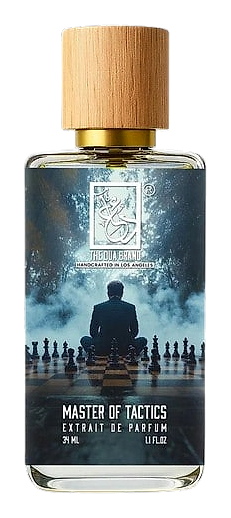
Fragrances featuring Kona coffee

Brands
Brands known for Kona coffee
Good to know
Questions, answered
The essentials on Kona coffee in perfumery: how it smells, where it comes from, and how it behaves on skin.
What does Kona coffee smell like in perfume?
Kona coffee absolute presents a rich, roasted aroma with bittersweet chocolate and nutty undertones. It adds warmth and depth to fragrance dry-downs, often described as cozy, gourmand, and subtly sweet. The note works especially well in oriental and woody compositions.
Is Kona coffee used in perfumery actually from Hawaii?
Most fragrance materials labeled as coffee are derived from arabica beans, but the specific Kona designation rarely appears in perfumery. The distinction matters more for culinary use. Perfumers typically source coffee absolute from Brazil, Colombia, or Ethiopia, where arabica production is scaled for ingredient extraction.
How is coffee transformed into a fragrance ingredient?
Perfumers use solvent extraction to produce coffee absolute from ground beans. The solvent dissolves aromatic compounds, then evaporates, leaving a concentrated absolute that captures the roasted, bittersweet character. CO2 extraction offers a cleaner alternative using pressurized carbon dioxide.
Which fragrance families commonly feature coffee notes?
Coffee appears most often in oriental, gourmand, and woody fragrance families. It pairs naturally with vanilla, tonka bean, cacao, amber, and woody bases like sandalwood and cedar. Coffee also bridges florals and orientals by adding warmth and texture.
What role does coffee play in perfume formulation?
Coffee functions primarily as a heart or base note in perfumery. Its molecules are relatively heavy, meaning the scent emerges during the dry-down phase rather than the initial spray. Perfumers layer it with brighter top notes to create complexity that evolves over several hours on skin.
Are synthetic coffee materials used instead of natural extracts?
Both natural coffee absolute and synthetic aromatic molecules exist in perfumery. Synthetics like coffee furanone and various pyrazines replicate specific facets of coffee's aroma. Blends often combine natural and synthetic materials to achieve consistency and cost-effectiveness.
When did coffee become established in perfumery?
Coffee's role in fragrance grew alongside the development of modern perfumery in the late 19th and early 20th centuries. As extraction techniques advanced, perfumers gained access to coffee's warm, complex aroma. By the 1970s, coffee-forward fragrances gained popularity in the gourmand movement.
What makes Kona coffee distinctive for perfumery use?
Kona coffee's geographic restriction and volcanic terroir produce beans with exceptional flavor complexity. For perfumery, this translates to a nuanced aroma profile with subtle chocolate and fruit notes. The rarity and premium pricing mean authentic Kona coffee absolute is rarely used in mainstream fragrance production.