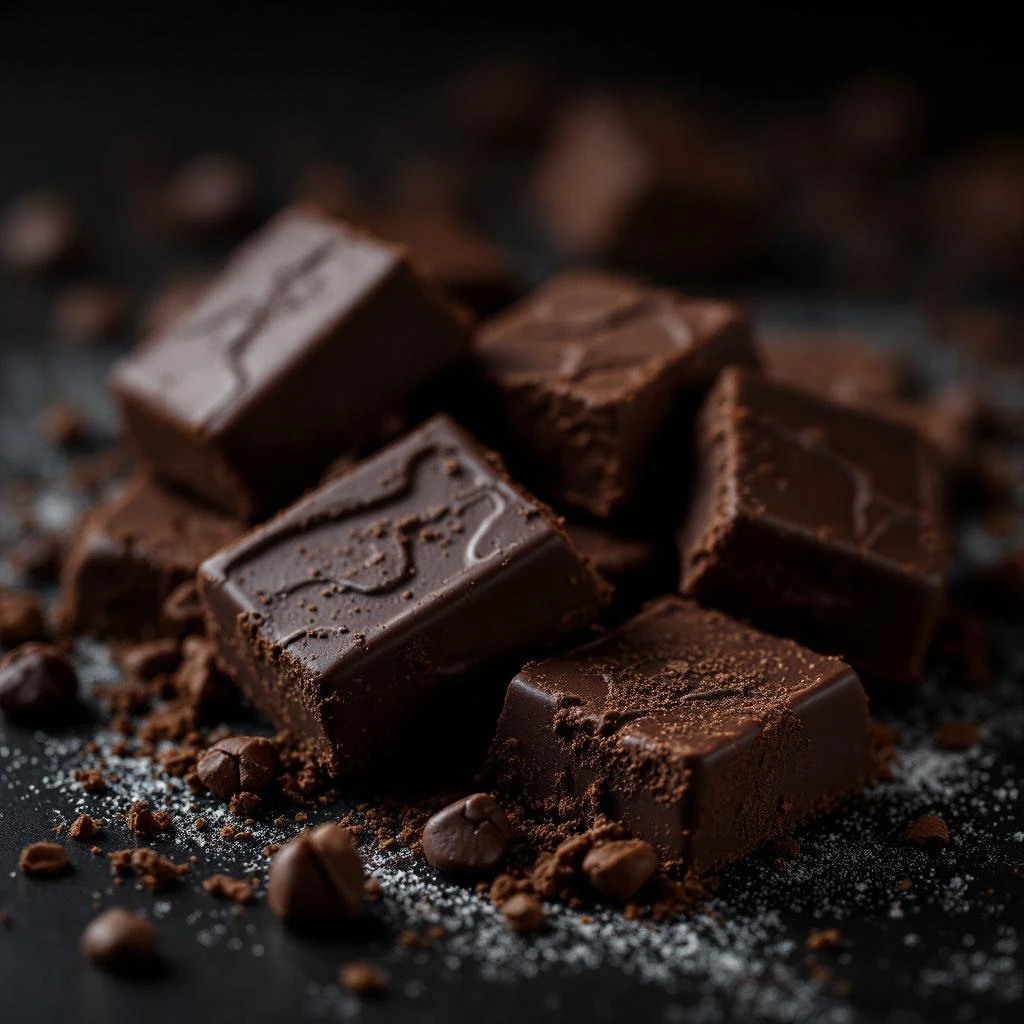
Kentucky Bourbon
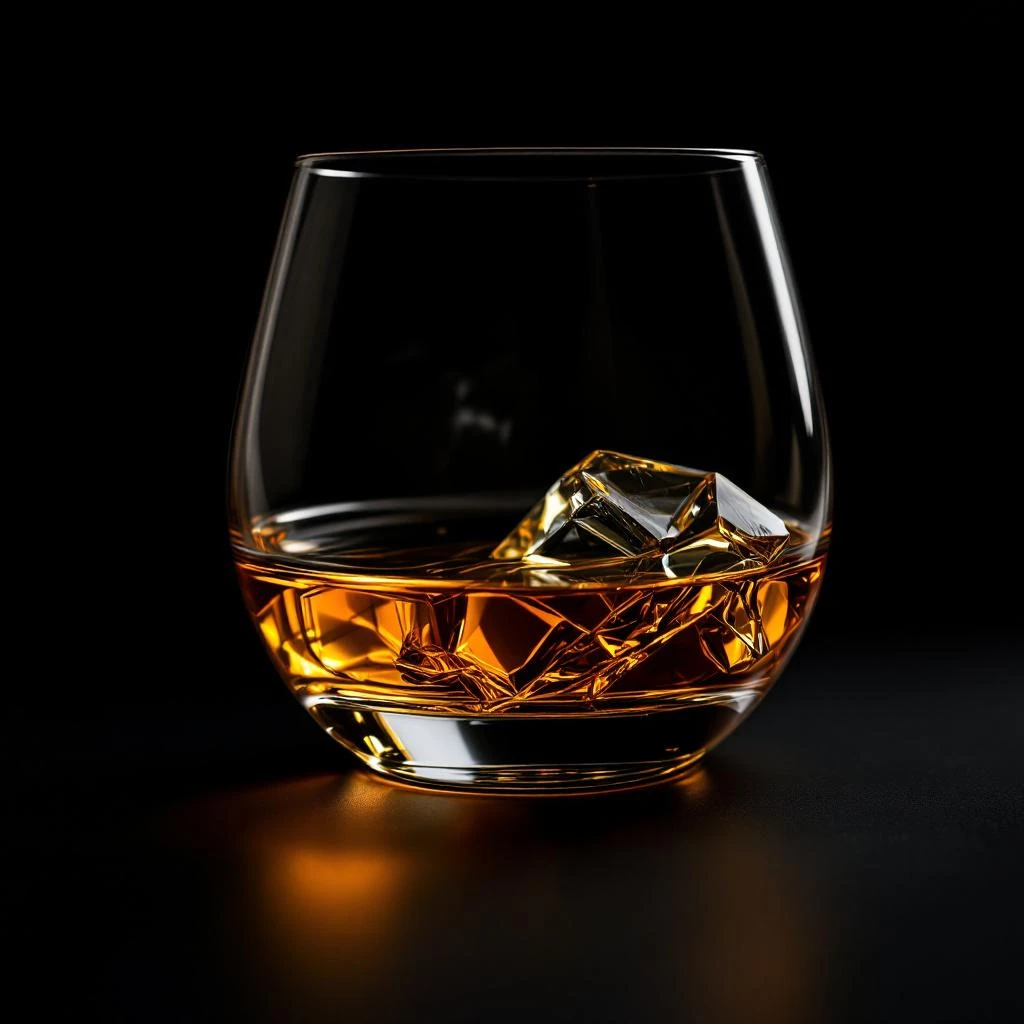
A warm, woody accord built on caramel sweetness, vanilla depth, and toasted oak. Kentucky Bourbon captures the soul of charred American white oak barrels and the rich spirits they hold.
Character
How it smells
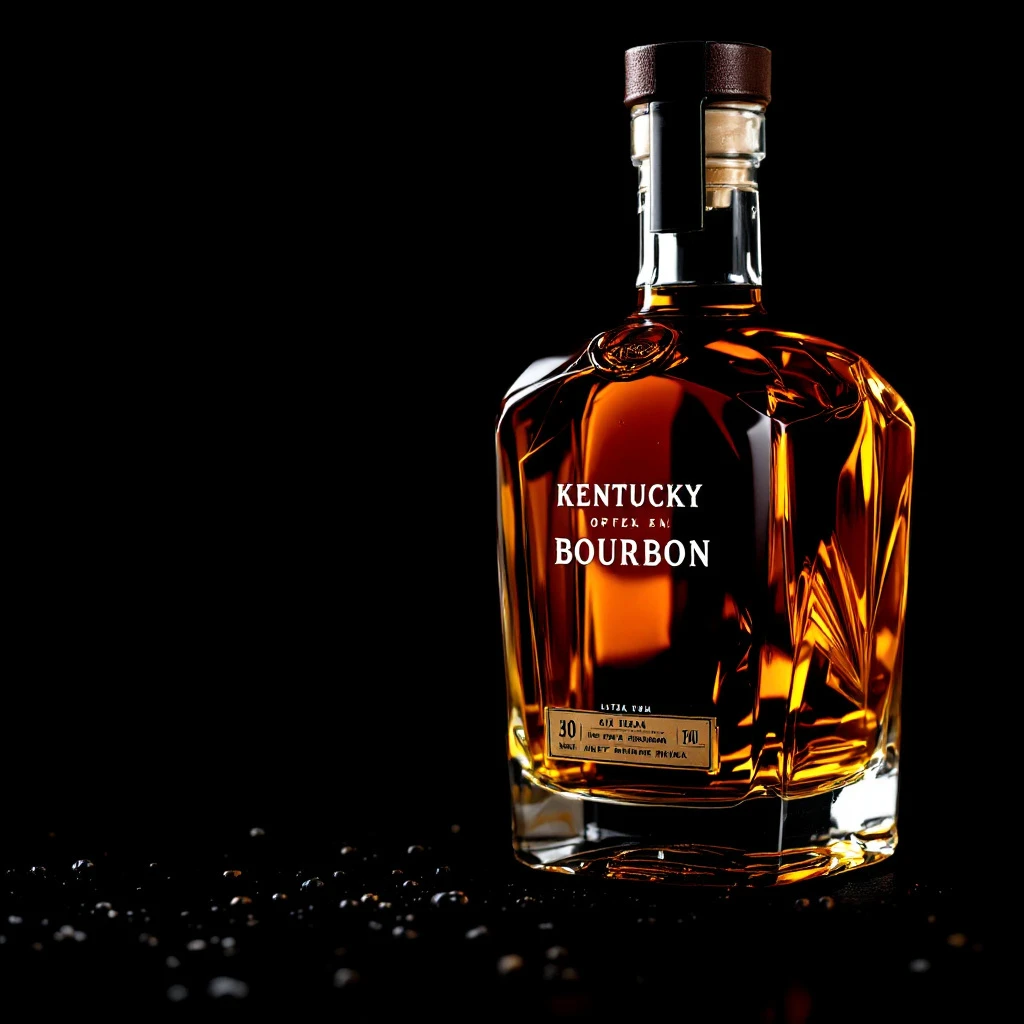
Charred oak, caramel warmth, and spirit-soaked depth.
Kentucky's limestone-filtered water and humid climate create a unique barrel-aging environment that shapes bourbon's signature scent profile.
Pairs beautifully with

Origin
United States
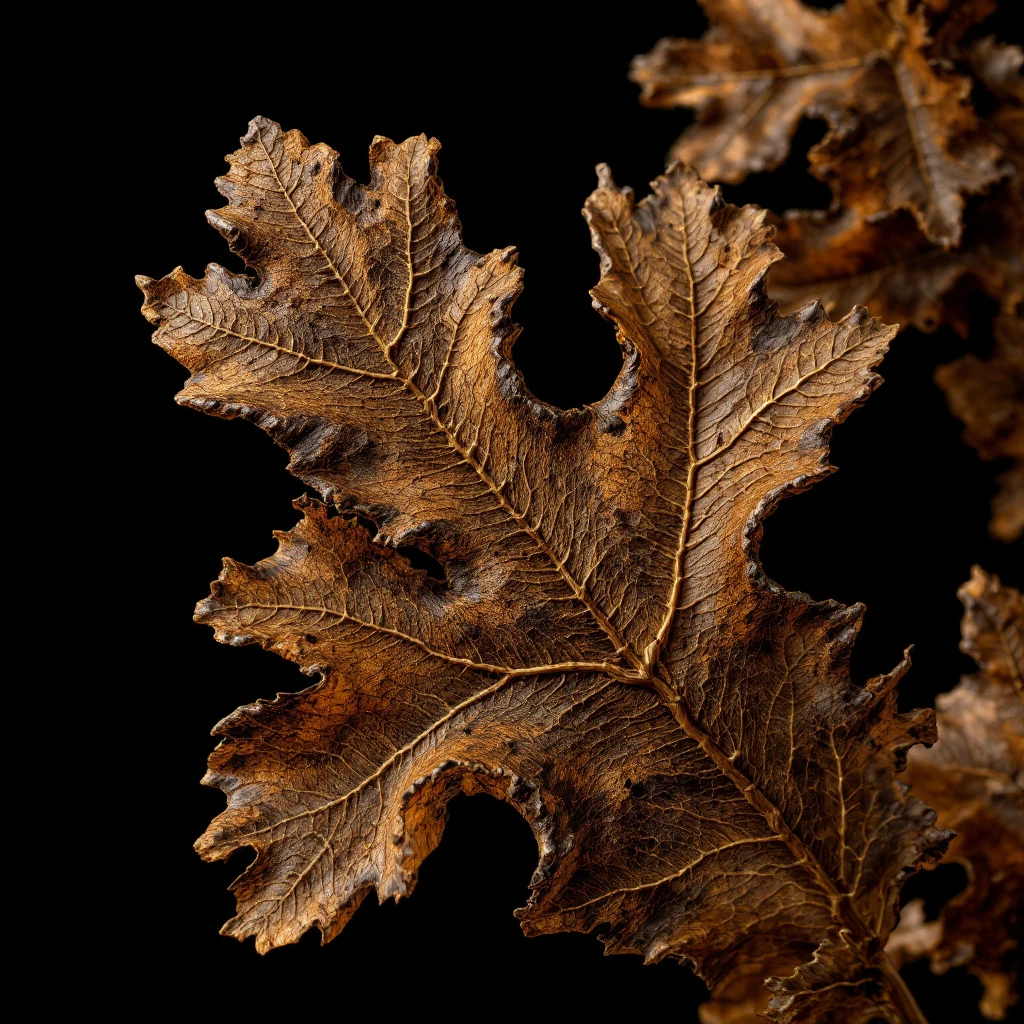
Bourbon's roots trace back to the late 18th century when Scottish, Irish, and German settlers brought distilling knowledge to the hills of Kentucky. The state's abundant corn, pure limestone water, and humid climate created ideal conditions for crafting what would become America's native spirit. Federal law now defines bourbon as whiskey produced in the United States, with at least 51 percent corn, aged in new charred oak barrels.
Kentucky produces roughly 95 percent of the world's bourbon supply, concentrated in a region known as the Bourbon Belt. The spirit note entered perfumery as American whiskey culture gained global appeal in the late 20th century. Perfumers began capturing the essence of barrel-aged spirits, translating the warm sweetness of caramel, vanilla, and toasted wood into fragrance accords.
Today, Kentucky Bourbon represents a distinct olfactory signature that bridges American spirits heritage with modern perfumery artistry.
Wears it best
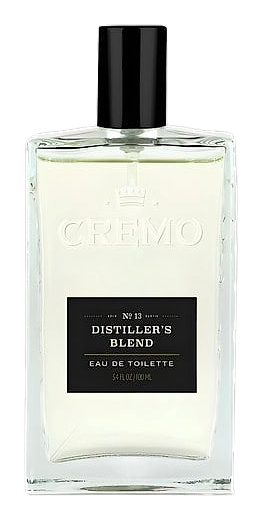
Fragrances featuring Kentucky Bourbon
Brands
Brands known for Kentucky Bourbon
Good to know
Questions, answered
The essentials on Kentucky Bourbon in perfumery: how it smells, where it comes from, and how it behaves on skin.
What does Kentucky Bourbon smell like in fragrance?
Kentucky Bourbon in perfume presents sweet caramel and vanilla upfront, with dry toasted oak and subtle smoke in the base. The scent reads as warm, amber, and slightly smoky, evoking whiskey barrels without being boozy.
Is Kentucky Bourbon a natural or synthetic ingredient?
Both forms exist. Natural bourbon extract comes from steam-distilling charred American white oak wood, often from barrels that aged spirits. Synthetic bourbon accords combine molecules like ethyl maltol, oak lactones, and vanillin to recreate the profile.
What fragrance family does Kentucky Bourbon belong to?
Kentucky Bourbon typically appears in Oriental and Woody families. It works as a base note that adds warmth, depth, and a hint of sweetness to amber, vanilla, tobacco, and leather compositions.
Which fragrance notes pair well with Kentucky Bourbon?
Vanilla, tonka bean, tobacco leaf, leather, and smoke combine naturally with bourbon. It also complements spicy notes like cinnamon and clove, as well as resins such as benzoin and labdanum.
Does Kentucky Bourbon contain actual whiskey?
No. The note comes from oak barrel extracts and aromatic compounds that mimic bourbon's scent profile. Perfume formulas do not include actual spirits, though the aromatic signature closely resembles aged whiskey.
How long has bourbon been used in perfumery?
Bourbon as a fragrance note emerged in the late 20th century alongside the global rise of American whiskey culture. The trend accelerated in the 2000s as niche and artisan perfumers began exploring spirit-inspired accords.
What gives bourbon its distinctive scent in perfume?
Key aroma compounds include vanillin for sweet vanilla, furfural for caramel and toasted notes, and oak lactones for woody coconut-woody character. Charred oak contributes smoky, leathery undertones that complete the profile.
Can Kentucky Bourbon be used in high-end niche fragrances?
Yes. Several niche houses use genuine bourbon barrel extracts and aged oak materials. These natural approaches produce more complex, multi-layered bourbon accords compared to standard synthetic versions.