Jamaican allspice
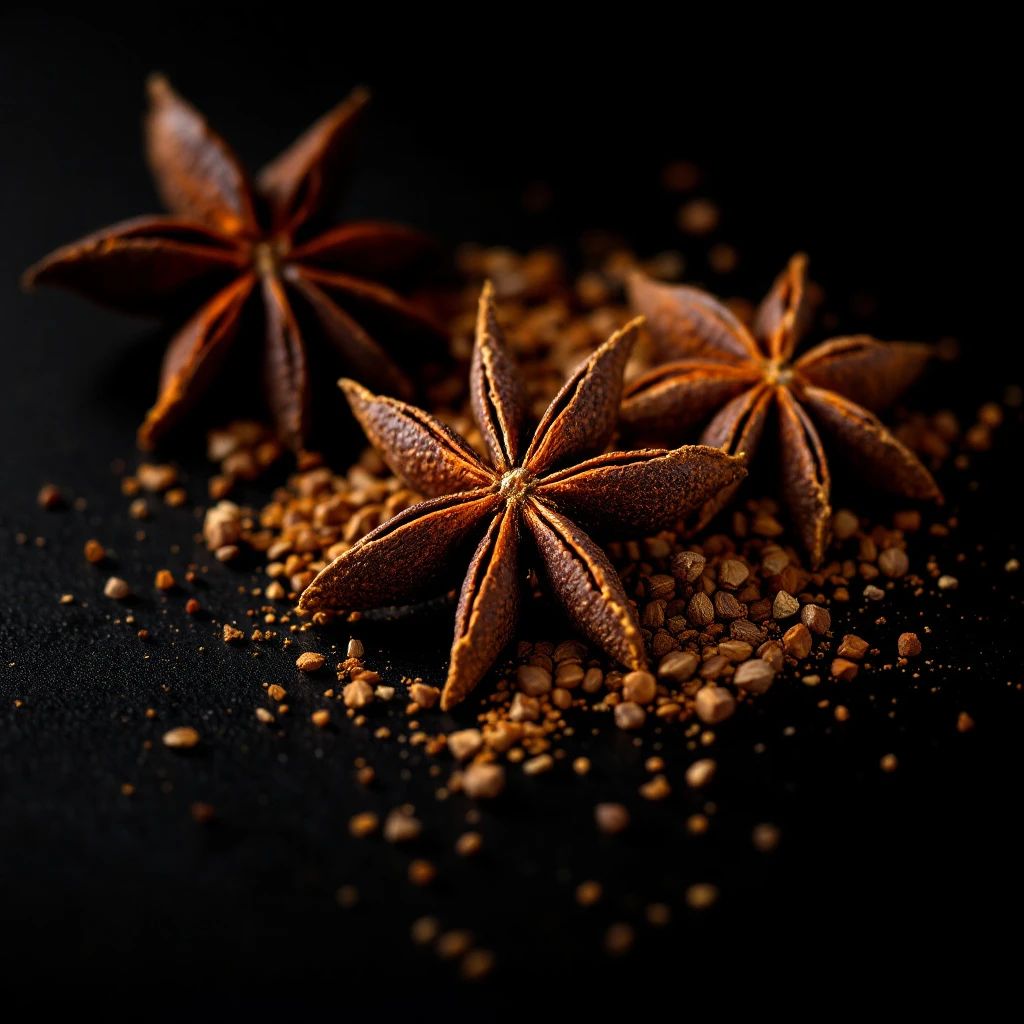
Warm, complex, and unmistakably Caribbean. Jamaican allspice captures the essence of cinnamon, clove, and nutmeg in a single dried berry. Perfumers prize its rich, spicy depth that brings roundness and character to fragrance compositions.
Character
How it smells
One berry. Four spice notes. Caribbean soul.
The English coined the name "allspice" in 1621, recognizing how one berry mimicked cinnamon, nutmeg, and clove together.



Origin
Jamaica
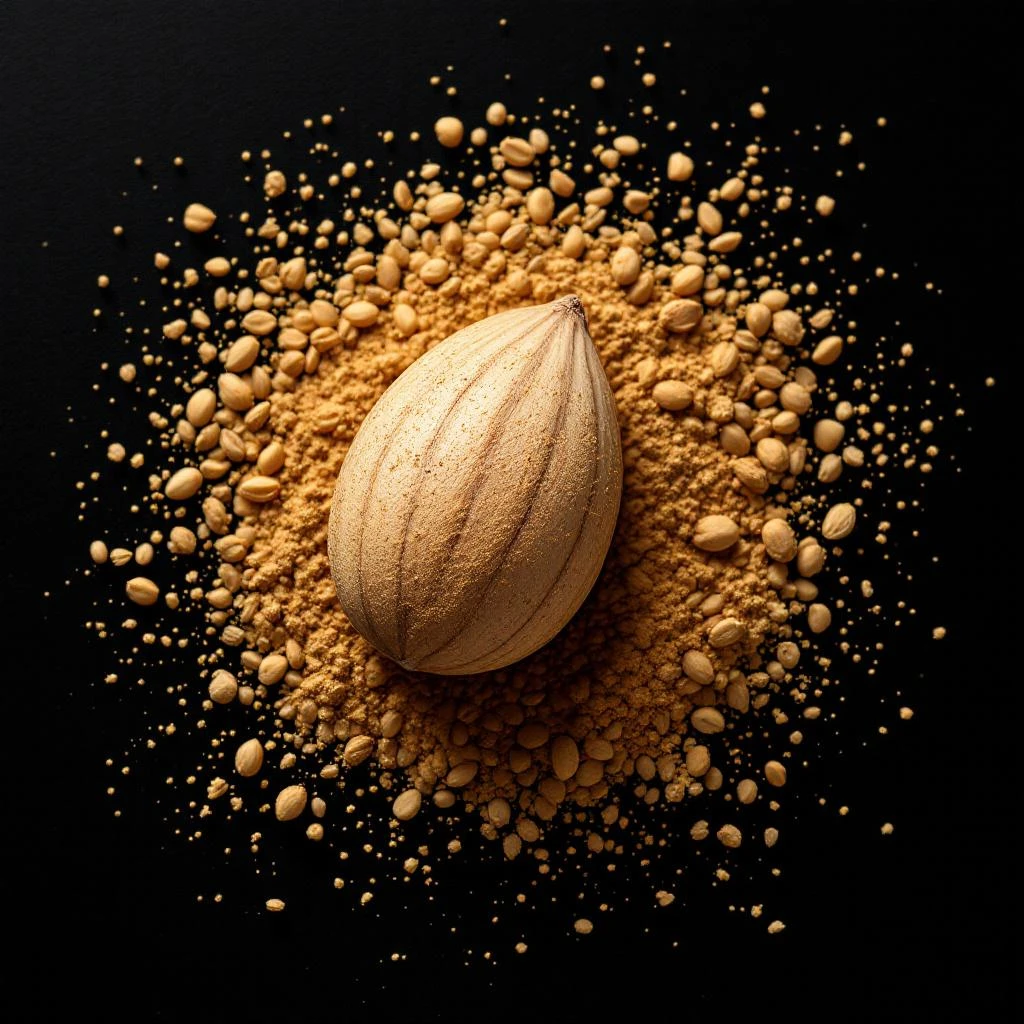
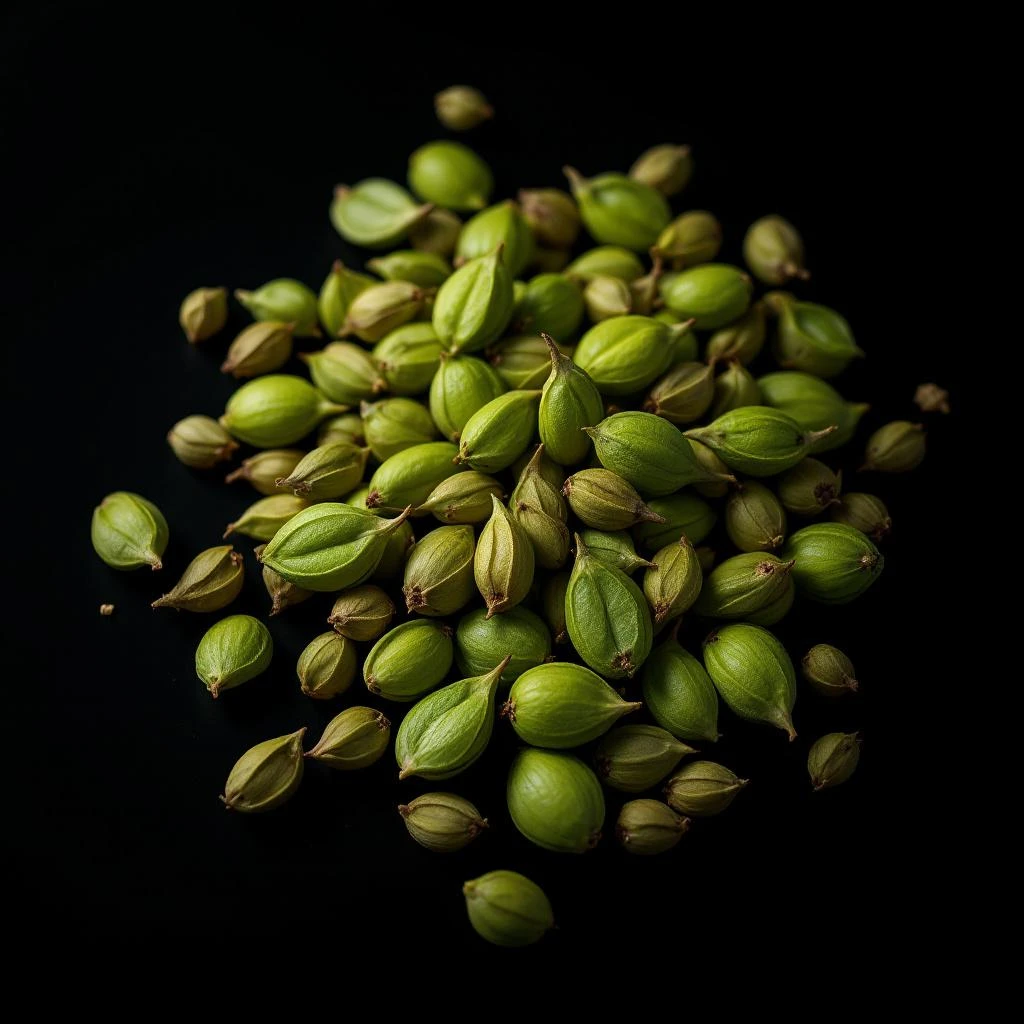
The allspice tree grew wild across the Caribbean Islands long before European contact, and Spanish explorers recorded finding it flourishing in Jamaica during the sixteenth century. Indigenous peoples of the region used the berries to preserve meat and as a medicinal remedy, knowledge that passed to colonial settlers. The English named the spice in 1621, recognizing its remarkable quality of tasting like a combination of several spices at once.
Jamaica became the global leader in allspice production and export, with the spice deeply woven into the island's agricultural identity. By 1882, Jamaica had grown so dominant in supplying the world that the government banned the export of allspice saplings to protect its trade position. The spice shaped Caribbean colonial economies and spice trade routes for centuries, remaining synonymous with Jamaican exports despite cultivation spreading to other tropical regions.
The name stuck, and allspice continues to carry its Caribbean origins in its identity worldwide.
Wears it best
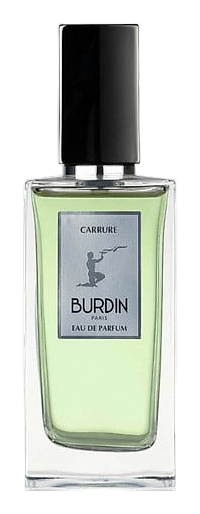
Fragrances featuring Jamaican allspice

Brands
Brands known for Jamaican allspice
Good to know
Questions, answered
The essentials on Jamaican allspice in perfumery: how it smells, where it comes from, and how it behaves on skin.
What is Jamaican allspice in perfumery?
Allspice is the dried unripe berry of the Pimenta dioica tree. In perfumery, the leaf oil provides warm, spicy notes reminiscent of clove and cinnamon that add depth and Caribbean character to fragrance blends.
Is allspice the same as pimento?
Yes. Allspice, Jamaican pimento, and Jamaica pepper all refer to the same Pimenta dioica plant. The terms are interchangeable in both culinary and perfumery contexts.
Why is Jamaica the primary source of allspice for perfumery?
Jamaica banned the export of allspice saplings in 1882, securing its position as the primary global producer. The island's climate produces allspice with particularly high eugenol content, making it the preferred origin for fragrance applications.
What extraction method produces allspice for perfumery?
Steam distillation of dried leaves and twigs yields Pimenta Leaf Oil. The fresh or dried berries produce an essential oil through the same method, with both used in fine fragrance work.
What fragrance families use allspice?
Allspice appears primarily in oriental and spicy fragrance families. It works particularly well in men's fragrances, warm vanilla bases, and aromatic compositions that seek natural spice complexity.
How does allspice differ from synthetic spice notes?
Natural allspice carries a multidimensional profile combining eugenol, cineole, and other volatile compounds. Synthetic equivalents typically replicate one or two components, lacking the organic complexity that natural extraction provides.
What countries besides Jamaica grow allspice for perfume production?
Guatemala and Honduras are significant secondary producers. Mexico, Colombia, and parts of the Caribbean also cultivate allspice, though Jamaican-sourced material commands premium pricing in perfumery.
What does allspice smell like in a fragrance?
Allspice reads as warm, peppery, and faintly sweet with clove-like depth. It provides a natural spiciness that feels rounder and less sharp than synthetic spice materials, anchoring compositions with Caribbean warmth.