Italian petitgrain
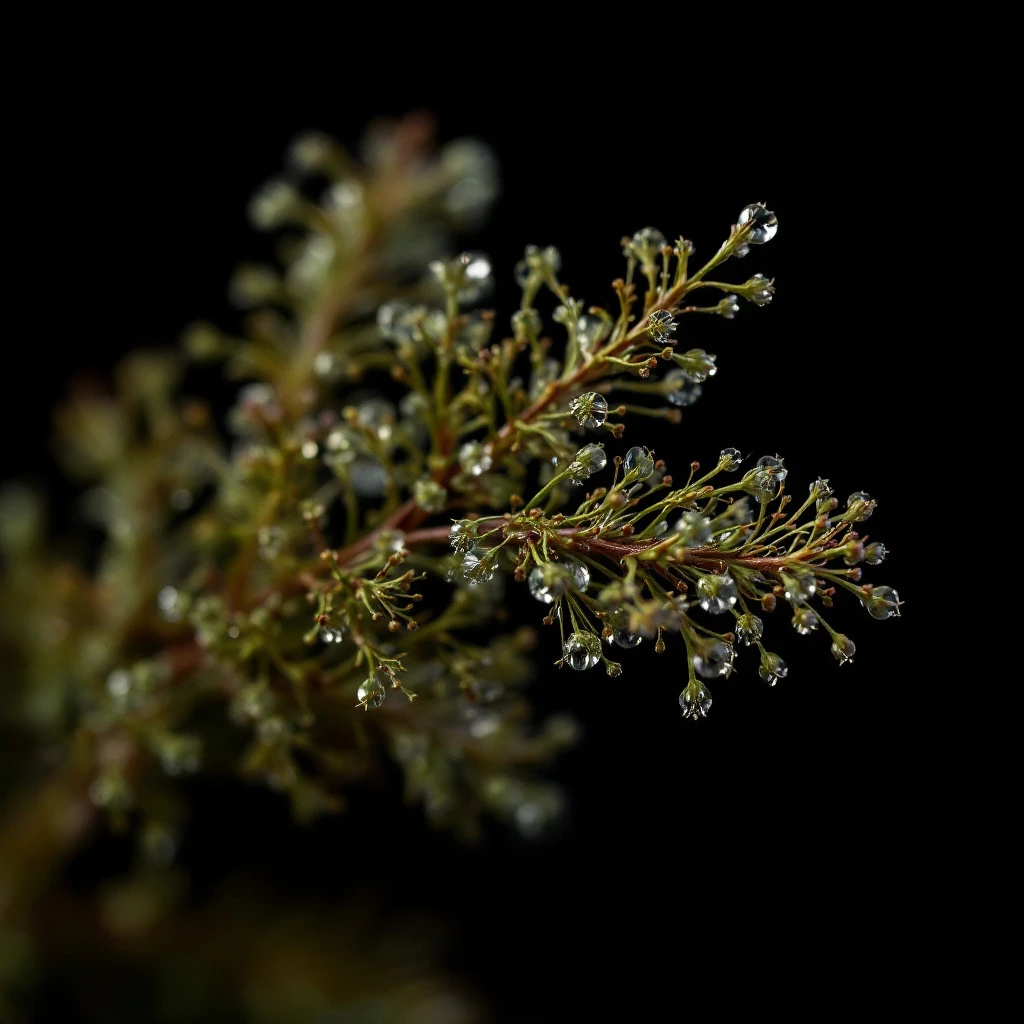
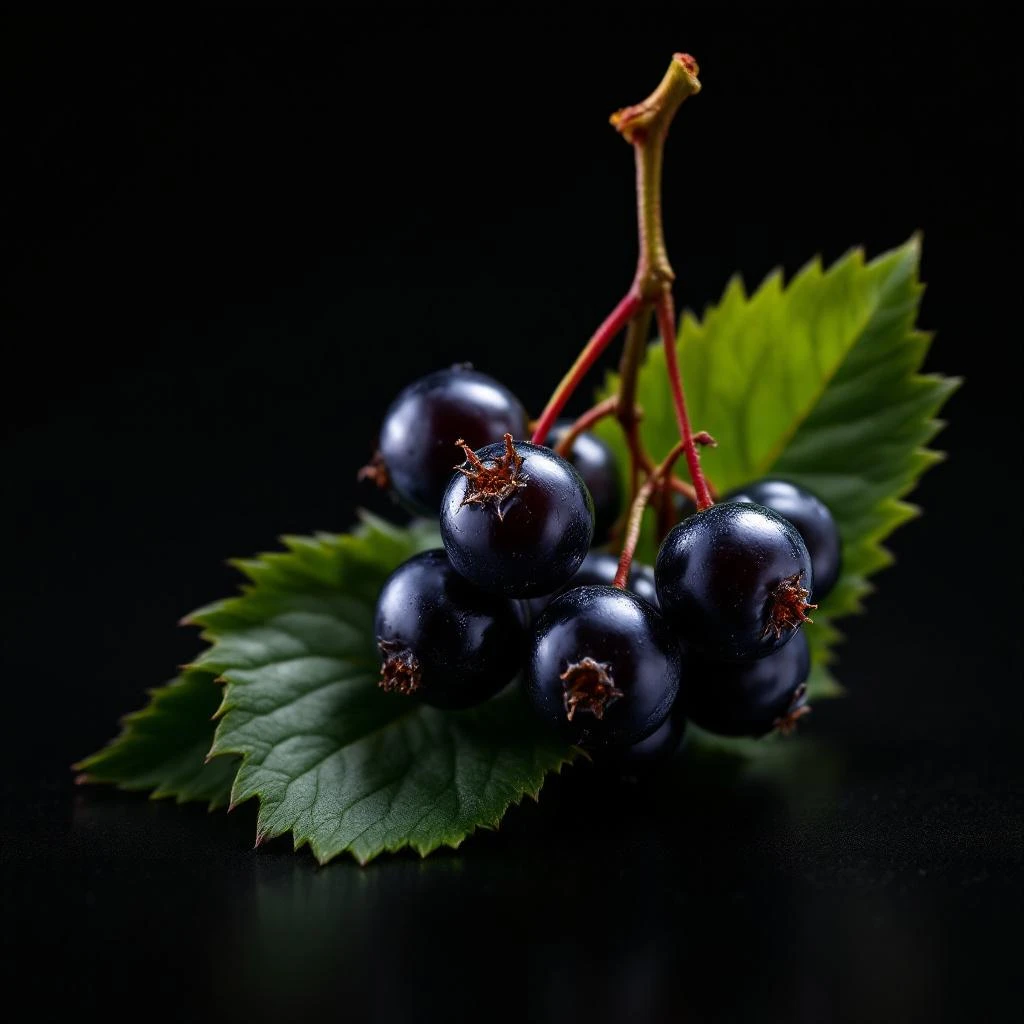
Pressed from the leaves and young twigs of the bitter orange tree, Italian petitgrain carries a woody, floral-citrus character that bridges fresh leaf and warm resin. It ranks among the most versatile ingredients in perfumery.
Character
How it smells
Bitter orange leaves distilled into versatile citrus
Despite its name meaning small grain in French, petitgrain contains no actual grain. The name references the tiny unripe fruits sometimes harvested alongside the leaves.




Origin
Italy
Italy's connection to petitgrain runs deeper than geography. The Renaissance era saw perfumery flourish in Florence and Venice, where apothecaries first systematically cultivated aromatic plants. When Catherine de' Medici moved to France in the 16th century, she brought Italian perfumery knowledge with her, seeding what would become French fragrance dominance.
Yet Italy never relinquished its role as a source of quality bitter orange cultivation. The bitter orange tree itself originated in Southeast Asia, spreading through the Arab world to reach the Mediterranean by the 10th century. Italian growers developed specialized cultivation practices over centuries, pruning trees specifically to maximize leaf harvest rather than fruit production.
Today, Italy remains one of three global centers for petitgrain alongside France and Paraguay, with Calabrian and Sicilian producers maintaining the traditions that make Italian oil distinctively rich and complex.
Wears it best
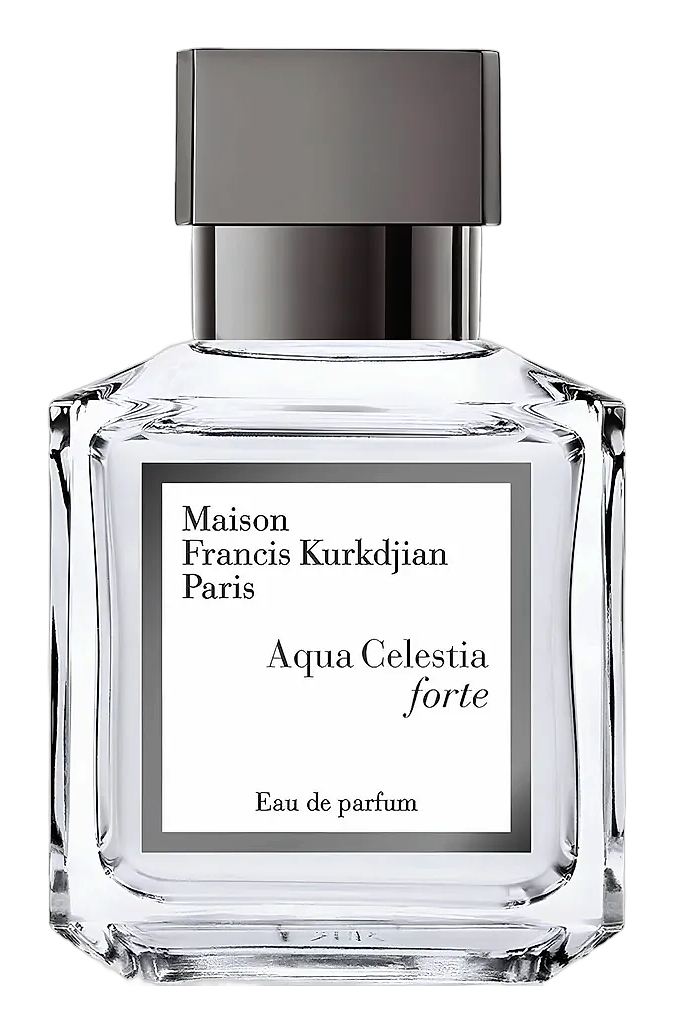
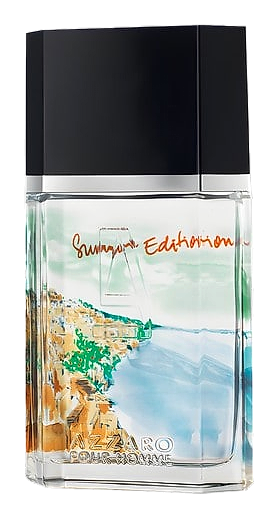
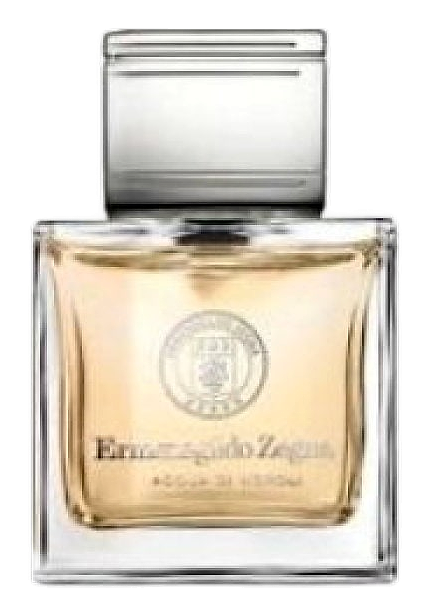
Fragrances featuring Italian petitgrain

Brands
Brands known for Italian petitgrain
Good to know
Questions, answered
The essentials on Italian petitgrain in perfumery: how it smells, where it comes from, and how it behaves on skin.
How does Italian petitgrain differ from other origins?
Italian petitgrain carries a warmer, more nuanced character than its Paraguayan or French counterparts. The Mediterranean climate and soil composition produce an oil with deeper woody base notes and a more complex floral heart. Producers in Calabria and Sicily have refined cultivation and distillation practices over generations, creating a recognizable Italian style.
Which part of the bitter orange tree yields petitgrain?
Petitgrain comes from the leaves and young twigs of the bitter orange tree, Citrus aurantium. Distillers sometimes include small unripe fruits, though these contribute minimally to the final oil. The leaves contain the highest concentration of aromatic compounds, which vary in character depending on harvest season and tree maturity.
What does Italian petitgrain smell like?
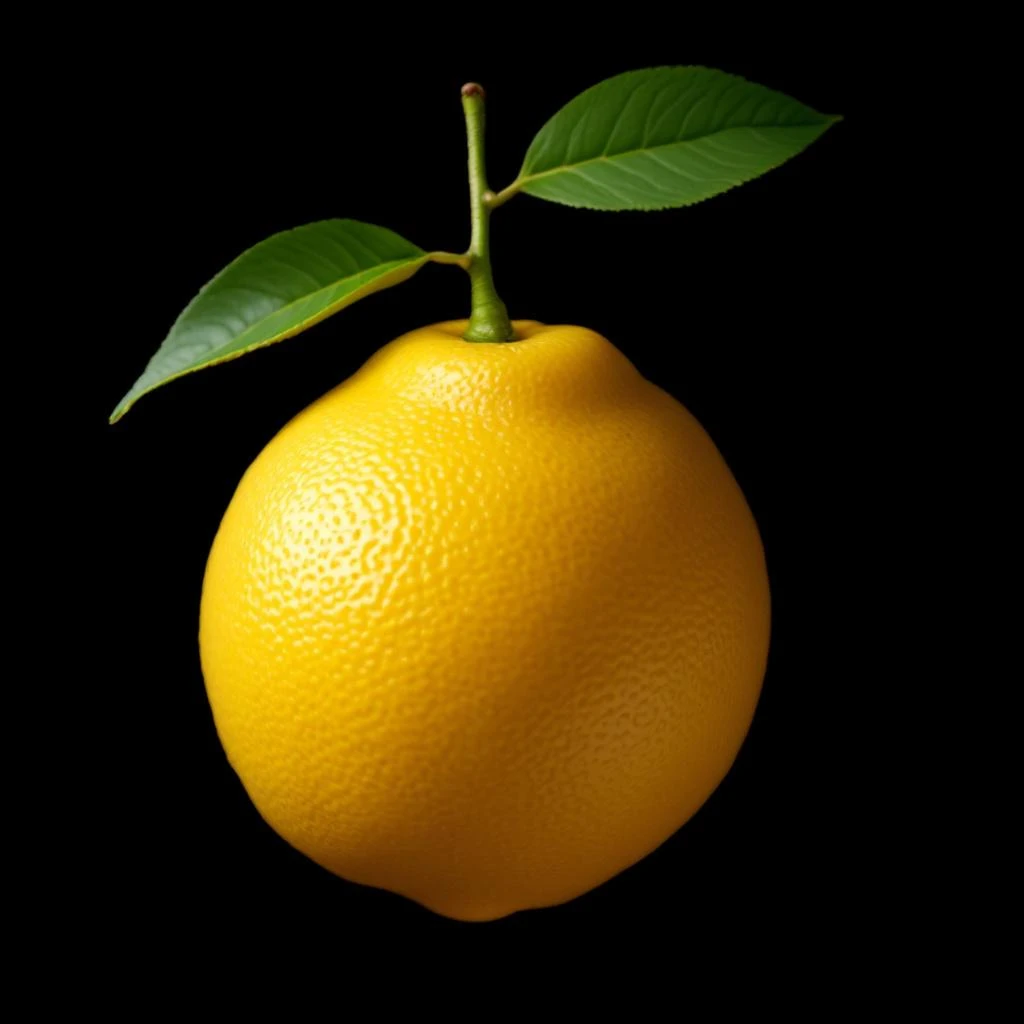
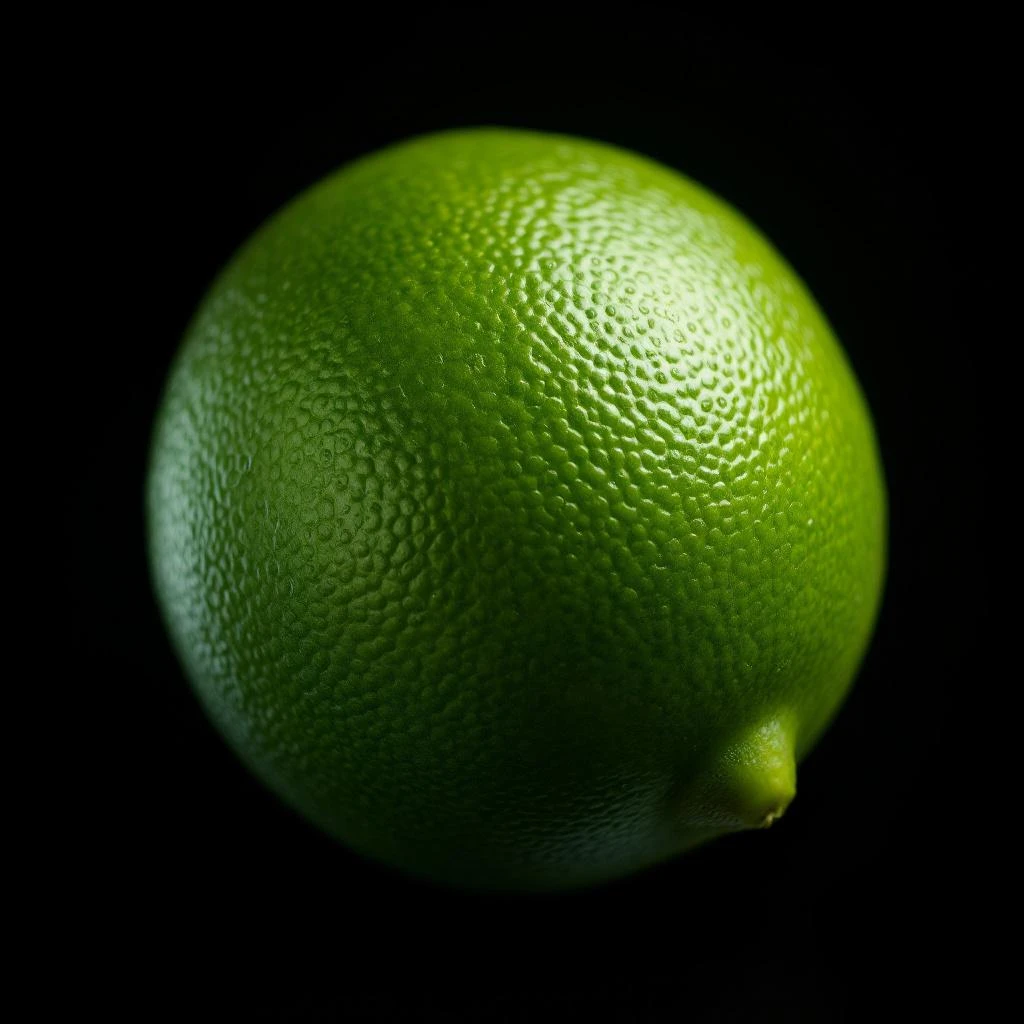
Italian petitgrain opens with sharp citrus brightness reminiscent of lemon and orange zest. The heart reveals floral, almost neroli-like nuances, while the drydown settles into warm, woody, slightly bitter notes. This three-part character makes it exceptionally versatile in fragrance composition.
Why is Calabria significant for Italian petitgrain?
Calabria produces the majority of Italian petitgrain due to its ideal Mediterranean conditions: warm summers, adequate rainfall, and well-drained soils. The region cultivates bitter orange trees specifically optimized for leaf harvest rather than fruit, a specialized practice that has defined Calabrian perfumery原料 production for generations.
Can petitgrain substitute for neroli in perfumery?
Petitgrain shares citrus and floral notes with neroli, but they differ significantly. Neroli, distilled from bitter orange blossoms, offers a sweeter, more indolic floral quality. Petitgrain adds woody, slightly bitter depth that neroli lacks. Perfumers often use them together for layered citrus compositions rather than as direct substitutes.
How does harvest timing affect petitgrain quality?
Leaves harvested in spring and early summer yield the most aromatic petitgrain oil. At this stage, the leaves contain higher concentrations of linalool and linalyl acetate, compounds responsible for petitgrain's characteristic floral freshness. Later harvests produce oil with more herbal, less refined qualities.
What fragrance families pair well with Italian petitgrain?
Italian petitgrain complements citrus, aromatic, and floral fragrance families. It anchors colognes alongside bergamot and lemon, adds depth to lavender and rosemary compositions, and tempers sweeter florals like neroli and orange blossom. Chypre and fougère formulas also benefit from its woody complexity.
Is Italian petitgrain sustainable?
Italian petitgrain production remains relatively sustainable because it utilizes a byproduct of bitter orange cultivation. The trees exist primarily for fruit production, with leaves harvested during routine pruning. This approach minimizes agricultural expansion while supporting traditional farming communities in Calabria and Sicily.