Indian turmeric leaf
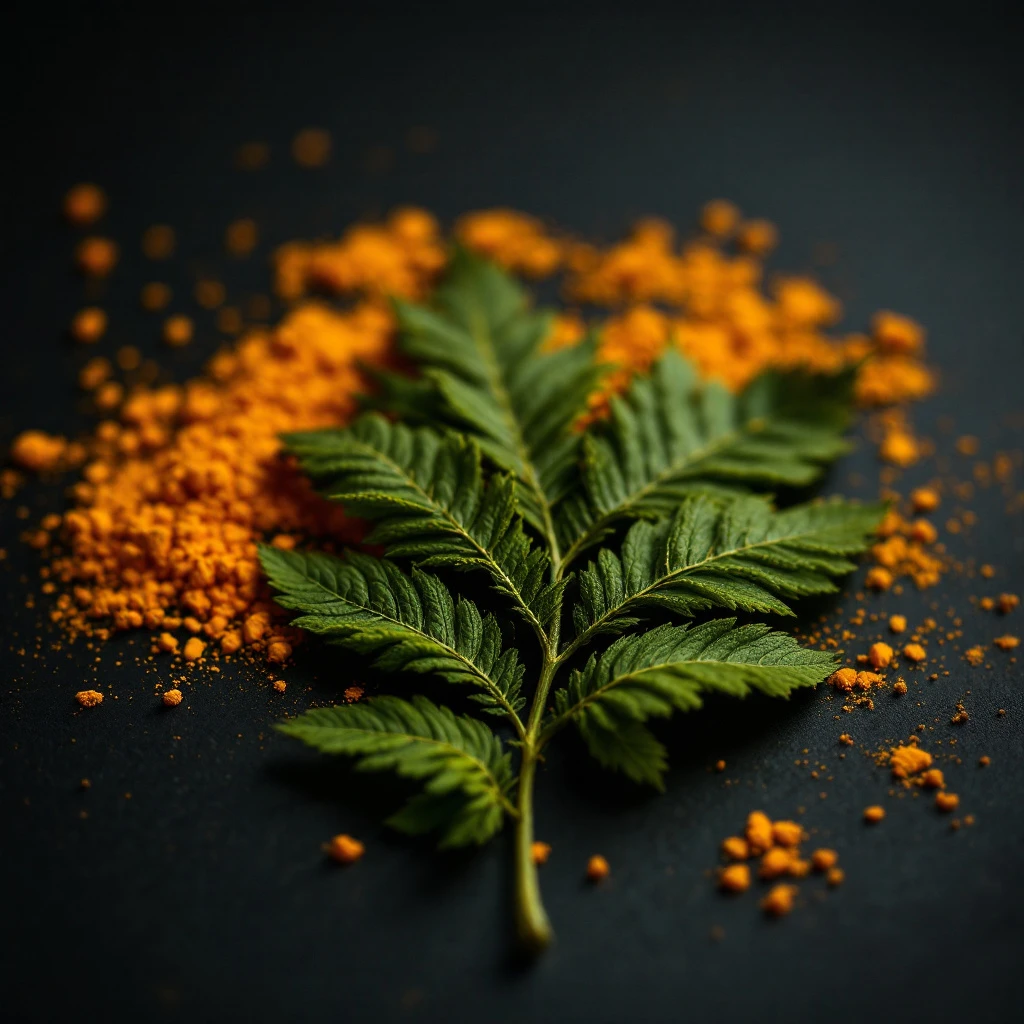
The leaf that perfume almost never had. While turmeric root dominates flavor and wellness conversations, the leaf carries a rarer aromatic identity, green and resinous, extracted only since farmers and chemists began asking: what else are we throwing away?
Character
How it smells
A leaf once destined for compost now carries perfume's newest green note.
In Goa, turmeric leaves serve as natural wrappers for patoleo, a sweet rice and coconut dish steamed to golden perfection. The same leaf, discarded after harvest, now yields prized aromatic molecules.





Origin
India
Turmeric (Curcuma longa) has roots in South Asia so deep that historians and botanists alike consider the region its original home. India has cultivated and used turmeric for nearly 4,000 years, beginning with the Vedic culture around 2000 BCE. Ancient texts describe turmeric as a perfume as well as a spice and dye, placing it among the first materials used for intentional fragrance.
The golden plant also carried spiritual weight; in Hindu traditions it has long symbolized purity, prosperity, and protection. Beyond its roots, the leaf itself holds cultural significance. In Goa, turmeric leaves form the natural wrapping for patoleo, a sweet rice-flour and coconut-jaggery dish steamed until the flavors meld into the leaf.
This culinary use preserves the leaf's aromatic identity differently than extraction does, but confirms its long-standing presence in Indian sensory culture. Modern perfumery began recognizing the leaf's aromatic potential only recently, as analytical techniques revealed scented molecules that farmers had never considered valuable. The transition from agricultural waste to aromatic material reflects a broader shift in natural ingredients toward sustainability-driven sourcing, with Indian perfumery traditions once centered in Kannauj now influencing global fragrance chemistry through materials like this one.
Wears it best
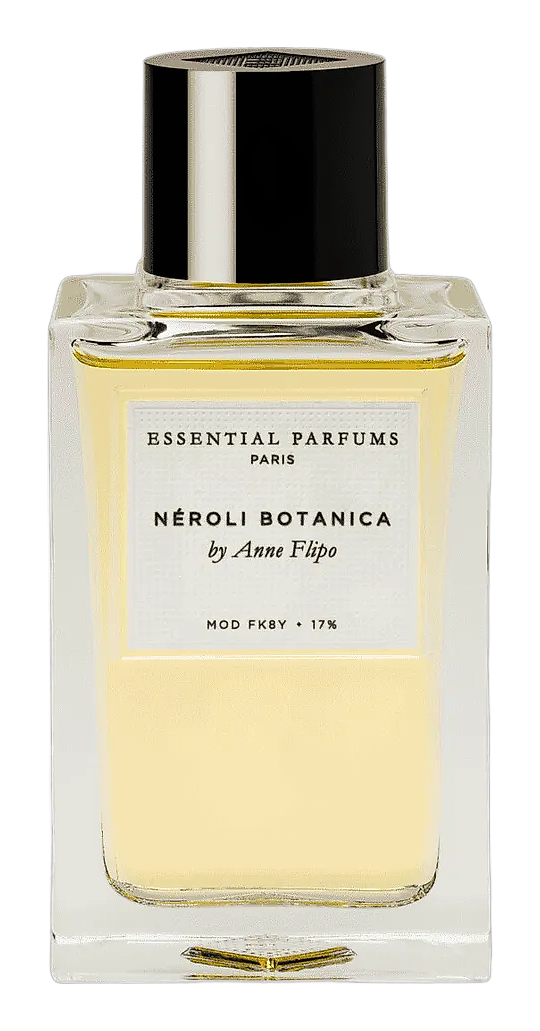
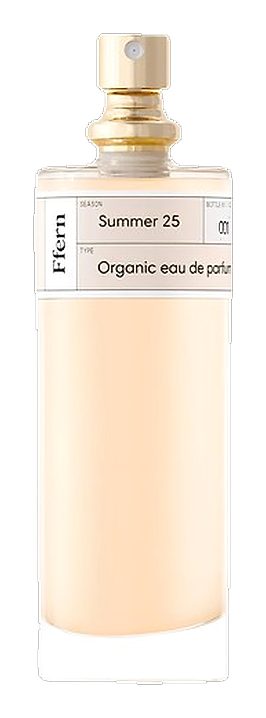
Fragrances featuring Indian turmeric leaf
Brands
Brands known for Indian turmeric leaf
Good to know
Questions, answered
The essentials on Indian turmeric leaf in perfumery: how it smells, where it comes from, and how it behaves on skin.
What does turmeric leaf oil smell like?
Turmeric leaf oil has a fresh, green, and herbal character with earthy depth. It differs significantly from turmeric root oil, which is warmer and more spice-like. The leaf oil is less common in perfumery, making it a distinctive choice for fragrances seeking something genuinely niche.
Is turmeric leaf the same as turmeric root in perfumery?
No. Turmeric root oil comes from the rhizome, the underground stem, and carries warm, spicy, slightly woody notes. Turmeric leaf oil is extracted from the aerial leaves and presents a greener, fresher, and more herbaceous profile. They are chemically and aromatically distinct.
Where does turmeric leaf oil come from?
India is the world's largest producer of turmeric, and the leaf material comes primarily from Uttar Pradesh and Andhra Pradesh, where the rhizomes are harvested for the spice trade. The leaves would otherwise go to waste. LMR Naturals by IFF sources this material through a dedicated partnership with Nesso, an Indian natural ingredients producer.
How is turmeric leaf oil produced?
Fresh leaves are collected after the rhizome harvest, then steam distilled. The process preserves volatile green molecules and sesquiterpenes present in the leaf. Each batch depends on seasonal availability, making the oil limited in supply and genuinely niche.
Why is turmeric leaf oil considered sustainable?
The leaves were previously discarded or composted after the valuable rhizomes were harvested. Extracting them for perfumery converts agricultural waste into a high-value aromatic material, creating additional income for farmers without changing cultivation practices.
What compounds define turmeric leaf oil?
The oil contains sesquiterpenes and aldehydes that contribute its characteristic green, slightly citrus, and herbaceous aroma. The exact composition varies by harvest location and season, but the fresh green profile remains the defining olfactory signature.
Is turmeric leaf oil used in mainstream fragrances?
Not yet widely. The material remains rare and is primarily adopted by perfumers seeking unusual natural ingredients for niche or luxury fragrances. As sustainability and upcycling themes grow in the industry, interest in turmeric leaf oil is increasing.
Can turmeric leaf cause skin sensitivity?
As with most natural essential oils, proper dilution is required. Turmeric leaf oil should be used according to IFRA guidelines and handled by trained professionals. It is not recommended for direct skin application without appropriate formulation expertise.