Blood Orange Peel
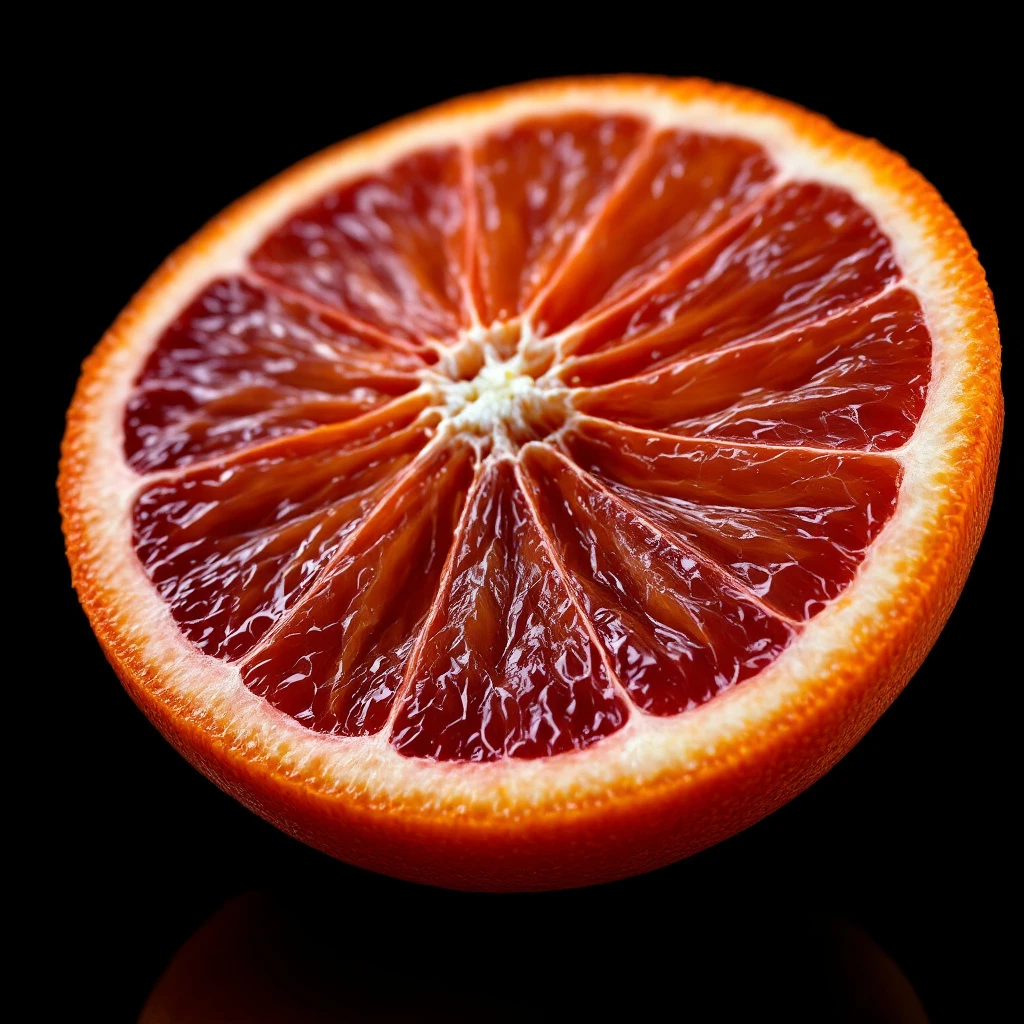
Blood orange peel delivers a vivid citrus aroma with unexpected depth. Unlike standard orange oil, it carries berry-like darkness beneath its bright citrus character, making it a sophisticated choice for modern fragrances.
Character
How it smells
The darker side of citrus with berry undertones.
The deep red color of blood orange skin comes from anthocyanin pigments, the same compound that gives blueberries their hue.


Origin
Italy
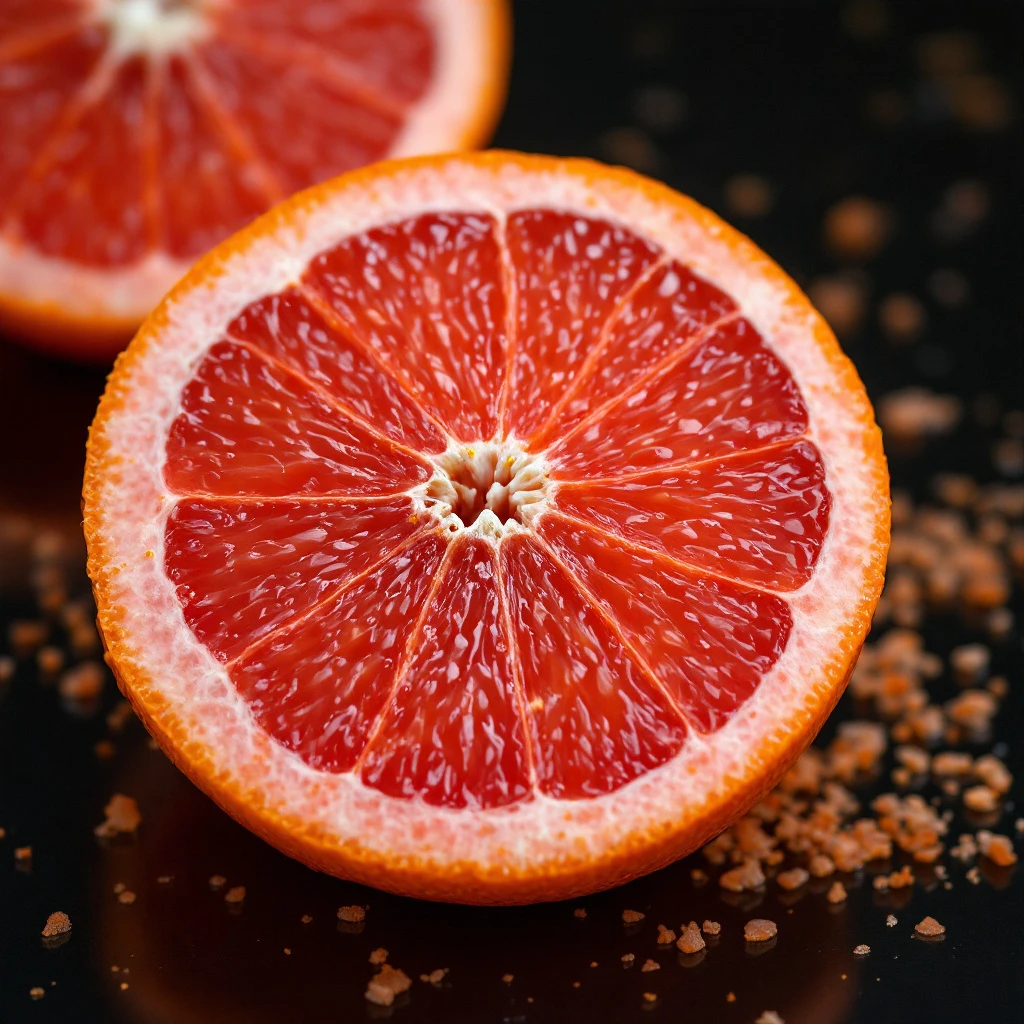
Blood oranges have been cultivated in the Mediterranean for centuries, but their use in perfumery remained limited until recently. The variety gained prominence in Italian groves during the 19th century, particularly around Capua, where citrus extraction became a refined practice.
Italian producers in Campania have long understood this potential, maintaining traditional cultivation methods that preserve the delicate balance of compounds responsible for the oil's distinctive character. The anthocyanin development that creates the fruit's signature deep red color was a relatively recent discovery in terms of commercial applications.
Until recently, perfumers preferred the more predictable aromatic profile of standard sweet orange oil, overlooking the nuanced complexity that blood orange peel could offer. The region around Capua represents Italian excellence in citrus fruit extraction since 1880, establishing standards that continue to define quality in the industry today.
Wears it best
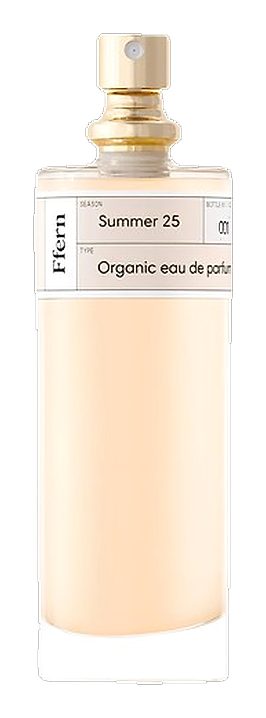
Fragrances featuring Blood Orange Peel
Brands
Brands known for Blood Orange Peel
Good to know
Questions, answered
The essentials on Blood Orange Peel in perfumery: how it smells, where it comes from, and how it behaves on skin.
What does blood orange peel smell like?
Blood orange peel smells like bright citrus with a distinctive berry-dark undertone. It is sweeter and more complex than standard orange oil, with red fruit and floral nuances that add sophistication to fragrance compositions.
Where does blood orange essential oil come from?
Italy produces the finest blood orange oil, particularly from the Campania region around Capua. The Mediterranean climate and soil conditions there produce fruits with optimal anthocyanin development and aromatic complexity.
How is blood orange peel oil extracted?
Blood orange peel oil is extracted through cold pressing, where the peel is mechanically pressed to rupture oil glands. This method preserves volatile compounds that steam distillation would alter, maintaining the oil's authentic scent profile.
What is the botanical name for blood orange?
Blood orange is Citrus sinensis (L.) Osbeck, specifically the Moro variety. The deep red coloration comes from anthocyanin pigments that develop in response to cooler nighttime temperatures during the growing season.
How does blood orange differ from regular orange in perfumery?
Blood orange oil contains the same primary component, limonene, but with additional volatile compounds that give it berry-like undertones. Regular sweet orange oil offers brighter, more straightforward citrus character without the complex darkness.
Is blood orange oil natural?
Yes, blood orange essential oil is 100% natural, cold-pressed from the peel of Citrus sinensis. No synthetic compounds are involved in its production, making it a genuine botanical ingredient.
What fragrance families use blood orange peel?
Blood orange peel appears in citrus, fruity, and floral compositions. It also works as a modifier in chypre and woody fragrances, adding brightness and a contemporary twist to traditional structures.
Does blood orange oil have any toxicological concerns?
Blood orange oil is generally recognized as safe for cosmetic use. Like most citrus oils, it contains furanocoumarins that may cause photosensitivity if applied to skin before sun exposure. Follow standard citrus oil safety guidelines.