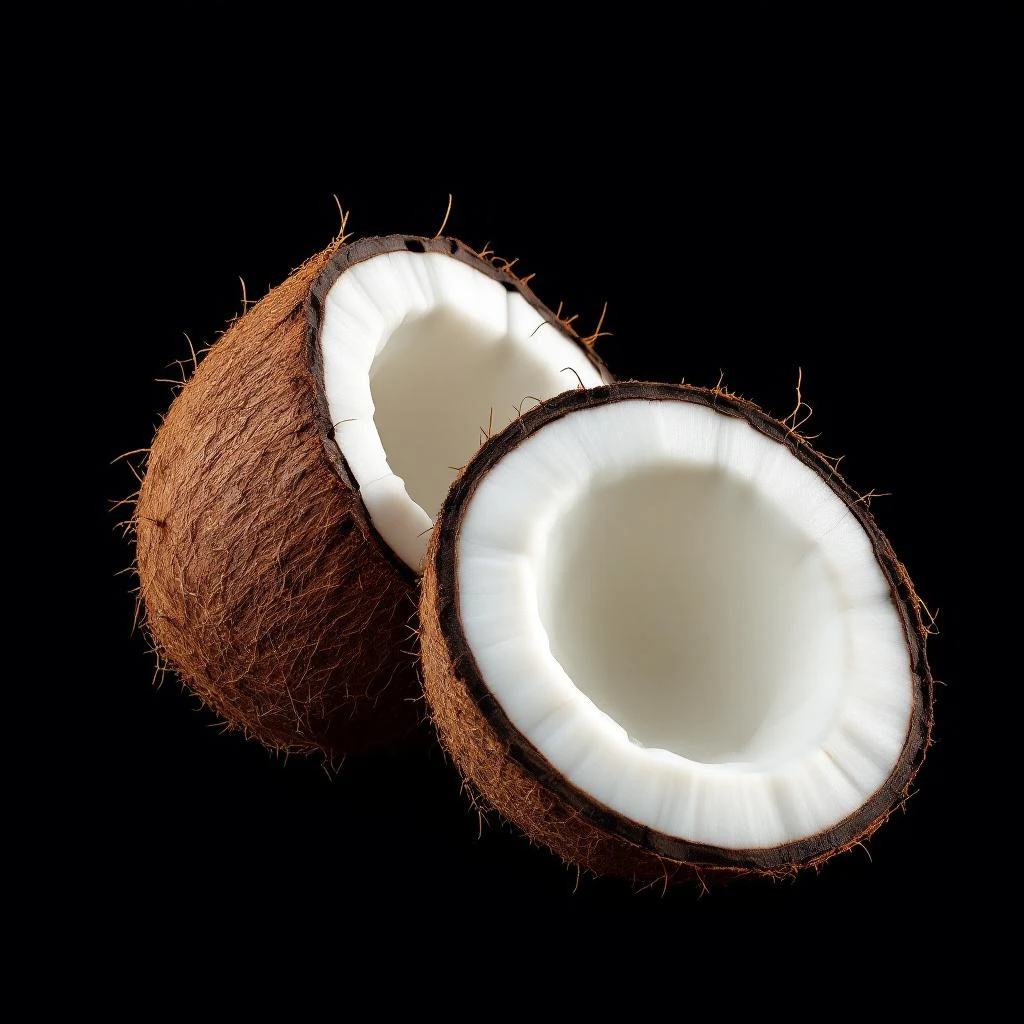
Honeycrisp Apple
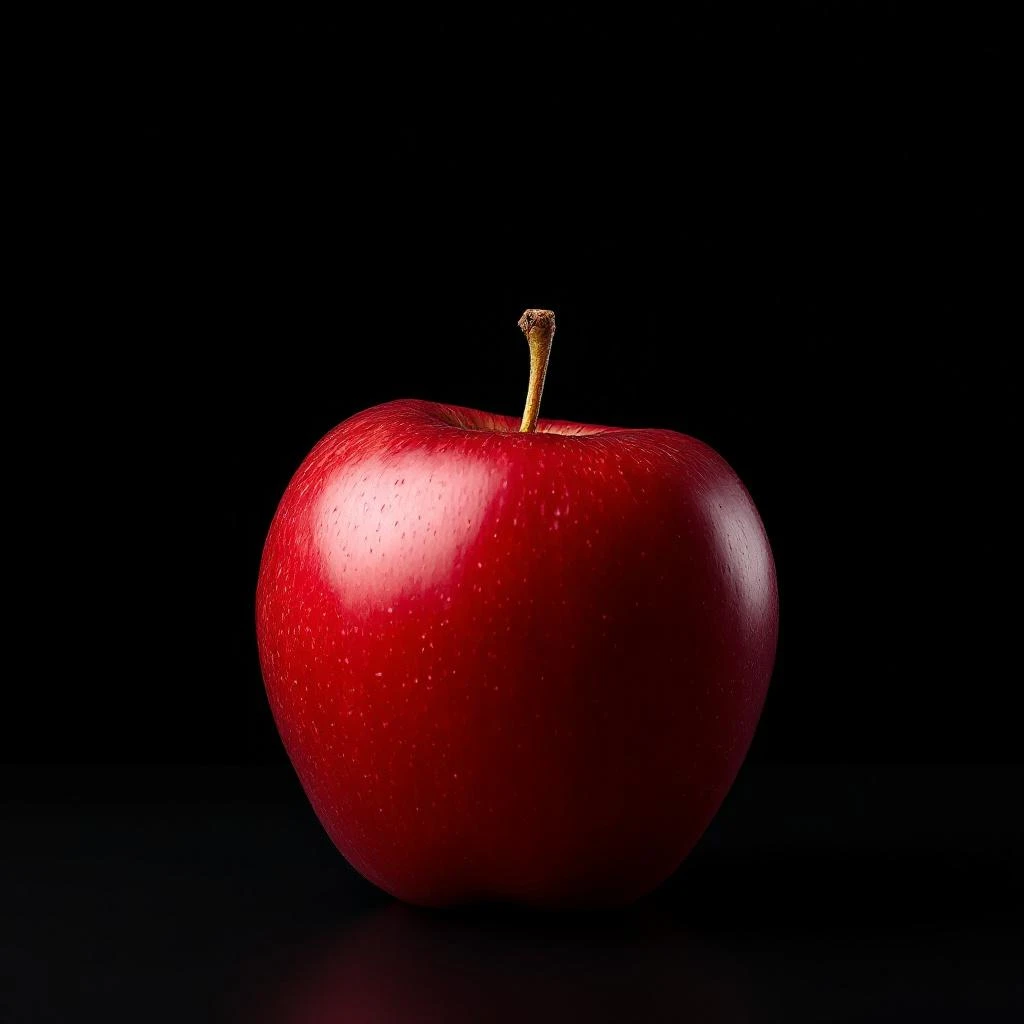
Honeycrisp Apple delivers that unmistakable bite: sun-warmed sweetness meeting sharp, shattering acidity. One of perfumery's most requested fruit notes, it captures the moment an apple breaks the skin in a burst of juice.
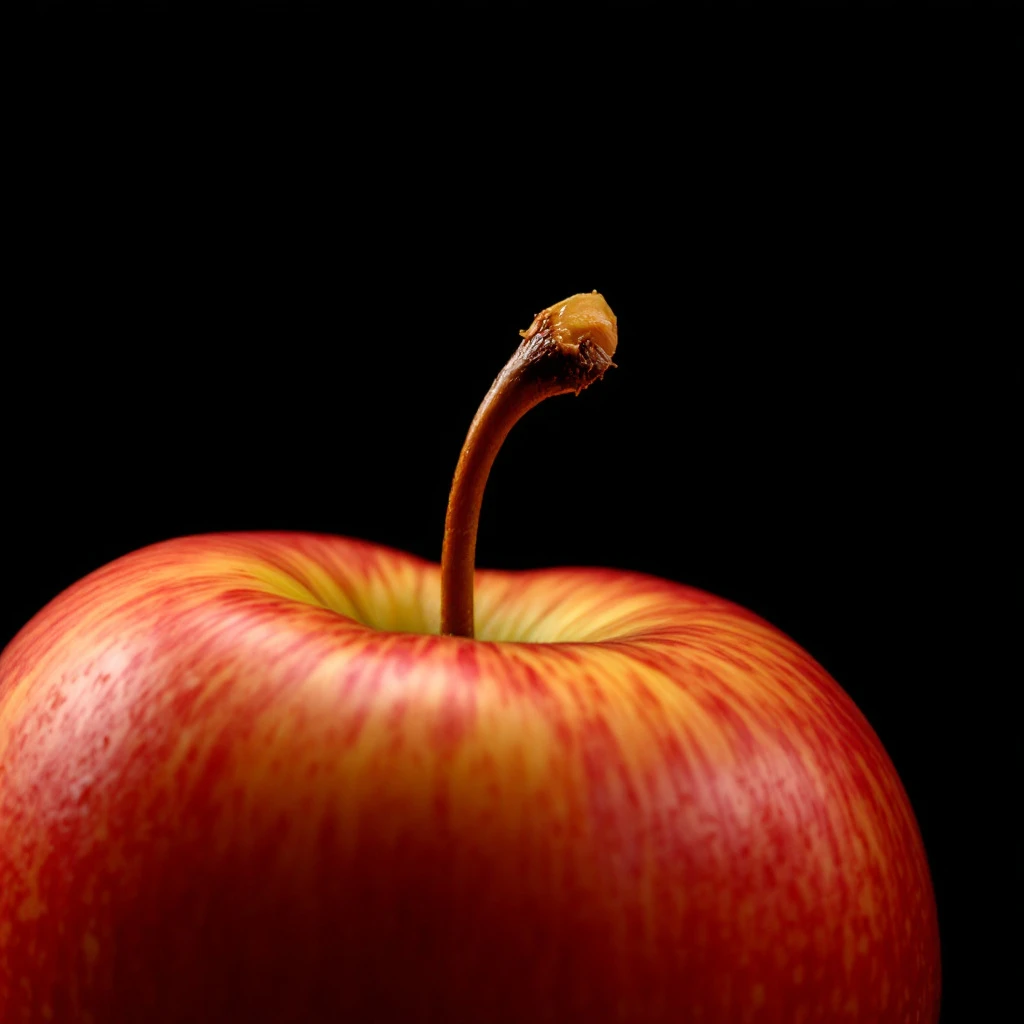
Character
How it smells
The definitive modern apple note. Sweet, crisp, alive.
Honeycrisp apples were developed by the University of Minnesota in 1974 and officially released in 1991, making them a relative newcomer among perfumery ingredients.
Pairs beautifully with

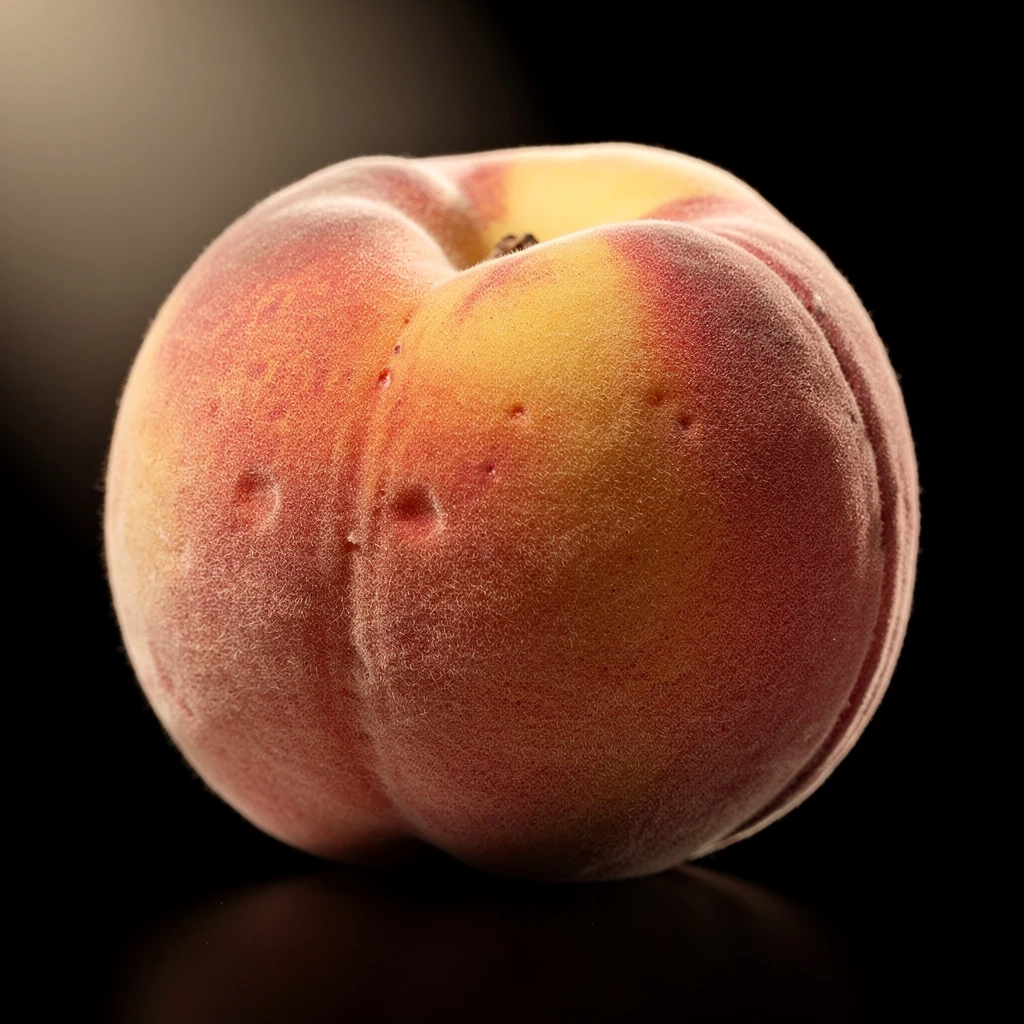
Origin
United States
The Honeycrisp apple cultivar was born at the University of Minnesota's horticulture department in 1974, from a cross between Honeygold and Keepsake varieties. Plant breeders sought an apple that held its crisp texture longer in cold storage, a practical concern for northern growers.
The resulting apple surprised everyone with its unusual texture: cells that burst with juice when bitten, a trait called "exploding texture" in the trade. The cultivar was finally released to commercial growers in 1991 and quickly became one of the most planted apple varieties in North America.
Its distinctive flavor profile, balancing honeyed sweetness against bright acidity, made it a natural candidate for perfumery's growing fruit note repertoire. Today, Honeycrisp apple fragrance captures that exact sensory moment of biting through thin skin into crisp, juicy flesh.
Wears it best
Fragrances featuring Honeycrisp Apple
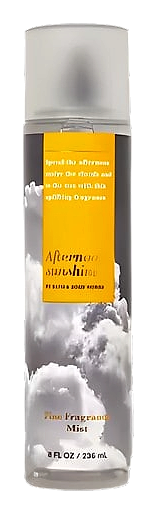
Brands
Brands known for Honeycrisp Apple
Good to know
Questions, answered
The essentials on Honeycrisp Apple in perfumery: how it smells, where it comes from, and how it behaves on skin.
Is Honeycrisp Apple a natural or synthetic ingredient in perfumery?
It is synthetic. No apple essential oil exists for perfumery use. Honeycrisp Apple fragrance is constructed from natural isolates like ethyl-2-methylbutyrate and isoamyl acetate, derived from fermented plant materials rather than the fruit itself.
What does Honeycrisp Apple smell like in a fragrance?
It smells like biting into a fresh Honeycrisp apple: a burst of sweet juice followed by bright, almost grape-like acidity. The note reads as both warm and crisp, making it unusual among fruit accords that often skew purely sweet.
Where does Honeycrisp Apple originate as a fragrance ingredient?
The apple cultivar originated at the University of Minnesota in the United States, developed in 1974 and released commercially in 1991. The fragrance compound itself is produced by aroma chemistry laboratories globally.
What family does Honeycrisp Apple belong to in perfumery?
It belongs to the fruity olfactive family. Like most apple notes, it functions as a top note, appearing first in the fragrance composition and fading within the first hour of wear.
How does Honeycrisp Apple differ from Granny Smith Apple in perfume?
Honeycrisp Apple carries more sweetness and ripeness, while Granny Smith Apple is sharper and more aldehydic. Honeycrisp reads as sun-warmed and juicy; Granny Smith reads as tart and green.
Can I find natural apple perfume ingredients?
No commercially viable apple essential oil or absolute exists. The industry relies entirely on synthesized aroma molecules to recreate apple scent. Natural isolates from other botanicals can approximate the effect.
What ester gives Honeycrisp Apple its characteristic fruitiness?
Ethyl-2-methylbutyrate is the primary driver of apple fruitiness in fragrance. It is naturally present in many fruits and is one of the most common aroma compounds used to build apple accords.
Does Honeycrisp Apple last long in perfume?
Like most top notes, it dissipates quickly, typically within 30 to 60 minutes. It serves to introduce the fragrance with brightness and freshness rather than provide lasting dry-down character.