Glacé
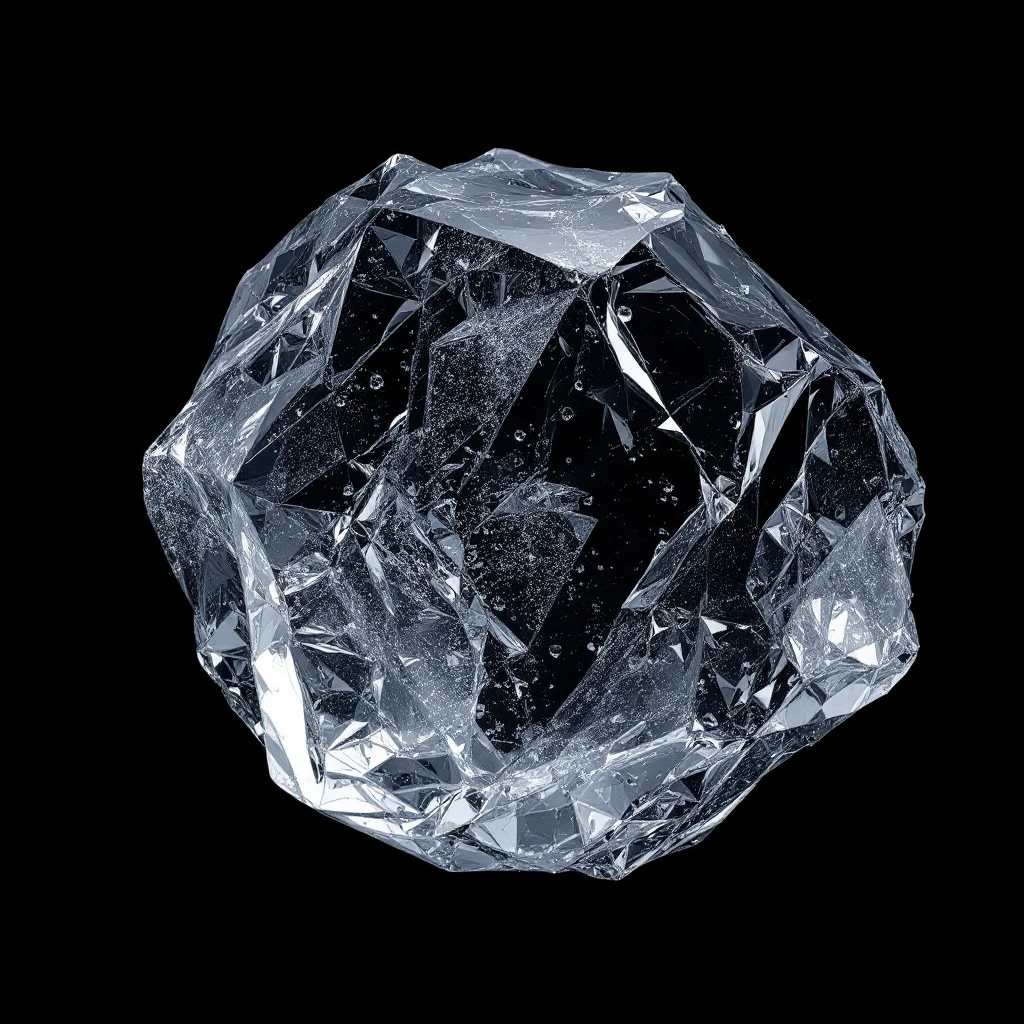
The sensation of breath on cold glass. Glace captures the moment warmth meets frost—a crystalline pause suspended between states. This modern perfumery concept translates frozen stillness into scent, evoking frosted windows, ice-laced air, and the sharp clarity of winter mornings.
Character
How it smells
Frozen clarity captured in scent.
French for frozen, glace draws from the same aromatic molecules that give cucumber its cool bite and seawater its metallic chill.
Origin
France
While ancient perfumers worked with natural materials like camphor and mint for cooling effects, the modern concept of glace emerged from post-WWII synthetic chemistry. The development of molecules like Calone in the 1960s gave perfumers precise tools to construct frozen sensation. By the 1980s and 1990s, aquatic fragrances popularized this cool, crystalline quality.
Today, glace remains a hallmark of modern perfumery, appearing in countless fragrances as a bridge between freshness and intensity. The term itself honors the French tradition of perfumery language, where evocative descriptors guide both creators and wearers.
Wears it best
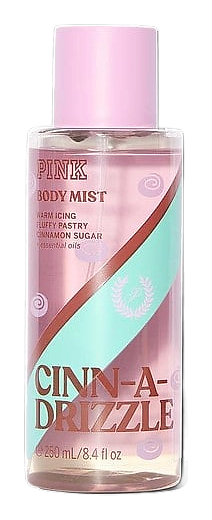
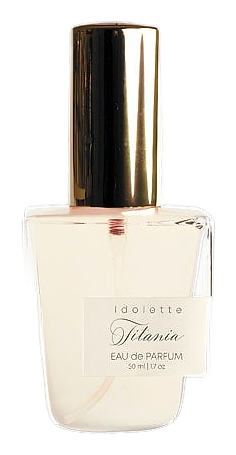
Fragrances featuring Glacé
Brands
Brands known for Glacé
Good to know
Questions, answered
The essentials on Glacé in perfumery: how it smells, where it comes from, and how it behaves on skin.
What does glace smell like?
Glace delivers a cool, crisp sensation reminiscent of cold air, frosted surfaces, and the moment breath fogs glass. It combines aquatic freshness with metallic brightness and subtle cucumber-like coolness.
Is glace a natural or synthetic ingredient?
Glace is a synthetic accord. Perfumers construct it from lab-created molecules like Calone and Melonal, giving precise control over the frozen, crystalline effect.
What fragrances feature glace notes?
Glace appears in numerous fresh and aquatic fragrances across many houses. It serves as a bridge between citrus freshness and deeper, more complex scent structures.
Does glace smell cold on skin?
Yes. Specific molecules in glace accords trigger olfactory receptors in ways that mimic physical coolness, similar to how menthol creates a cooling sensation independent of temperature.
When did glace become common in perfumery?
The 1960s brought the molecules that enable glace effects. By the 1980s, aquatic fragrances established frozen-cool accords as a mainstream perfumery category.
Can I layer glace with other notes?
Glace works as a bridge note, connecting bright citrus or fruity top notes to heart and base materials. It adds clarity and lift without overpowering other elements.
How does glace differ from mint in fragrance?
Mint delivers a distinct herbal-cool sensation, while glace evokes a broader frozen-air quality combining aquatic, metallic, and crystalline elements into one accord.
Is glace suitable for warm-weather fragrances?
Glace excels in warm-weather compositions. Its cooling perception counterbalances heat, creating the illusion of refreshment that wearers find appealing in summer scents.