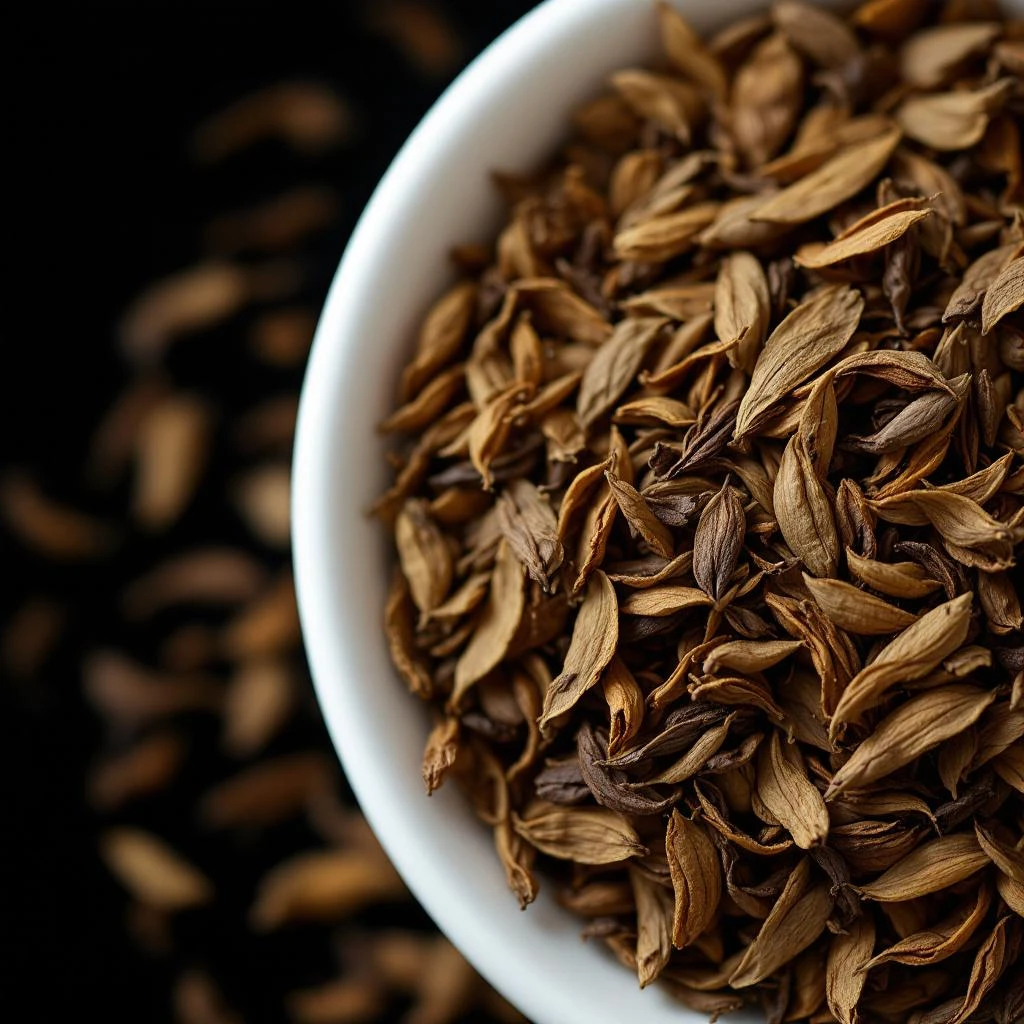
Erythroxylum Coca
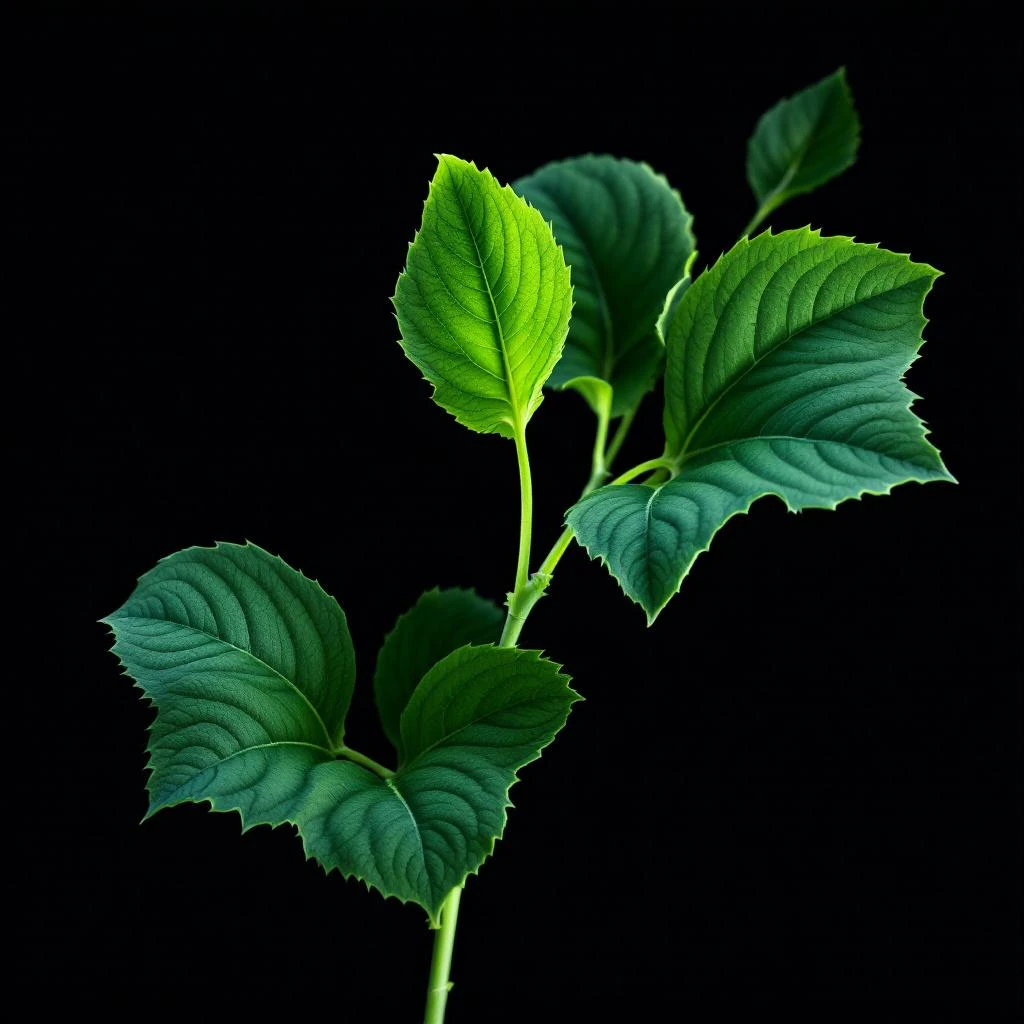
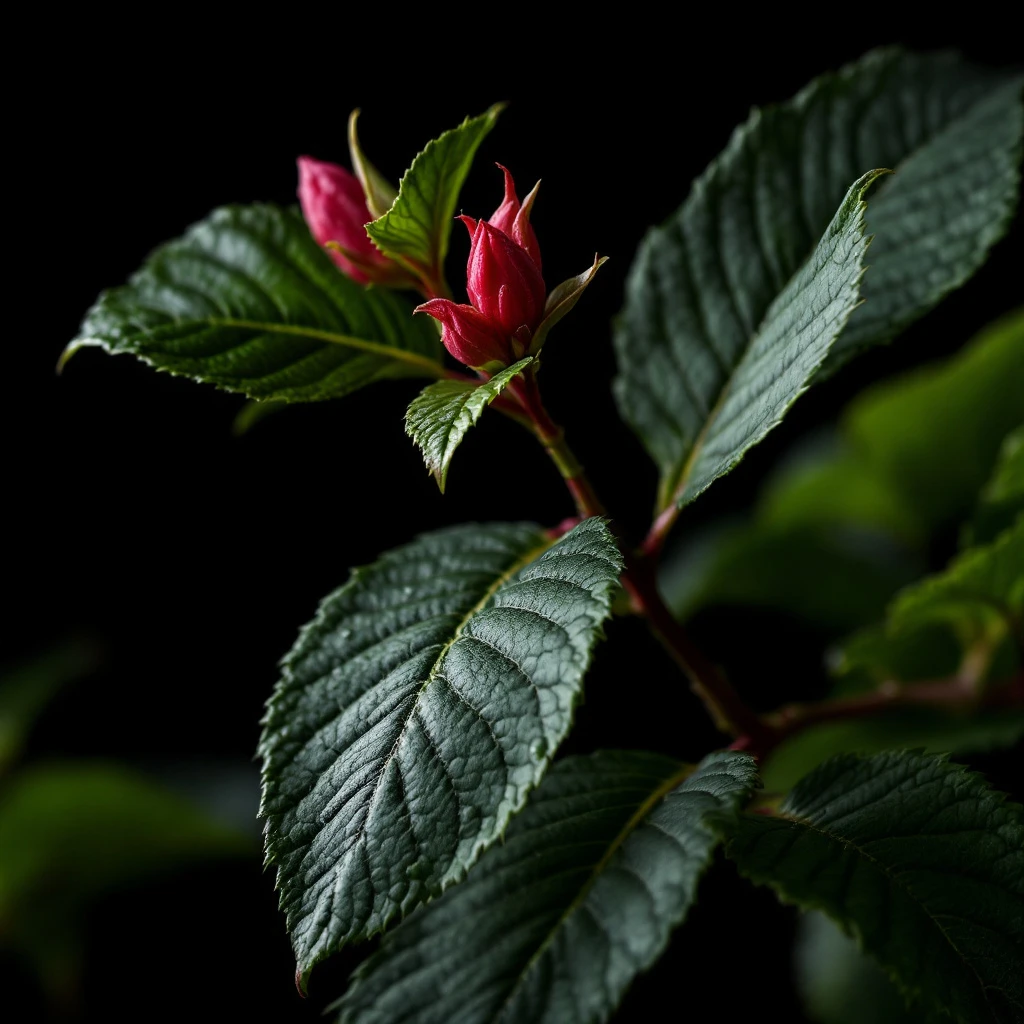
A controversial botanical with 4,000 years of Andean heritage. Coca leaf brings green, slightly bitter nuances to fragrance, though commercial perfumery use remains limited by regulation and sourcing complexity.
Character
How it smells
Green, bitter, and steeped in millennia of tradition.
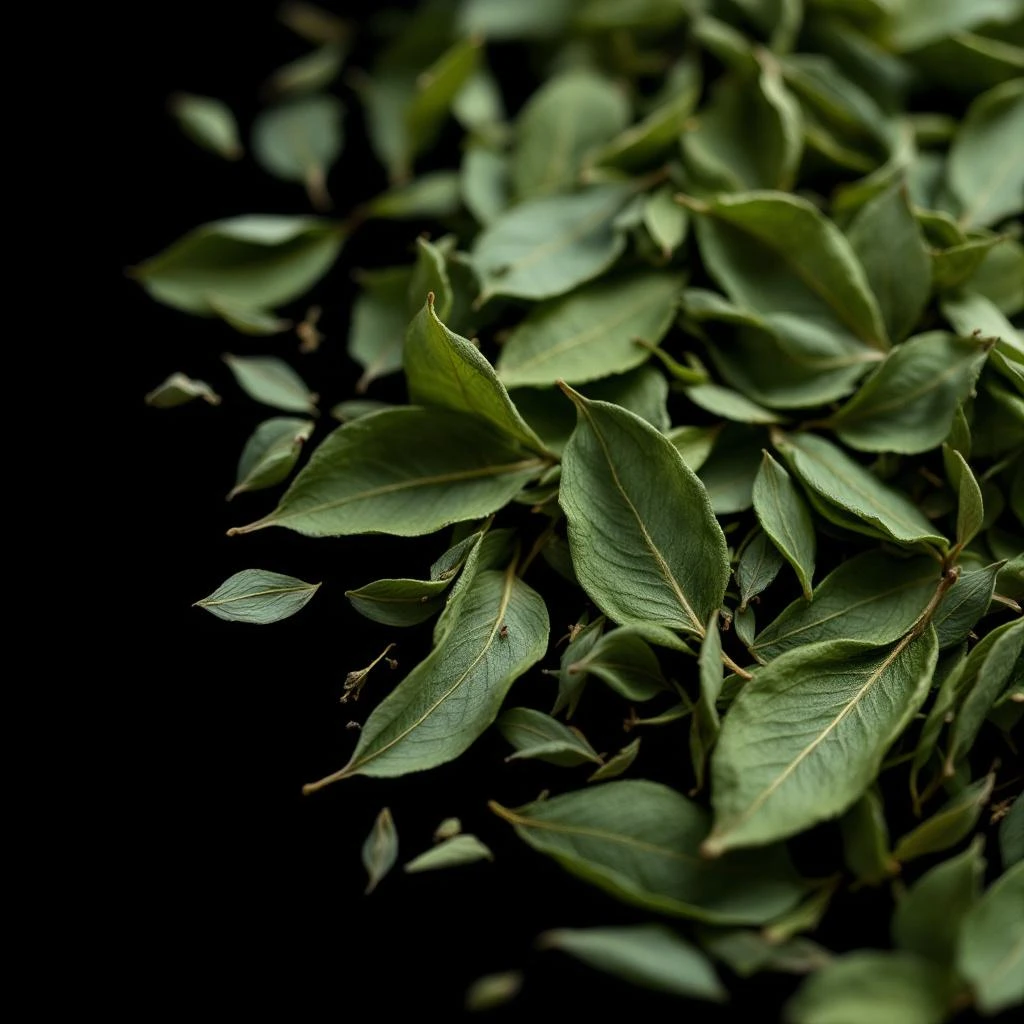
The Inca used coca leaves as currency, paying workers in handfuls of dried leaves for their labor.
Pairs beautifully with
Origin
Peru
Coca has been cultivated in South America for over 4,000 years, making it one of the oldest domesticated plants in the Americas. Genomic analysis indicates the plant was independently domesticated two or three separate times from the wild species Erythroxylum gracilipes by different indigenous groups.
The plant was central to Andean civilization, with Inca workers chewing coca leaves during construction of major monuments, including portions of Machu Picchu. Spanish conquistadors initially suppressed coca use but later embraced it when they realized it helped indigenous laborers work in high-altitude mines.
By the 19th century, coca had entered global consciousness through products like Coca-Cola and medicinal tonics. Today, Peru and Bolivia legally cultivate coca for traditional and industrial purposes, though international treaties restrict its commercial applications.
Wears it best
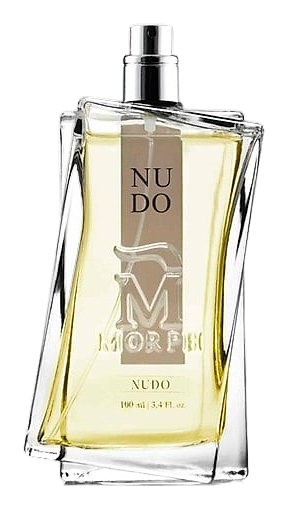
Fragrances featuring Erythroxylum Coca
Brands
Brands known for Erythroxylum Coca
Good to know
Questions, answered
The essentials on Erythroxylum Coca in perfumery: how it smells, where it comes from, and how it behaves on skin.
Is coca leaf actually used in commercial perfumes?
Coca leaf is not commercially extracted for perfumery. De-cocainized extracts exist for food use, but natural coca aroma is rarely found in mainstream fragrances due to regulatory restrictions and sourcing challenges.
What does coca leaf smell like?
Coca leaf is described as having green, slightly bitter, and herbaceous notes. The aroma is comparable to mate or green tea with subtle alkaloid undertones.
Why is coca controversial in perfumery?
Coca is the source of the alkaloid cocaine, which makes the plant subject to strict international drug control treaties. Most countries prohibit commercial extraction of coca leaf for any purpose.
What is the difference between coca and cocaine in fragrance?
Cocaine is a specific alkaloid extracted from coca leaves. Coca leaf itself contains over a dozen alkaloids, and its aromatic profile differs significantly from isolated cocaine compounds.
Where does legal coca cultivation occur today?
Peru and Bolivia are the primary legal producers, with cultivation concentrated in high-altitude valleys of the Andes. Coca is also grown in Colombia and locally in Indonesia and the West Indies.
How long have Andean cultures used coca?
Archaeological evidence and genomic studies confirm coca was domesticated approximately 4,000 years ago, independently by multiple indigenous groups across South America.
Are there synthetic alternatives to coca in perfumery?
Synthetic compounds can approximate green, herbaceous notes, but no widely available synthetic replicates the full aromatic complexity of coca leaf.
Why isn't coca more common in perfumery given its long history?
Modern drug control laws enacted in the 20th century essentially severed the link between traditional botanical use and commercial fragrance. Regulatory compliance makes commercial sourcing impractical for most perfumers.