El Salvadorian ambrette seed
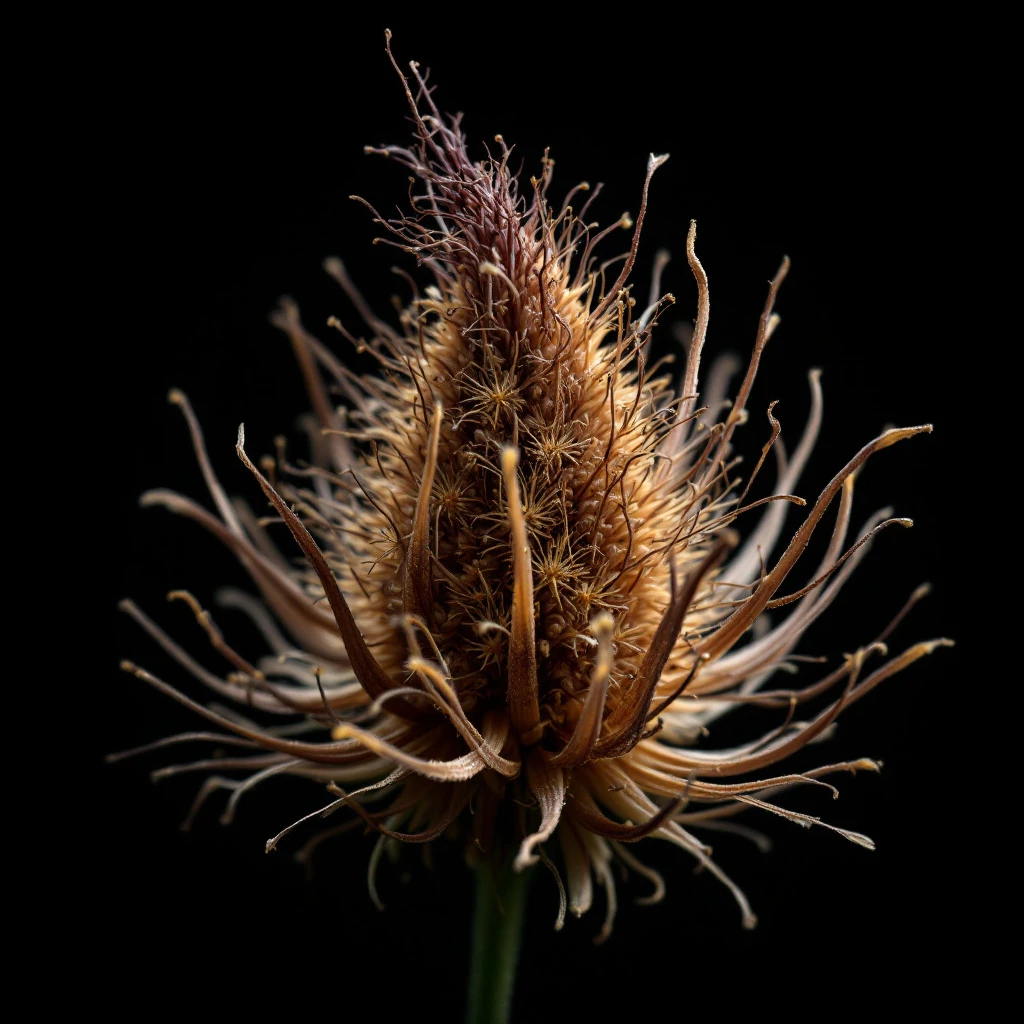
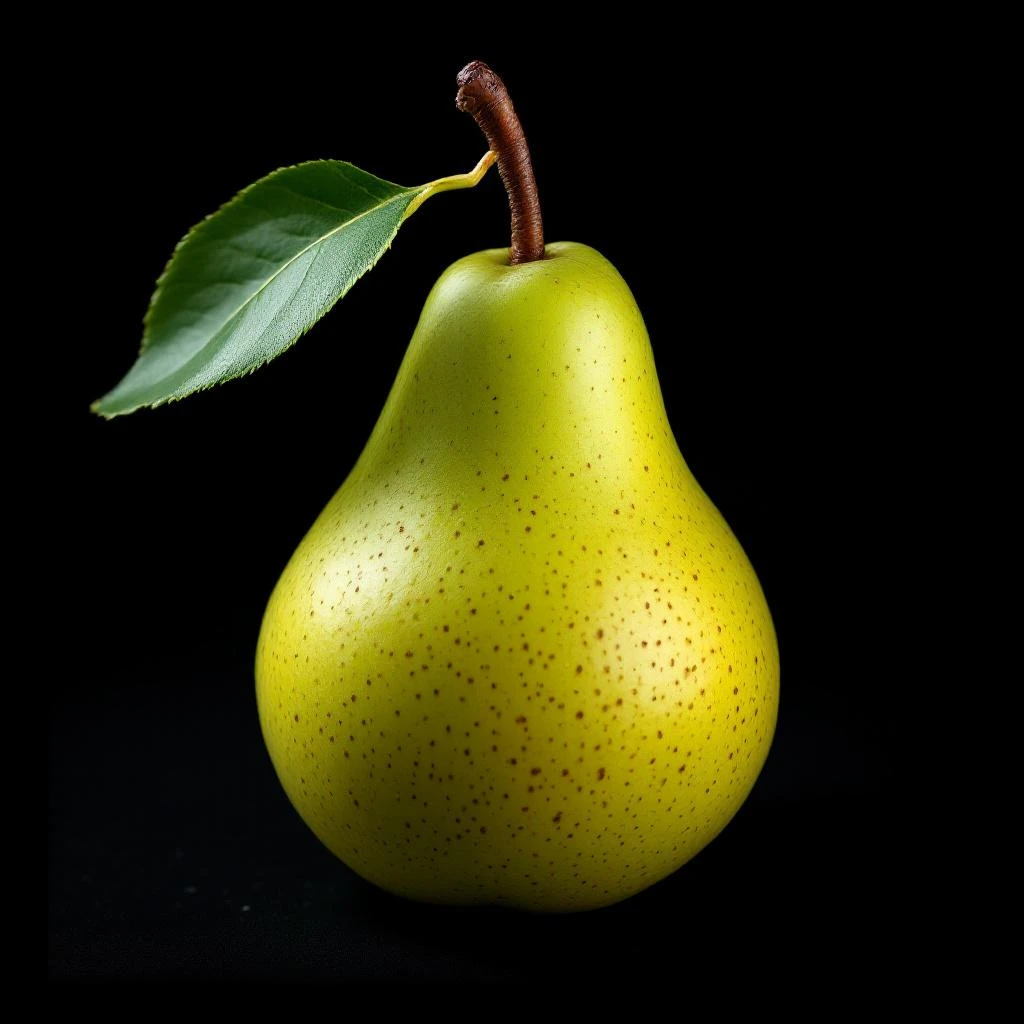
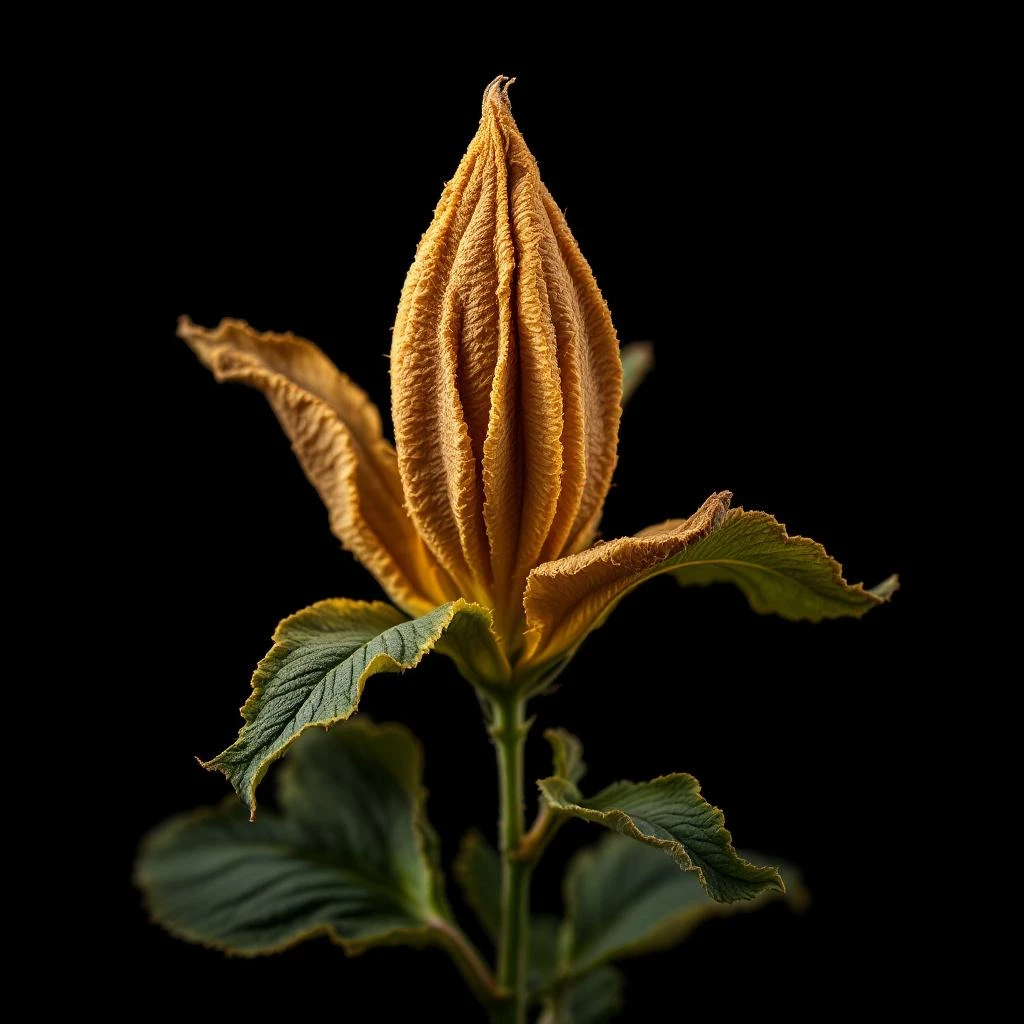
El Salvadorian ambrette seed delivers the warmth of musk without animal cruelty. Pressed from the sun-dried seeds of the musk mallow plant, it carries subtle fruity pear notes that bring softness and sensuality to fragrance compositions.
Character
How it smells
Nature's velvet musk from Central America
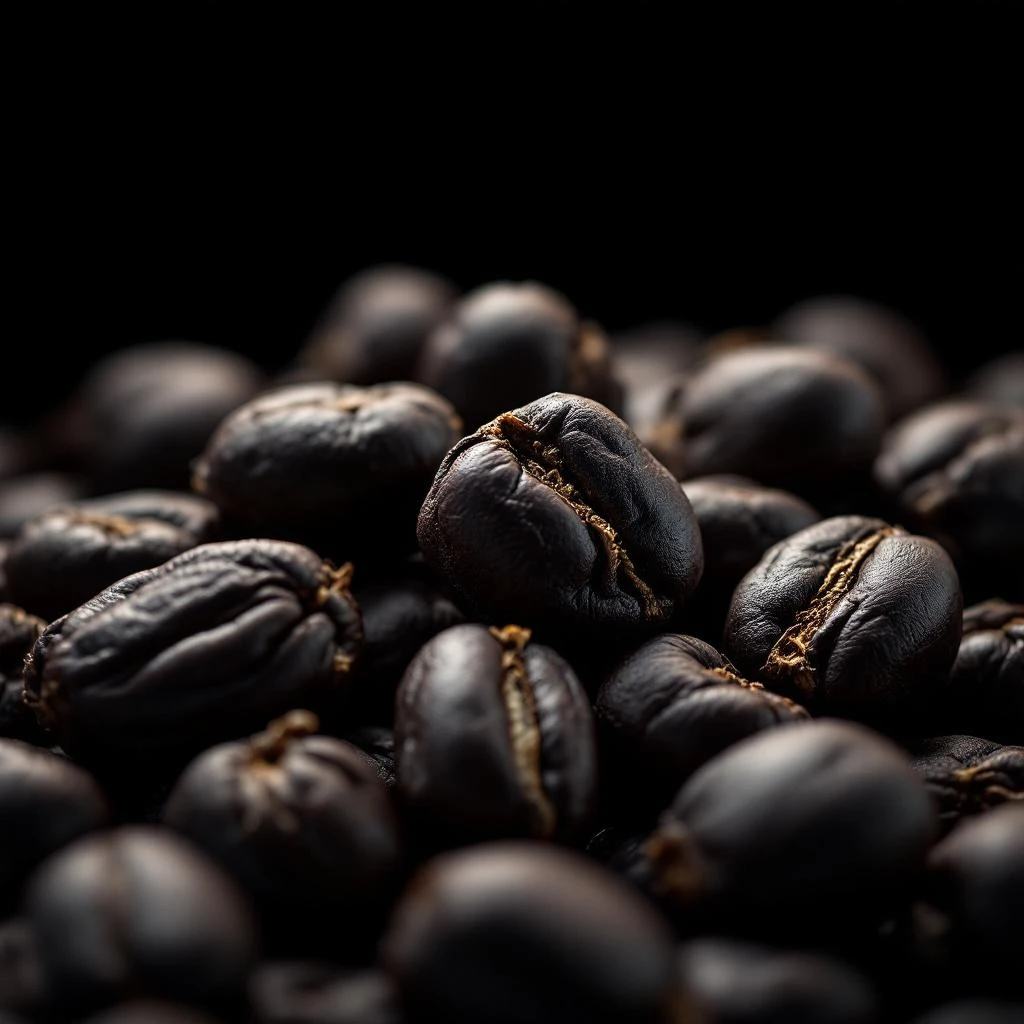
Before becoming a perfumery treasure, ambrette seeds flavored coffee and chocolate drinks throughout Mesoamerica for centuries.


Origin
El Salvador
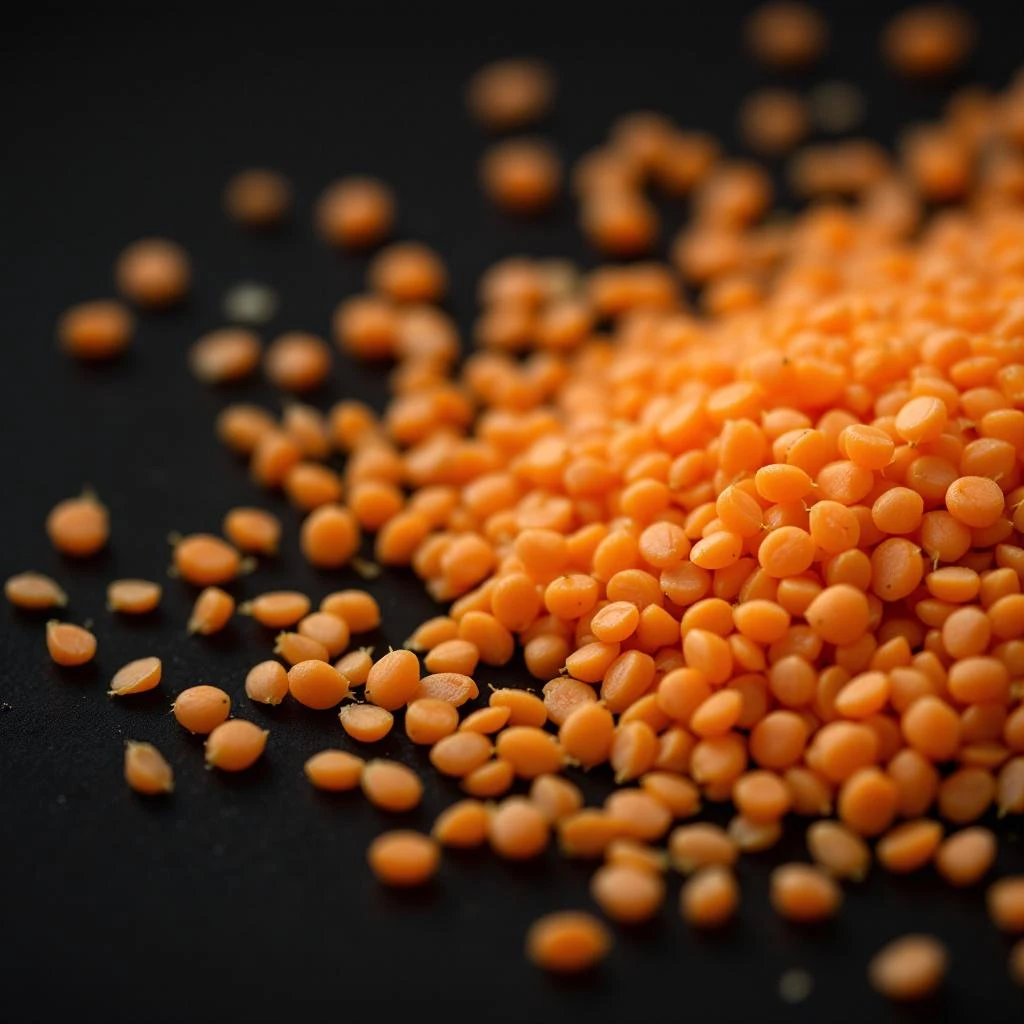
Ambrette seed has deep roots in Central American tradition. Locals historically chewed the seeds fresh or dried them for flavoring coffee, and cooks blended them with sugar into steaming chocolate beverages. When European traders encountered ambrette in the 16th century, they classified it as a spice and began exporting it alongside cacao.
The ingredient eventually traveled to Grasse, where French perfumers recognized its potential as a botanical musk substitute. Today, sustainable partnerships with Salvadoran farmers continue this centuries-old tradition, bringing responsibly sourced ambrette to modern fragrance houses.
Wears it best
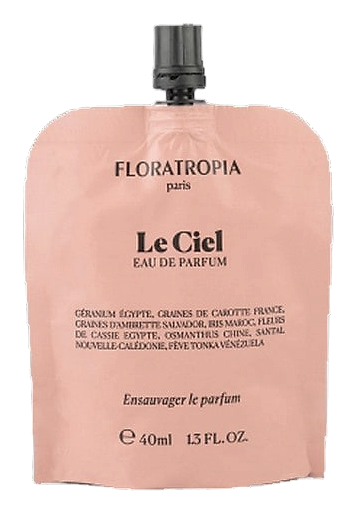
Fragrances featuring El Salvadorian ambrette seed


Brands
Brands known for El Salvadorian ambrette seed
Good to know
Questions, answered
The essentials on El Salvadorian ambrette seed in perfumery: how it smells, where it comes from, and how it behaves on skin.
What does El Salvadorian ambrette seed smell like?
It smells like warm musk with subtle fruity pear and slightly nutty undertones. The Salvadoran origin tends toward a softer, more velvety character compared to Asian varieties.
Is ambrette seed vegan-friendly?
Yes. Unlike traditional musk from animal sources, ambrette seed provides the same warm, sensual effect purely from plant material.
How rare is ambrette seed in perfumery?
Quite rare. Each plant produces limited seeds, and cultivation requires specific tropical conditions, making it one of the more precious botanical musks available.
Can ambrette seed cause skin reactions?
It generally rates well for skin compatibility. The natural version causes fewer sensitivity issues than many synthetic musks when used at proper dilutions.
How does Salvadoran ambrette differ from other origins?
El Salvador's tropical climate and volcanic soil create seeds with a particularly smooth, creamy musk character and distinct pear-like sweetness.
What fragrance families use ambrette seed?
Perfumers add it to floral, woody, and oriental compositions where a soft musk base is needed. It works especially well in skin scents and intimate fragrances.
Does ambrette seed have any historical uses beyond perfumery?
Historically, Salvadoran communities used the seeds to flavor coffee and chocolate drinks, and in traditional practices for their aromatic properties.
How sustainable is ambrette seed sourcing?
Leading fragrance houses maintain long-term partnerships with Salvadoran farmers established in 2013, supporting responsible cultivation and fair labor practices.