Dwarf Pine
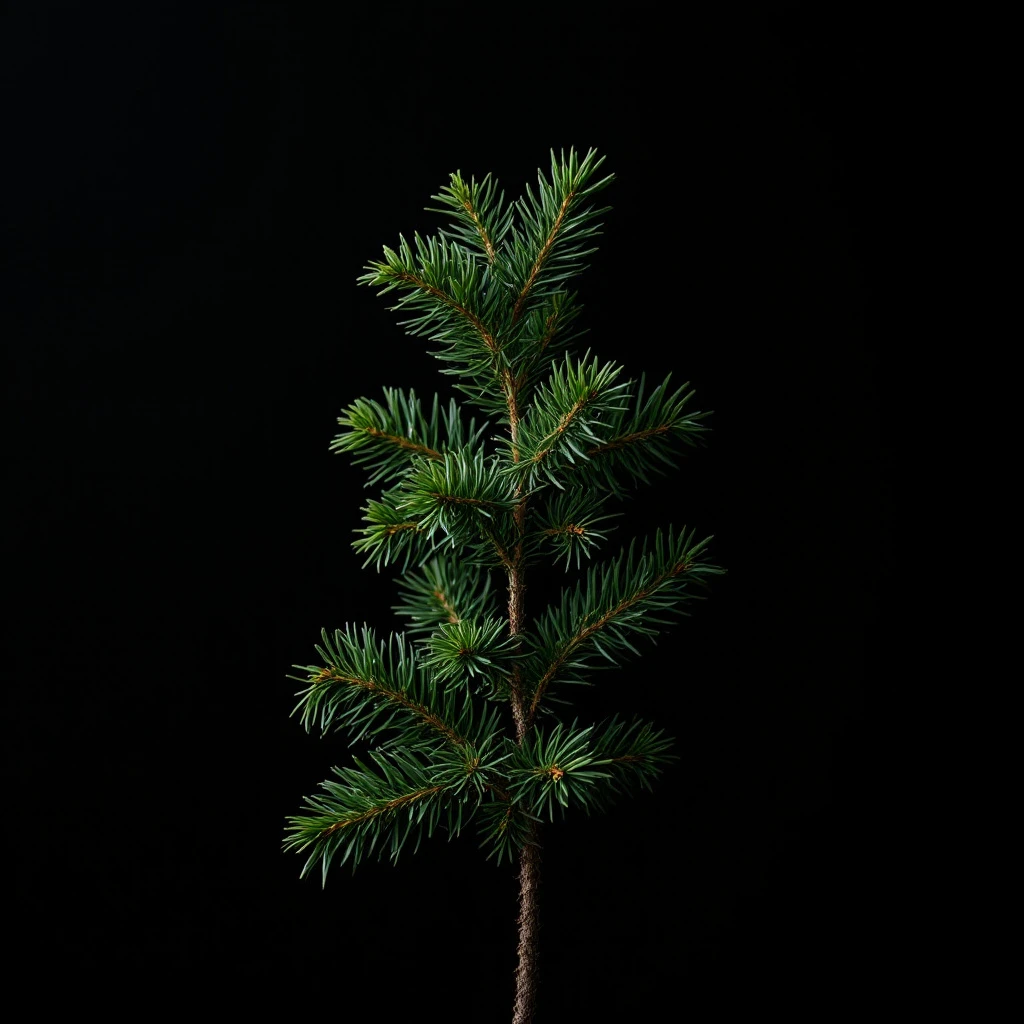
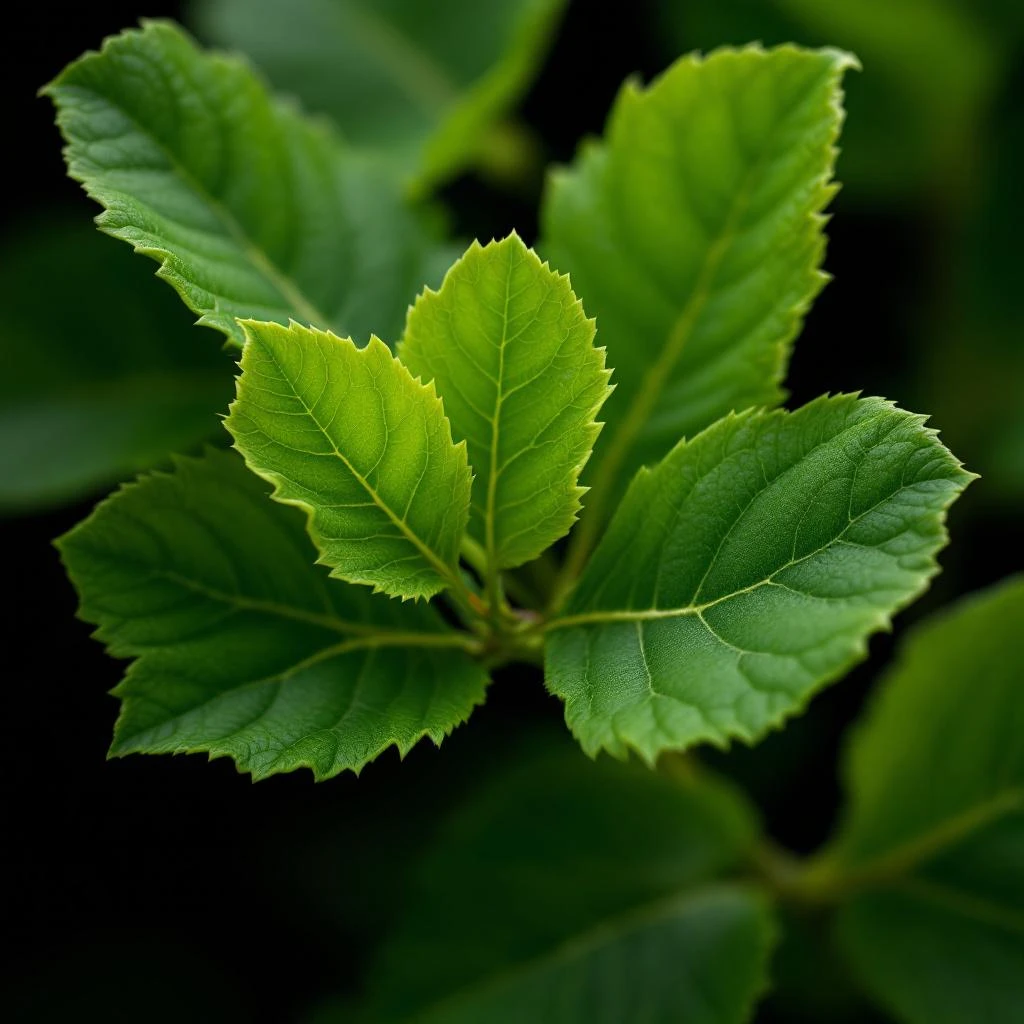
Dwarf Pine thrives in Europe's highest peaks, where harsh alpine conditions concentrate its aromatic oils into one of perfumery's most bracing coniferous notes. This compact mountain survivor yields an oil prized for its crisp, turpentine-fresh intensity.
Character
How it smells
Alpine altitude. Razor-sharp conifer.
A single dwarf pine specimen can live over 350 years, growing no taller than a garden shrub while developing intensely concentrated aromatic oils.
Pairs beautifully with

Origin
Austria
Dwarf Pine has been integral to Alpine folk medicine and aromatic traditions for centuries, where mountain communities burned the needles for purification rituals and infused the oil into salves for muscle aches. The plant's ability to survive at extreme altitudes made it a symbol of resilience in Alpine cultures. In perfumery, dwarf pine oil gained prominence in the late 19th century when Parisian fragrance houses began sourcing distinct regional conifer oils to differentiate their compositions.
The sharp, clean character of Alpine pine proved particularly valuable as perfumers sought natural ingredients that could convey freshness and outdoor character. Today, dwarf pine remains a staple in masculine fragrance compositions and is frequently paired with other conifers in chypre, fougère, and aromatic categories.
Wears it best
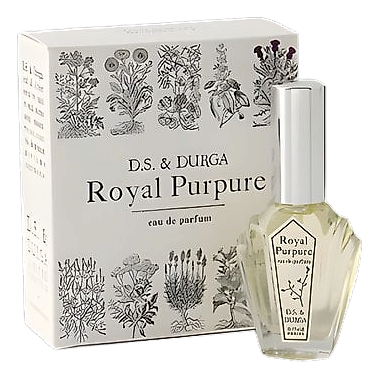
Fragrances featuring Dwarf Pine
Brands
Brands known for Dwarf Pine
Good to know
Questions, answered
The essentials on Dwarf Pine in perfumery: how it smells, where it comes from, and how it behaves on skin.
What does dwarf pine smell like?
Dwarf pine delivers a sharp, clean coniferous scent with prominent turpentine and fresh resin qualities. The aroma evokes alpine air and forest trails, remaining crisp and slightly medicinal compared to standard pine.
Where does dwarf pine grow naturally?
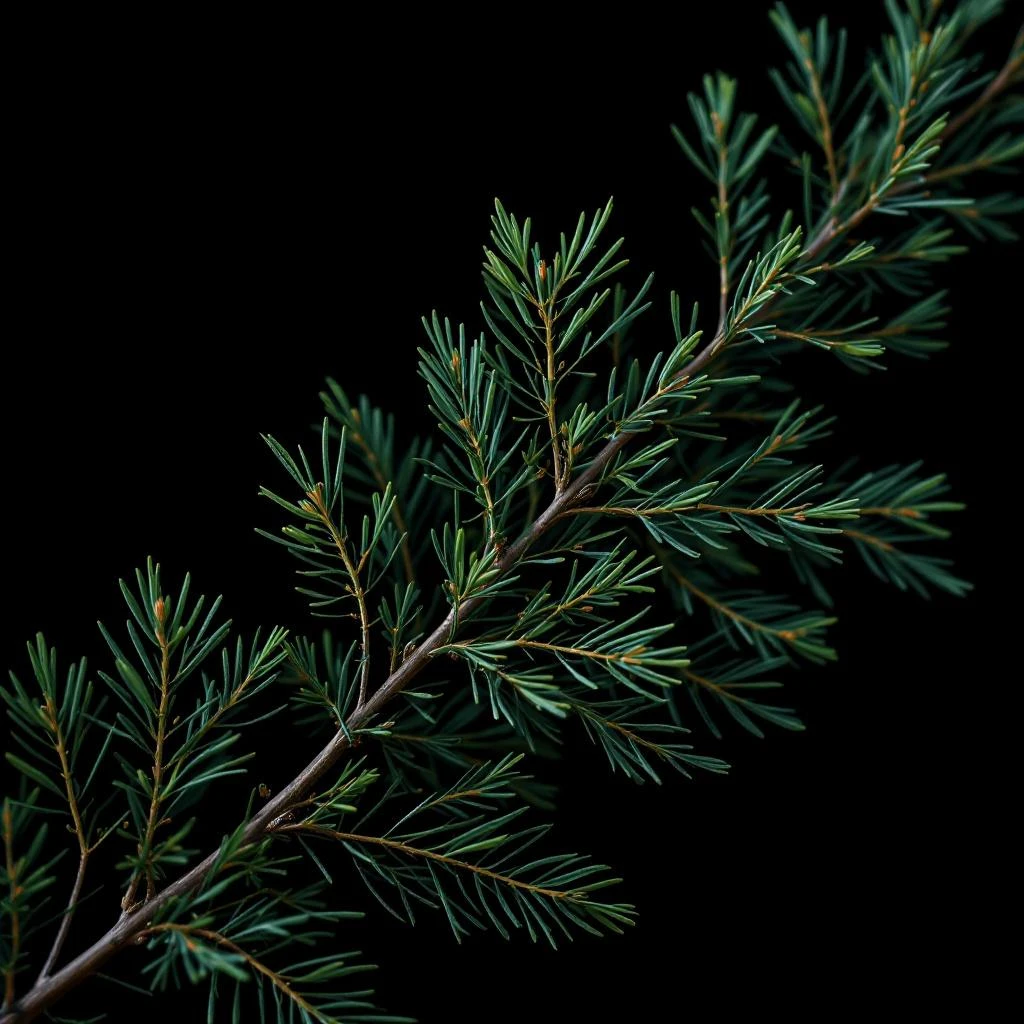
Dwarf pine grows in high-altitude alpine regions across Central Europe, including the Austrian Alps, Swiss Alps, and Carpathian Mountains at elevations between 1,500 and 2,500 meters.
Is dwarf pine essential oil sustainably harvested?
Wild-harvested dwarf pine presents sustainability challenges due to slow growth rates and fragile alpine ecosystems. Reputable suppliers now work with certified foragers who follow strict rotation schedules to protect natural stands.
What compounds give dwarf pine its characteristic scent?
Dwarf pine oil contains alpha-pinene (often exceeding 30%), beta-pinene, limonene, camphene, and various monoterpenes. The specific ratio varies by harvest location and elevation.
How does dwarf pine differ from common pine in fragrance?
Dwarf pine oil carries a sharper, more medicinal character with higher turpentine notes compared to standard Scotch pine or maritime pine, offering greater aromatic intensity at lower concentrations.
Which fragrance families commonly feature dwarf pine?
Dwarf pine appears frequently in aromatic, fougère, and chypre compositions designed for masculine fragrances, particularly those aiming to convey outdoor freshness or forest atmospheres.
What is the shelf life of dwarf pine essential oil?
Properly stored in dark glass bottles away from heat, dwarf pine oil maintains its aromatic properties for approximately 2-3 years. Its monoterpene content makes it susceptible to oxidation over time.
Are there safety considerations when using dwarf pine oil?
Dwarf pine oil requires careful dilution in carrier substances before skin application, as its high monoterpene content can cause irritation. The International Fragrance Association recommends maximum dermal limits of 2% for topical use.