Dandelion leaf
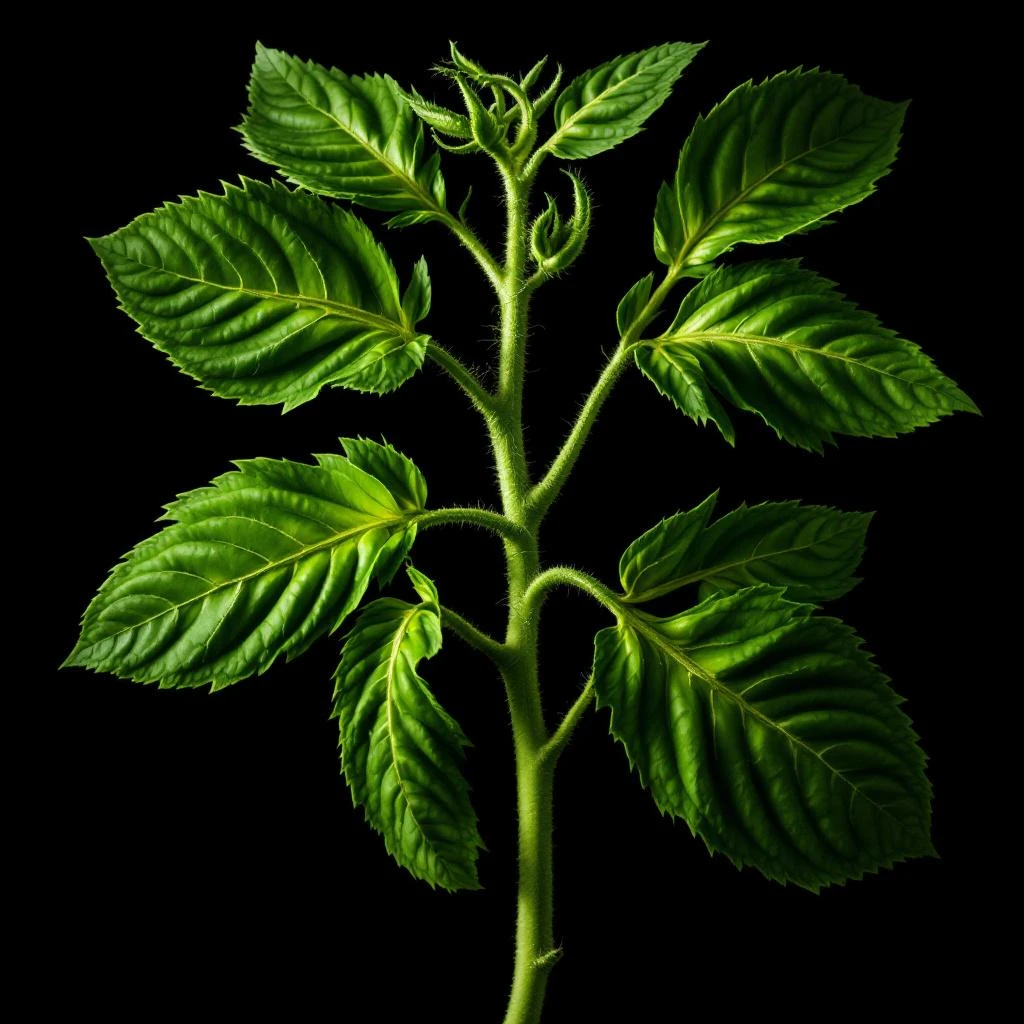
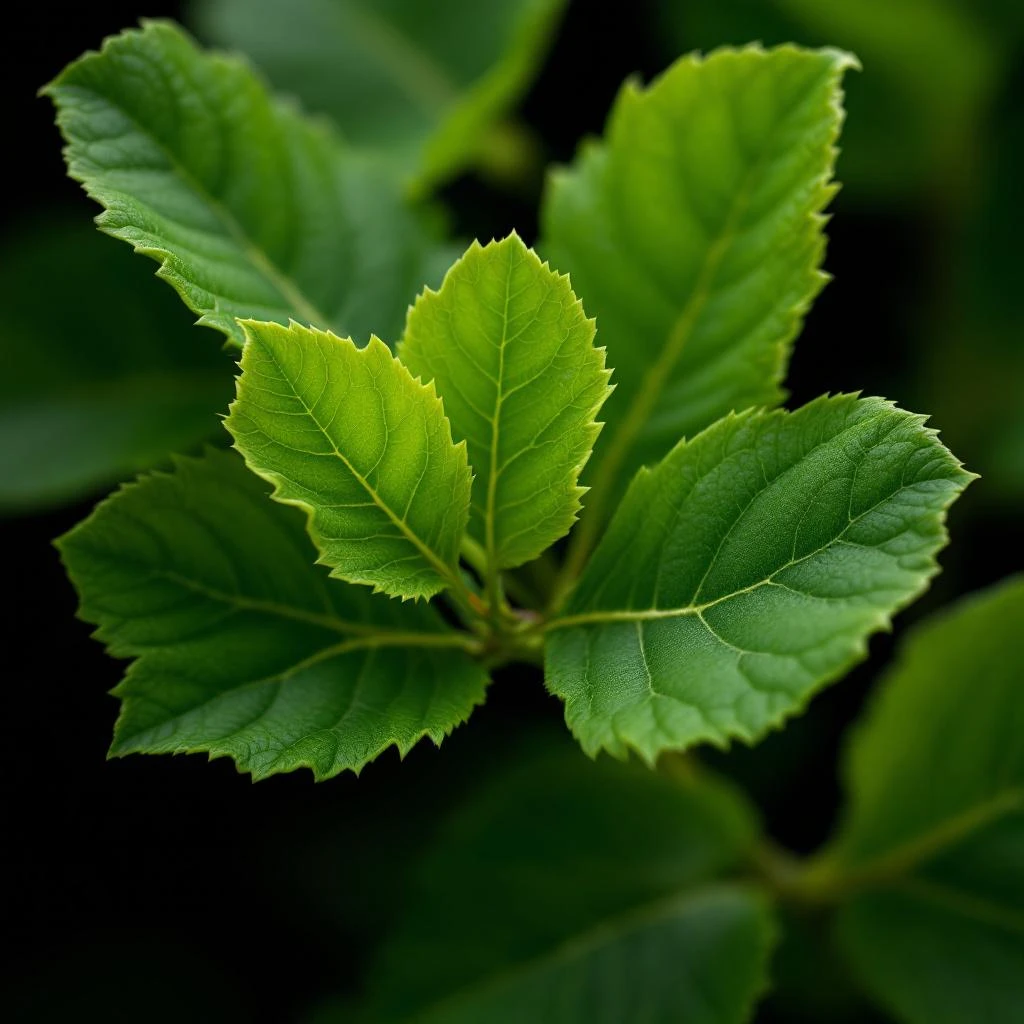
Green, bitter, and unexpectedly aromatic, dandelion leaf captures the untamed essence of spring meadows. Rare in perfumery, it brings a crisp, herbaceous character that grounds brighter notes.

Character
How it smells
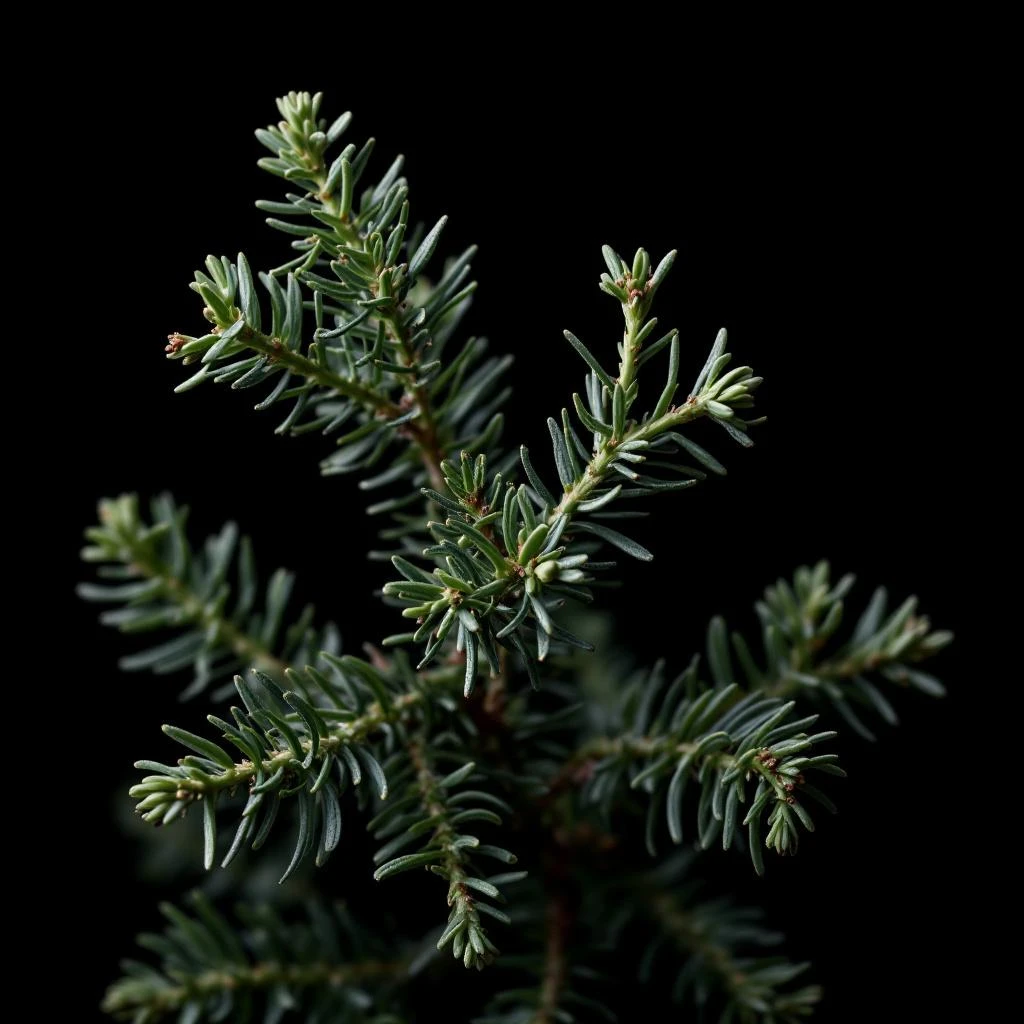
A wild green note with bitter, earthy undertones.
Dandelion leaves produce their aromatic compounds in highest concentration just before the plant flowers, making harvest timing critical for fragrance use.



Origin
France
Dandelion has accompanied human civilization across continents for millennia, though perfumery adopted its leaf only recently. Ancient Egyptians and Greeks utilized the plant primarily as medicine and food.
Chinese herbalists documented dandelion in medical texts as early as the 7th century, while European monastic gardens maintained the herb through the Middle Ages for its digestive properties. The shift toward aromatic applications began in 19th-century France, where natural perfumers experimented with locally available botanicals during ingredient shortages.
Dandelion leaf entered the perfumer's palette during this period of exploration, valued for its ability to add realism to green and chypre compositions. Today, it remains a minor but distinctive ingredient,appearing in fragrances that aim to evoke untouched landscapes.
Wears it best
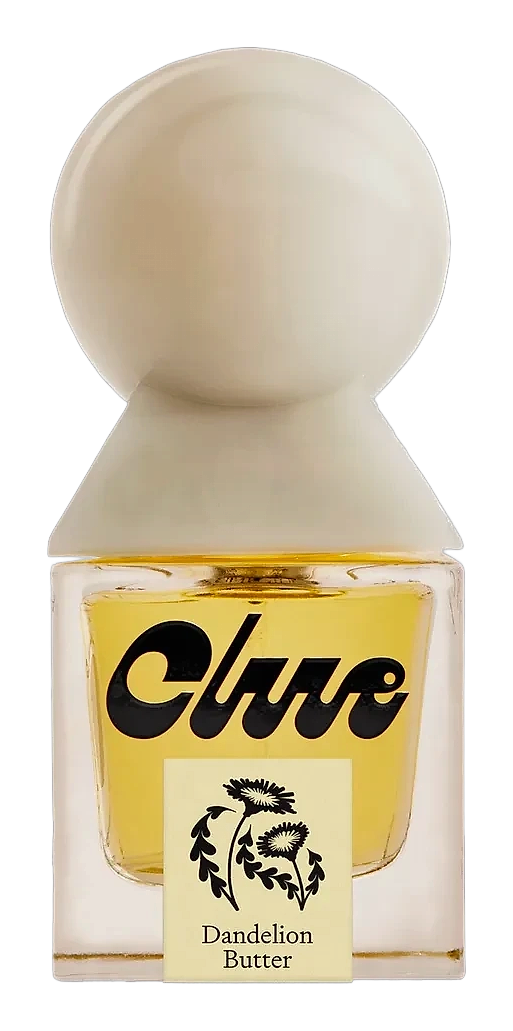
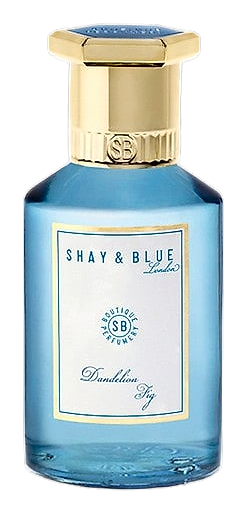
Fragrances featuring Dandelion leaf
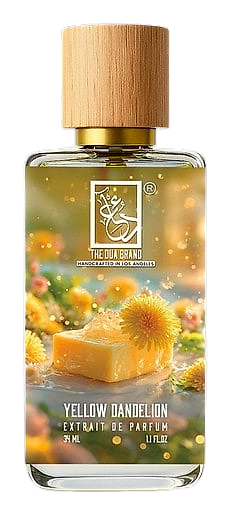
Brands
Brands known for Dandelion leaf
Good to know
Questions, answered
The essentials on Dandelion leaf in perfumery: how it smells, where it comes from, and how it behaves on skin.
Is dandelion leaf a common perfumery ingredient?
No, dandelion leaf ranks among the rarer botanical ingredients in perfumery. It appears primarily in artisanal and niche fragrances that prioritize authentic green, herbaceous character over mainstream appeal.
What does dandelion leaf smell like in a fragrance?
Dandelion leaf delivers a crisp, green aroma similar to freshly cut grass with subtle bitter undertones. It functions as a top or heart note, lending freshness and natural realism to compositions.
How is dandelion leaf extracted for fragrance use?
Steam distillation of freshly harvested leaves produces the primary fragrance material. The leaves must be processed within hours of picking to preserve volatile aromatic compounds before they degrade.
Does dandelion leaf come from wild or cultivated plants?
Both sources exist. Commercially produced material typically comes from cultivated plants grown in controlled conditions, while wild-harvested leaves may offer more complex aromatic profiles depending on soil and climate.
Are synthetic alternatives to dandelion leaf commonly used?
Yes, synthetic green notes like cis-3-hexenol replicate dandelion leaf's aroma at scale. Naturals and synthetics often appear together in modern formulations balancing authenticity with supply consistency.
What fragrance families use dandelion leaf?
Dandelion leaf appears most often in green, chypre, and aromatic fragrances. It pairs well with galbanum, violet leaf, and citrus materials, adding an authentic meadow quality to these compositions.
Has dandelion leaf been used historically in perfumery?
Dandelion leaf entered perfumery during the 19th-century French naturalist movement, when perfumers began exploring locally available botanicals. Its use remained niche and experimental rather than mainstream.
Does dandelion leaf extract contain notable chemical compounds?
Research identifies phenolic acids including chicoric and chlorogenic acid in dandelion leaf extracts. These compounds contribute to antioxidant properties but do not directly influence fragrance character.