Damp earth
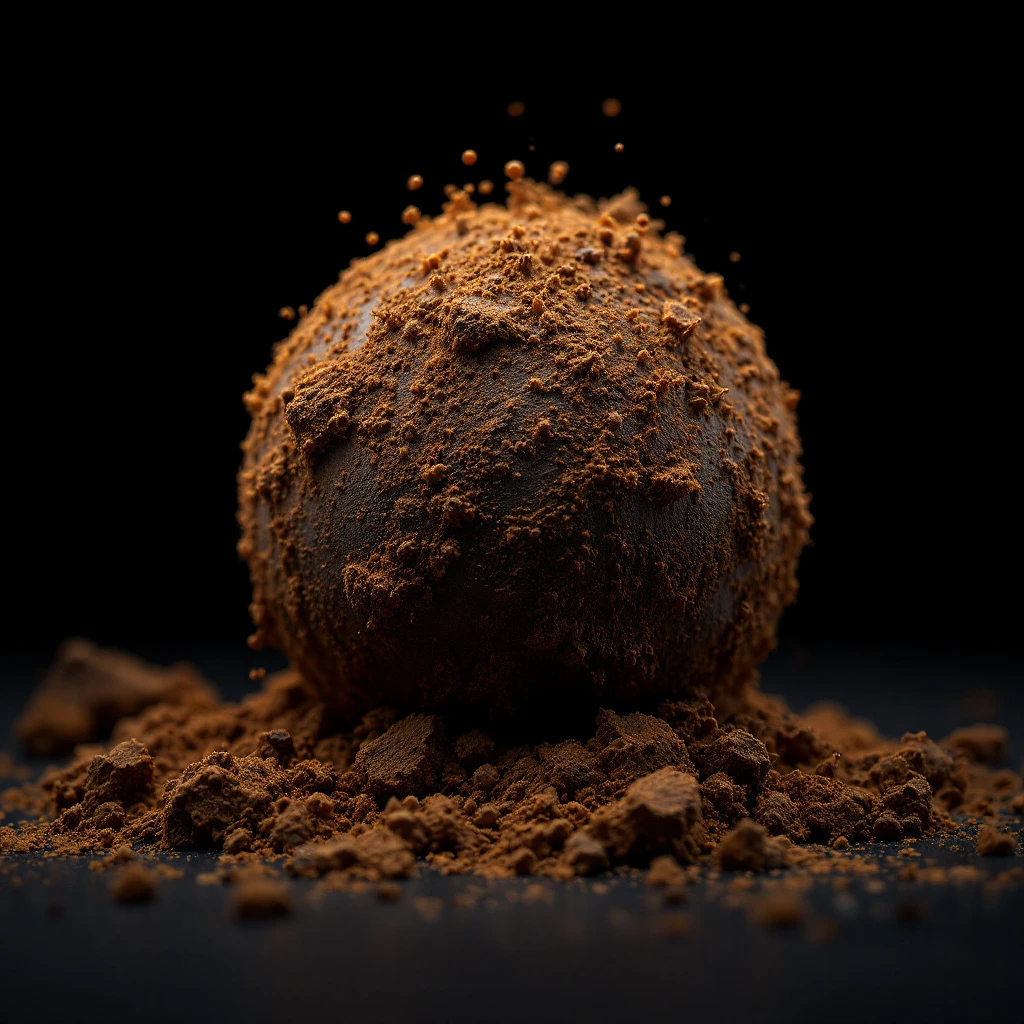
The primal scent of rain-soaked soil, petrichor in its rawest form. Damp earth in perfumery captures that moment when first drops strike parched ground, a smell woven into human memory since before civilization began.
Character
How it smells
Rain on ancient ground. Memory made scent.
Geosmin, the compound responsible for the scent of fresh rain on earth, is produced by soil bacteria called Streptomyces. Our noses detect it at just 0.0000001 milligrams per liter.






Origin
India
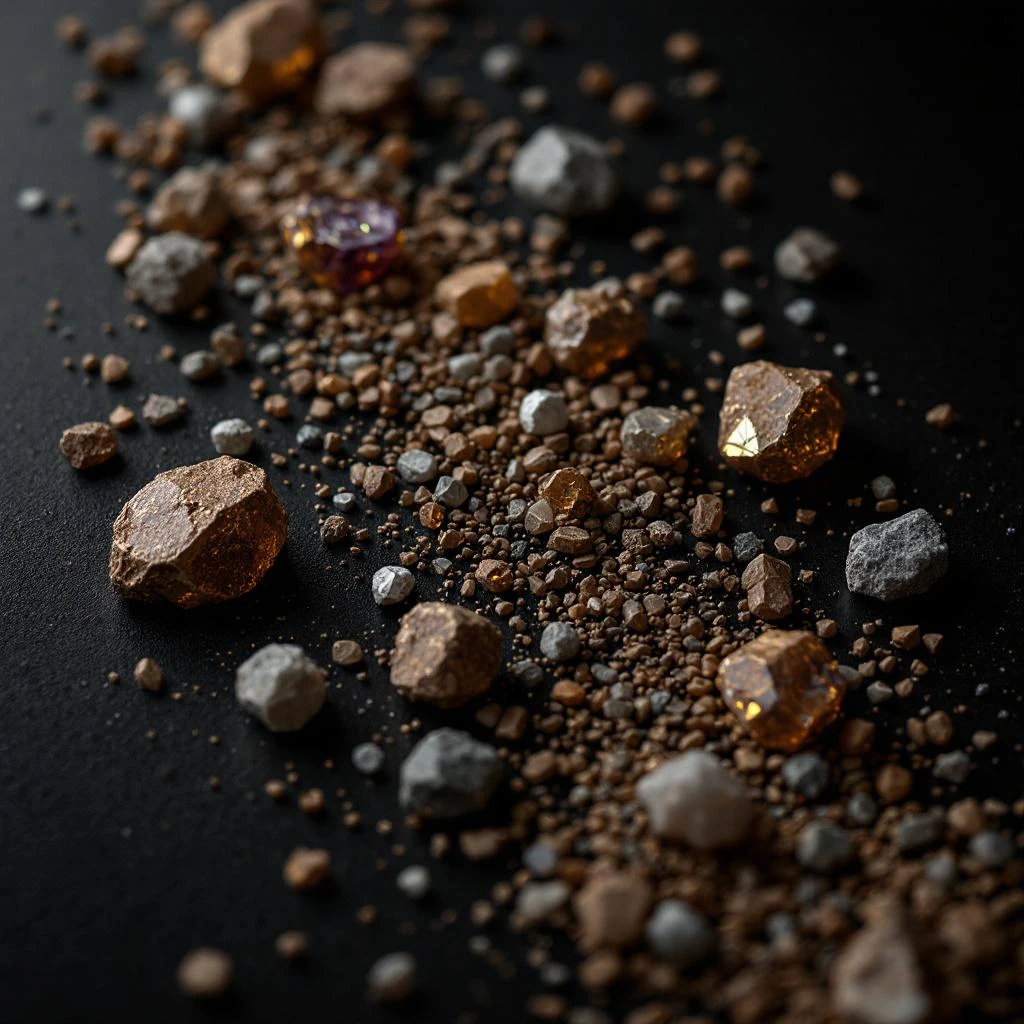
Four thousand years before modern perfumery existed, ancient Indian perfumers in Kannauj developed an attar that captured the smell of earth itself. Called Mitti Attar or itr-e-khaki, these perfumers discovered that when wet soil was distilled, it released a scent redolent of creation, of seeds pushing through darkness, of growing things fed by rain.
Egyptian temple priests burned earth-infused incenses as offerings, believing the scent connected the living to the underworld of Osiris. Greek perfumers Aristotle and Theophrastus documented earth-based preparations.
What makes this note remarkable across cultures is its universal recognition: every human on Earth has breathed the scent of rain on soil. It predates perfume as we know it, existing instead as ritual, as prayer, as the original aromatic experience shared by all humanity.
Wears it best
Fragrances featuring Damp earth
Brands
Brands known for Damp earth
Good to know
Questions, answered
The essentials on Damp earth in perfumery: how it smells, where it comes from, and how it behaves on skin.
What does damp earth smell like in a fragrance?
Damp earth smells like rain-soaked soil before vegetation, mineral and darkly organic. It combines wet clay, petrichor, and a hint of subterranean rot. The note brings primal grounding, recalling wet basements, overturned garden soil, and the first moments of an autumn storm.
Is damp earth a natural or synthetic ingredient?
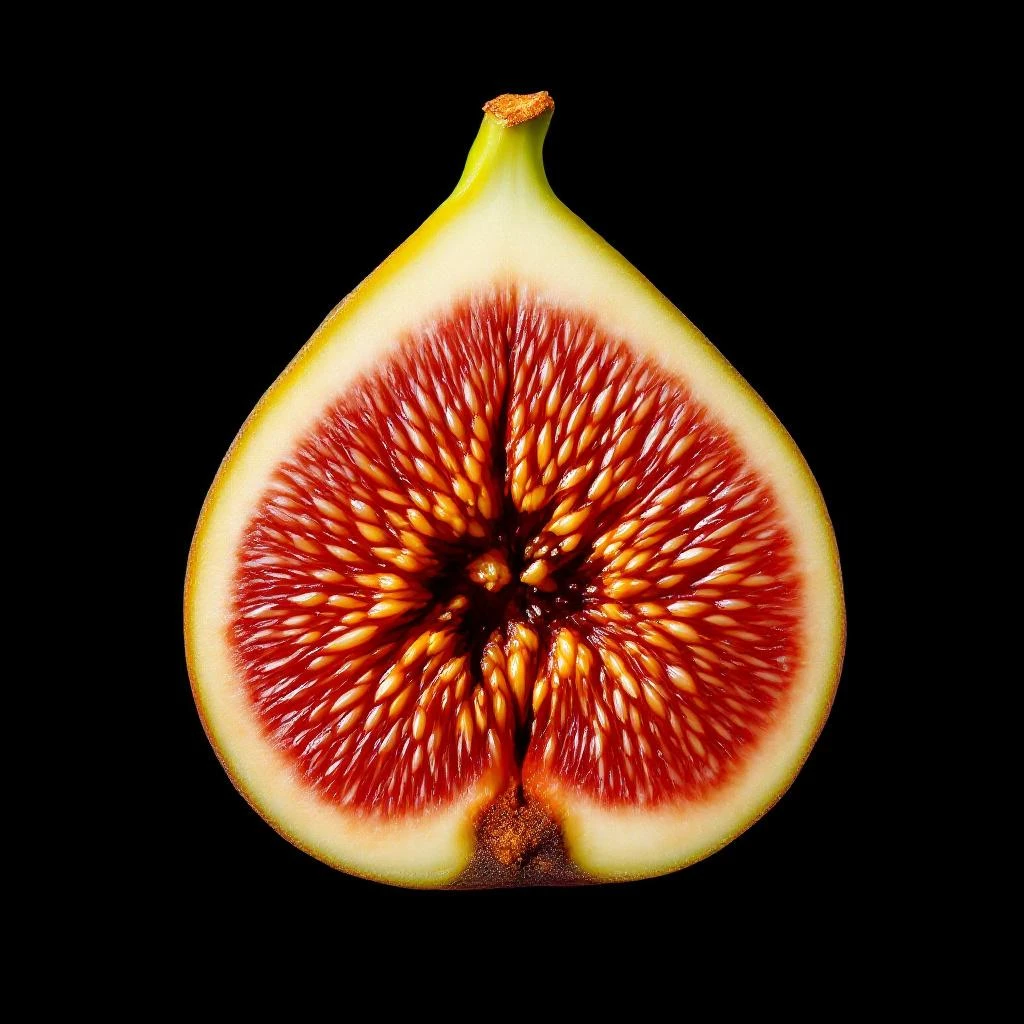
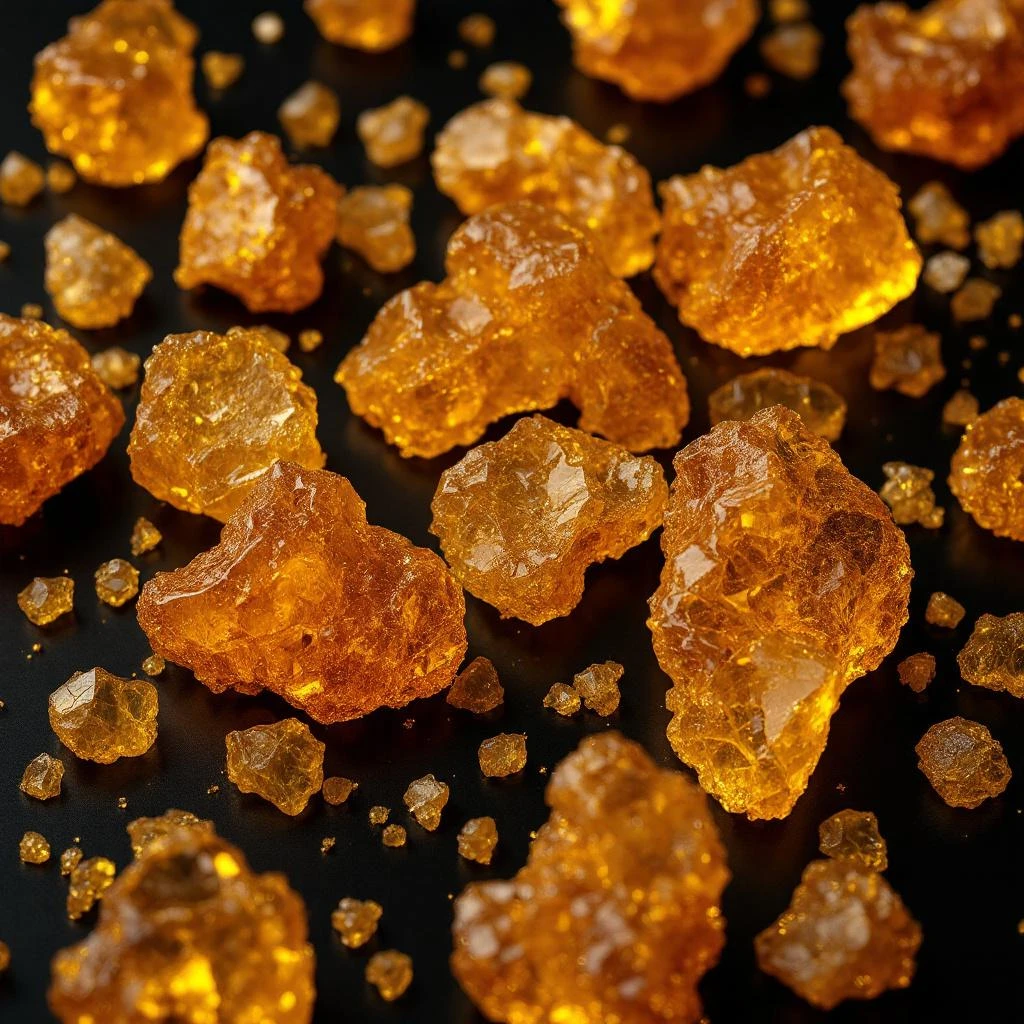
Both exist. Authentic Mitti Attar from India uses hydrodistilled rain-soaked earth from specific regions. However, most perfumery uses synthetic geosmin compounds layered with natural vetiver, oakmoss, and bdellium to build the accord. Neither approach is superior; both produce the characteristic mineral-earth scent.
Which fragrances prominently feature damp earth?
Chanel Coromandel, Serge Lutens Five O'Clock au Gingembre, Hermès Taupe, and Diptyque Tam Dao center the note. It appears as a base in many incense-forward fragrances and forms the foundation of numerous 'rain' and 'terroir' themed compositions.
Does damp earth have any historical significance in perfumery?
Absolutely. Kannauj perfumers have distilled actual soil for over 4,000 years, producing Mitti Attar for royal courts and religious ceremonies. Ancient Egyptians used earth-based incenses in temple rituals, believing the scent carried prayers to the underworld.
What compounds create the damp earth scent?
Geosmin, produced by soil bacteria Streptomyces, is the primary compound. Combined with terricolin, 2-methylisoborneol, and various degraded plant sterols, these create the mineral-organic complexity. True mineral notes come from clay feldspars and calcite interacting with moisture.
Can damp earth be extracted from any soil?
No. The finest Mitti Attar comes from specific alluvial plains in Kannauj where soil chemistry has been optimal for centuries. Soil must contain specific clay minerals, organic matter levels, and microbial communities. Not all earth smells the same when wet.
How is Mitti Attar traditionally produced?
Clay pots filled with moist earth and aromatic botanicals are buried underground for 48-72 hours, allowing the soil's living quality to develop. The earth is then hydrodistilled, yielding a dark, viscous attar with remarkable depth and persistence.
What fragrance families use damp earth?
Chypre, fougère, oriental, and artisanal earth accords most commonly feature the note. It's essential in forest fragrances, contemplative scents, and anything aiming for olfactory realism over abstraction. It grounds lighter florals and adds weight to fresh compositions.