Cotton Seed
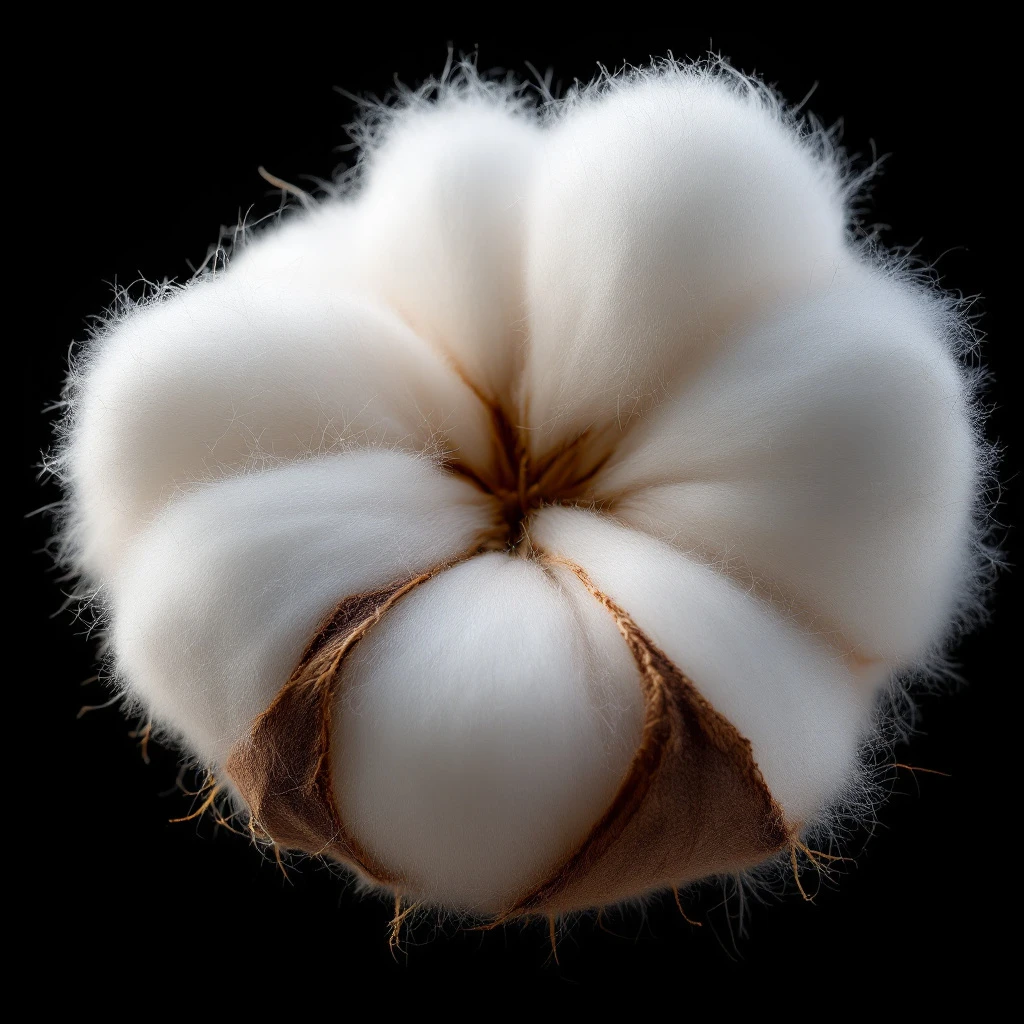
Cotton seed yields a soft, almost weightless aroma with clean white-floral undertones. Perfumery turns to its extracted oil for textures that whisper rather than shout, grounding compositions in sheer, comforting warmth.
Character
How it smells
Cotton seed: the quiet whisper beneath the bloom
Dr. William Otto, a Moravian from Bethlehem, produced the first cottonseed oil in the United States in 1768, decades before it ever crossed a perfumer's palette.
Pairs beautifully with
Origin
India
Cotton seed entered human industry long before perfumery. Archaeological evidence places cotton cultivation in the Indus Valley by 3000 BCE, where early civilizations valued the fiber and likely pressed seeds for oil and lamp fuel. In the American colonies, Dr. William Otto, a Moravian settler in Bethlehem, Pennsylvania, produced the first documented cottonseed oil in the United States in 1768.
By the late 18th century, European interest grew; Charles Pickering documented further development in 1799. Cottonseed oil found primary use in soap, cooking, and lubrication through the 19th century. Its arrival in fragrance came indirectly, through cosmetic and skincare formulations where its emollient qualities softened skin and carried delicate scents. As 20th-century perfumers chased the abstraction of clean laundry, fresh linens, and sheer floral transparency, cotton seed derivatives entered accords designed to evoke those textures.
Today, cotton-derived aromatics appear in both fine fragrance and functional perfumery, particularly in fresh, musky, and floral-white compositions. The journey from ancient field byproduct to modern perfumer's tool spans more than five millennia of agricultural history.
Wears it best
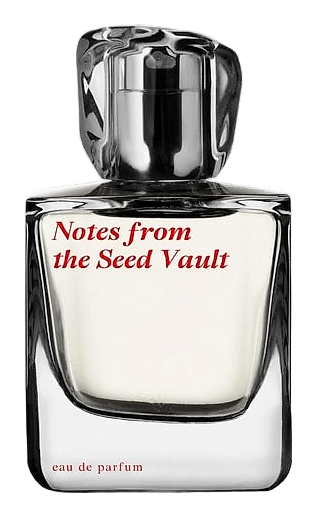
Fragrances featuring Cotton Seed
Brands
Brands known for Cotton Seed
Good to know
Questions, answered
The essentials on Cotton Seed in perfumery: how it smells, where it comes from, and how it behaves on skin.
What does cotton seed smell like in perfume?
Cotton seed contributes a soft, slightly nutty warmth with clean white-floral undertones. It lacks the bold projection of citrus or woods. Perfumers describe it as a sheer veil, the olfactory equivalent of fresh laundry dried in open air. It softens sharper notes without overwhelming them.
Is cotton seed a natural fragrance ingredient?
Yes. Cotton seed oil is pressed or solvent-extracted from real Gossypium seeds. Refined grades appear more often in perfumery than cold-pressed variants, which retain stronger fatty, grassy notes unsuitable for most fragrance compositions.
When was cottonseed oil first produced in America?
Dr. William Otto, a Moravian from Bethlehem, Pennsylvania, made the first American cottonseed oil in 1768. His work preceded commercial-scale production by several decades and predated any documented perfumery use of the seed.
Which country produces the most cotton seed for fragrance use?
India leads global cotton production, followed by China, the United States, and Brazil. Most cottonseed oil for cosmetics and perfumery originates from large-scale operations in these regions, where pressing infrastructure already exists for food and industrial sectors.
Why do perfumers use cotton seed instead of cotton flower?
True cotton flowers yield negligible aromatic extract. Cotton seeds offer accessible oil with subtle, pleasant scent and excellent fixative qualities. The seed also aligns with sustainability, using a byproduct of textile fiber production rather than competing with it.
Does cotton seed oil work as a carrier for other fragrances?
Historically yes. Cottonseed oil served as a base for scented oils and cosmetic preparations through the 19th and 20th centuries. Modern perfumery favors fractionated coconut oil or synthetic carriers, but cottonseed derivatives still appear in skincare-fragrance hybrids.
Is cotton seed fragrance sustainable?
Cotton seed qualifies as a byproduct of existing cotton fiber harvests. Using it adds value to a crop already grown at scale, though conventional cotton cultivation raises concerns about pesticide use. Organic and Rainforest Alliance certified sources offer more sustainable options.
What fragrance families feature cotton seed notes?
Cotton seed appears most in fresh, clean, and white floral families, alongside soft musks and sheer woody bases. You will encounter it in compositions evoking fresh linens, baby powder, or sun-warmed cotton, typically as a supporting texture rather than a featured note.