Coconut Aldehyde
Coconut Aldehyde delivers a waxy, sun-ripened coconut scent that captures tropical warmth without the oiliness of actual coconut. This single molecule brings creamy, lactonic warmth to fragrance compositions.
Character
How it smells
The tropical aldehyde that captures creamy coconut.
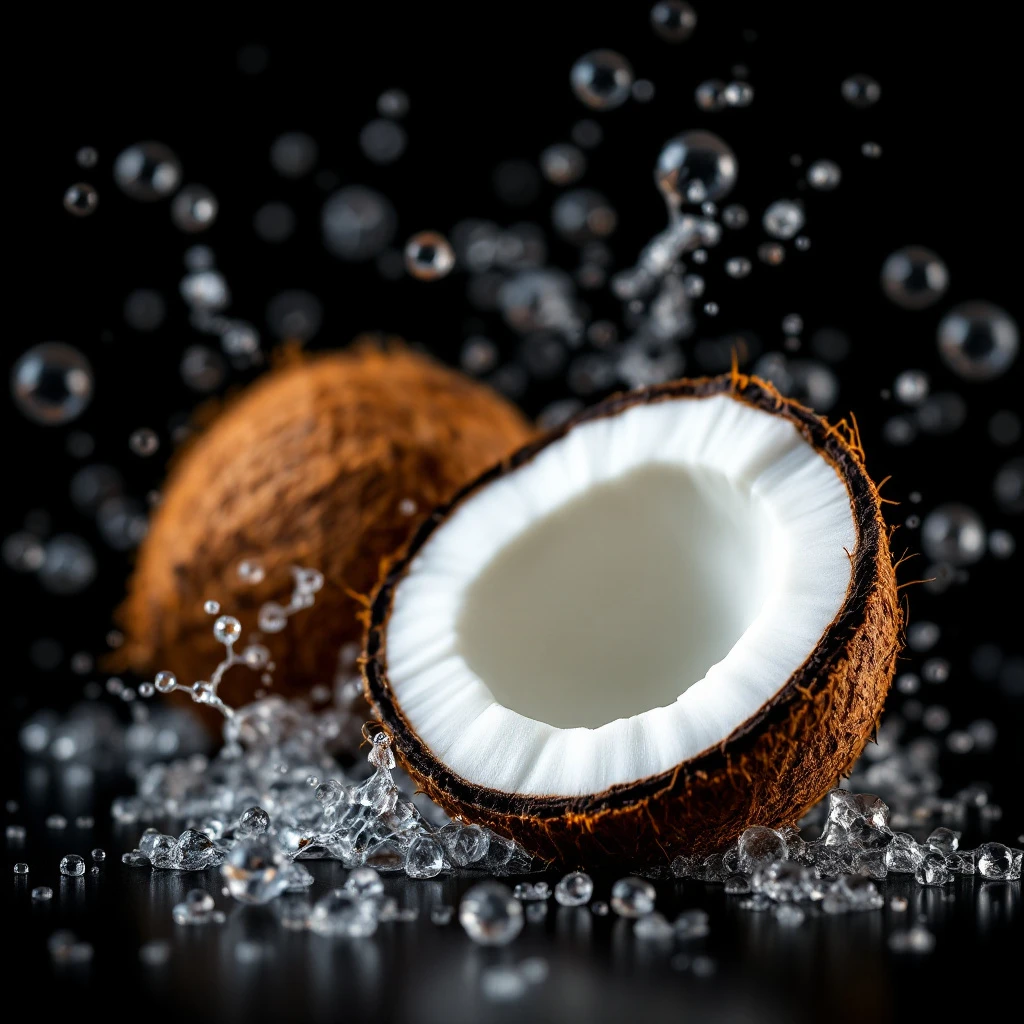
Coconut Aldehyde is not extracted from coconuts. It is a synthesized aroma molecule that naturally mimics coconut's characteristic waxy, aldehydic quality.
Pairs beautifully with


Origin
Philippines
Aldehydes were first isolated in 1835 by German chemist Baron Justus von Liebig, whose groundbreaking work in organic chemistry revealed these highly aromatic molecules. Though initially used sparingly in perfumery, aldehydes became indispensable.
Their revolutionary moment arrived in 1921 with Chanel No. 5, where Ernest Beaux employed high levels of aliphatic aldehydes to stunning effect.
Coconut Aldehyde specifically emerged as perfumers sought to capture tropical accords through molecular precision. As natural isolates became more sophisticated throughout the 20th century, Coconut Aldehyde found its place alongside other aldehydes in modern perfumery, valued for its ability to evoke tropical freshness, creamy texture, and sun-warmed skin in a concentrated, versatile form.
Wears it best
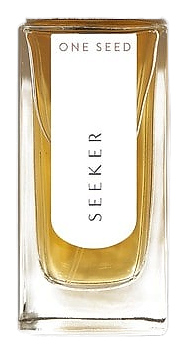
Fragrances featuring Coconut Aldehyde
Brands
Brands known for Coconut Aldehyde
Good to know
Questions, answered
The essentials on Coconut Aldehyde in perfumery: how it smells, where it comes from, and how it behaves on skin.
What is Coconut Aldehyde in perfumery?
Coconut Aldehyde is a natural isolate aroma molecule that imparts a waxy, coconut-like scent. Despite its name, it is not extracted from coconuts but rather isolated from natural sources to capture the characteristic aldehydic quality of coconut.
What does Coconut Aldehyde smell like?
It smells waxy, creamy, and distinctly coconut-like with aldehydic brightness. The scent evokes the soft, fatty notes of coconut flesh without the heavy oiliness of coconut fat, adding tropical warmth to fragrances.
Is Coconut Aldehyde a natural ingredient?
Coconut Aldehyde is classified as a natural isolate, meaning it is a single aroma molecule derived from natural sources through chemical isolation processes. CAS number 104-61-0, FEMA # 2781.
When was Coconut Aldehyde first used in perfumery?
Aldehydes were isolated in 1835 by Baron Justus von Liebig, but Coconut Aldehyde specifically gained prominence in the 20th century as perfumers developed sophisticated tropical and椰子 accords for modern compositions.
What fragrances use Coconut Aldehyde?
Coconut Aldehyde appears in tropical, white floral, and beach-inspired fragrances. It is particularly valued in modern perfumery for creating sun-kissed, lactonic effects in summer collections and exotic fragrance lines.
How does Coconut Aldehyde differ from coconut absolute?
Coconut absolute is extracted from dried coconut flesh using solvents like hexane or ethanol, producing a rich, oily material. Coconut Aldehyde is an isolated molecule offering cleaner, waxy coconut character without heavy oiliness.
Is Coconut Aldehyde safe for skin application?
Coconut Aldehyde (Aldehyde C-6, CAS 104-61-0) is approved for cosmetic use by IFRA and FEMA. It appears in fragrances at typical concentrations considered safe for topical application when used according to guidelines.
Can Coconut Aldehyde be found in natural sources?
While not extracted directly from coconuts, aldehydes including those with coconut-like facets occur naturally in various plants, fruits, and essential oils. Coconut Aldehyde is isolated through chemical processes from these natural sources.