Cobblestone
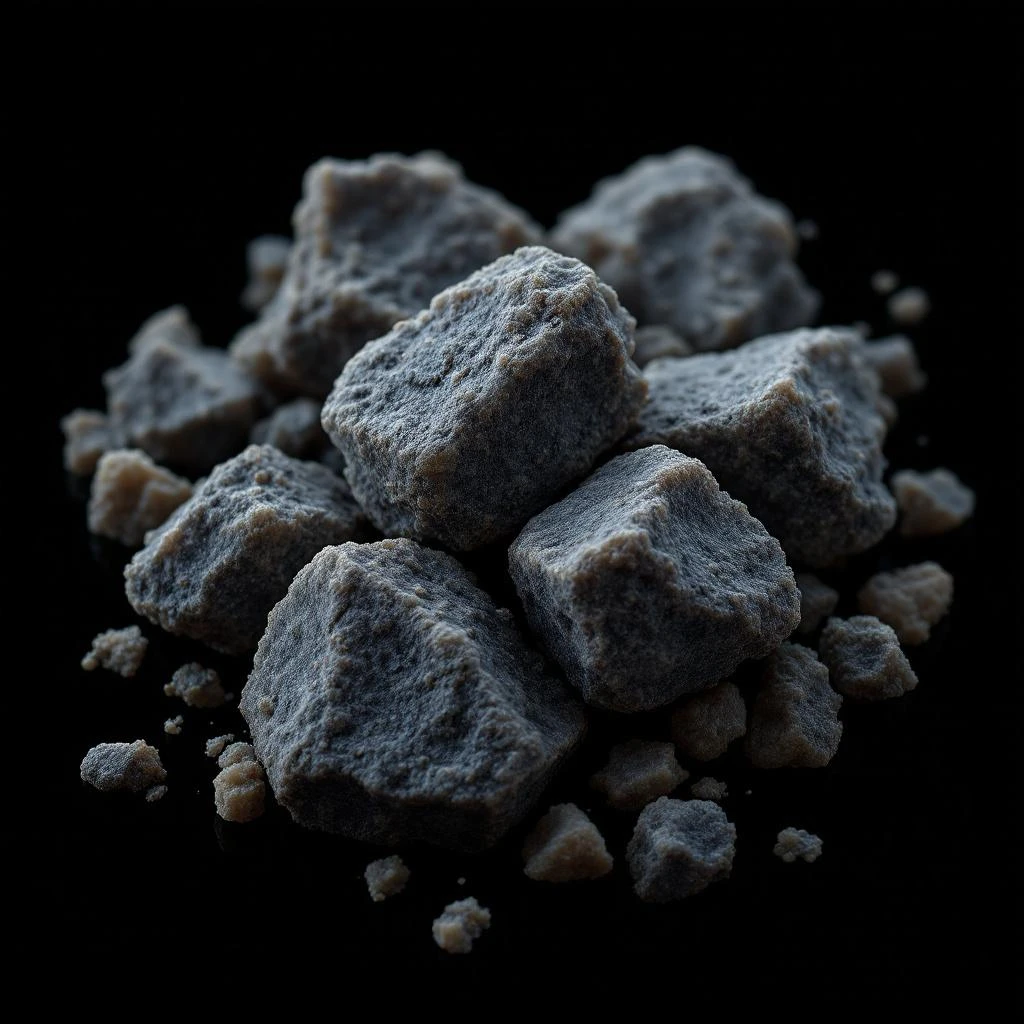
Cobblestone is a modern atmospheric note that recreates the scent of rain-soaked European streets. It combines cool mineral elements, geosmin's petrichor quality, and subtle mossy undertones. In perfumery, it serves as a grounding base note that adds narrative depth and spatial realism to fragrances.

Character
How it smells
The scent of rain on ancient streets, mineral cool and mossy beneath.
Humans can detect geosmin, the key compound in petrichor, at just 0.1 parts per billion, making it one of the most sensitive aromas the human nose can perceive.








Origin
France
The concept of recreating urban landscapes through fragrance emerged in late twentieth-century perfumery as designers sought new forms of artistic expression. While ancient perfumers worked with natural materials to create divine and natural atmospheres, modern perfumers began constructing olfactory scenes that captured specific moments and places.
Cobblestone reflects this evolution. The image of narrow European streets after rain, with water pooling between worn stones and moss growing in the joints, became a cultural touchstone representing memory, travel, and the passage of time. Perfumers translated this imagery into scent, drawing on the same cultural associations that painters and filmmakers had long exploited.
This atmospheric approach to perfumery gained momentum in the 1990s and 2000s as consumers sought fragrances with greater narrative complexity. Cobblestone and similar environmental notes allow wearers to carry evocative scenes with them, transforming scent into a vehicle for storytelling and emotional geography.
Wears it best
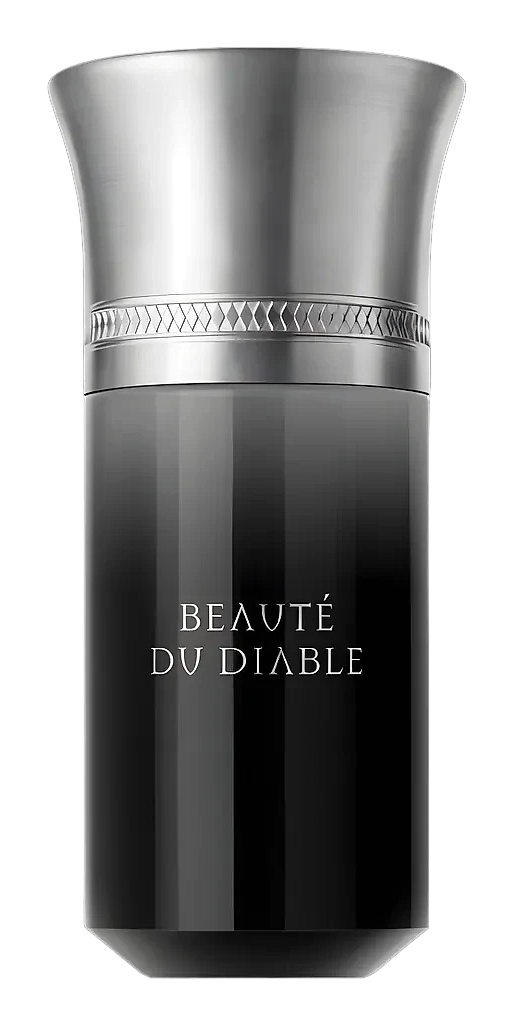
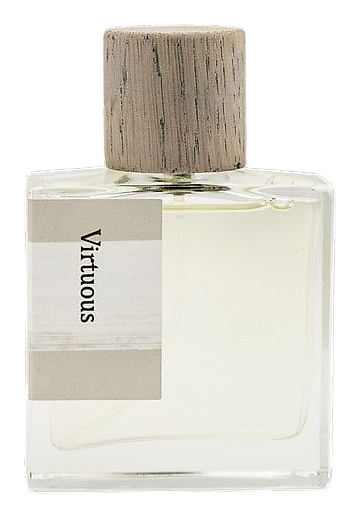
Fragrances featuring Cobblestone

Brands
Brands known for Cobblestone
Good to know
Questions, answered
The essentials on Cobblestone in perfumery: how it smells, where it comes from, and how it behaves on skin.
What does Cobblestone smell like in perfume?
Cobblestone smells like a wet stone pathway after rain has fallen. It combines cool mineral qualities with earthy, slightly mossy undertones. The dominant impression is petrichor, the distinctive scent of rain striking dry surfaces, layered with damp stone and subtle organic notes.
Why is Cobblestone used in perfumery?
Cobblestone adds atmospheric realism and narrative depth to fragrances. Perfumers use it to evoke rainy European streets or ancient pathways. It works as a grounding base note that creates spatial context, helping fragrances tell stories of place and time.
Is Cobblestone in perfume natural or synthetic?
Cobblestone is entirely synthetic, composed from mineral aromachemicals, geosmin, cool-stone materials, and green-mossy compounds. No natural extraction produces cobblestone; it is a modern perfumery construction designed to mimic a specific environmental scent.
What famous perfumes contain Cobblestone?
Atmospheric and mood fragrances from houses like Givaudan, Firmenich, and IFF often feature cobblestone accords. Specific compositions vary by perfumer, but this note appears in several niche fragrances designed to evoke urban landscapes or rainy weather.
Is Cobblestone a top note, heart note, or base note?
Cobblestone functions as a base note in perfumery. It emerges as top notes dissipate and provides lasting depth to a fragrance. The mineral and mossy elements require time to develop fully, making it a late-stage component in fragrance construction.
What notes pair well with Cobblestone in perfume?
Cobblestone pairs well with wet-green accords like fig leaf and galbanum, mineral materials such as salt and ambergris, and woody bases including cedar and vetiver. It also complements ozonic and petrichor materials that reinforce its atmospheric character.
How is Cobblestone extracted?
Cobblestone is not extracted; it is composed. Perfumers combine geosmin, mineral aromachemicals, cold-stone molecules, and mossy base materials in precise ratios. Each component contributes a specific quality: geosmin for petrichor, minerals for damp stone, moss for organic depth.
Is Cobblestone used in men's or women's fragrances?
Cobblestone appears across gendered fragrance categories. Its atmospheric, narrative quality suits unisex compositions particularly well. The note works in masculine, feminine, and gender-neutral fragrances depending on what other ingredients surround it.