Clean Floral
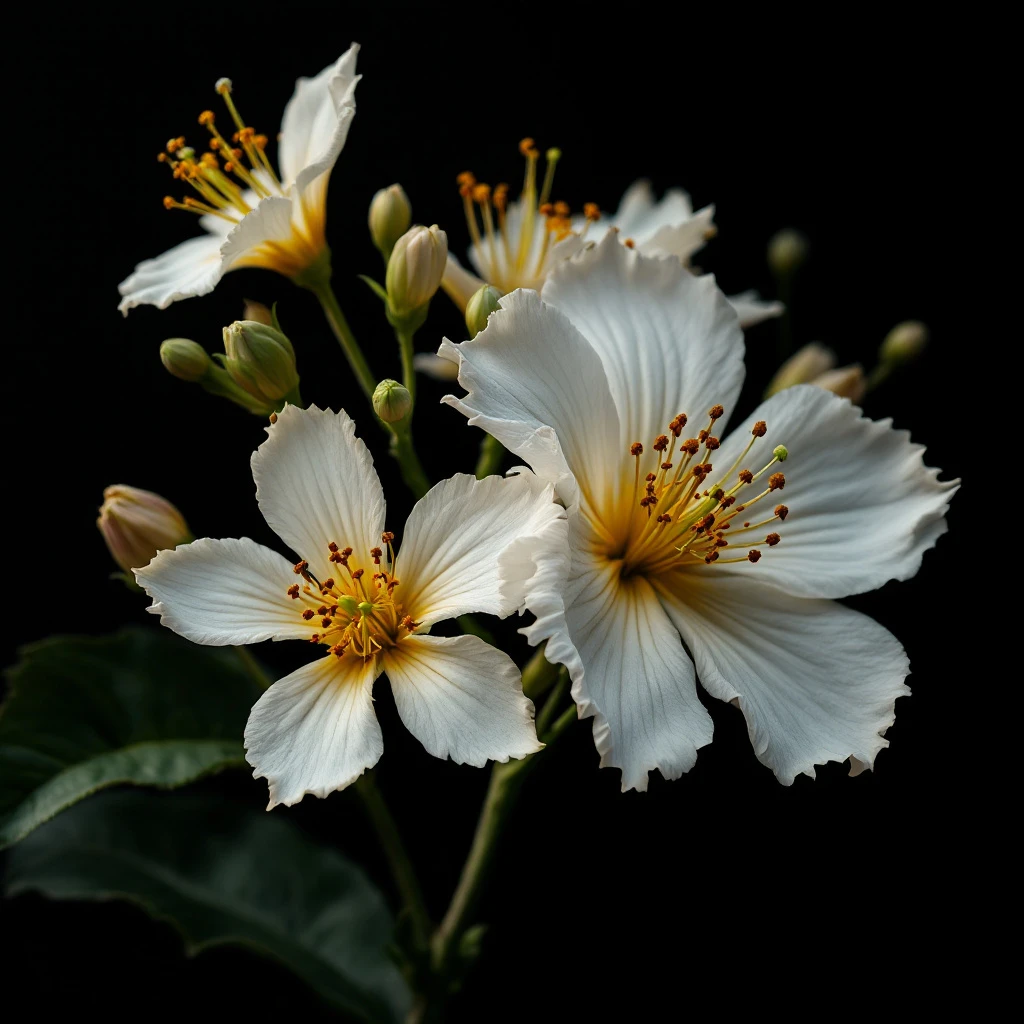
Clean Floral captures the crisp, soapy freshness of just-washed skin dressed in morning blossoms. It blends sun-dried petals, dewy aldehydes, and translucent musks into an accord that reads as effortlessly pure. This modern archetype defines the category of fragrances associated with personal cleanliness and airy botanical elegance.
Character
How it smells
The scent of fresh linen and morning petals.
Clean Floral as a distinct fragrance family only emerged in the 1970s, when perfumers began intentionally engineering the freshly washed effect that aldehydes had introduced decades earlier.
Pairs beautifully with




Origin
France
The Clean Floral archetype traces to the 1921 launch of Chanel No. 5, where Ernest Beaux introduced aliphatic aldehydes to elevate and modernize a floral heart. For decades, that aldehydic floral language remained the benchmark for perceived cleanliness.
By the 1970s, perfumers began isolating the freshness elements of traditional florals and reconstructing them as a standalone aesthetic. This shift coincided with the rise of bar soaps and detergent marketing, embedding the concept of clean scent into everyday culture. The late 20th century saw brands like Clean (2001) fully commit to this identity, cementing Clean Floral as a fragrance family recognized globally.
Today it remains one of the most referenced olfactory categories in modern perfumery, influencing everything from luxury fine fragrance to household products.
Wears it best
Fragrances featuring Clean Floral
Brands
Brands known for Clean Floral
Good to know
Questions, answered
The essentials on Clean Floral in perfumery: how it smells, where it comes from, and how it behaves on skin.
What defines the Clean Floral fragrance family?
Clean Floral combines crisp florals with aldehydic brightness and white musks to evoke freshly washed skin. It prioritizes transparency and freshness over density, making it read as airy and effortless.
Are Clean Floral fragrances made from real flowers?
They typically blend natural absolutes, particularly jasmine and orange blossom, with synthetic aromachemicals. Aldehydes and Hédione are the primary synthetic drivers of the clean effect.
What gives Clean Floral its soapy character?
Aliphatic aldehydes create the sparkling, slightly waxy quality associated with bar soap. Combined with white musks, they produce the sensation of just-showered skin wearing a light floral veil.
How does Clean Floral differ from traditional floral fragrances?
Traditional florals aim to reproduce a garden in full bloom. Clean Floral strips away the richness and adds transparent, airy elements, giving the impression of flowers worn immediately after a shower.
Which synthetic ingredients are central to Clean Floral?
Hédione (methyl dihydrojasmonate), aldehydes C-12 MNA and C-10, and white musks like Galaxolide and Helional form the backbone of most Clean Floral compositions.
Which flowers appear most often in Clean Floral accords?
Jasmine, orange blossom, rose, and lily of the valley are the most frequent. Each contributes a specific facet: jasmine adds warmth, orange blossom brings a bitter-green freshness, rose lends a dewy softness.
When did Clean Floral become a recognized fragrance category?
The category solidified in the 1970s, building on the aldehydic-floral tradition established by Chanel No. 5 in 1921. It became commercially distinct by the late 1990s.
Is Clean Floral suitable for everyday or professional settings?
Its understated nature makes it exceptionally versatile. The fragrance reads as natural and unobtrusive, which is why it is frequently chosen for workplace and daytime wear.


