Chinese lychee
Chinese lychee is a tropical fruit note recreated through synthetic chemistry, prized in perfumery for its sweet, floral, and effervescent character.
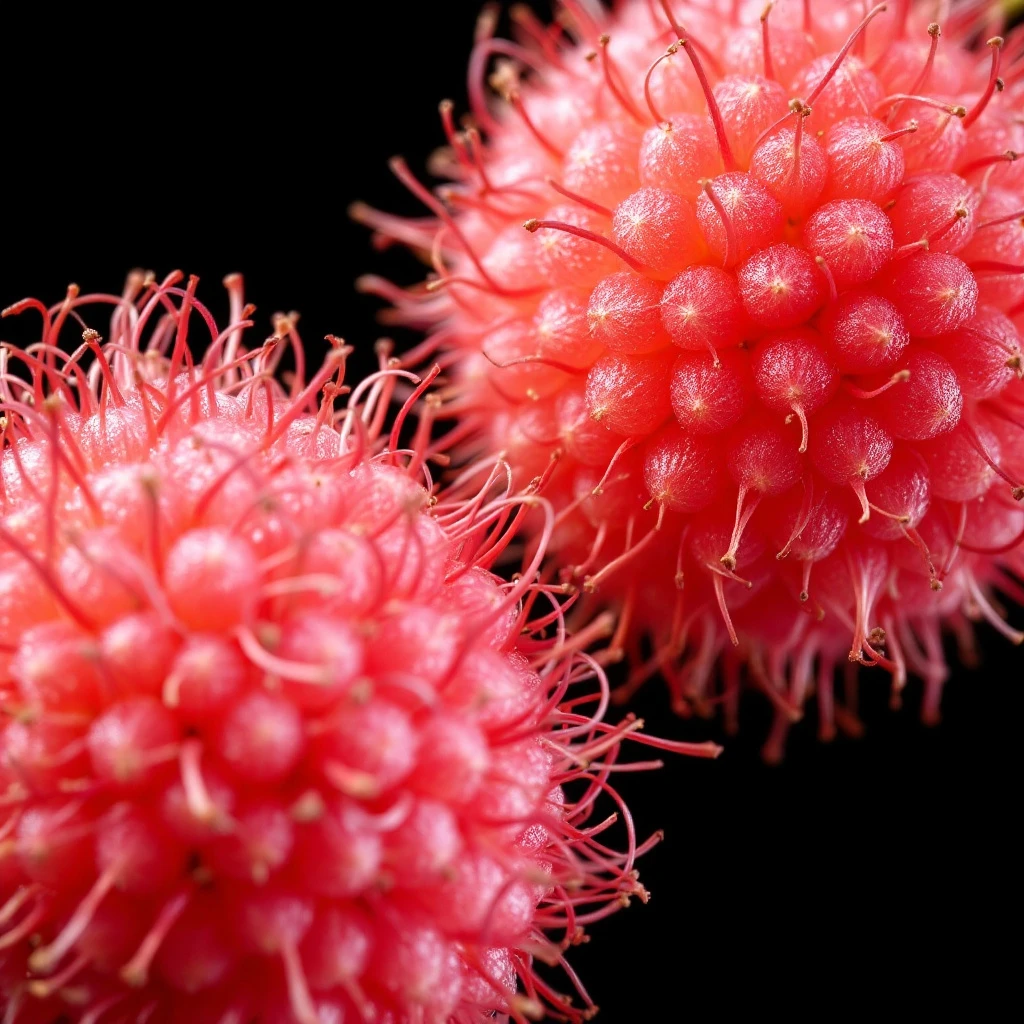
Character
How it smells
China's beloved fruit, reimagined as a scent.
China produces over 60% of the world's lychees, yet no natural essential oil exists for perfumery use.



Origin
China
The Chinese fell in love with lychee long before our era. Scientists place its true homeland in southeastern China, and ancient texts confirm its cultivation there for over two thousand years.
The fruit held such cultural weight that Tang dynasty officials fast-tracked deliveries to the imperial court in Chang'an, knowing the fruit spoils within days. Its fragrance legacy runs parallel to its culinary one.
While jasmine arrived from Western Asia only during the late Tang to early Song period around 600 CE, lychee was already woven into Chinese sensory culture centuries earlier. Today, China remains the world's leading lychee producer, and the fruit continues to anchor the country's perfume and flavor traditions alike.
Wears it best
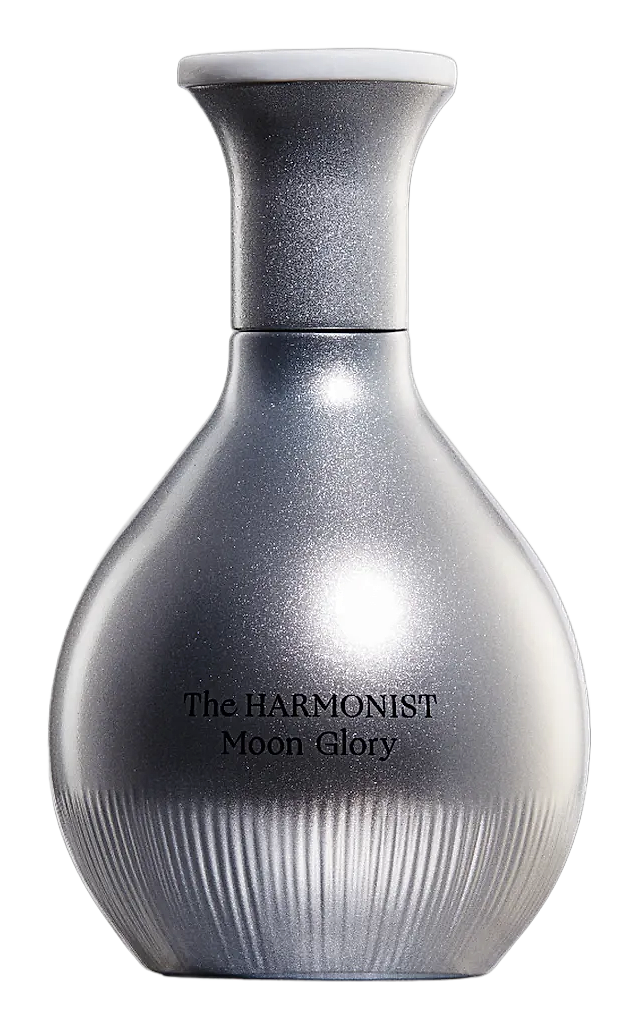
Fragrances featuring Chinese lychee
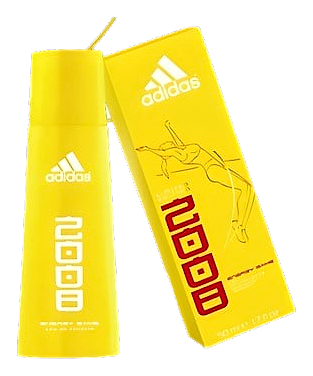
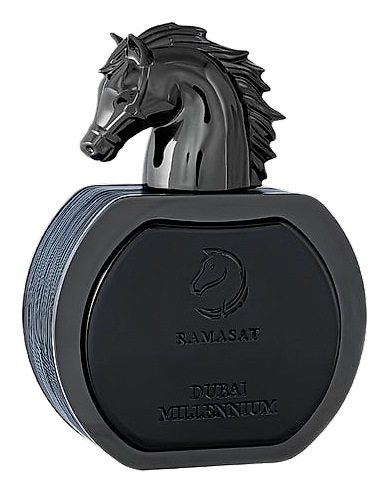
Brands
Brands known for Chinese lychee
Good to know
Questions, answered
The essentials on Chinese lychee in perfumery: how it smells, where it comes from, and how it behaves on skin.
Why is Chinese lychee always synthetic in perfumery?
No natural essential oil exists for lychee. The fruit's aromatic compounds are too volatile and fragile to survive standard extraction. Perfumers build the note from scratch using molecules like cis-rose oxide, which captures lychee's rosy-fruity character.
What does Chinese lychee smell like in a fragrance?
Lychee reads as bright, sweet, and tropical with a floral undertone. It combines the juiciness of white grape, the sweetness of rose, and a lifted freshness that keeps the note from feeling heavy.
Where did lychee originate?
Southeastern China is lychee's confirmed homeland. The fruit has grown there for over two thousand years, and China remains the world's leading producer, accounting for roughly 60% of global output.
Does synthetic lychee smell natural?
Modern reconstructions are sophisticated enough to capture lychee's core character convincingly. No single molecule replicates the full fruit, so perfumers layer multiple synthetics to build a believable fruity-floral note.
When did lychee enter Western perfumery?
Lychee gained traction in fine fragrance during the 1990s and 2000s as part of the broader fruity note movement. Its tropical sweetness and gourmet association made it a natural fit for contemporary fragrance design.
How do perfumers reconstruct the lychee note?
Perfumers analyze lychee's natural aromatic composition, which includes esters, aldehydes, ketones, and terpenes. They then select corresponding synthetic molecules, with cis-rose oxide serving as the primary building block for the signature rosy-fruity quality.
Is Chinese lychee linked to any cultural traditions?
Yes. In China, lychee was historically a luxury gift tied to imperial traditions. Emperor Xuanzong of Tang reportedly arranged relay horse rides to deliver lychees to his beloved consort Yang Guifei before they spoiled.
Can I find lychee in natural perfumery?
No. True natural lychee extracts for perfumery do not exist. Any lychee note in a fragrance, natural or otherwise, originates from synthetic chemistry. The distinction lies in the overall formula, not this specific ingredient.