Caribbean mango
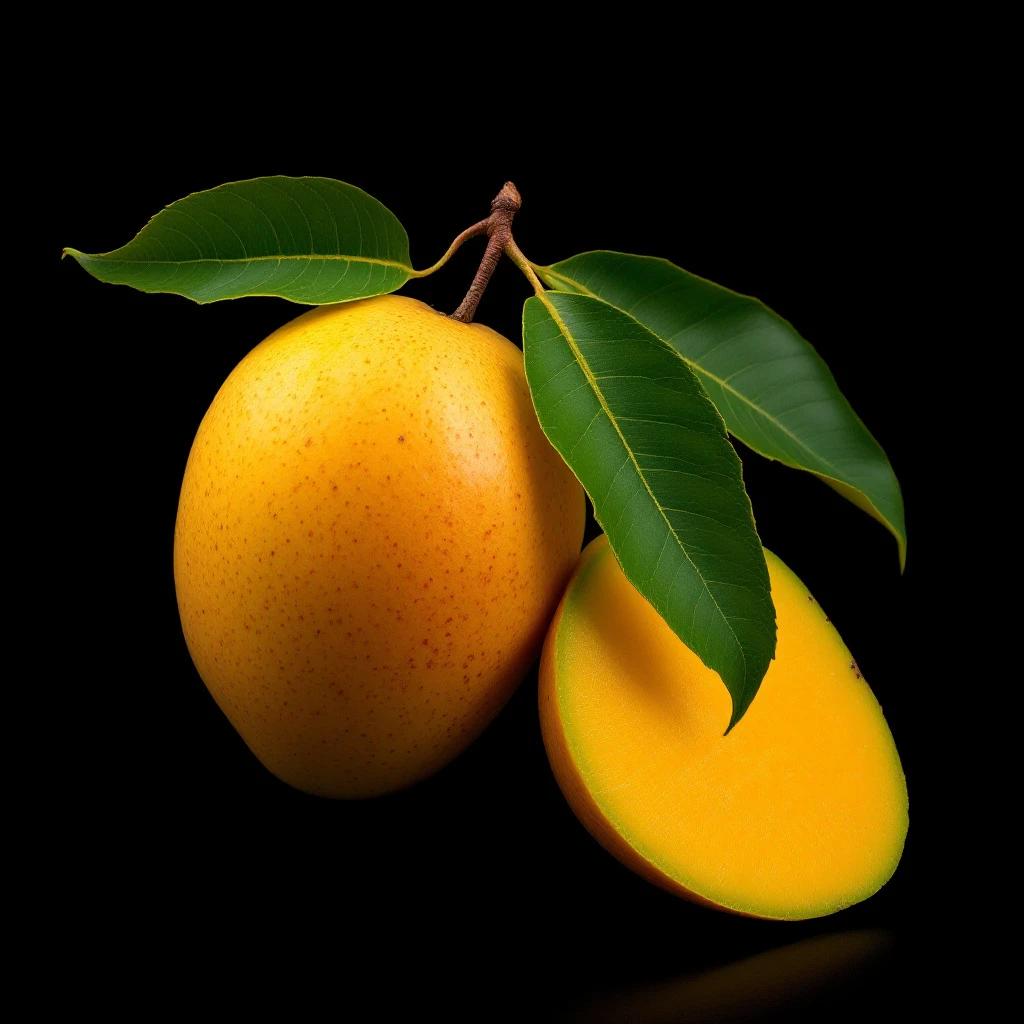
A tropical, sun-ripened mango captures the essence of Caribbean abundance. This synthetic reconstruction delivers the fruit's lush sweetness with a juicy, velvety warmth that transports you to sun-drenched island groves.
Character
How it smells
Juicy tropical sweetness with velvety warmth
Mango holds sacred status in Hindu tradition and is called the 'royal fruit' in ancient Sanskrit texts dating back over 4,000 years.





Origin
India
Mangifera indica originated in the Indian subcontinent, where it has been cultivated for over 4,000 years. Ancient Sanskrit texts celebrate mango as the 'royal fruit,' attributing spiritual significance to the fruit. Trade routes carried mango seeds across Asia and eventually to other tropical regions.
The fruit arrived in the Caribbean during colonial exchanges, finding ideal growing conditions in the warm, humid climate. Caribbean communities embraced mango deeply, incorporating it into culinary traditions, local medicine, and cultural practices. The fruit became a symbol of tropical abundance in island life.
Indigenous Caribbean peoples including the Tainos had long traditions of extracting aromatic oils from local plants, establishing perfumery practices that would later incorporate mango. Today, Caribbean mango represents a specific perfumery style emphasizing ripe, sun-drenched fruit character with velvety sweetness and tropical depth.
Wears it best
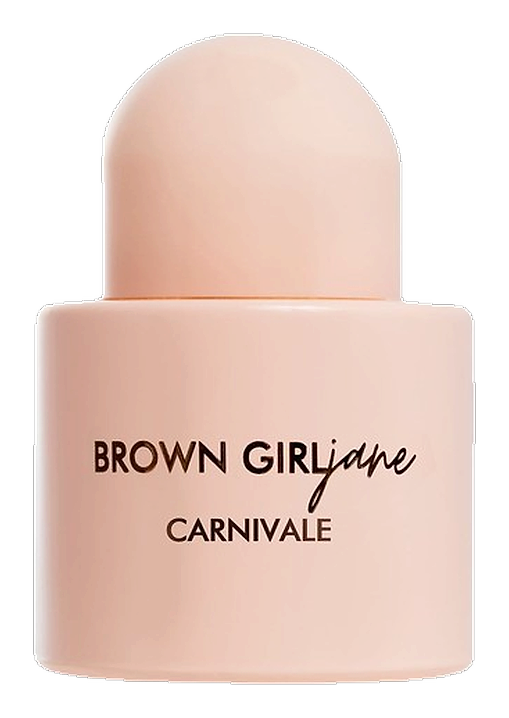
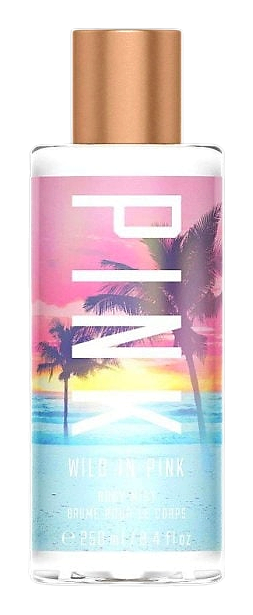
Fragrances featuring Caribbean mango
Brands
Brands known for Caribbean mango
Good to know
Questions, answered
The essentials on Caribbean mango in perfumery: how it smells, where it comes from, and how it behaves on skin.
Is there a natural mango essential oil for perfumery?
No. It is impossible to extract an essential oil from mango flesh. Direct extraction is impractical because yields are extremely low, making natural mango oil commercially unavailable. Perfumers rely on synthetic reconstruction to create this tropical note.
What chemicals create the mango scent in fragrance?
Mango's aroma comes from multiple compounds including gamma-decalactone, which provides the characteristic lactonic, peach-like sweetness, along with aliphatic esters that create the fruity tropical notes. Together these replicate the fruit's complex aromatic profile.
How does Caribbean mango differ from other mango fragrance interpretations?
Caribbean mango emphasizes sun-ripened, ripe fruit character with velvety warmth and lush tropical sweetness. It captures the sensory abundance of Caribbean island groves, distinguishing it from greener or more acidic mango interpretations.
What other notes pair well with mango in perfumery?
Mango pairs naturally with tropical florals like ylang-ylang and frangipani, citrus elements for brightness, coconut for creamy depth, and amber for warmth. It also complements exotic companions like passion fruit and papaya.
Does mango appear in both men's and women's fragrances?
Yes. Mango crosses gender boundaries in perfumery. It appears in tropical summer fragrances for both sexes, often combined with marine or coconut notes for a fresh character, or with vanilla and amber for richer interpretations.
What gives mango its characteristic sweetness in fragrance?
The gamma-decalactone content provides the signature lactonic, peach-like sweetness that defines mango's character. This compound creates the velvety, ripe fruit impression that distinguishes mango from sharper tropical notes.
Where do the mango compounds used in perfumery originate?
Aroma chemicals replicating mango come from synthetic production facilities worldwide. The mango fruit itself originated in the Indian subcontinent and spread through tropical cultivation, with Caribbean regions now producing specific cultivars prized for their intense flavor.
What is the historical significance of mango in perfumery?
Mango holds sacred status in Hindu tradition as the 'royal fruit' mentioned in Sanskrit texts over 4,000 years old. Its journey from South Asian origins to Caribbean cultivation reflects centuries of cultural exchange and agricultural adaptation.