Candied Grape
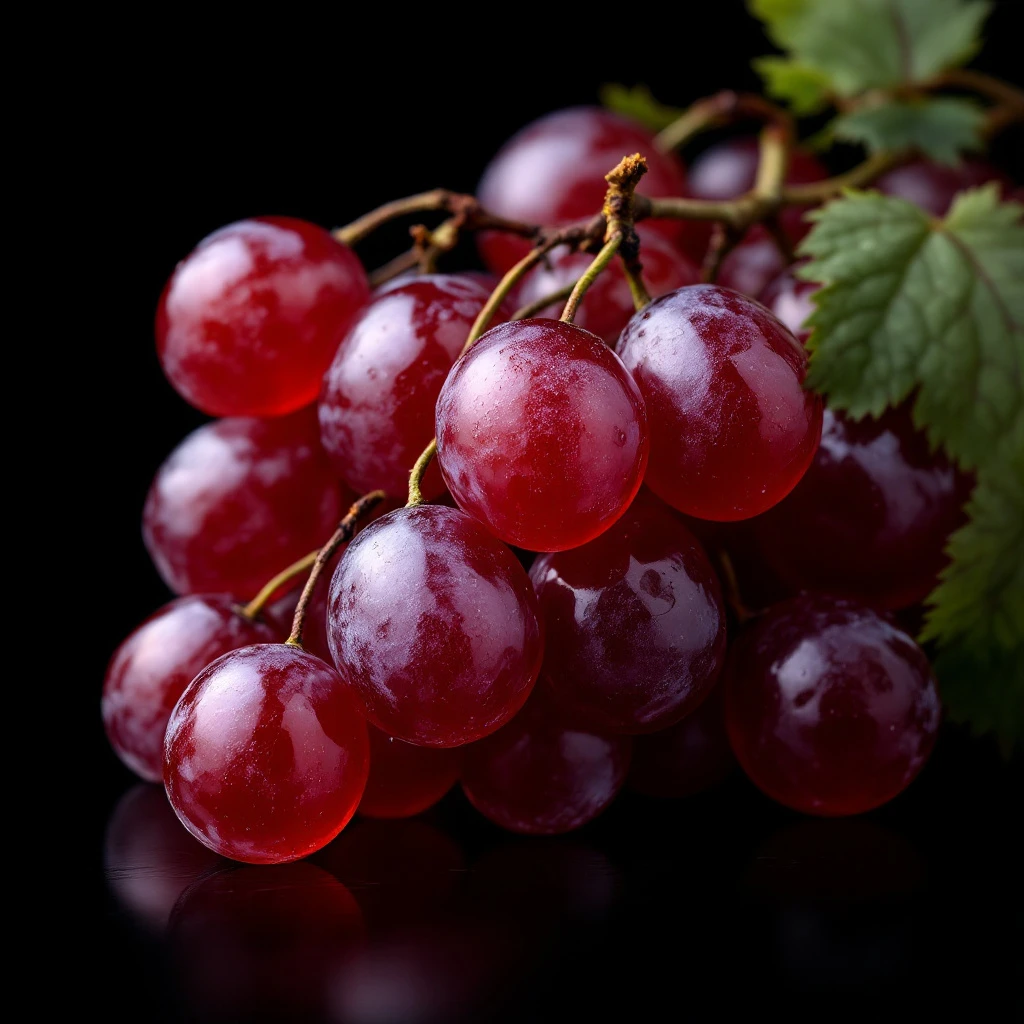
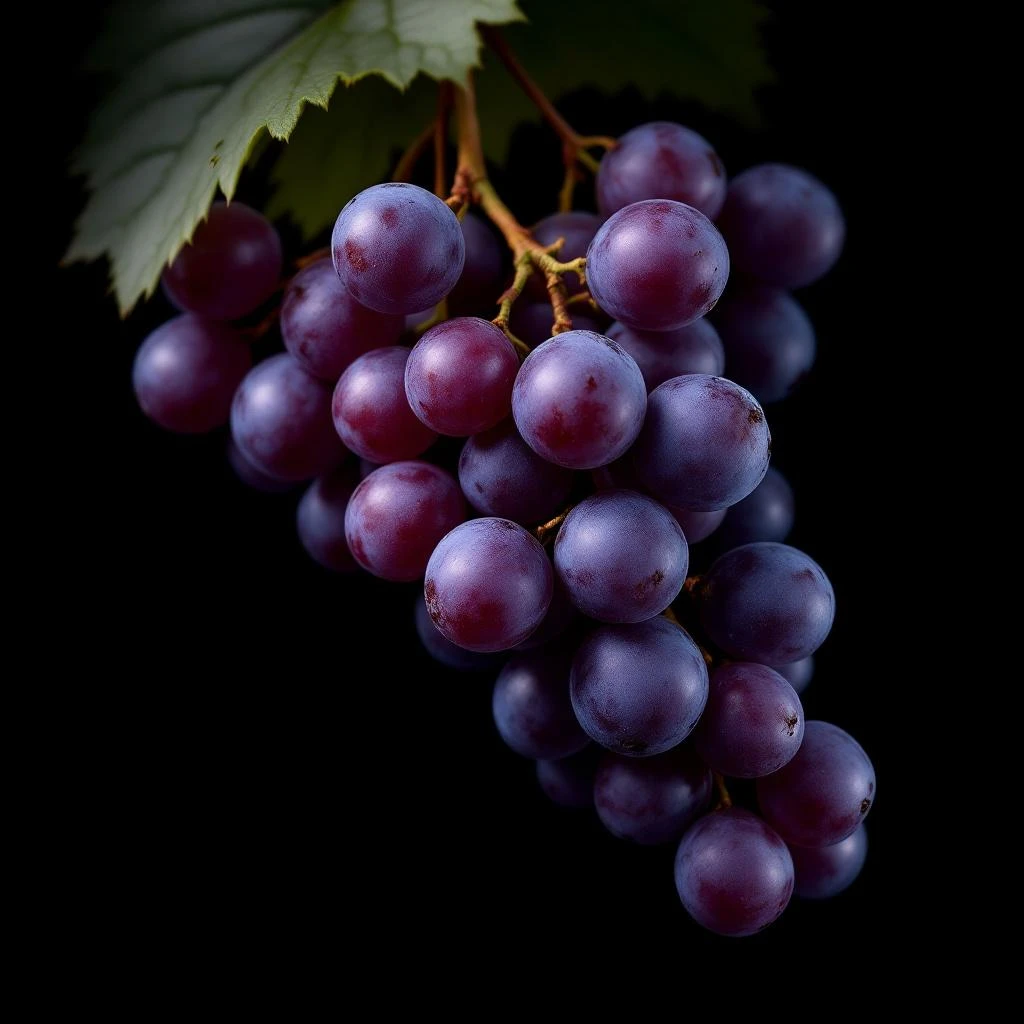
Candied Grape captures the nostalgic sweetness of preserved fruit, combining sugary warmth with the subtle tartness of ripe grapes. Perfumers construct this note from synthetic aroma chemicals that reproduce the jammy, candy-like character without using actual grape material. It adds playful, approachable sweetness to modern compositions.
Character
How it smells
Sugar-preserved sweetness in a modern perfume bottle.
Methyl anthranilate, the chemical responsible for natural grape scent, is too reactive for safe perfume use, driving the development of candied grape alternatives.
Pairs beautifully with
Origin
France
Grapes appeared in perfumery as early as ancient Egypt, where artisans incorporated grape-derived materials into incense and scented oils. However, the specific candied grape character emerged only in modern times. Before synthetic chemistry, perfumers could not replicate the concentrated, candy-like grape note that now appears in contemporary fragrances.
The breakthrough came alongside advances in aroma chemistry during the late 19th and 20th centuries. Grape aroma research, particularly studies on Vitis vinifera cultivars, gave chemists insight into the specific molecules that create grape perception. Perfumers applied this knowledge to build the candied grape accord, adding a playful, approachable sweetness to late 20th-century fruity and floral fragrances.
Today, Candied Grape remains a purely synthetic creation, shaped by centuries of perfumery tradition and modern chemical science.
Wears it best
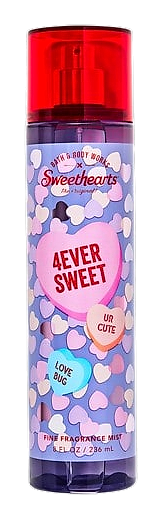
Fragrances featuring Candied Grape
Brands
Brands known for Candied Grape
Good to know
Questions, answered
The essentials on Candied Grape in perfumery: how it smells, where it comes from, and how it behaves on skin.
What is Candied Grape in perfumery?
Candied Grape is a synthetically constructed aroma note that mimics the sweet, jammy character of preserved grapes. Perfumers build this note from combinations of aromatic chemicals rather than extracting it from actual grape material.
What does Candied Grape smell like?
Candied Grape smells like grape candy or jam made from ripe grapes. It combines sugary sweetness with a subtle fruit tartness, producing a playful, nostalgic character that feels both modern and familiar.
Is Candied Grape natural or synthetic?
Candied Grape is entirely synthetic. Natural grapes lack the concentrated aroma compounds needed for perfumery use. Perfumers create this note using lab-derived aroma chemicals that reproduce the candied grape character.
What does Candied Grape pair well with?
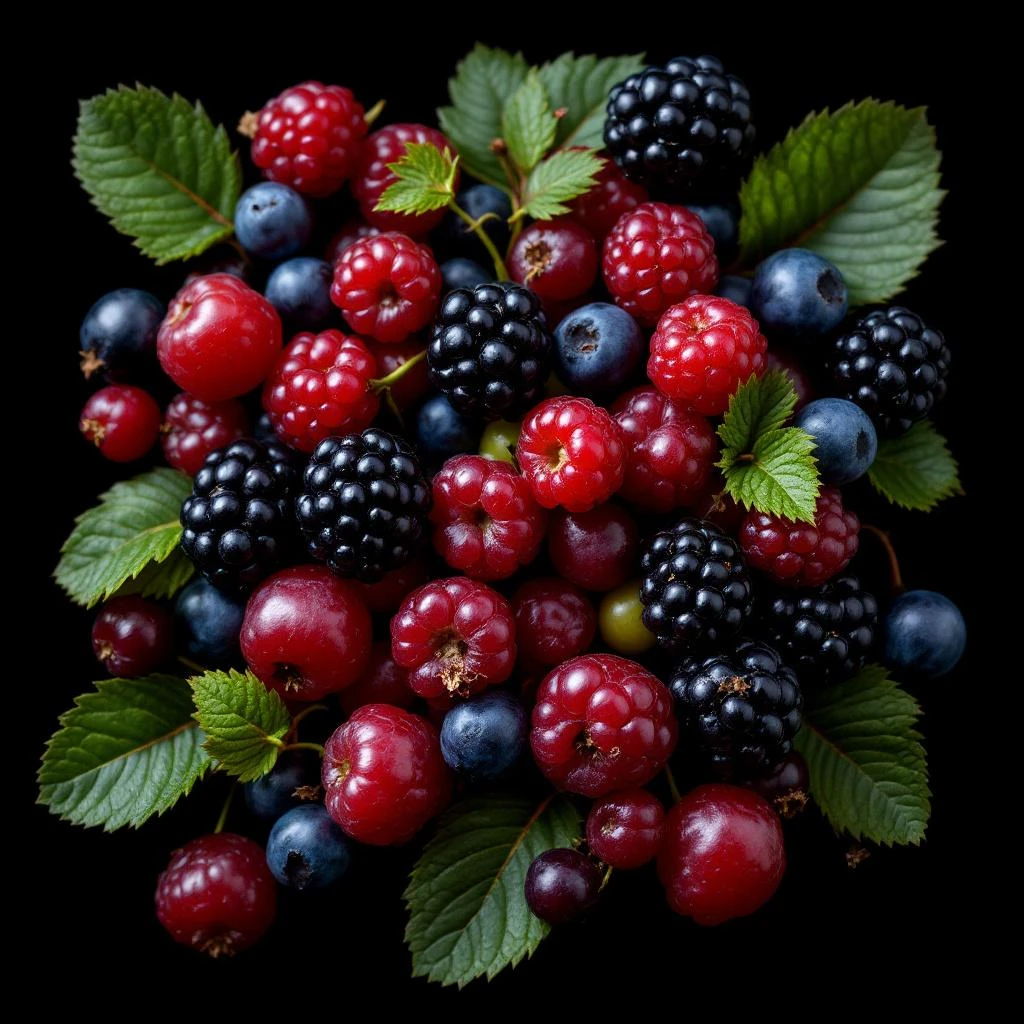
Candied Grape blends naturally with berry notes, stone fruits, and light florals like peony and rose. It also works in gourmand compositions alongside vanilla, caramel, and almond for added sweetness.
How does Candied Grape differ from Concord Grape?
Concord Grape evokes fresh, wine-like depth with floral and slightly medicinal undertones. Candied Grape emphasizes sugary sweetness and jammy warmth instead, making it lighter and more playful in application.
What fragrance families use Candied Grape?
Candied Grape appears most often in fruity florals, chypres, and gourmand compositions. Perfumers use it to add sweetness and playfulness, particularly in fragrances designed for broad appeal.
When was Candied Grape first used in perfumery?
Candied Grape emerged as perfumery evolved to embrace fruity notes in the late 20th century. Grapes themselves appeared in ancient Egyptian perfumery, but the candy-like grape accord required modern synthetic chemistry.
Does natural Candied Grape exist?
No. Natural grape extracts do not provide the concentrated, stable aroma required for perfumery. Natural grape scent is delicate and degrades during extraction, making a synthetic construction the only practical option.