Blond Wood
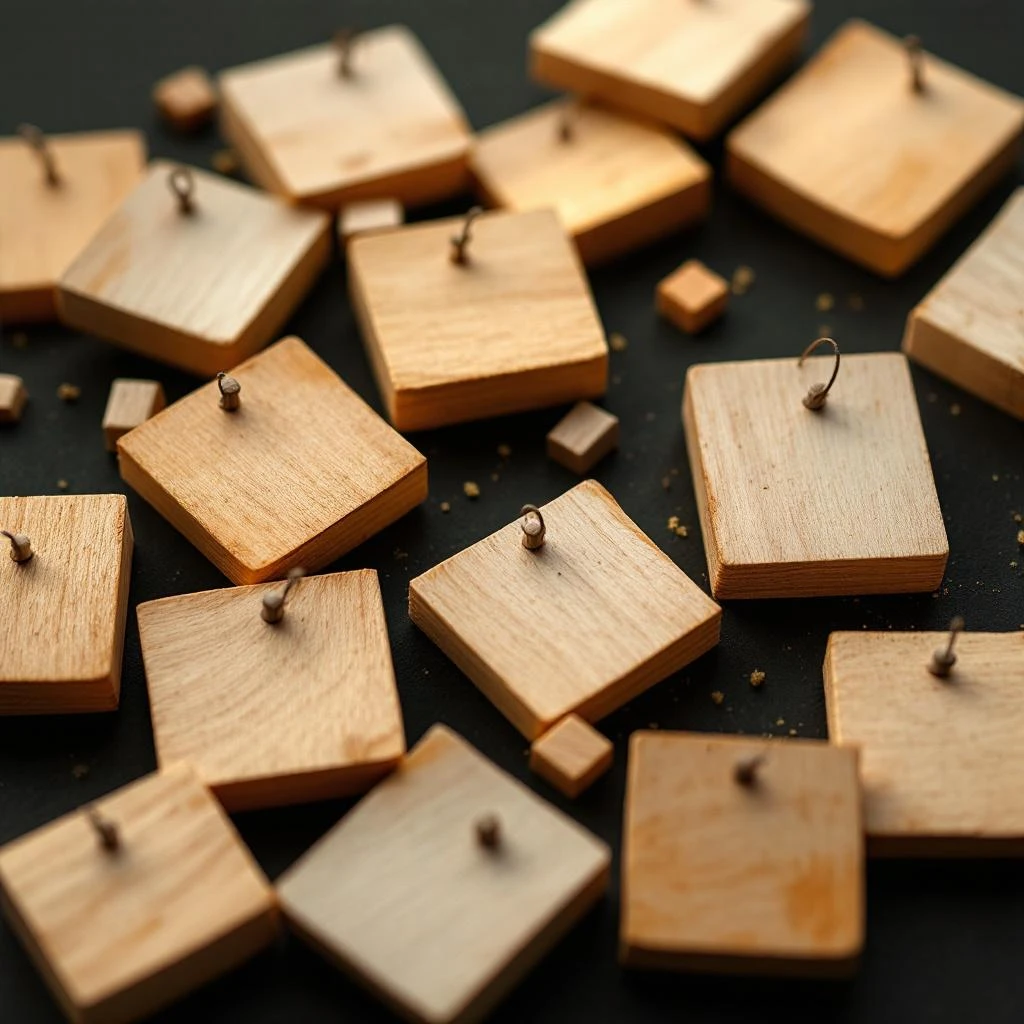
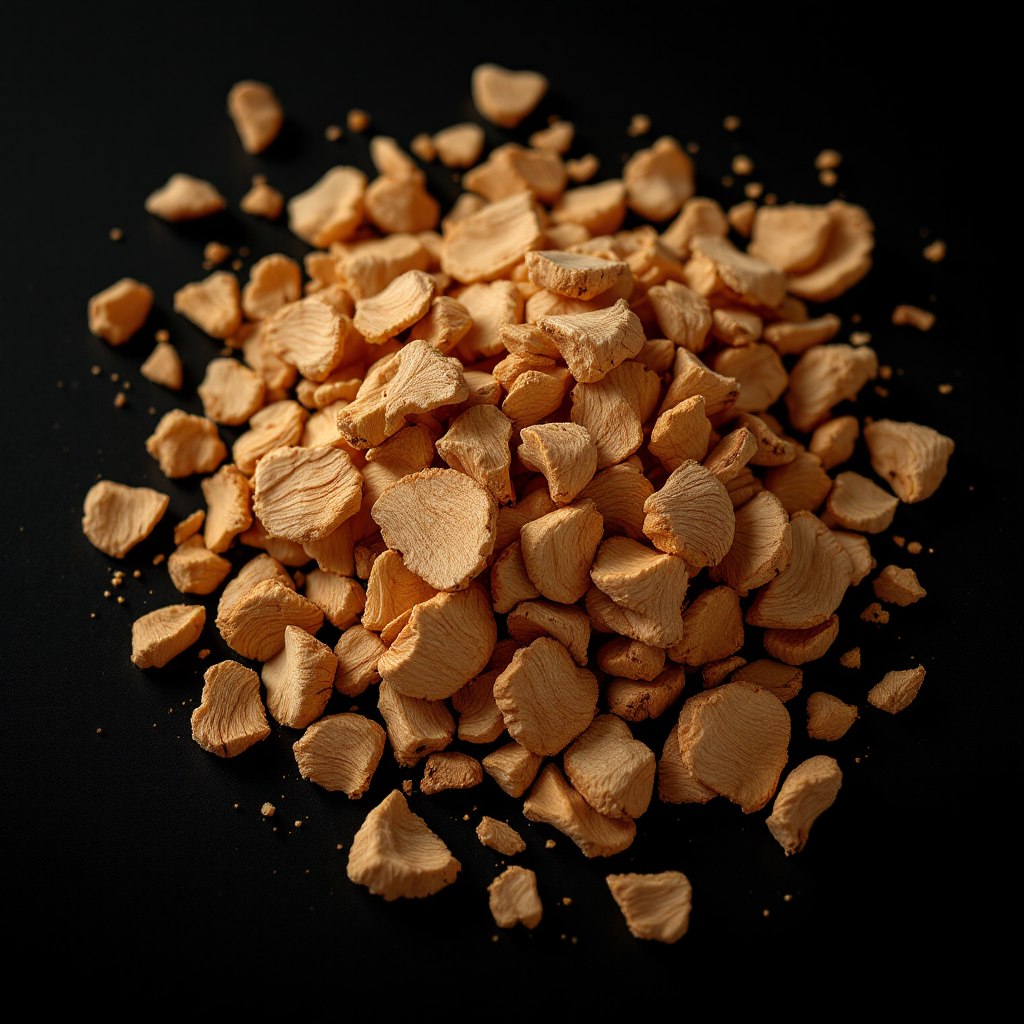
Blond wood captures the creamy, sun-warmed essence of pale heartwoods. These light-colored aromatic timbers produce soft, lactonic notes that feel like sunlight filtered through white curtains, adding silky depth to modern perfumes.
Character
How it smells
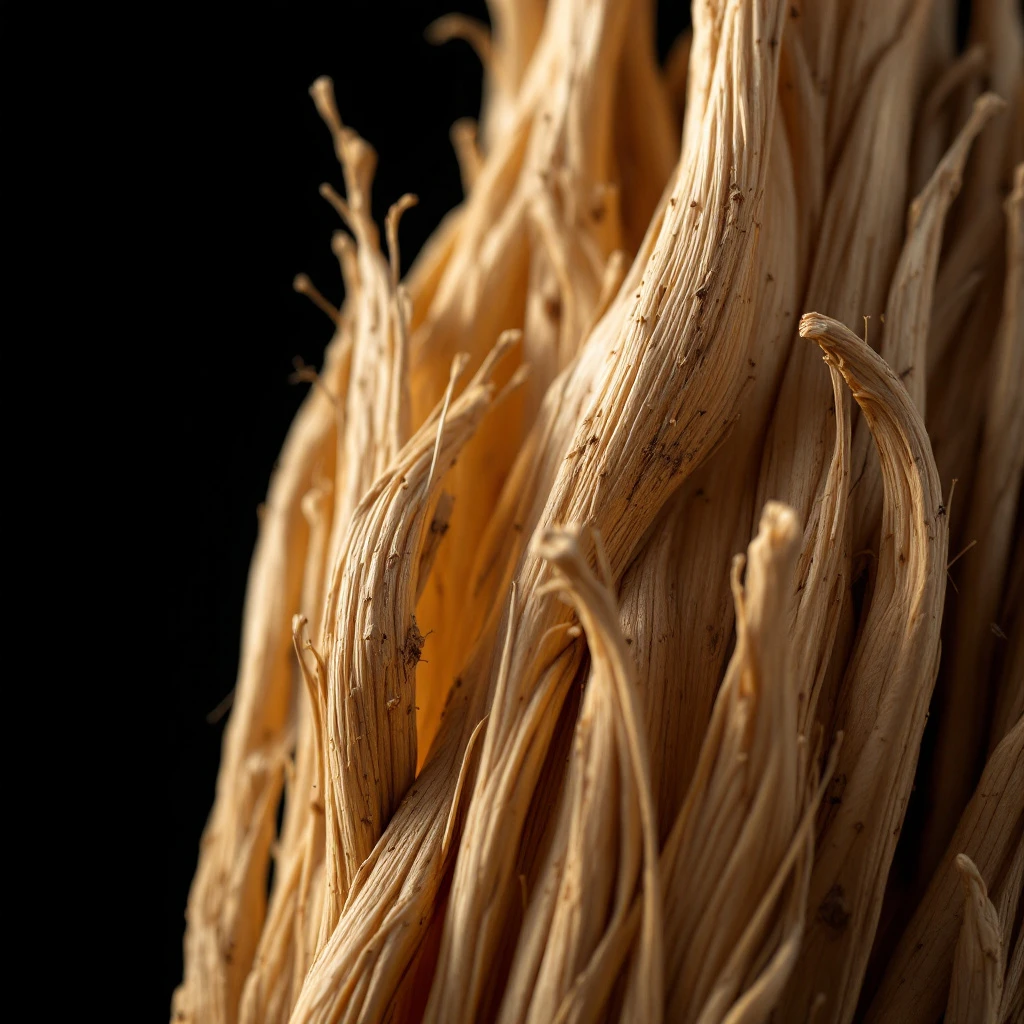
Light woods with a warm, creamy signature
The "blond" designation comes from the pale color of the heartwood itself, not from any treatment or processing of the material.
Pairs beautifully with

Origin
India
Ancient Mesopotamian and Egyptian cultures first documented the use of pale aromatic woods in sacred rituals and early perfumery. Sandalwood specifically became a cornerstone of Hindu ceremonial traditions by the 5th century BCE, valued as much for its spiritual significance as its scent. The ancient Romans imported sandalwood as a luxury material, burning it alongside frankincense in temples and wealthy households.
By the 19th century, the Mysore region of India had become the center of a global sandalwood trade network. Today, blond woods remain among the most versatile materials in the perfumer's palette, appearing across fine fragrances, colognes, and luxury home scents for their universally appealing warmth.
Wears it best
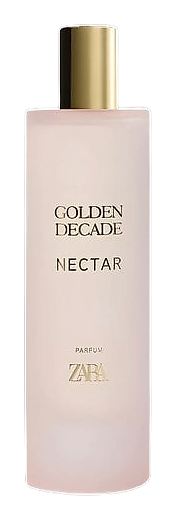
Fragrances featuring Blond Wood
Brands
Brands known for Blond Wood
Good to know
Questions, answered
The essentials on Blond Wood in perfumery: how it smells, where it comes from, and how it behaves on skin.
What exactly is blond wood in perfumery?
Blond wood refers to aromatic materials derived from light-colored timbers like blonde sandalwood, white cedar, and silver birch. These woods produce softer, creamier notes than dark woods such as oud or guaiac.
What does blond wood smell like?
Blond wood delivers a warm, creamy, and slightly sweet scent profile. It lacks the smoky or medicinal edges of darker woods, instead offering a smooth, lactonic warmth that blends easily with florals and musks.
Is blond wood a natural or synthetic ingredient?
Both natural and synthetic options exist. Natural blond wood comes from pale heartwoods via steam distillation. Synthetic alternatives replicate the creamy wood character using lab-created aromatic molecules, making blond wood accords more sustainable and consistent.
How is blond wood oil extracted from the wood?
Manufacturers chip dried heartwood and pass steam through the material under controlled pressure. The steam collects volatile aromatic compounds, which condense and separate from the water to yield the essential oil.
What role does blond wood play in fragrance composition?
Blond wood acts as a fixative and base note, lending warmth and longevity to a fragrance. Its creamy profile softens sharper top notes and provides a smooth foundation for florals, citruses, and spiced accords.
Which fragrances commonly feature blond wood?
Light woody fragrances across all major houses use blond wood as a signature element. Chypre compositions, modern florals, and oriental fragrances frequently build their base around this warm, approachable wood note.
How much blond wood oil is typically used in a fragrance?
As a base note, blond wood oil usually appears at low to moderate concentrations, typically between 1 and 5 percent of the final fragrance formula. It performs best when allowed to evolve over several hours on skin.
Does blond wood work well on all skin types?
Blond wood generally performs consistently across skin types. Its soft, non-aggressive character means it rarely reacts unfavorably with skin chemistry. Like all woody materials, it tends to last longer on warm, moisturized skin.